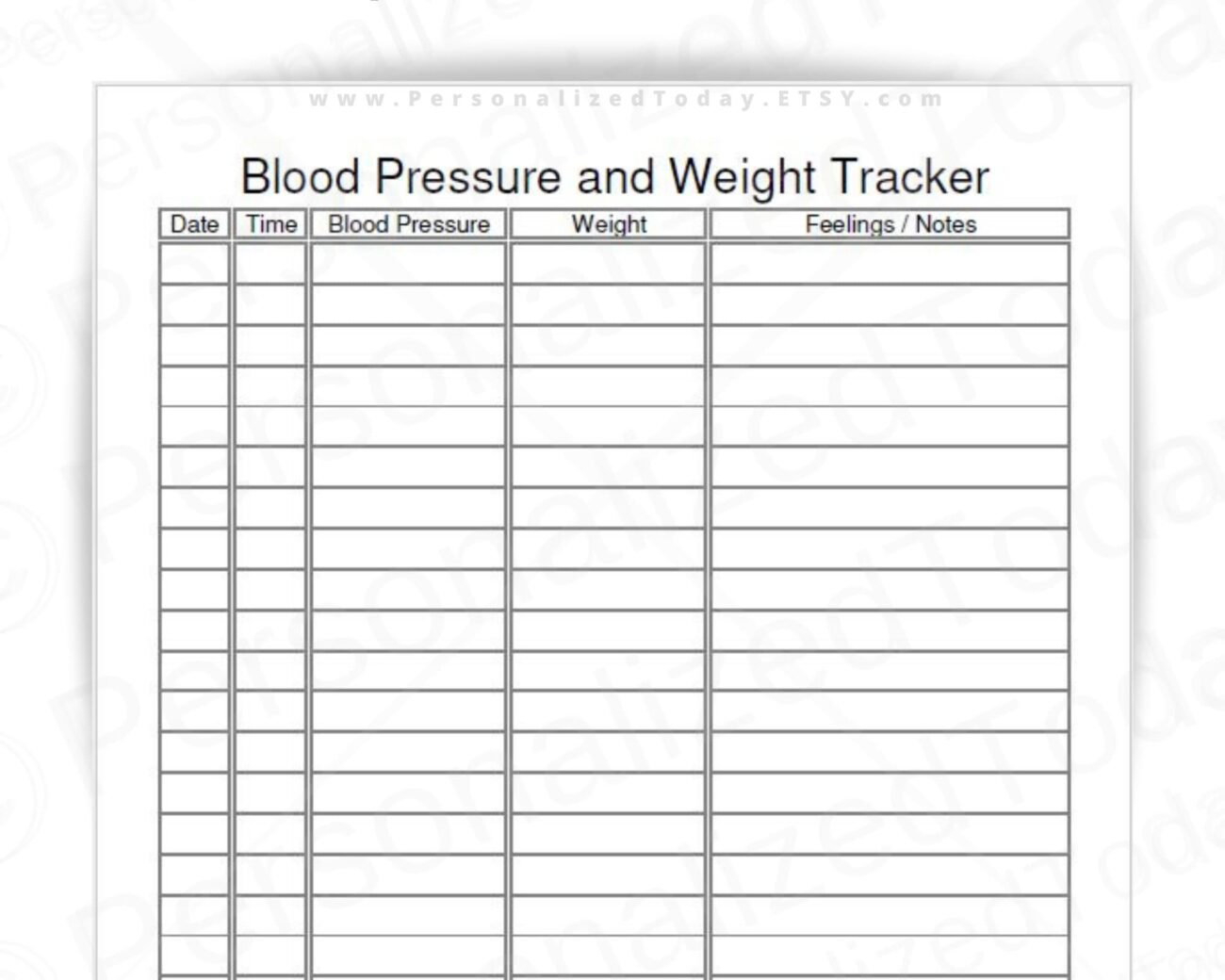
Managing your health is a journey that often requires tracking various metrics. One valuable tool for this is a Blood Pressure Weight Loss Chart. This resource helps you monitor both your blood pressure and weight loss progress over time, providing a clear visual representation that can motivate and guide your efforts.
Understanding the Blood Pressure Weight Loss Chart
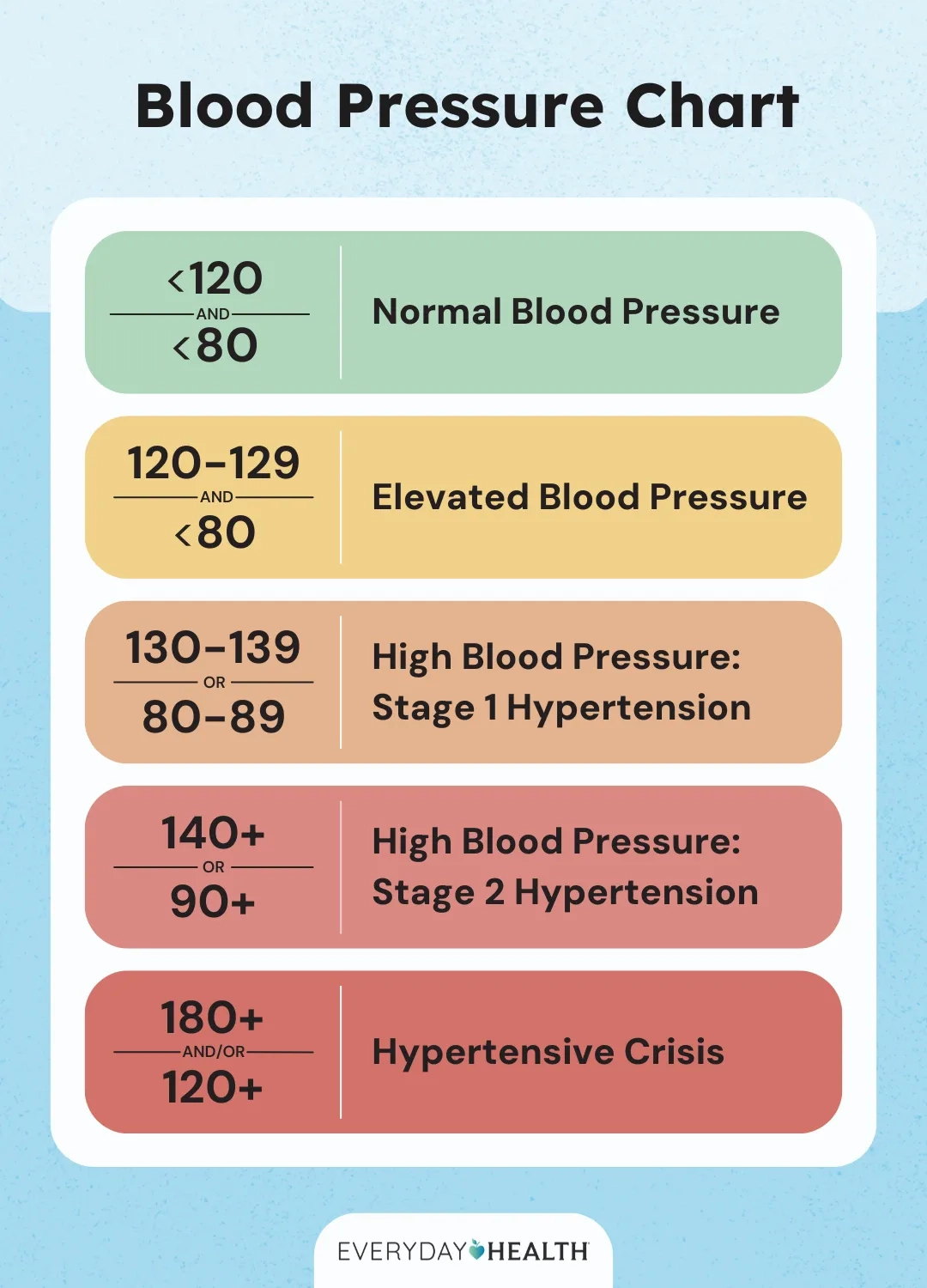
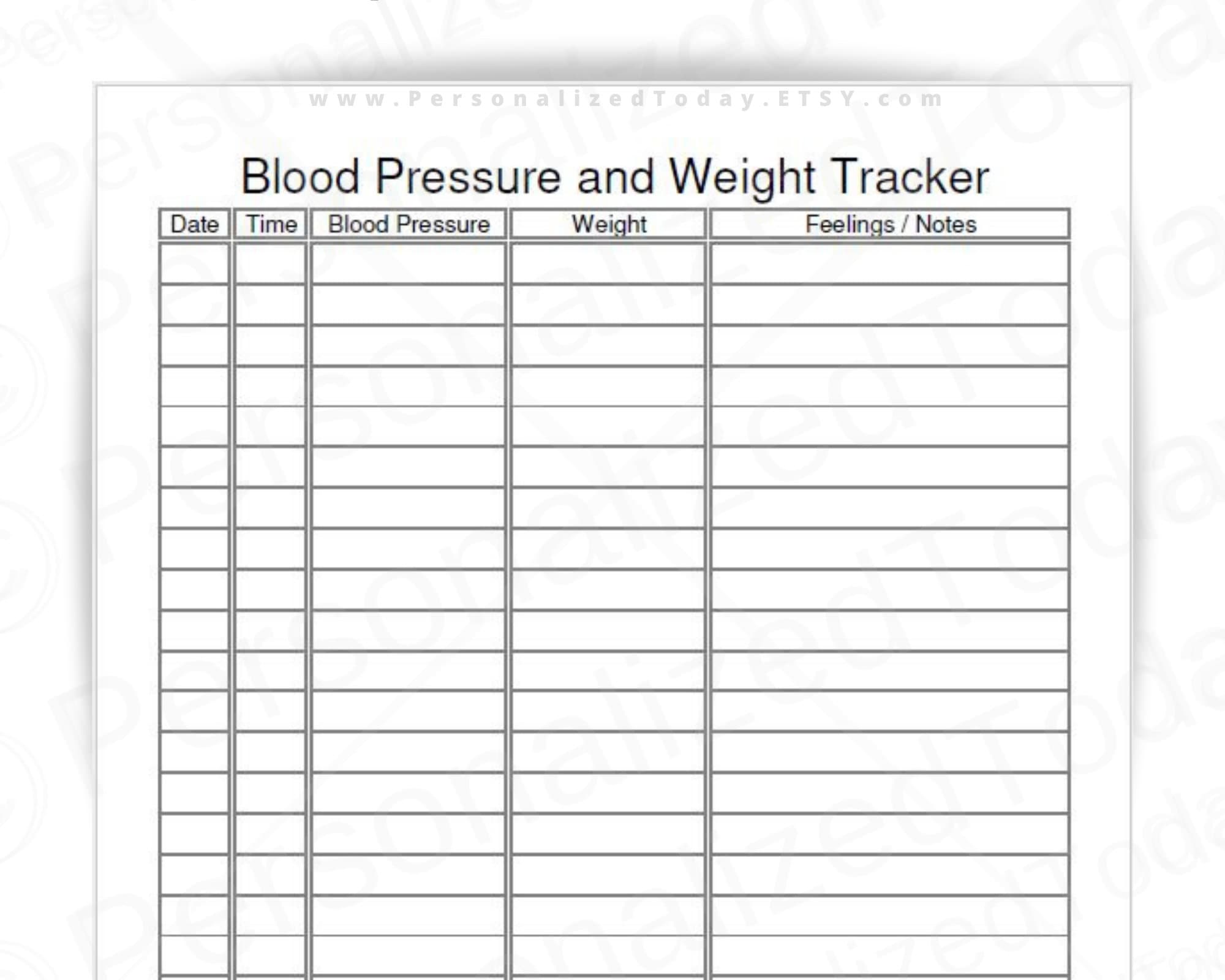
A Blood Pressure Weight Loss Chart typically includes columns for dates, weight measurements, blood pressure readings, and any notes you might want to add. By using this chart, you can easily visualize how changes in your weight correlate with your blood pressure levels. This connection is crucial for anyone looking to improve their overall health, especially if you’re managing conditions like hypertension or obesity.
When you print your chart, opt for standard letter size (8.5 x 11 inches) for easy handling and storage. Most home printers handle this size well, but make sure to check your printer settings to ensure it prints correctly without any cropping issues.
How to Use the Blood Pressure Weight Loss Chart
- Download and Print: First, locate a PDF version of the Blood Pressure Weight Loss Chart. PDF files are generally the best choice because they maintain formatting across different devices. After downloading, print it on high-quality paper for durability. I recommend using cardstock if you plan to keep it in a binder or display it prominently.
- Set Up Your Chart: Begin by filling in the starting weight and your initial blood pressure readings. It’s helpful to do this in the morning before eating or drinking for consistency. If you’re unsure about your blood pressure, consider using a home monitor or consulting with a healthcare professional.
- Regular Updates: Commit to updating your chart weekly or bi-weekly. Consistency is key. Each time you weigh yourself or measure your blood pressure, write down the new figures. This practice not only keeps you accountable but also allows you to notice trends over time.
- Add Notes: Use the notes section to jot down any significant changes in your routine, such as diet modifications, exercise habits, or stress levels. These factors can greatly influence both weight and blood pressure, and noting them can provide insights into your health journey.
Analyzing Your Data
As you fill in your Blood Pressure Weight Loss Chart, take the time to analyze the data periodically. Look for patterns:
- Are there specific weeks where your weight dropped significantly?
- Did your blood pressure readings improve during those same weeks?
By identifying these trends, you can modify your health strategies accordingly. For example, if you notice that your blood pressure decreases when you exercise regularly, you might want to make physical activity a priority.
Presentation and Durability
For a resource like the Blood Pressure Weight Loss Chart, presentation matters. Here are some tips to ensure it lasts:
- Lamination: Consider laminating your chart if you plan to use it frequently. This will protect it from wear and tear and allow you to use dry-erase markers to make temporary notes that can be wiped clean later.
- Storage: If you’re keeping multiple charts, a binder with plastic sleeves can help keep everything organized and easily accessible. This also allows you to track your progress over months, making it easier to stay motivated.
When to Reassess Your Goals
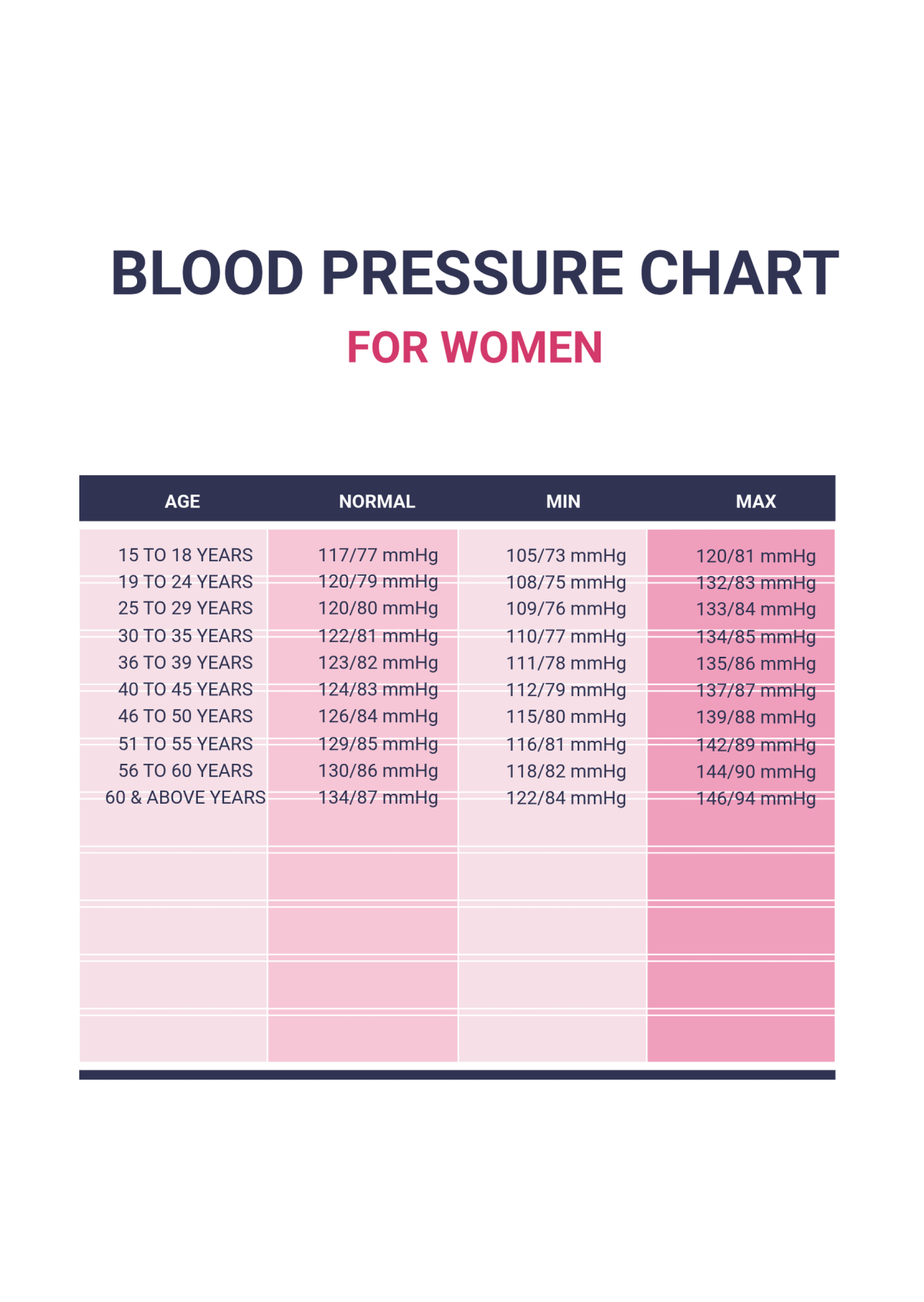
Every few months, take a moment to reassess your health goals based on the information you’ve gathered in your Blood Pressure Weight Loss Chart. Are you on track? Have your goals changed? Perhaps your initial target weight is no longer aligned with your health needs. This is a normal part of the process, and adjusting your goals can help you stay committed and focused.
It’s also a good idea to consult with a healthcare professional if you notice significant fluctuations in your blood pressure or weight, or if you’re uncertain about your progress. They can provide personalized guidance based on your specific health situation.
By actively using a Blood Pressure Weight Loss Chart, you’re not just tracking numbers; you’re taking charge of your health. This resource can empower you to make informed decisions and stay motivated on your path to wellness.
Remember, the most important detail in your health journey is consistency. Regularly updating and reviewing your chart will help you see the bigger picture and understand the impact of your lifestyle choices. So download, print, and get started today!
