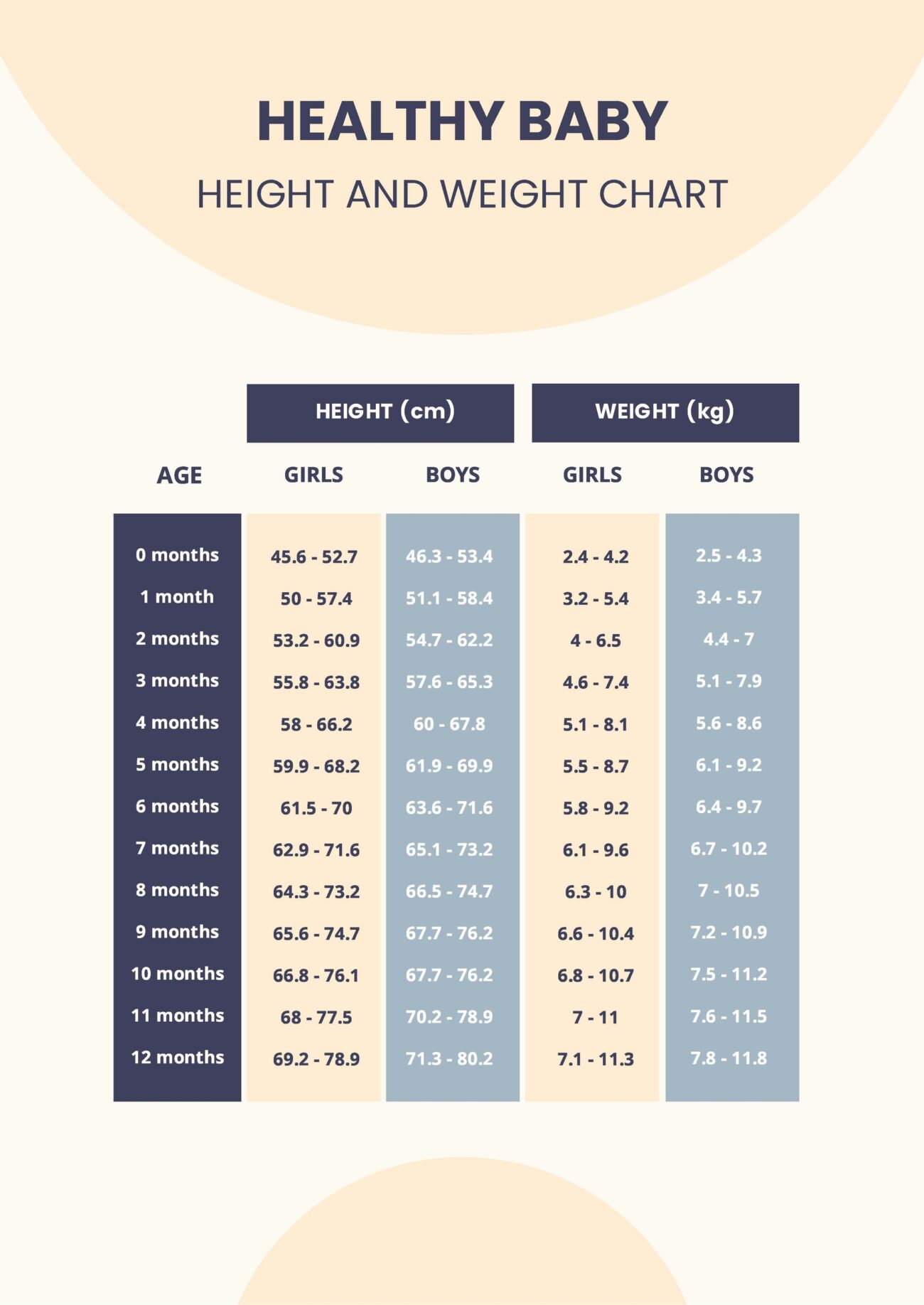
As a parent, one of the most important aspects of caring for your baby is tracking their growth. The Average Infant Height And Weight Chart is an essential tool that helps you monitor your baby’s development over time. By using this chart, you can ensure your little one is on track for healthy growth and identify any potential concerns early on.
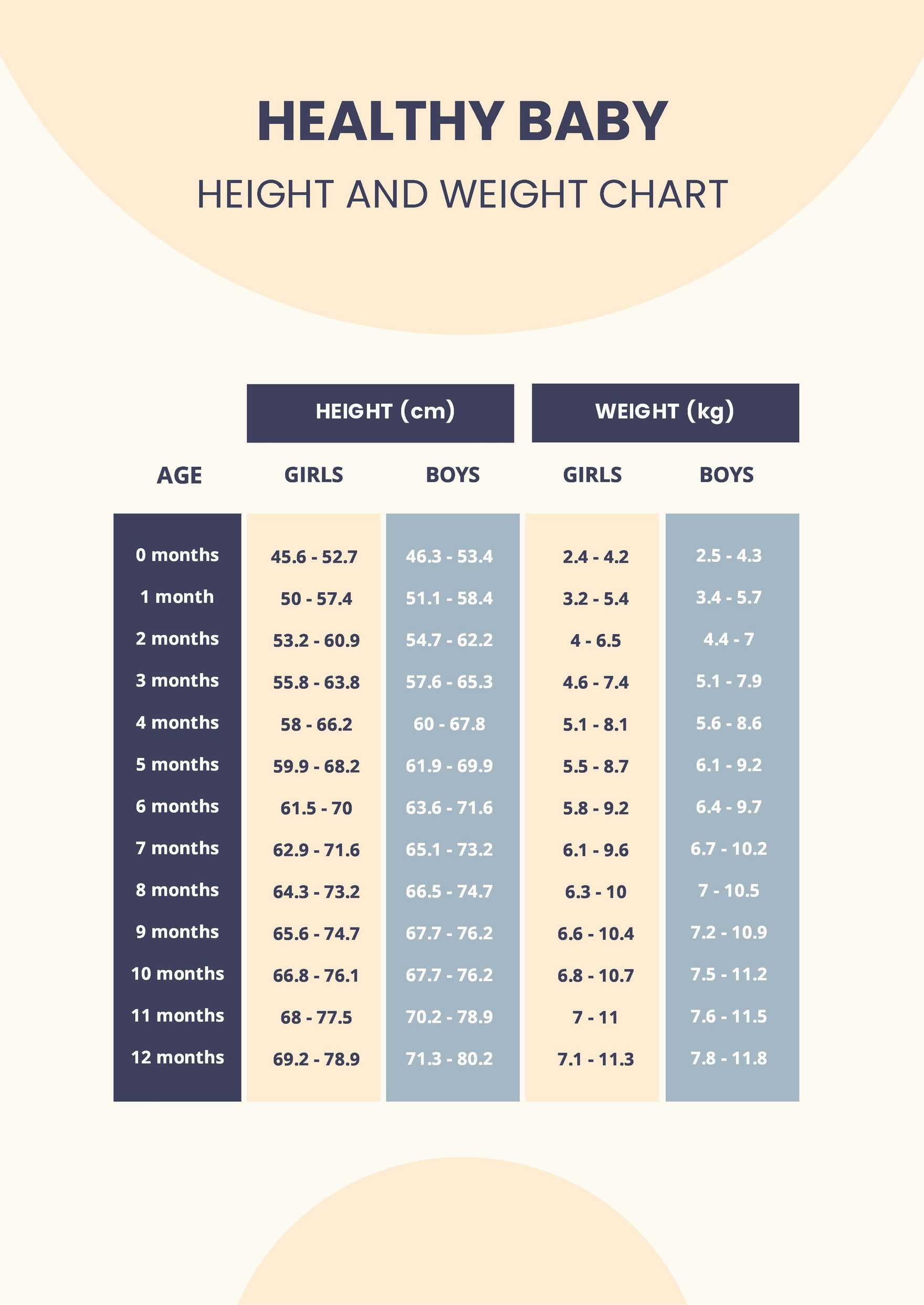
Understanding the Average Infant Height And Weight Chart
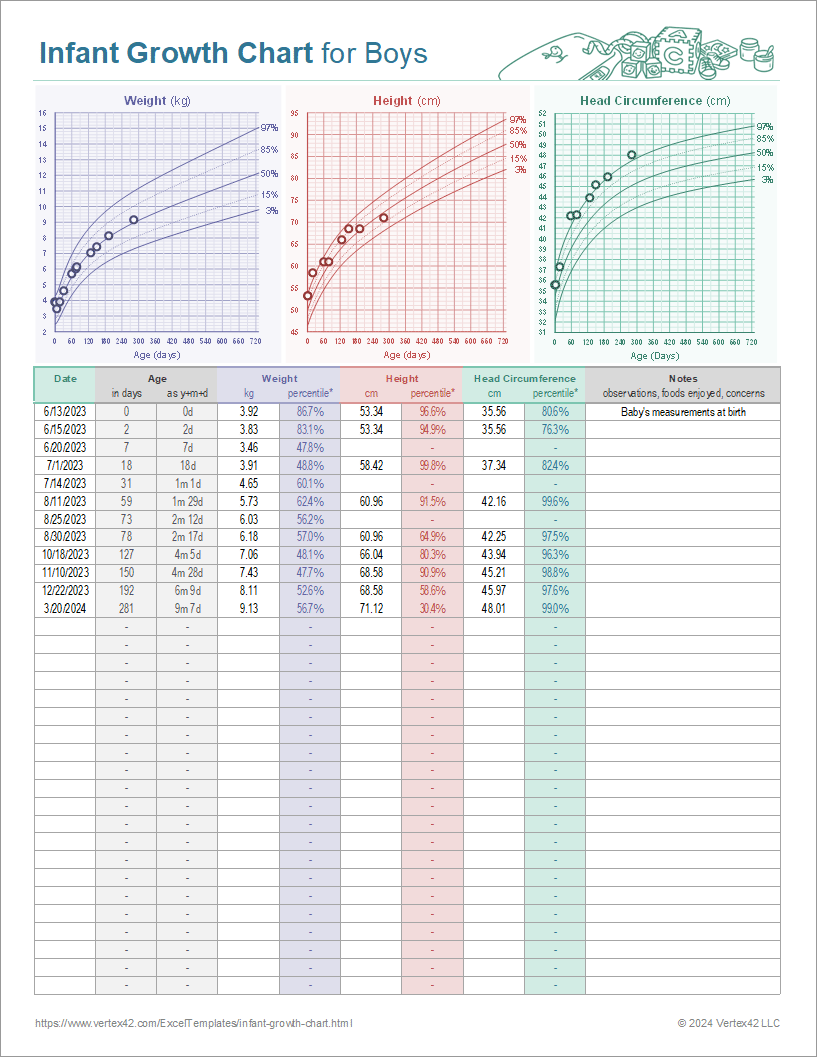
The Average Infant Height And Weight Chart provides a visual representation of typical growth patterns for infants. This chart typically includes percentile rankings, which indicate how your child’s measurements compare to those of other infants of the same age and sex. For example, if your baby is in the 75th percentile for weight, it means they weigh more than 75% of infants their age.
To read the chart effectively, you will look at two primary measurements: height (length) and weight. Usually, the chart will have age on one axis and weight or height on the other. You can plot your child’s measurements on this chart to see where they fall within the average ranges.
When to Use the Chart
You should use the Average Infant Height And Weight Chart during regular pediatric check-ups, which typically occur at 1, 2, 4, 6, 9, and 12 months, and then at least annually after that. At each visit, your pediatrician will likely measure your baby’s height and weight, and you can record these numbers on the chart.
By keeping track of these measurements, you will have a clearer understanding of your child’s growth trajectory. It’s also a great way to prepare for discussions with your pediatrician about your child’s health and development.
Printable Resources to Enhance Tracking
To make using the Average Infant Height And Weight Chart even easier, consider downloading and printing a template. You can find various printable resources online that allow you to fill in your child’s measurements. Here are some practical tips for using these printable charts:
- Paper Type: Use standard letter-sized paper (8.5 x 11 inches) for easy printing. If you want something sturdier, consider using cardstock, which holds up well if you plan to laminate the chart for long-term use.
- Fillable PDF Options: Look for fillable PDF versions of the chart. This format allows you to input your child’s measurements directly on your computer before printing, which can save time.
- Handwritten Notes: If you prefer to write by hand, ensure you have a good quality pen that won’t smudge. You can also use colored pens to differentiate between different ages.
Digital Vs. Print: Which is Best?
When it comes to utilizing the Average Infant Height And Weight Chart, you may wonder whether to go digital or stick with print. Each option has its advantages.
Digital Charts:
- Easy to share with your pediatrician via email.
- Can be updated quickly and accessed from various devices.
- Some apps allow you to track growth over time visually.
Printed Charts:
- Great for keeping a physical record that you can hang on the wall or keep in a baby book.
- Allows for personal notes and additional observations that might not fit into a digital format.
- Many parents find it easier to engage with a physical document.
Ultimately, the choice depends on your personal preference and how you plan to use the chart.
Common Growth Patterns to Watch For
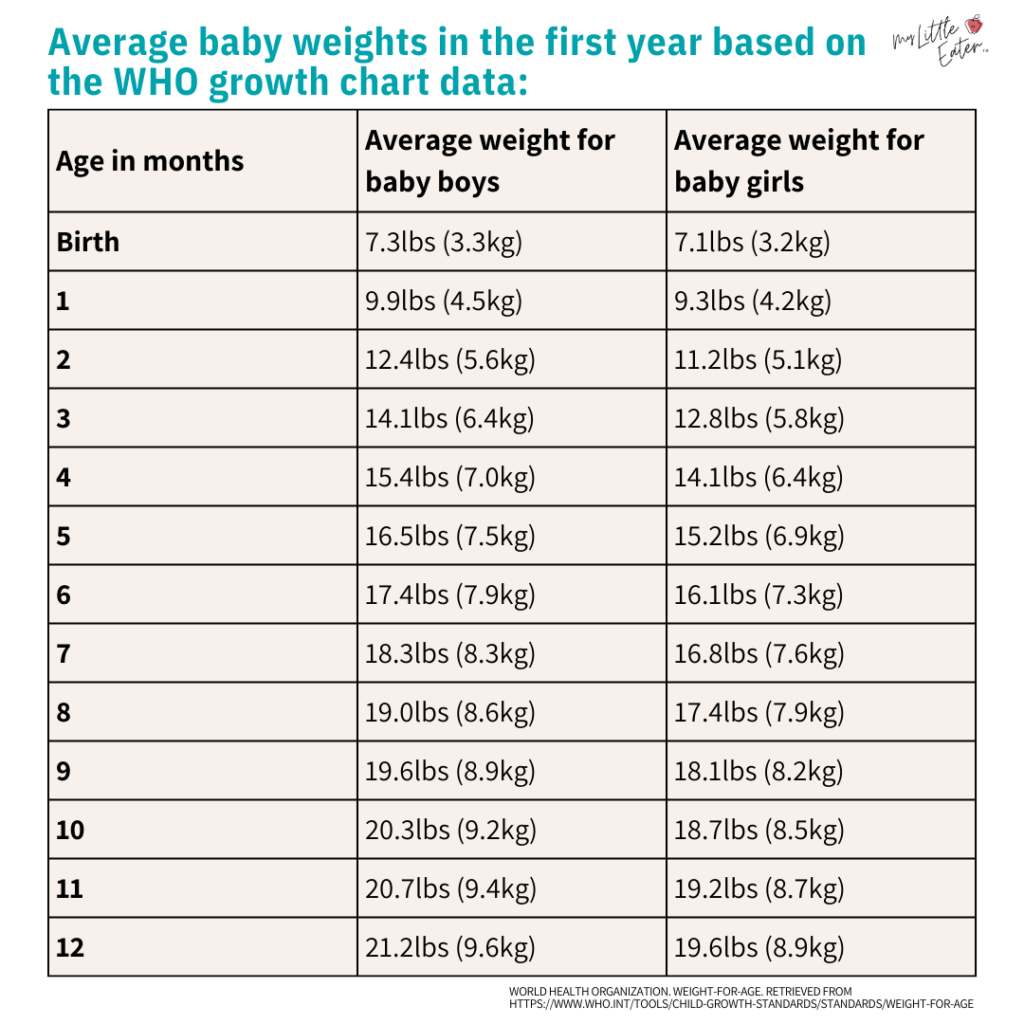
While every child is unique, understanding common growth patterns can help you gauge your baby’s development. Most infants double their birth weight by about 5 months and triple it by their first birthday. In terms of height, babies typically grow about 1 inch per month during the first six months and then about half an inch per month from 6 to 12 months.
If your child’s growth significantly deviates from the average infant growth patterns, it may be worth discussing with your pediatrician. They can help determine if any underlying issues need to be addressed.
