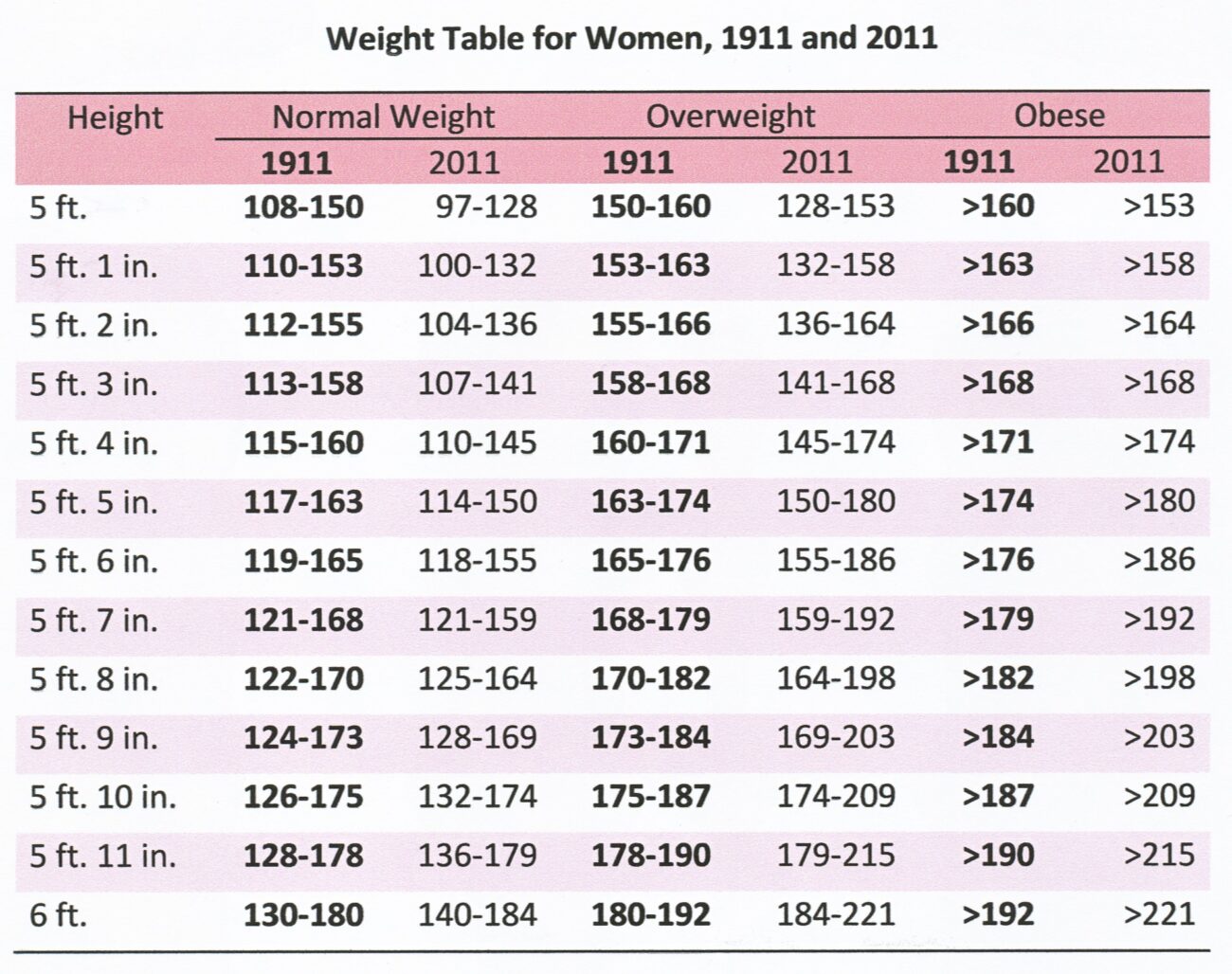
Understanding how a female age and weight chart works can be a useful option for parents and guardians looking to monitor health and wellness in their families. This specific resource is designed to help you easily track and understand weight changes across different age groups. If you are looking to support your child’s growth or keep an eye on your own health, this chart is a practical tool to have on hand.
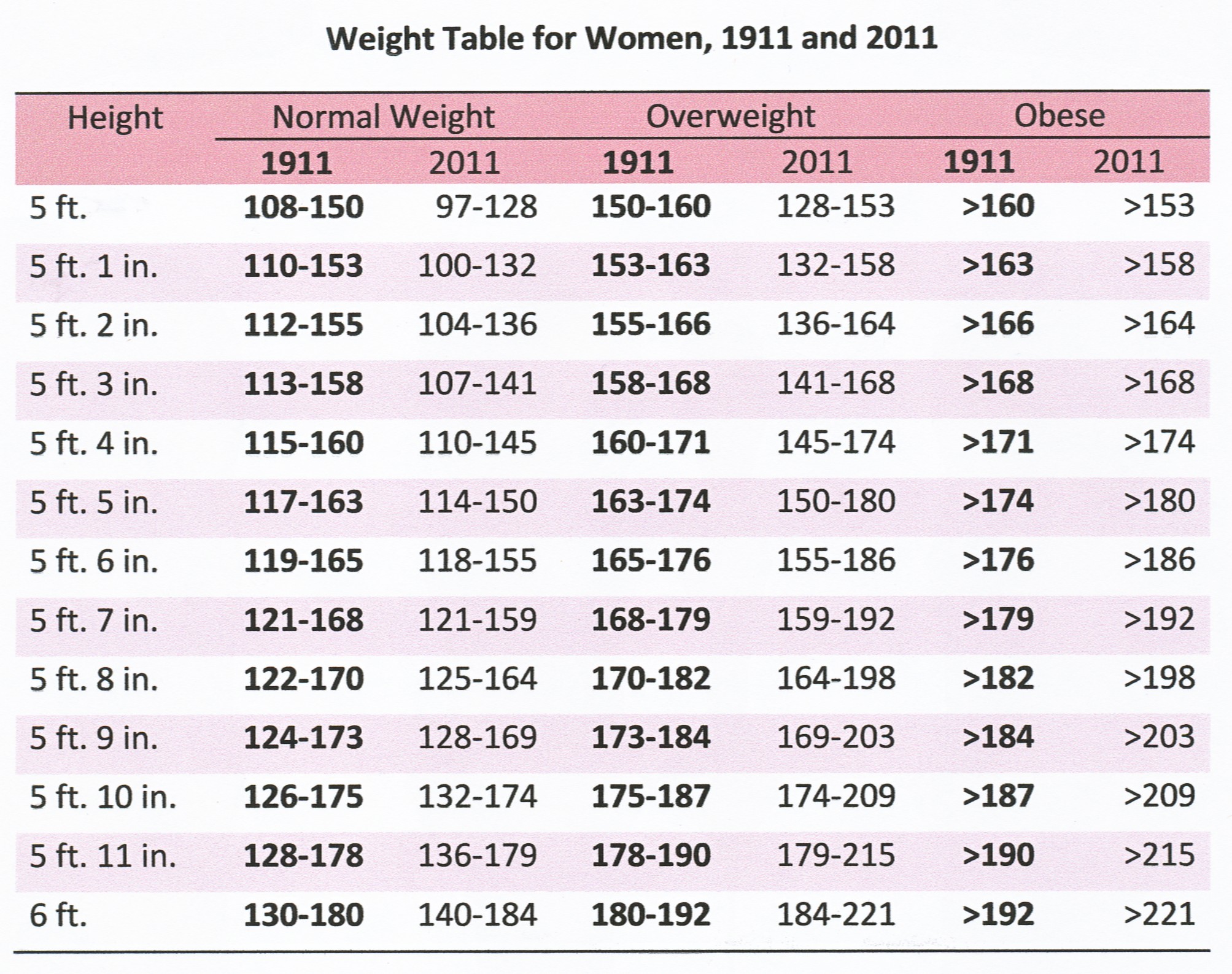
What Is a Female Age And Weight Chart?
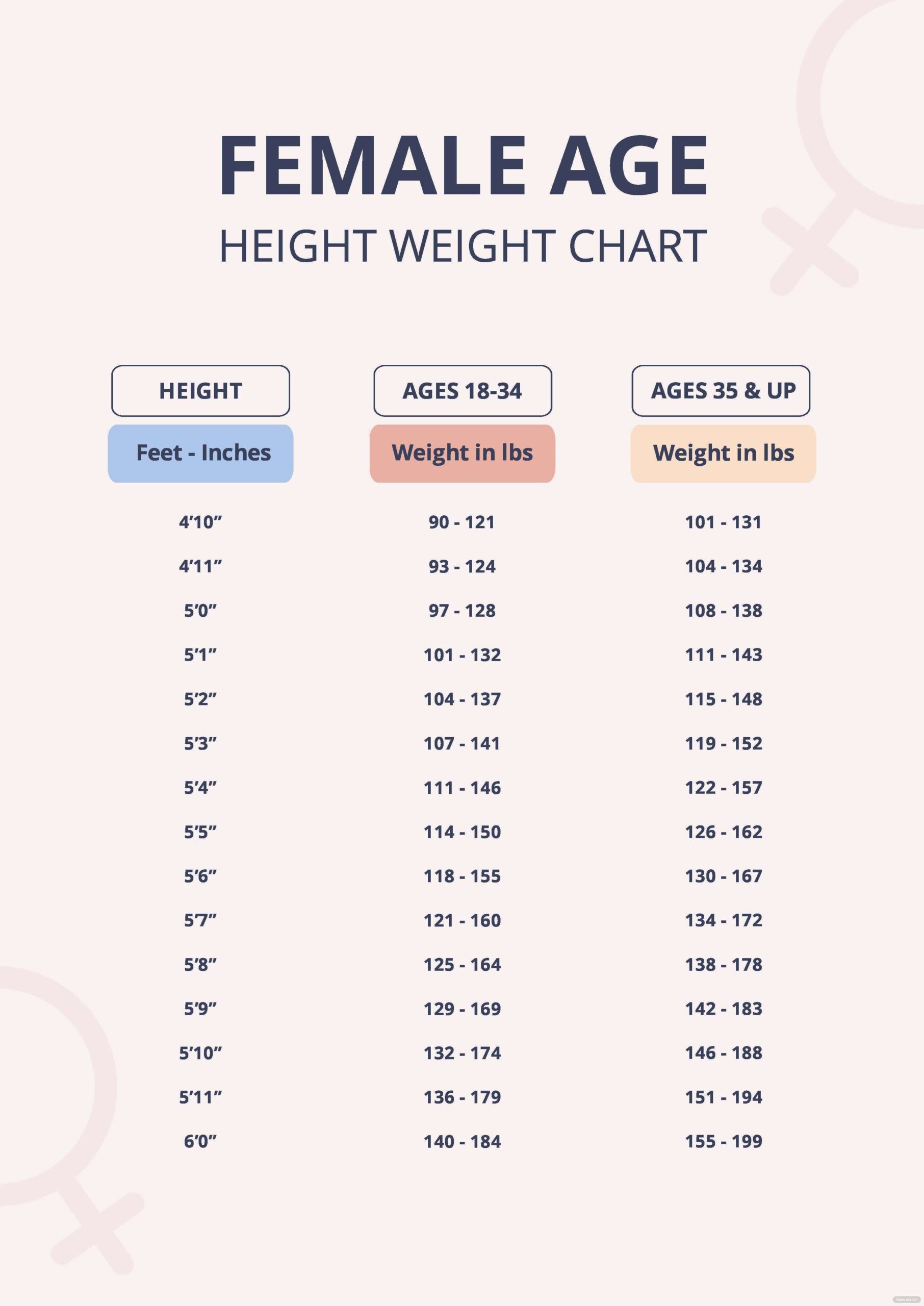
A Female Age And Weight Chart is a visual representation that outlines the expected weight ranges for females at various ages. This chart typically includes age ranges from infancy through adulthood and can be used for different purposes, such as monitoring growth patterns, assessing health, or planning nutritional needs.
When you download this chart, you’ll notice it typically has age categories on one axis and weight ranges on another. This layout allows for quick reference and easy tracking of weight changes over time. For instance, you may record your child’s weight at each pediatric visit and see how they align with the expected range for their age.
How to Use the Chart Effectively
Using the Female Age And Weight Chart is straightforward, but there are some effective strategies to ensure you get the most out of it:
- Download and Print: Make sure to download a high-quality PDF version to avoid any formatting issues when printing. A portrait layout generally fits best on standard letter-sized paper (8.5 x 11 inches).
- Record Regularly: Keep the chart handy in a place where you can easily update it. Regularly adding weight measurements, perhaps during monthly check-ins, helps you track growth accurately.
- Use Markers for Clarity: If you’re using a printed version, consider using colored markers to highlight significant changes. This visual cue can help quickly identify trends or concerns over time.
- Consult Healthcare Providers: If you notice your child’s weight is consistently above or below the recommended range, it’s wise to consult a healthcare provider. They can offer guidance tailored to your child’s specific health needs.
- Incorporate Other Health Metrics: Don’t rely solely on weight. Combine this chart with other tracking tools, such as height charts or BMI calculators, for a more comprehensive view of health.
What Information Is Included?
Typically, a Female Age And Weight Chart will include:
- Age Ranges: Divided into categories (e.g., 0-1 years, 2-5 years, etc.)
- Weight Ranges: Corresponding weight values that indicate the healthy weight range for each age category.
- Percentiles: Some charts include percentiles (e.g., 50th, 75th) to help you see where your measurements stand compared to national averages.
This information serves as a guide but remember, individual growth patterns can vary significantly, so flexibility is essential.
The Importance of Monitoring Growth
Monitoring growth through a Female Age And Weight Chart can be pivotal for several reasons:
- Identify Trends: Regular tracking helps you spot any significant weight gain or loss, which could indicate underlying health issues.
- Encourage Healthy Habits: By visualizing your family’s growth patterns, you can encourage balanced eating and regular physical activity.
- Facilitate Conversations with Healthcare Providers: Having a documented history of weight changes is beneficial during medical appointments, especially if you need to discuss growth concerns.
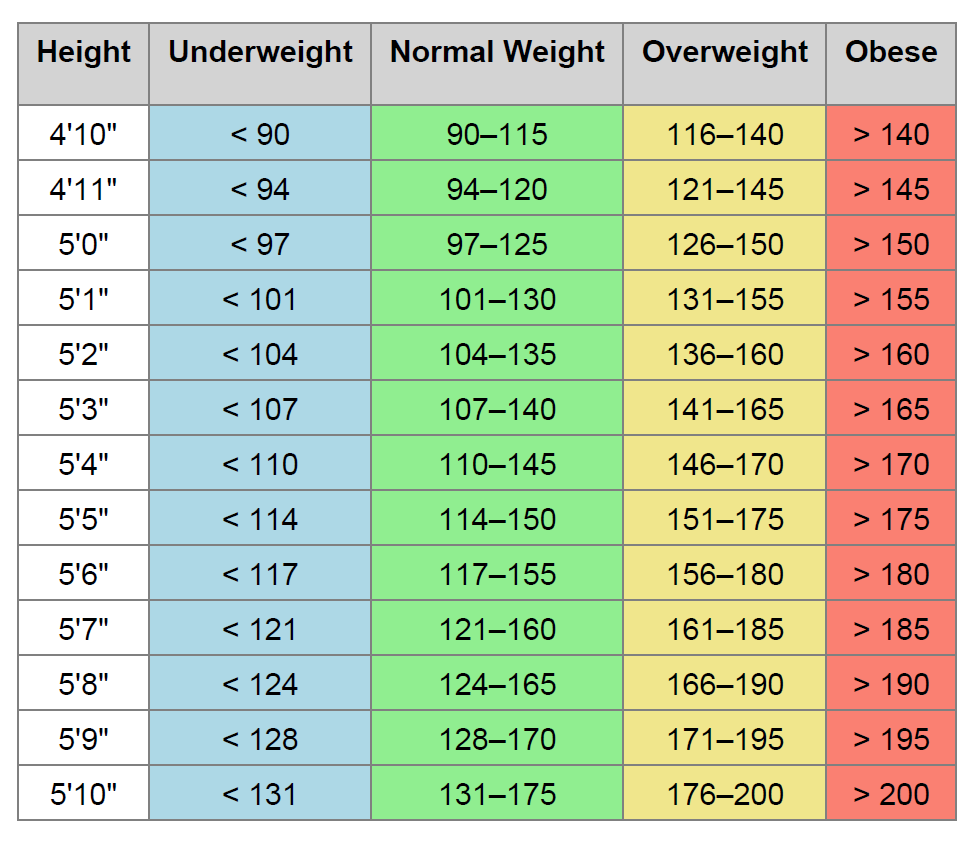
Presentation Quality Matters
When printing your Female Age And Weight Chart, pay attention to the quality of paper and print settings. Here are some tips:
- Use Cardstock for Durability: If you plan to reference the chart frequently, consider printing it on cardstock. It holds up better over time and can withstand rough handling, especially from younger children.
- Avoid Color Fading: If you’re using a color printer, choose high-quality ink to prevent fading, which can make the chart harder to read over time.
- Consider Lamination: For long-term use, laminating the chart allows you to mark with dry-erase markers and wipe clean after each use.
