Tracking our health can sometimes feel overwhelming, especially when it comes to understanding weight. The Average Weight For Women Chart provides a clear and straightforward way to monitor your weight in relation to height and age. This chart is a practical tool for parents looking to foster a healthy lifestyle for their families. Knowing the average weight can help you set realistic goals and benchmarks for yourself and your loved ones.
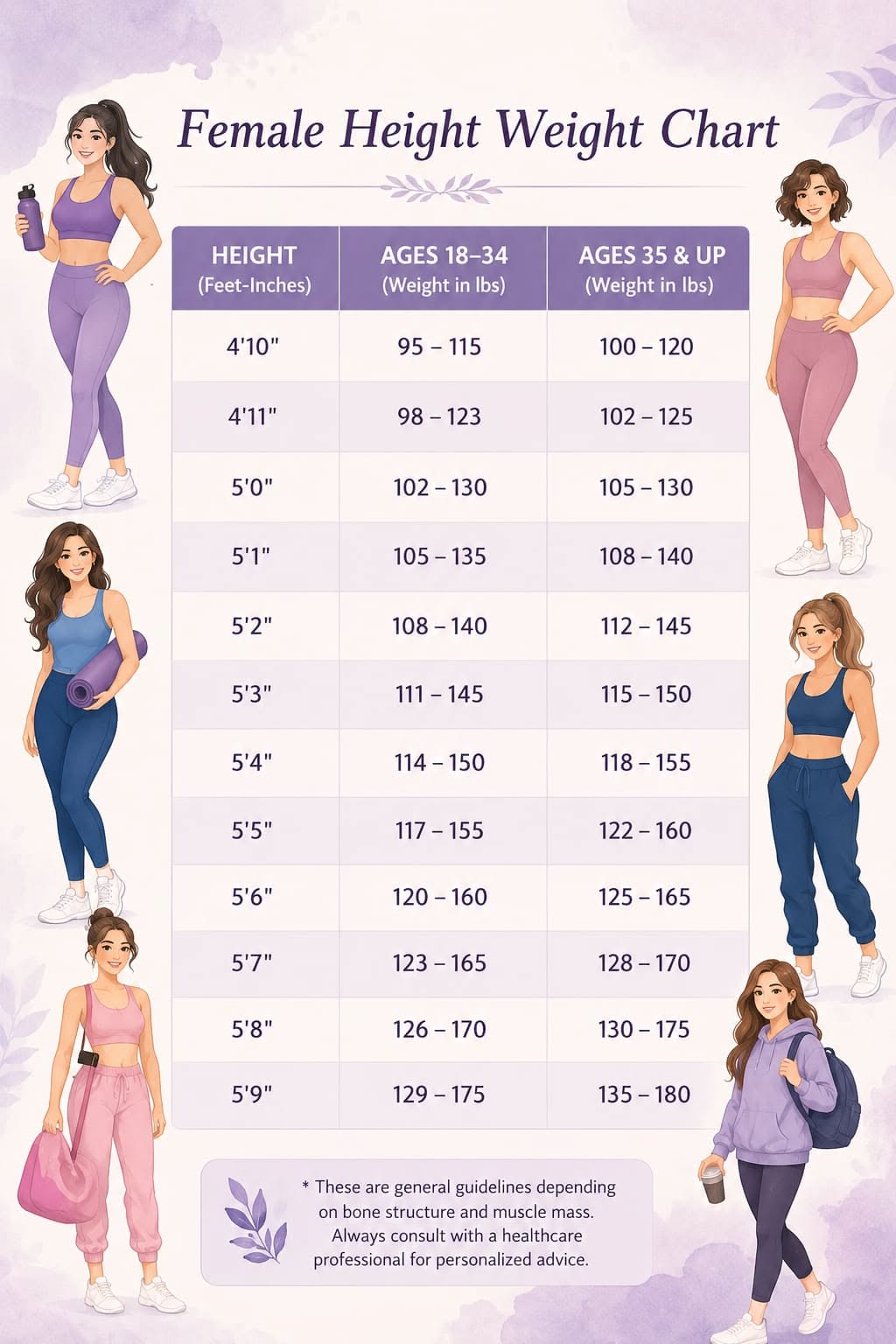
Understanding the Average Weight For Women Chart
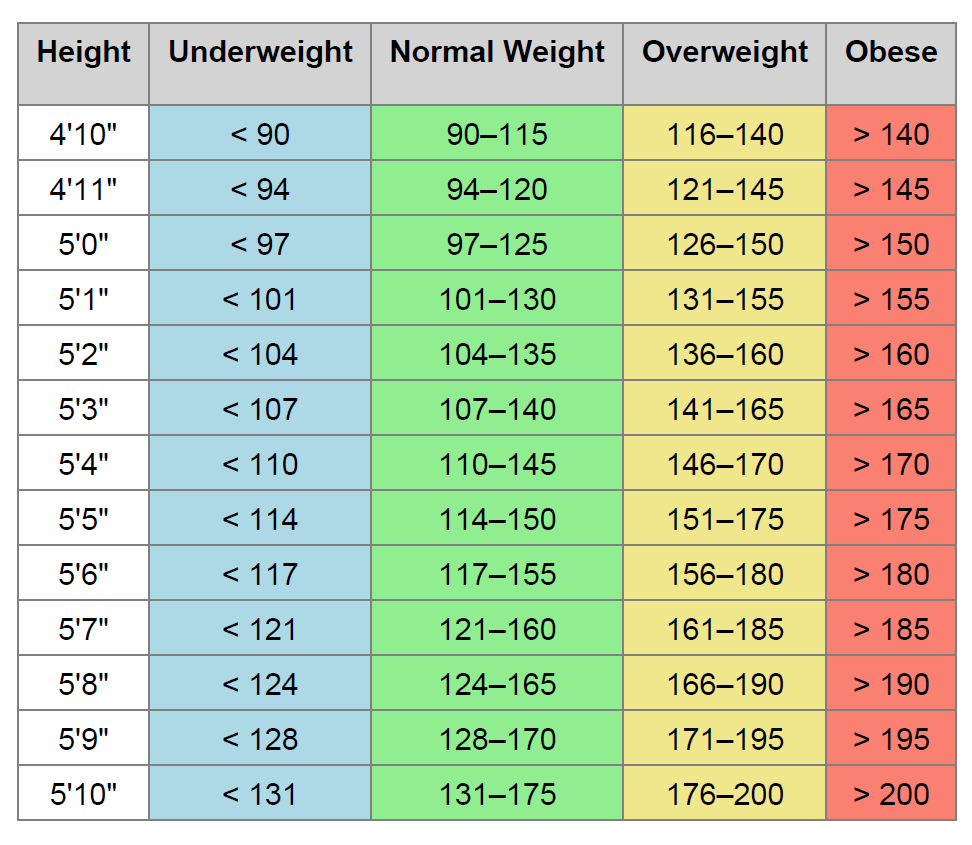
At its core, the Average Weight For Women Chart is designed to give you a quick reference for what a healthy weight range might be based on height. These charts typically list different heights alongside corresponding weight ranges. For instance, a woman who is 5’5″ may have an average weight range of 125 to 160 pounds. This information can be particularly useful for parents wanting to keep track of their daughters’ growth or for women seeking to maintain a healthy weight.
When using the chart, it’s essential to keep in mind that these numbers are general guidelines. Factors such as muscle mass, bone density, and individual health can significantly affect weight. So, while the chart can be a helpful tool, it shouldn’t be the only measure of health.
How to Use the Average Weight For Women Chart
Using the Average Weight For Women Chart is straightforward. Here’s how you can make the most of it:
- Locate Your Height: Start by finding your height on the left side of the chart.
- Read Across: Once you find your height, read across to see the average weight range listed next to it.
- Consider Your Goals: Think about where you fall within that range. Are you at a healthy weight, or do you need to make some adjustments?
- Track Your Progress: You can print the chart and mark your current weight next to your height. This visual aid can help you keep track of any changes over time.
Make sure to keep this chart accessible. You might want to hang it on your fridge or keep it in your planner. This way, you can easily refer to it as you track your health journey.
Benefits of Keeping a Weight Chart
Having a weight chart offers several benefits:
- Visual Progress: A chart allows you to see your progress over time visually, which can be motivating.
- Set Realistic Goals: By understanding where you stand within the average weight range, you can set achievable goals.
- Health Awareness: Regularly checking your weight against the chart can promote a greater awareness of your health and encourage healthy habits.
When I first started using a weight chart, I found that it helped me be more mindful of my eating and exercise habits. I began to see patterns that I hadn’t noticed before, like how stress influenced my weight. This awareness was key in helping me make positive changes.
Adjusting Expectations Based on Individual Needs
It’s crucial to remember that the Average Weight For Women Chart provides general averages, but every body is different. Factors like genetics, lifestyle, and personal health conditions can all impact what a healthy weight looks like for you.
For instance, athletes may weigh more due to increased muscle mass, while others may weigh less due to different body compositions. If you or your daughter are particularly active in sports, it’s worth considering how that might affect weight.
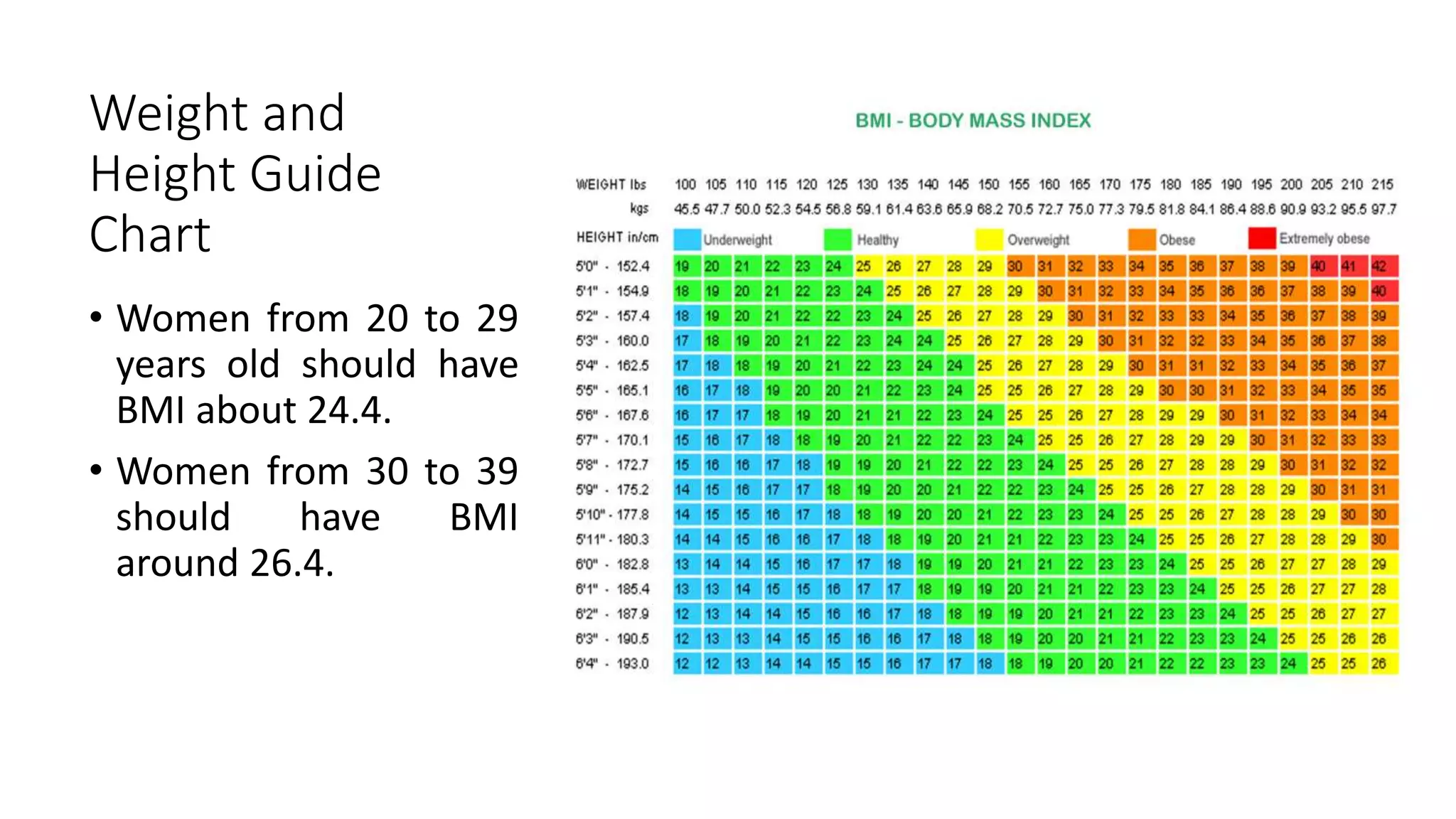
Taking Action Based on Your Findings
Once you’ve assessed where you stand using the Average Weight For Women Chart, you might want to take action based on your findings:
- Healthy Eating: If you find that you’re outside the average range, consider evaluating your eating habits. Meal planning and preparing healthy snacks can be a great way to start.
- Physical Activity: Incorporate regular exercise into your routine. This could be family walks, dance classes, or any activity that gets you moving.
- Consult a Professional: If you have concerns about weight, it’s always a good idea to consult a healthcare professional. They can provide personalized advice based on your specific situation.
Tracking weight can sometimes feel daunting, but it can also empower you to make informed decisions about your health.
