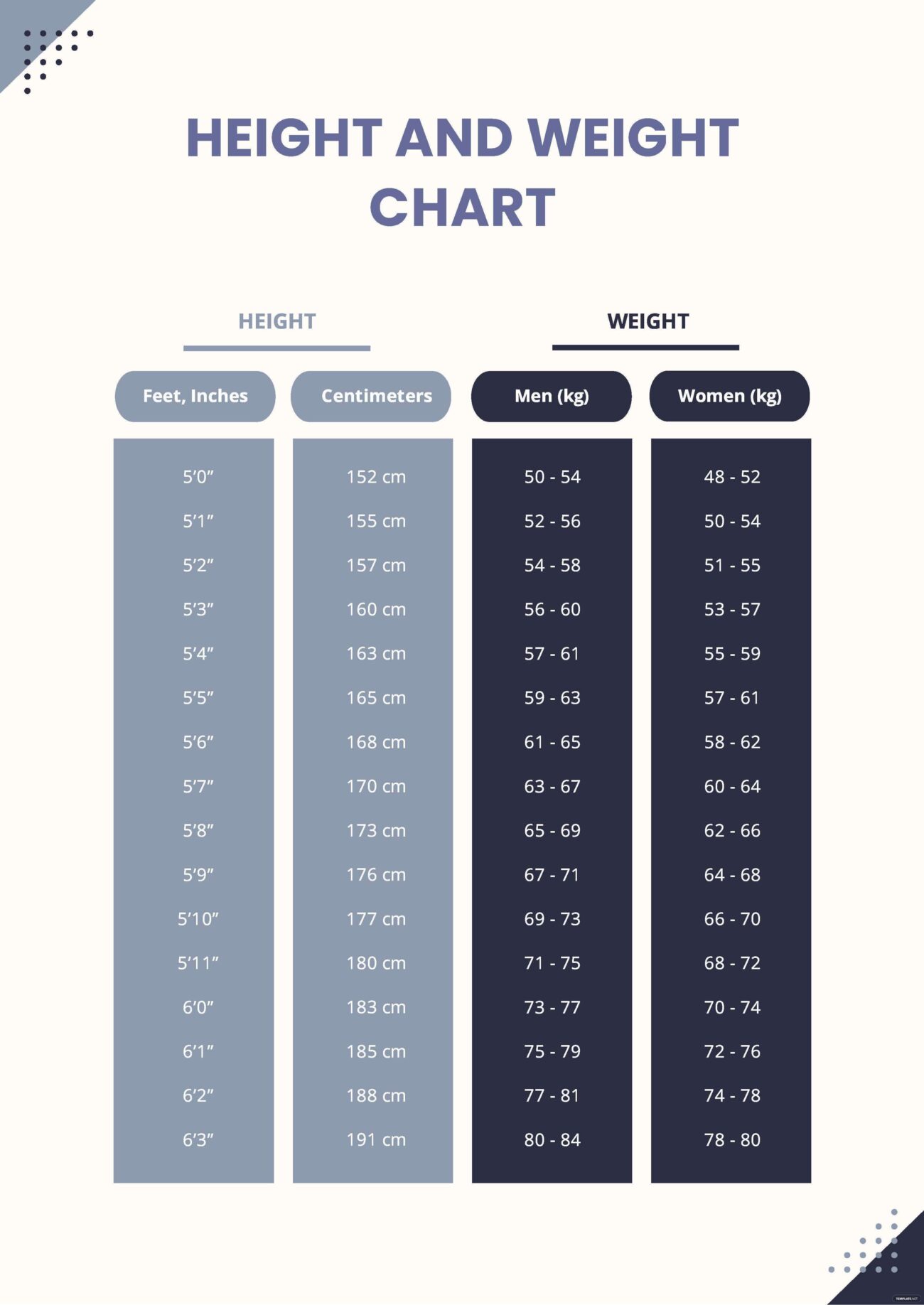
Understanding the Average Weight By Height Chart can be a game-changer for parents trying to navigate their children’s growth and health. This chart provides clear guidelines on the expected weight range for various heights, making it easier to assess whether your child is on track as they grow.
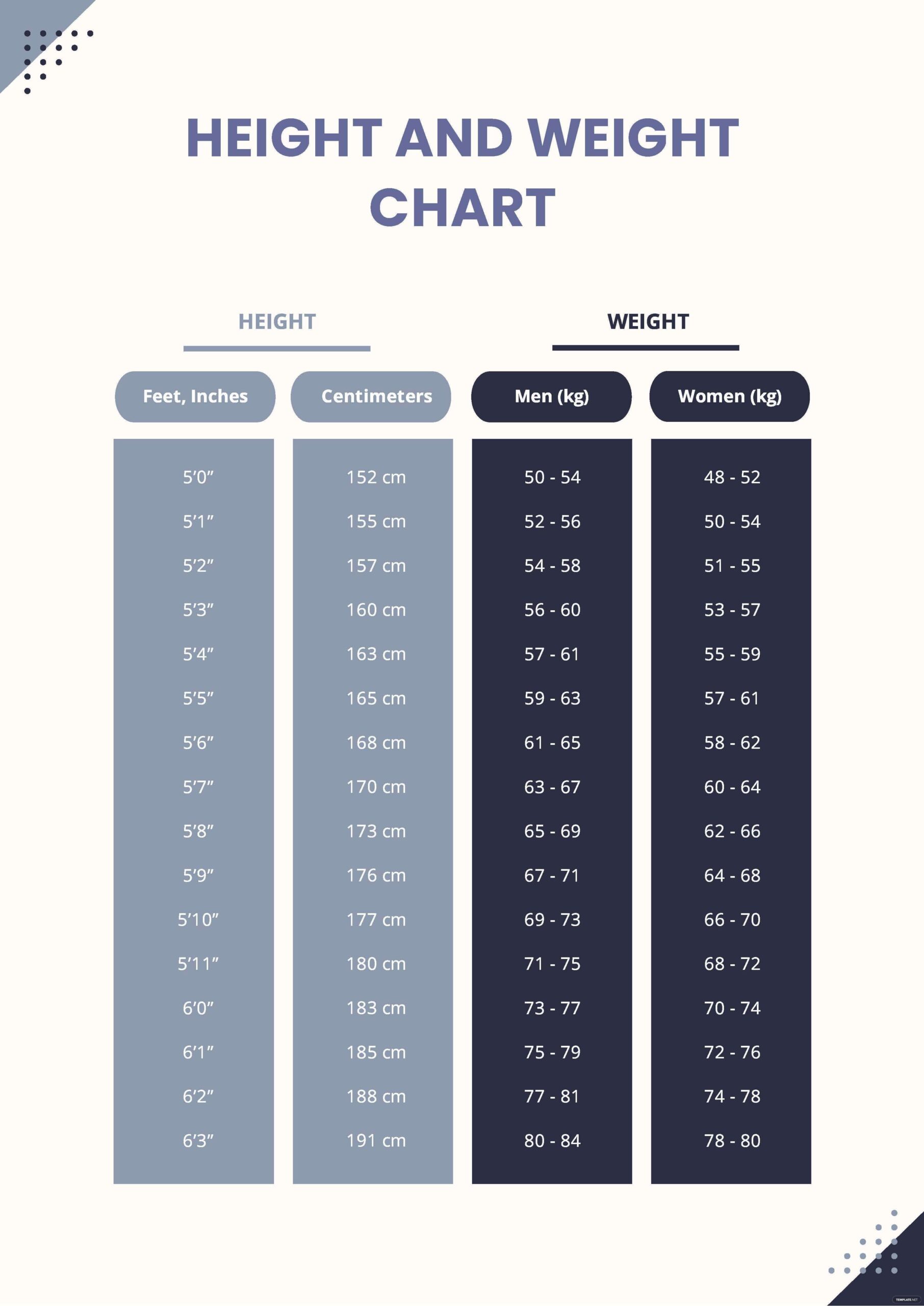
What is the Average Weight By Height Chart?
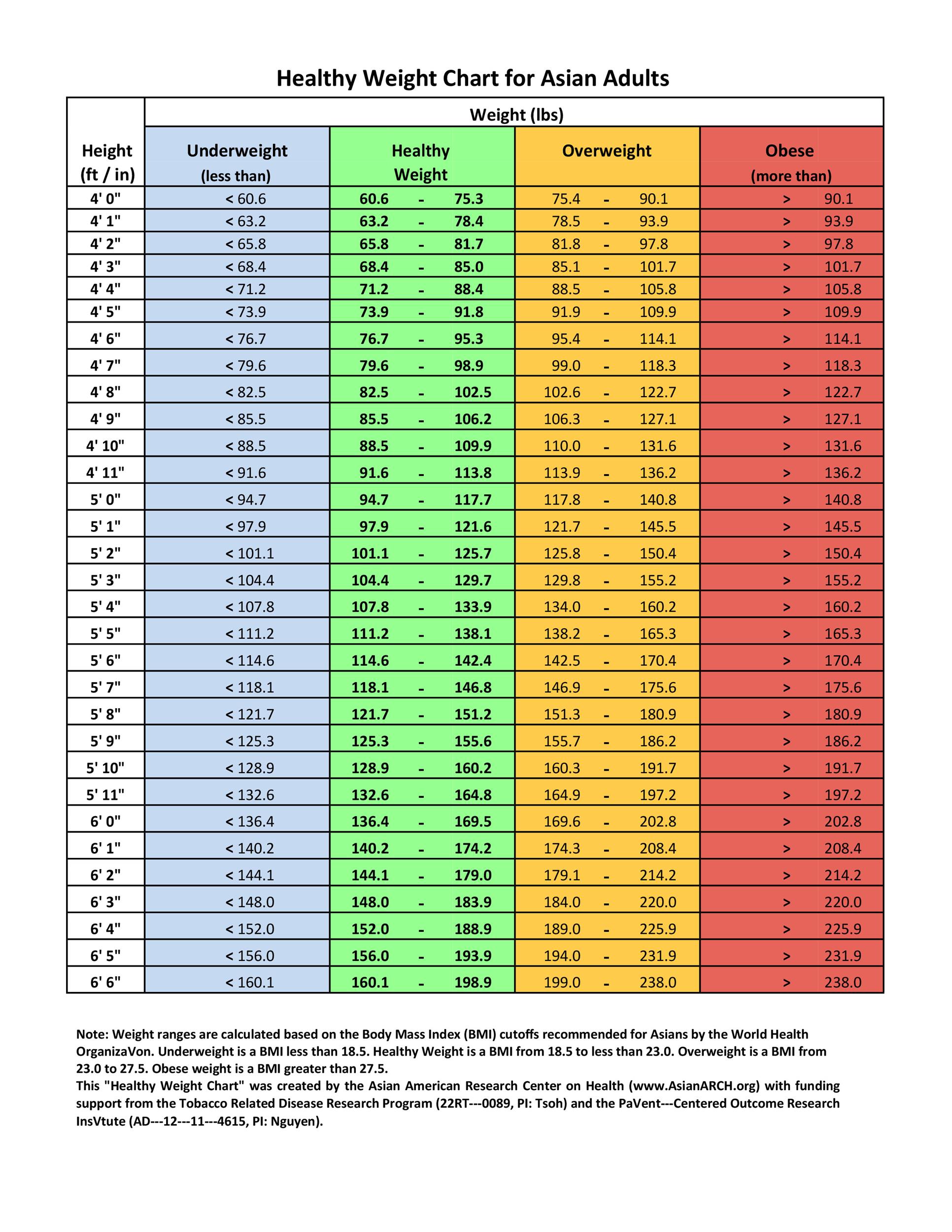
The Average Weight By Height Chart is a visual representation that helps you compare height and weight in a straightforward manner. It typically displays height on one axis and weight on the other, allowing you to see where your child falls in relation to standard weight ranges. This tool is particularly useful for parents and caregivers who want to monitor their child’s growth patterns over time.
The chart is usually formatted in an easy-to-read table, where you can quickly locate your child’s height and see the corresponding average weight. For instance, if your child is 4 feet tall, you can find the average weight range for that height, which typically lies between 40 to 60 pounds.
How to Read the Average Weight By Height Chart
Reading the Average Weight By Height Chart is quite simple once you understand the layout. Here’s how you can effectively use it:
- Locate Height: Find your child’s height on the vertical axis of the chart.
- Find Weight Range: Move horizontally to see the corresponding weight range. The chart usually indicates a healthy weight range, underweight, and overweight classifications.
- Use Percentiles: Some charts also include percentile lines, helping you see how your child’s weight compares to others. For example, if your child is in the 75th percentile, they weigh more than 75% of children at the same height.
This practical approach not only makes the chart user-friendly but also allows you to track growth trends over time, making it an essential tool for pediatric visits.
Benefits of Using an Average Weight By Height Chart
Using the Average Weight By Height Chart can provide several benefits:
- Growth Monitoring: It helps in tracking your child’s growth and development, ensuring they are growing within a healthy range.
- Health Awareness: Being aware of the average weight can alert you to any potential health concerns. If your child is consistently outside the average range, it may be worth discussing with a healthcare professional.
- Informed Decisions: The chart can assist in making informed decisions about nutrition and physical activity based on where your child stands in relation to their peers.
Where to Find Printable Versions of the Average Weight By Height Chart
There are several resources available online where you can find printable versions of the Average Weight By Height Chart. Websites dedicated to health and wellness often provide downloadable PDFs that you can print at home. When searching, look for charts that are easy to read and up-to-date with the latest health guidelines.
Here are a few tips for printing:
- Paper Size: Use standard letter-sized paper (8.5” x 11”) for easy printing.
- Color vs. Black & White: If you plan to laminate the chart for durability, color printing can make the data more visually appealing. However, black and white can save ink and still be effective.
- Portrait Layout: A portrait layout usually works best for home printers, making it simple to display on a wall or bulletin board.
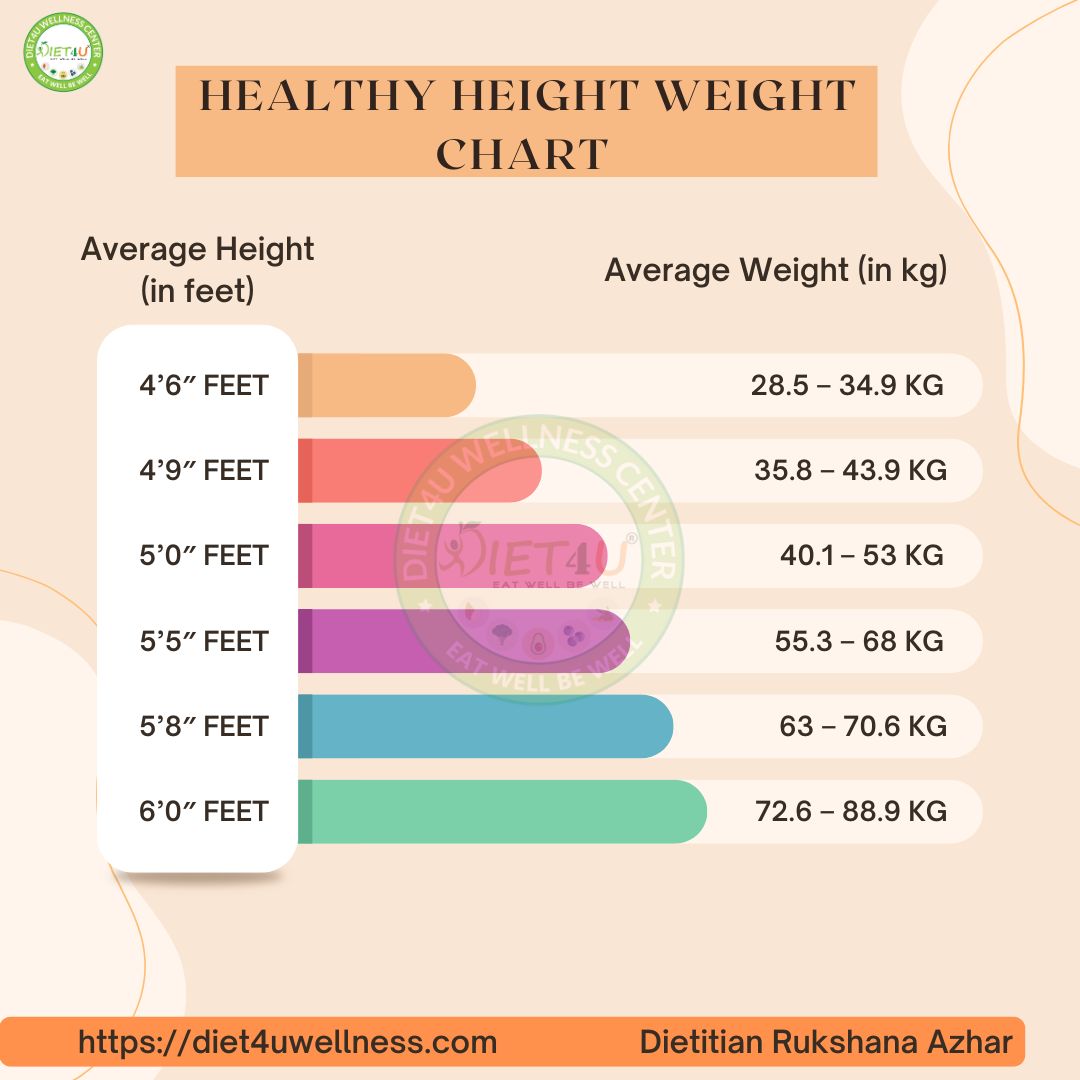
Common Mistakes to Avoid When Using the Average Weight By Height Chart
While the Average Weight By Height Chart is a useful tool, there are common pitfalls to watch out for:
- Ignoring Growth Patterns: Children grow at different rates, and it’s normal for growth to vary. A single measurement may not tell the whole story.
- Focusing Solely on the Chart: Use the chart as a guideline rather than an absolute rule. Other factors, such as muscle mass and body composition, also play a crucial role in health.
- Neglecting Regular Check-ups: It’s essential to have regular pediatric check-ups to discuss growth and any concerns you might have. Healthcare professionals can provide more personalized insights beyond what the chart displays.
By keeping these points in mind, you can better utilize the Average Weight By Height Chart to support your child’s health journey.
