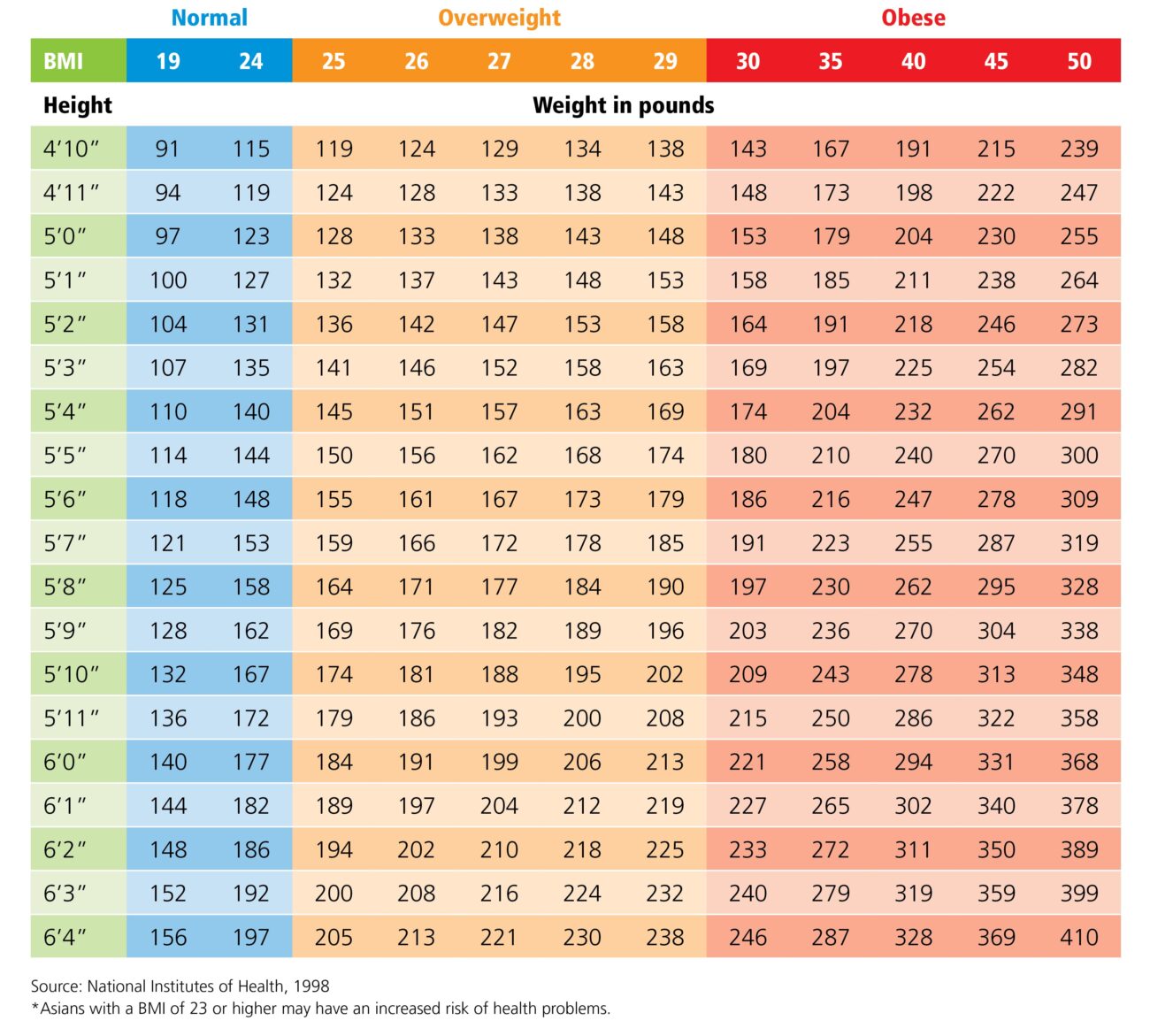
Understanding how growth patterns change over time is essential for monitoring health, especially for young males. An Age Height And Weight Chart For Males serves as an invaluable tool for parents, guardians, and health professionals to keep track of growth metrics. This chart visually represents the expected height and weight ranges across different ages, making it easier to assess whether an individual is growing at a healthy rate.
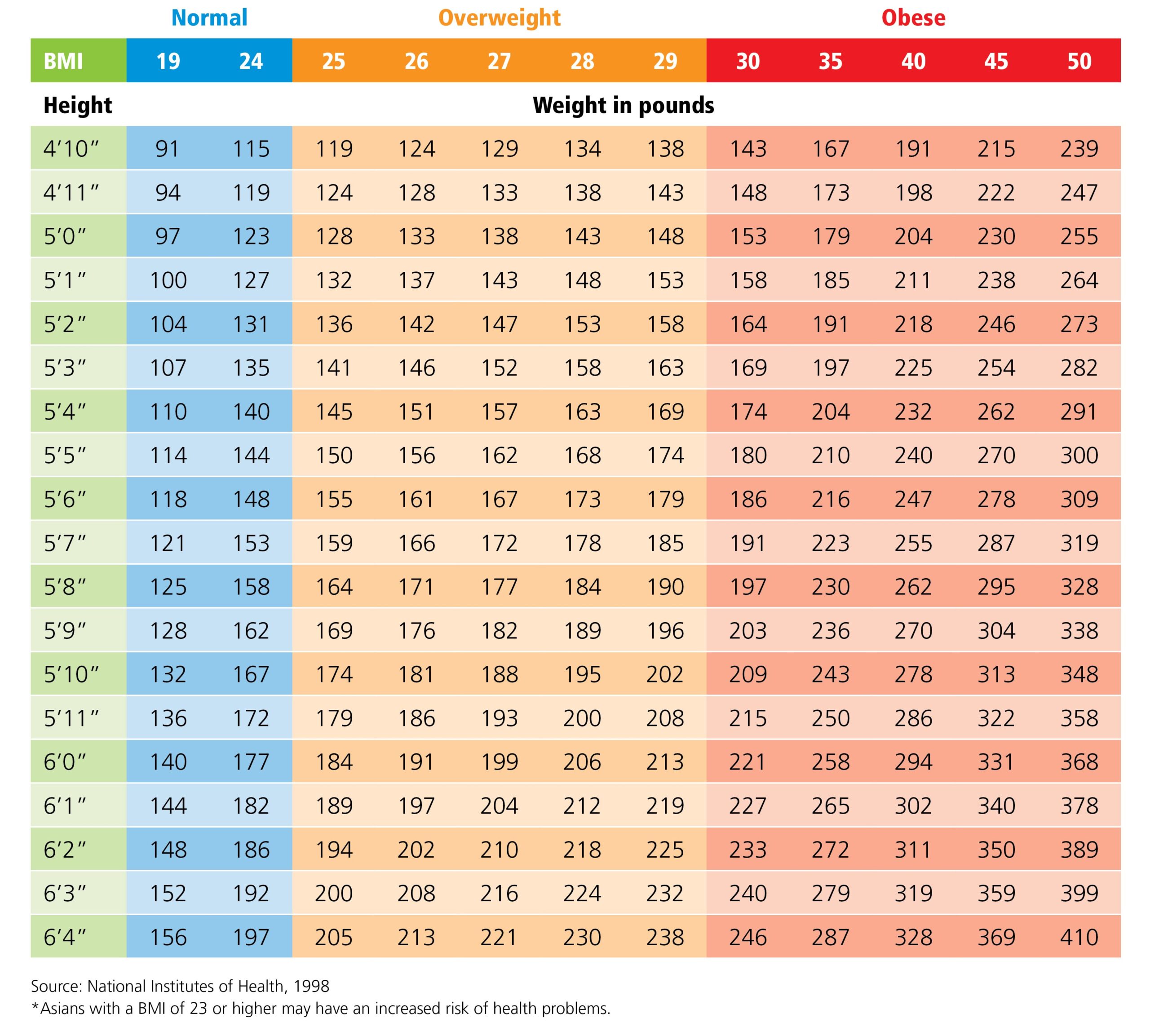
What is an Age Height and Weight Chart?
An Age Height and Weight Chart is a reference tool that provides average height and weight measurements for males at various ages. These charts are often used in pediatric healthcare settings to track children’s growth and development, ensuring they are within healthy parameters. By comparing a child’s measurements against the chart, you can easily see if they fall within the average ranges or if there might be a need for further evaluation.
How to Read the Chart
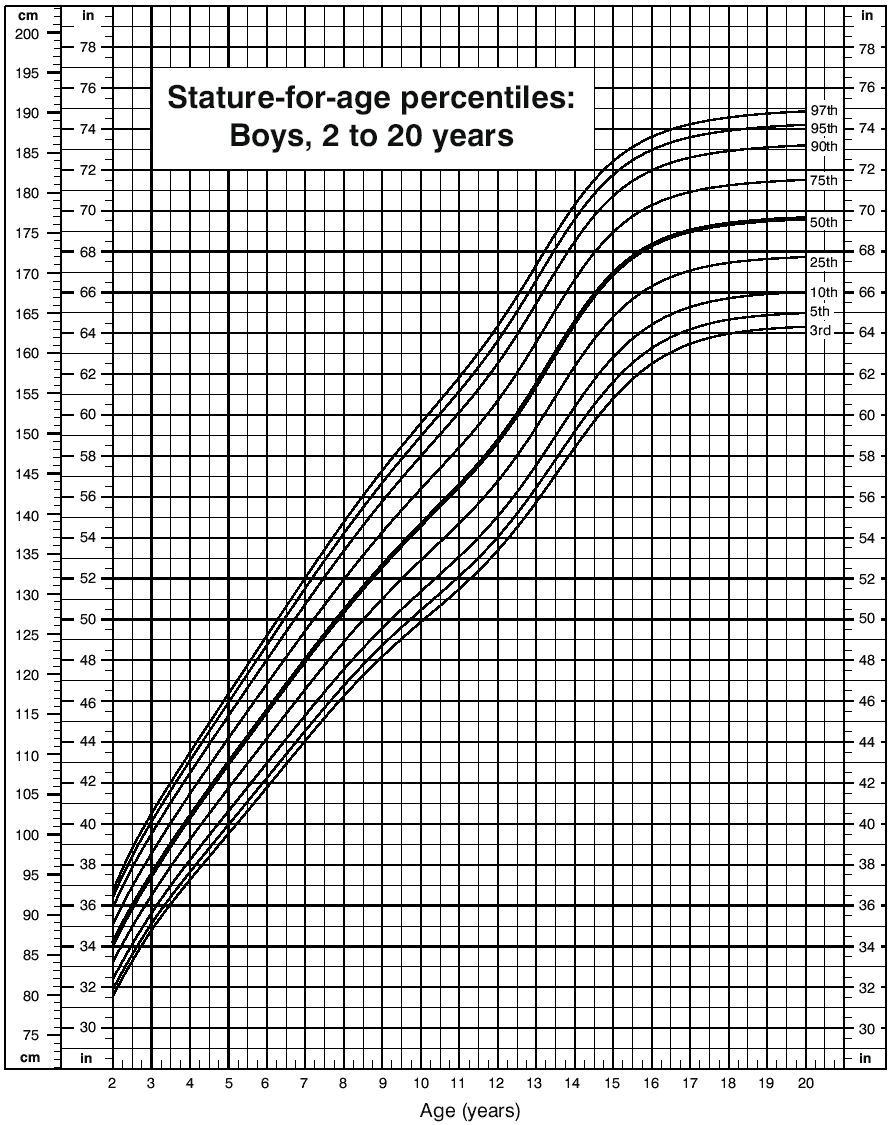
Reading an Age Height and Weight Chart is straightforward. The chart typically has age listed along one axis (often the horizontal axis) and height/weight along the other (the vertical axis). You would:
- Locate the Age: Identify the age of the individual in question on the horizontal axis.
- Find the Corresponding Height and Weight: Move vertically up from that age to find the corresponding height and weight ranges that are considered average for that age.
- Evaluate Growth: Compare these figures with the individual’s actual height and weight to determine if they are within the normal growth ranges.
Where to Use the Chart
These charts can be used in various settings:
- Home: Parents can print out the chart and use it to track their children’s growth over time. It’s a helpful way to ensure that they are growing properly and to schedule appointments with a pediatrician if there are concerns.
- School: Teachers or school nurses can use these charts during health screenings to assess students’ growth and development.
- Healthcare: Pediatricians and health professionals commonly use these charts during regular check-ups to monitor growth trends and make recommendations if a child’s growth appears to be outside the normal range.
Benefits of Using an Age Height and Weight Chart
Using an Age Height and Weight Chart provides several benefits:
- Tracking Growth: It allows for easy tracking of a child’s growth patterns over time, helping to identify trends or deviations from the norm.
- Setting Goals: For individuals looking to achieve specific health goals, these charts can serve as benchmarks for weight and height targets.
- Health Monitoring: Regularly checking a child’s growth against the chart can help detect potential health issues early, such as growth delays or obesity.
Common Mistakes When Using the Chart
While using an Age Height and Weight Chart can be straightforward, there are common pitfalls to avoid:
- Ignoring Percentiles: Charts often show percentiles (like the 50th percentile for average). It’s essential to understand that being on the lower or higher end of the spectrum is not inherently bad; context matters, including family history and individual health.
- Not Updating Regularly: Growth can fluctuate over time. Regularly updating measurements and checking against the chart is crucial for accurate tracking.
- Comparing to Peers: Each child grows at their own pace. It’s essential not to compare one child’s growth directly with another’s, as this can lead to unnecessary concern.
Printable Resources for the Age Height and Weight Chart
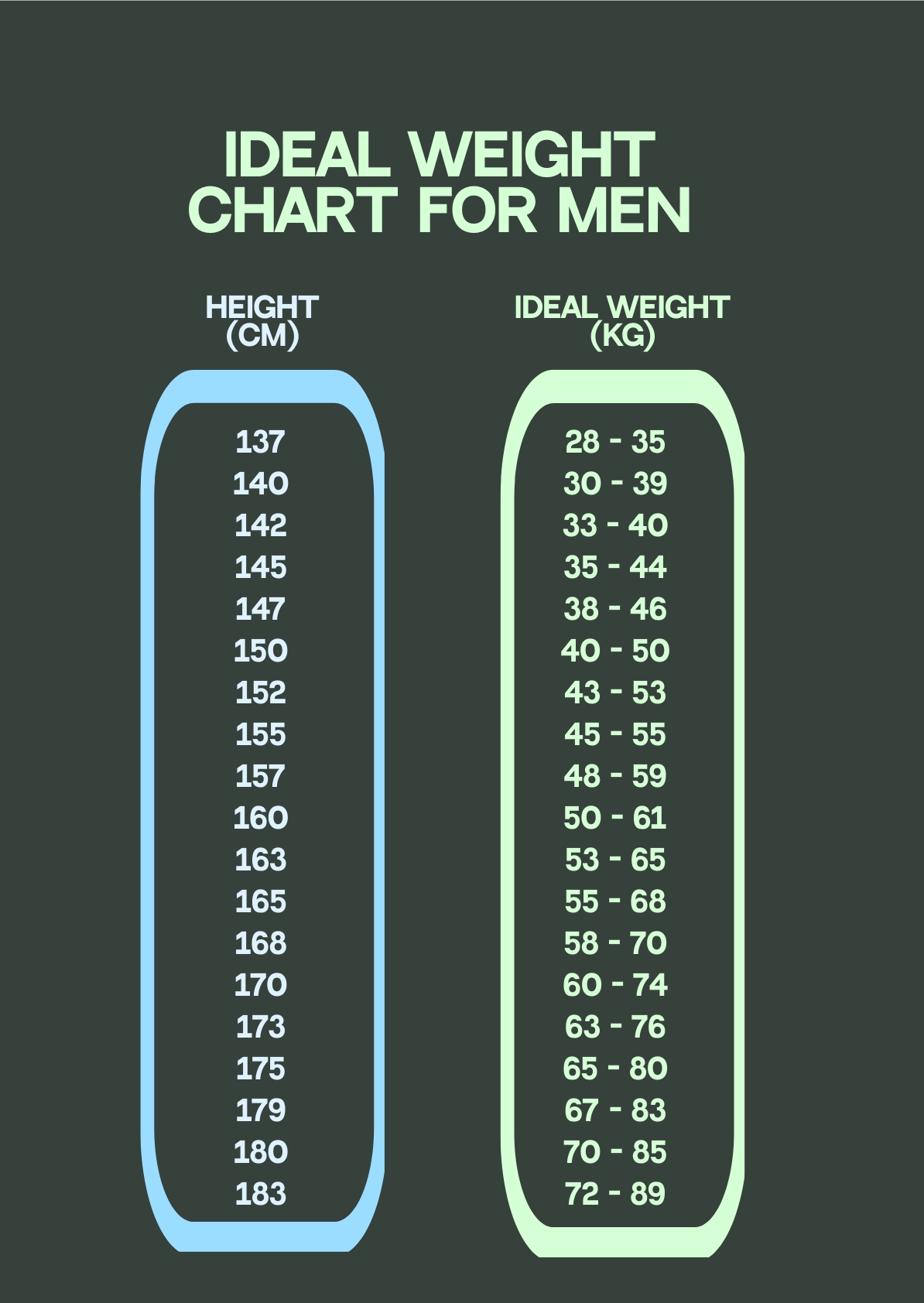
To utilize an Age Height and Weight Chart effectively, having a printable version can be beneficial. Many websites offer downloadable PDF formats, making it easy to print and keep on hand. Here are some tips on how to choose and use a printable chart:
- Select the Right Format: Look for a PDF version, as this format typically preserves the layout and minimizes reformatting issues when printing.
- Check for Updates: Ensure that the chart you are downloading is current. Growth standards can change, so it’s important to refer to the latest guidelines.
- Print Quality: When printing, use high-quality paper to ensure durability. Cardstock is often a good choice if you plan to laminate the chart for long-term use.
By following these guidelines, you can confidently use an Age Height and Weight Chart For Males to monitor health and growth. This resource not only helps track progress but also fosters discussions about health and nutrition in your home. Keep it handy and refer to it regularly for the best results.
