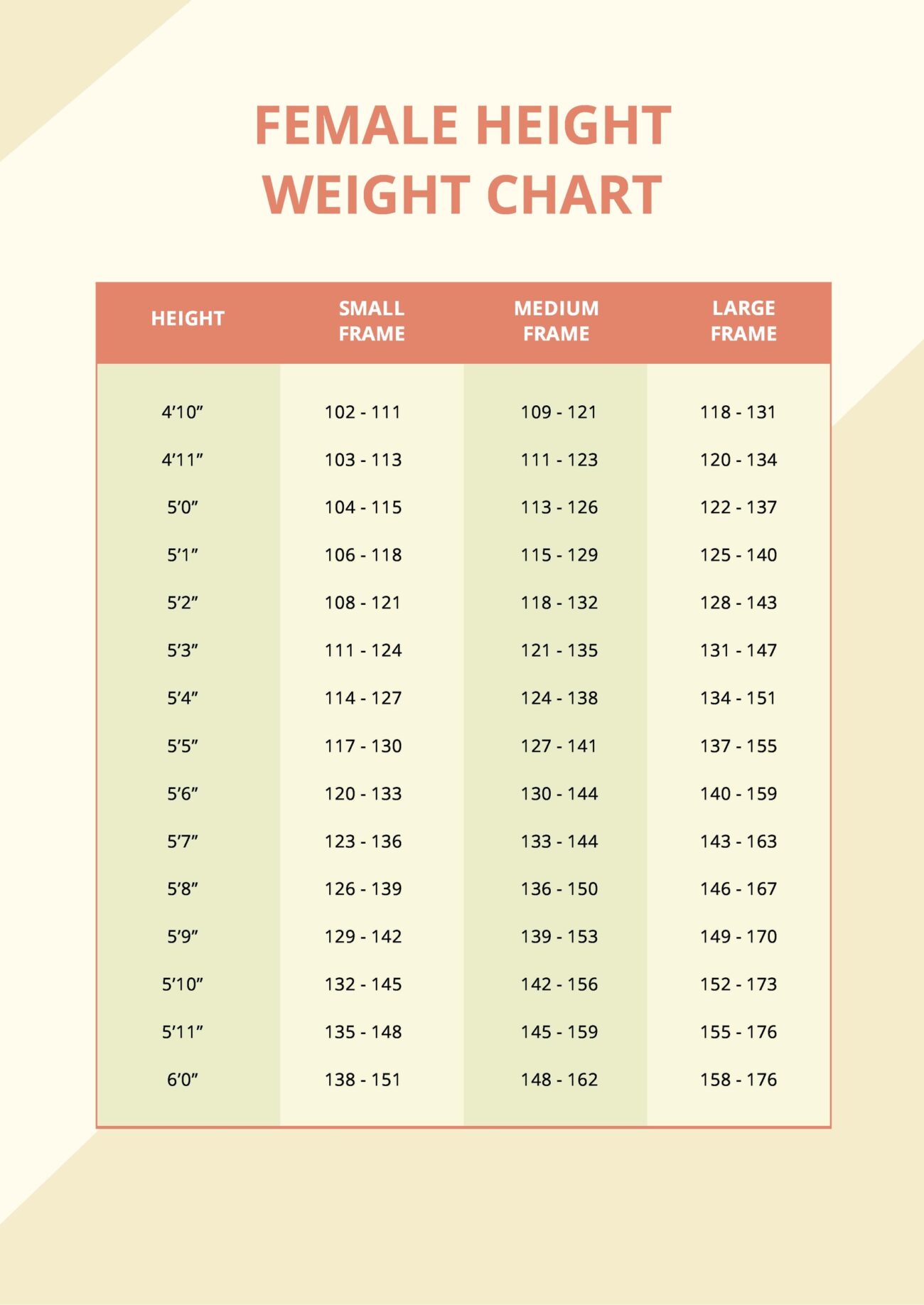
Understanding a Women’s Weight Height Chart is essential for parents and caregivers who want to track growth and health accurately. This chart provides a visual representation of weight relative to height, helping you identify if your loved ones are within a healthy range. If you are monitoring your daughter’s development or simply curious about average measurements, having this resource at your fingertips is invaluable.
What is a Women’s Weight Height Chart?
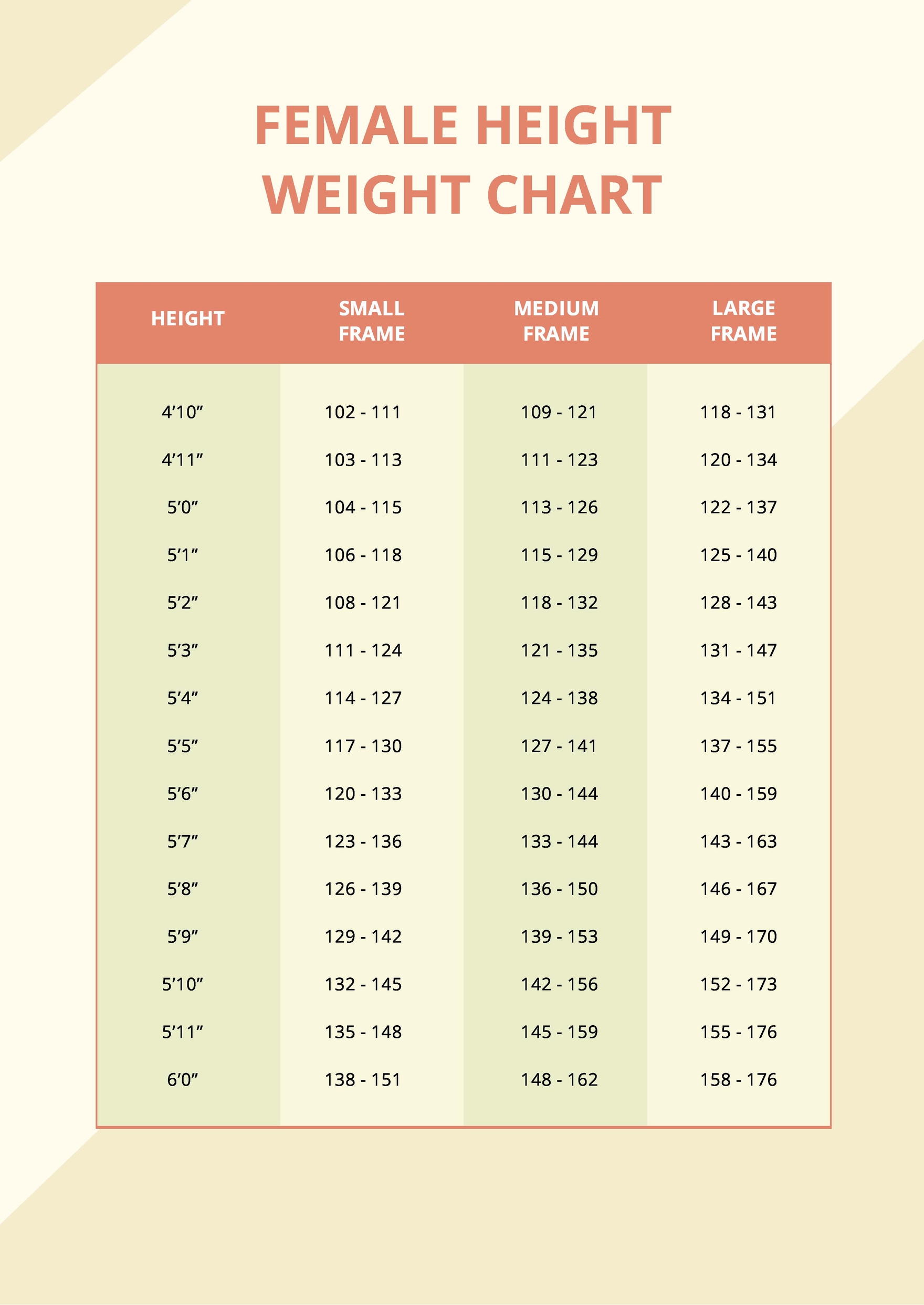
A Women’s Weight Height Chart is a graphical representation that displays the relationship between a woman’s height and her ideal weight. It typically includes a range of heights on one side and corresponding weight ranges on the other. This chart is particularly useful for parents, teachers, and healthcare professionals to assess whether an individual is within a healthy weight range for her height.
Using this chart can help you make informed decisions about diet, exercise, and overall health. It serves as a useful tool for tracking changes over time, If you are helping a child grow or monitoring your own health.
How to Read the Chart
Reading a Women’s Weight Height Chart is straightforward. Here are the steps to effectively use the chart:
- Locate Height: Find the height of the person on the left side of the chart. Heights are usually listed in inches or centimeters.
- Find Weight Range: Move horizontally across to see the corresponding weight range. This range indicates what is considered healthy for that height.
- Assess Health: If the individual’s weight falls within this range, it is generally considered healthy. Weights above or below this range may indicate underweight or overweight status, respectively.
- Track Changes: As children grow, it’s beneficial to revisit the chart regularly. Marking changes can help you see trends in growth and development.
Common Mistakes to Avoid
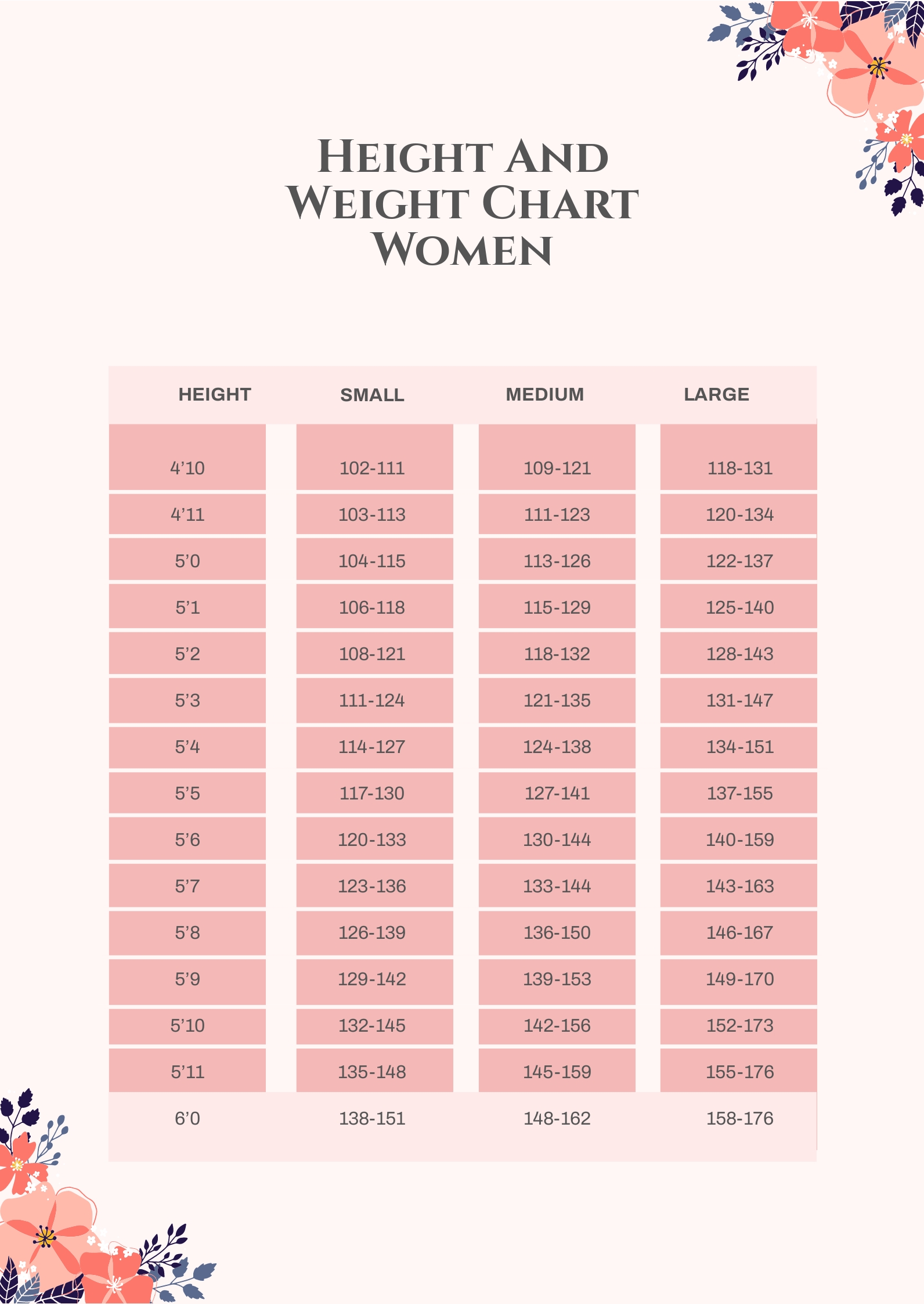
While using the Women’s Weight Height Chart, here are some common pitfalls you should be aware of:
- Ignoring Age: Remember, the chart is a general guideline. Factors such as age and muscle mass can influence weight, so consider those when assessing health.
- Focusing Solely on Numbers: While it’s crucial to stay within the healthy range, overall wellness includes mental health, activity levels, and nutrition.
- Using Inaccurate Measurements: Ensure that height and weight are measured accurately. Using a reliable scale and measuring height against a wall can provide the best results.
Who Can Benefit From the Women’s Weight Height Chart?
The Women’s Weight Height Chart can be beneficial for a wide range of individuals:
- Parents: As a parent, keeping track of your daughter’s growth can be essential for ensuring she is developing healthily. This chart can help you identify any potential concerns early.
- Teachers: Educators can use this chart to monitor student health in physical education programs or wellness checks.
- Healthcare Professionals: Doctors and nutritionists often reference this chart during consultations to provide guidance on weight management and nutritional advice.
Where to Use This Chart
Integrating the Women’s Weight Height Chart into your routine can be done in several ways:
- Home: Print out the chart and hang it in your child’s room or the kitchen as a reminder. This can serve as a conversation starter about health and wellness.
- Schools: Incorporate the chart into health education classes. It can help students understand body composition and the importance of maintaining a healthy lifestyle.
- Doctor’s Offices: Healthcare providers can use this chart during check-ups to assess growth patterns and offer tailored advice.
Downloadable Resource Options
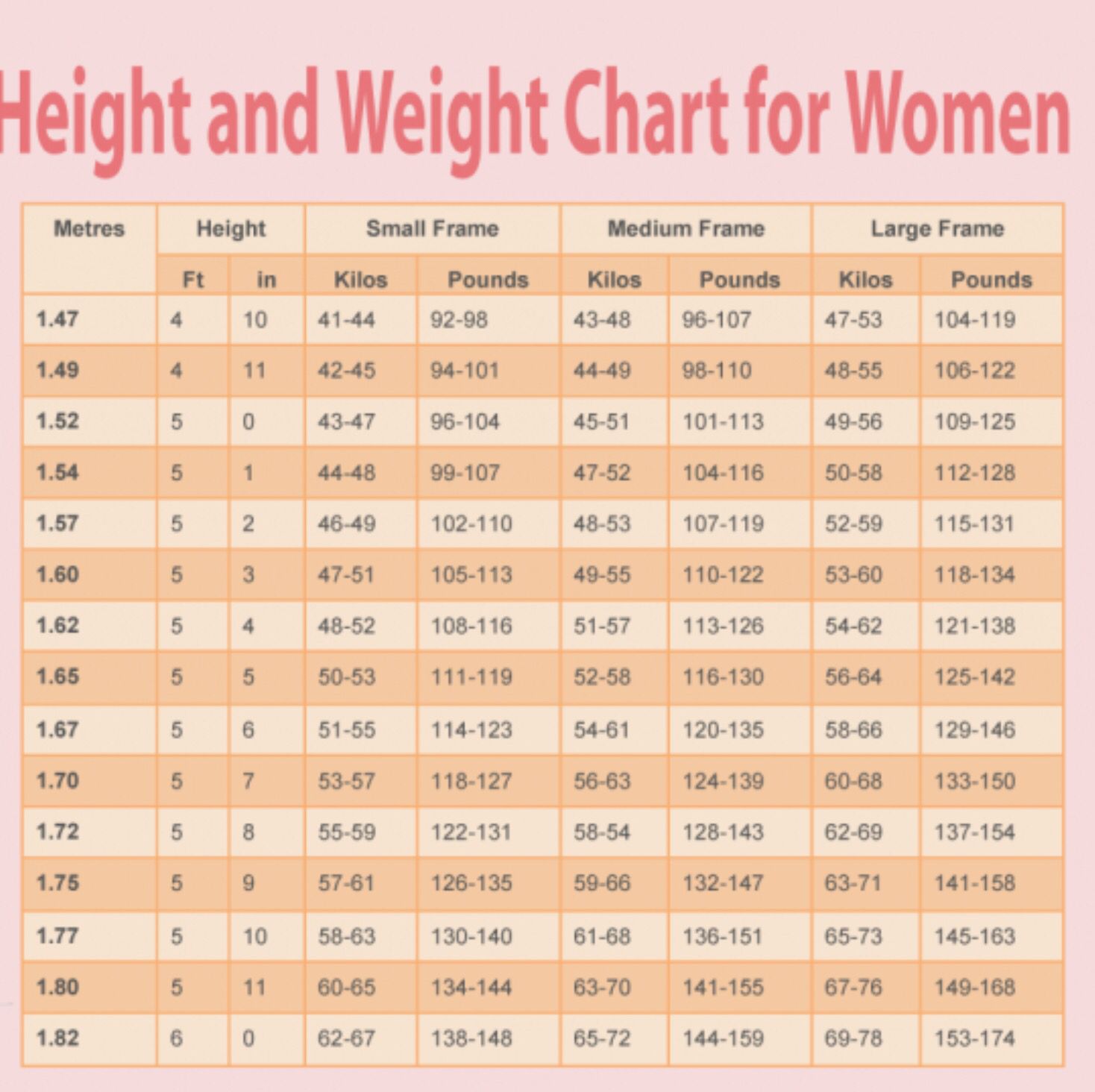
Having a printable Women’s Weight Height Chart is incredibly useful, especially when you want to track changes over time. Many online resources offer free downloadable versions. When looking for a chart, consider the following:
- Format: Ensure the chart is in PDF format for easy printing. This format maintains the layout, so you won’t have to worry about resizing issues when printing.
- Size: Standard paper sizes like A4 or letter size are usually best for home printing. They fit easily into binders or can be taped to walls.
- Color Options: Some charts come in color, which can be more engaging for children. Bright colors can make tracking growth more fun!
By taking advantage of these downloadable resources, you can print out the chart and keep it handy for regular use.
