Tracking your weight loss journey can be an essential part of achieving your health goals. A well-structured 10 Body Weight Loss Chart can help you organize your progress, set realistic targets, and stay motivated. This printable resource is perfect for parents who want to keep track of their weight loss efforts while balancing their busy lives.
What is a Body Weight Loss Chart?
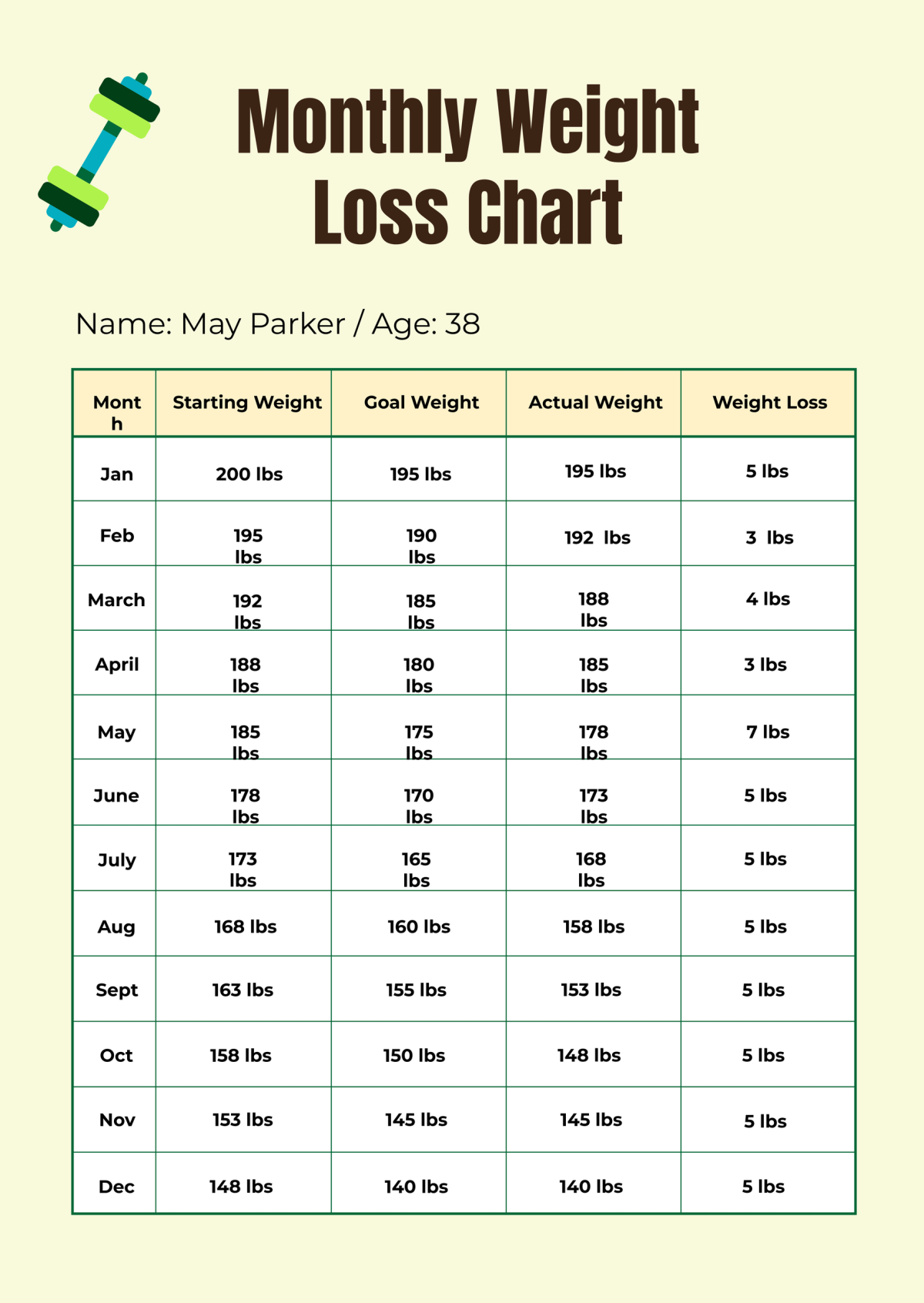
A Body Weight Loss Chart is a visual tool that allows you to monitor your weight loss over time. It typically includes sections for recording your starting weight, current weight, and target weight, along with dates to help you visualize your journey. This chart can be a simple table or a more elaborate design, depending on your preference.
When using a Body Weight Loss Chart, you can easily see your progress over weeks or months, which can be incredibly motivating. It helps you identify patterns in your weight changes and assess whether you’re on track to meet your goals.
How to Use the 10 Body Weight Loss Chart
Using the 10 Body Weight Loss Chart is straightforward. Here’s a step-by-step guide on how to fill it out:
- Download and Print: Start by downloading the chart from a reliable source. Print it out on standard 8.5″ x 11″ paper for easy handling. If you plan to use it regularly, consider printing it on cardstock for durability.
- Set Your Goals: Write down your starting weight and your target weight in the designated areas. This gives you a clear benchmark to measure your progress against.
- Track Your Progress: Each week, weigh yourself at the same time (preferably in the morning) and record your weight on the chart. Be consistent with your weighing routine for the most accurate results.
- Add Notes: Some charts have space for notes. Use this to jot down any observations, feelings, or challenges you faced that week. This can help you identify triggers or patterns in your weight loss journey.
- Review Regularly: Take time to review your chart weekly or monthly. Celebrate your successes and assess any setbacks. This reflection can help you adjust your strategies if needed.
Types of Body Weight Loss Charts
There are various formats for Body Weight Loss Charts. Depending on your preferences, you might choose one of the following:
- Simple Table: This is the most straightforward option. It includes rows for dates and corresponding weights.
- Graphical Chart: Some charts include graphs to visually represent your weight loss over time. This can be motivating as you see the downward trend.
- Goal-Oriented Chart: These charts often have sections for setting mini-goals along the way. This approach can keep you focused and provide a sense of accomplishment as you reach each target.
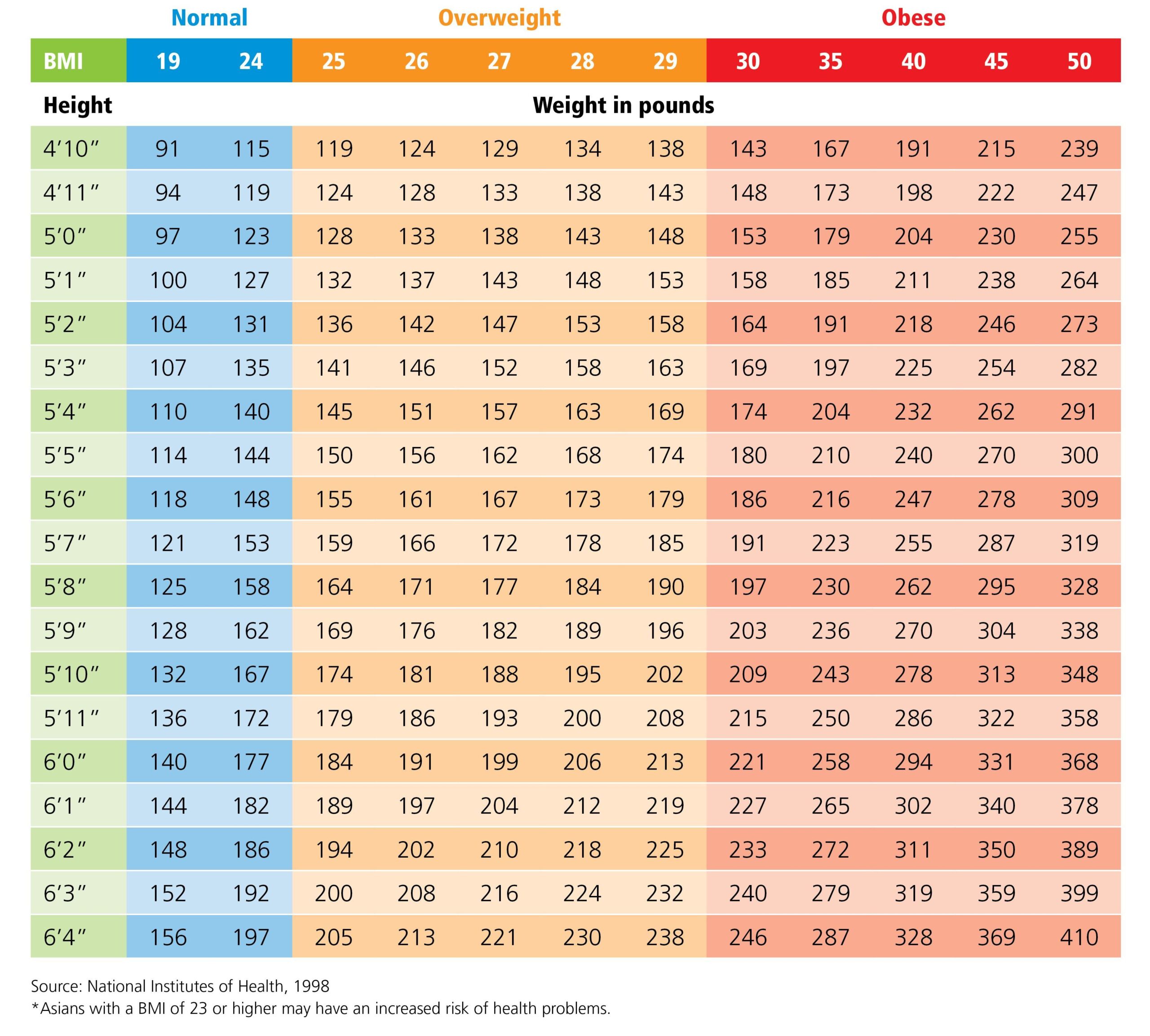
- Color-Coded Charts: Some charts use colors to indicate different weight ranges or milestones. This can make it easier to see where you stand at a glance.
Choose the style that resonates most with you and fits your lifestyle.
Why Use a Body Weight Loss Chart?
A Body Weight Loss Chart serves several practical purposes:
- Motivation: Seeing your progress visually can be a strong motivator, especially when you hit milestones.
- Accountability: Regularly recording your weight can keep you accountable to your goals.
- Adjustment: If you notice a plateau in your weight loss, your chart can help you identify when it happened, allowing you to tweak your diet or exercise routine accordingly.
- Behavior Tracking: By noting down your feelings and challenges, you can better understand your relationship with food and exercise, leading to healthier choices.
Tips for Effective Chart Use
To make the most of your Body Weight Loss Chart, here are some practical tips:
- Choose a Consistent Weighing Schedule: Weigh yourself at the same time each week for consistency. Morning is often the best time, as it reflects your weight after a night’s sleep.
- Use a Reliable Scale: Ensure your scale is accurate and placed on a flat, hard surface. This helps avoid fluctuations caused by an uneven surface.
- Don’t Get Discouraged by Fluctuations: Weight can fluctuate daily due to various factors like hydration and food intake. Focus on the overall trend rather than day-to-day changes.
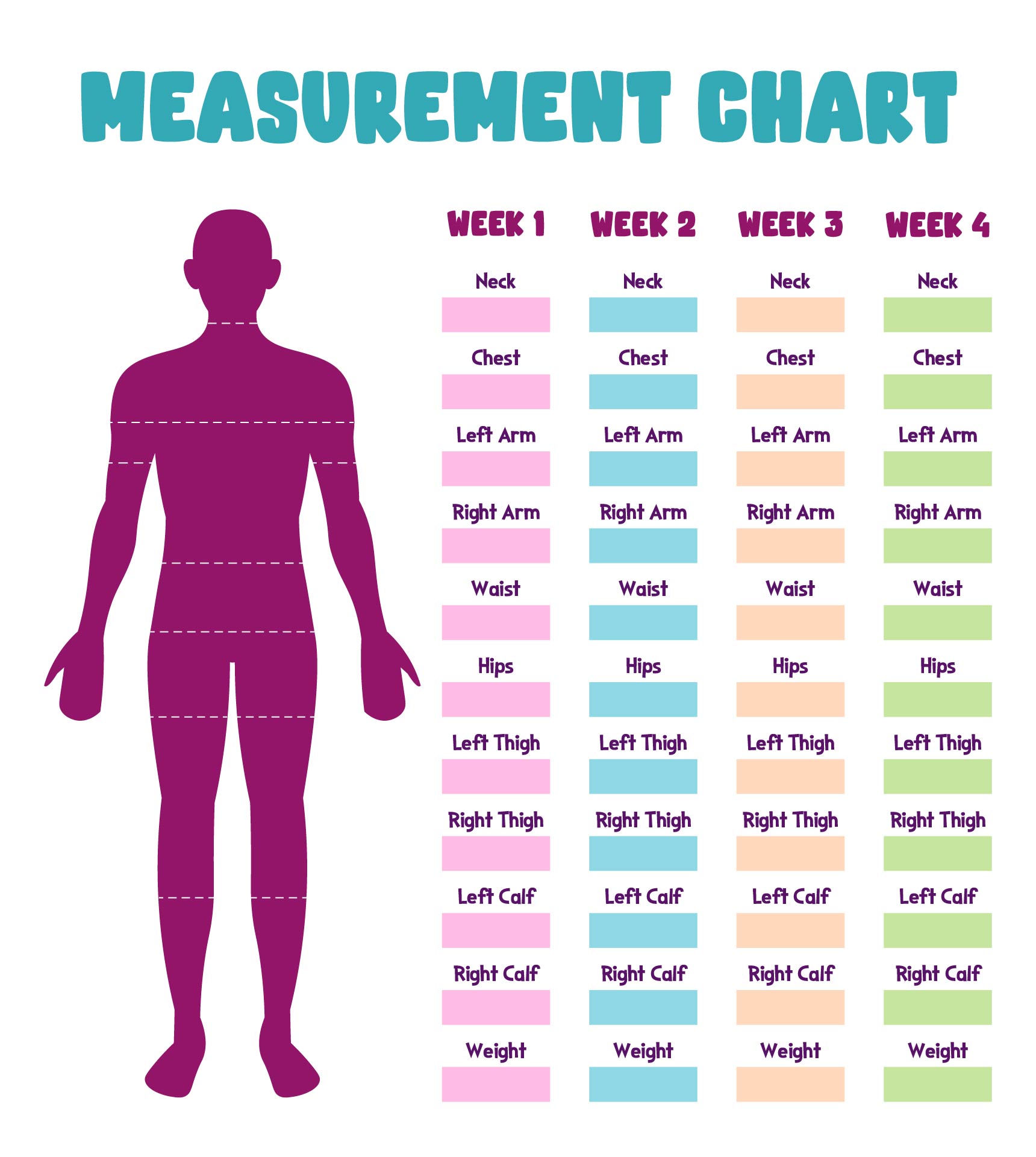
- Incorporate Other Measurements: Consider tracking measurements like waist circumference or body fat percentage alongside your weight to get a fuller picture of your progress.
By following these tips and using your 10 Body Weight Loss Chart effectively, you’ll be better equipped to stay on track with your health goals.
Now that you have a clear understanding of how to use the 10 Body Weight Loss Chart, it’s time to download your chart and start tracking your progress. Print it out, set your goals, and take that first step towards achieving your weight loss journey today!
