Understanding the specific layout and details of a 10 Corner Metal Weight Chart can significantly simplify your projects, If you are managing a DIY task or working in a workshop setting. This chart is designed to provide quick references for the weights of various metal corner pieces, which is essential for ensuring proper load-bearing and balance in your constructions. Knowing how to effectively use this chart will help you save time and reduce errors, making your projects more efficient.
What Is the 10 Corner Metal Weight Chart?
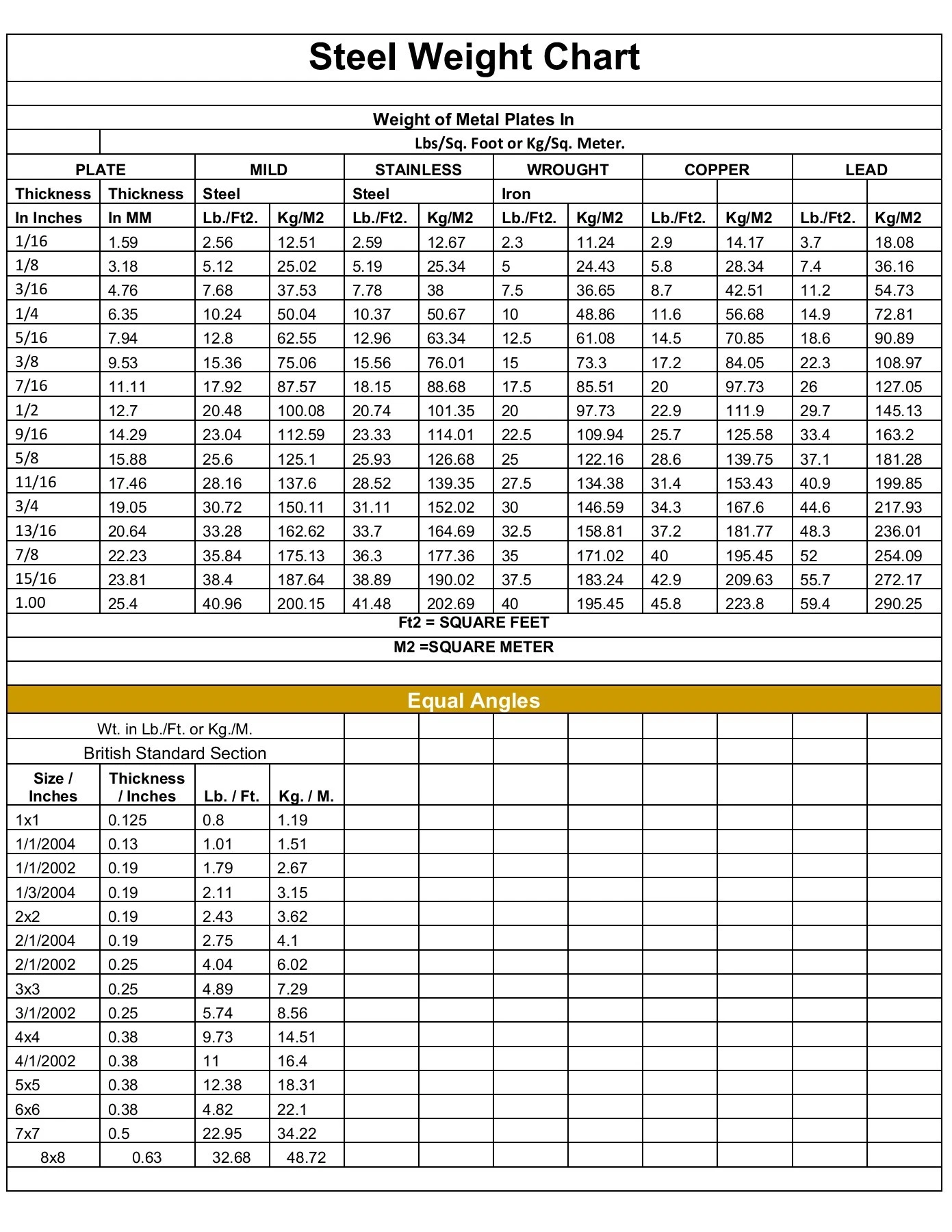
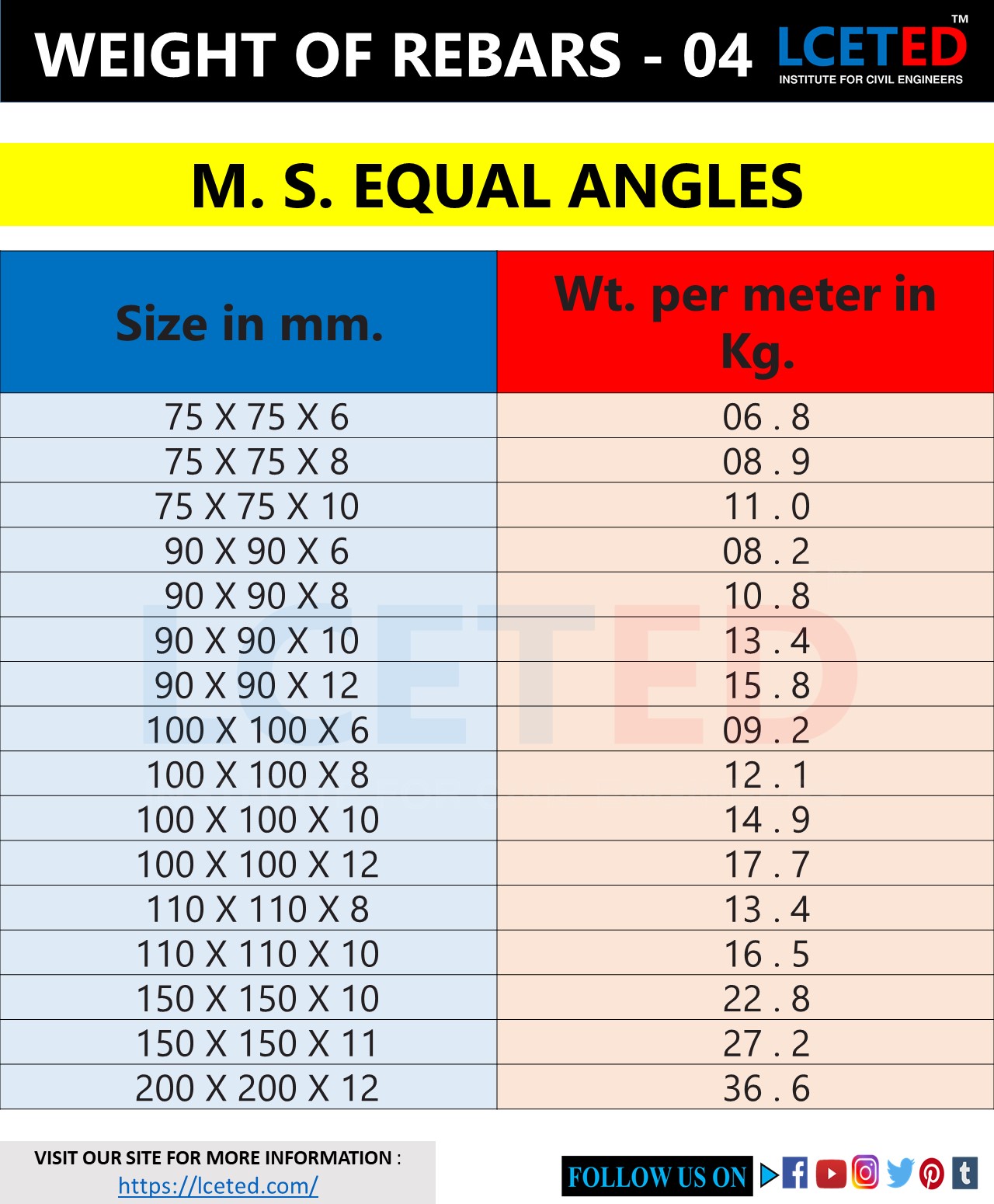
The 10 Corner Metal Weight Chart is a specialized tool that lists the weights of metal corner brackets, usually used in construction or fabrication. These brackets come in various shapes, sizes, and materials, and knowing their weights is crucial for planning, especially when it comes to load calculations. The chart typically includes columns for the type of corner bracket, its dimensions, material type, and corresponding weight.
Each entry allows you to quickly ascertain the weight of a bracket, which can influence your design choices and ensure that your structure remains stable. It’s especially useful for contractors, builders, and DIY enthusiasts who often work with metal framing or supports.
How to Read the Chart
Reading the 10 Corner Metal Weight Chart is straightforward. The chart is usually laid out in a table format. Here’s what you typically find:
- Type of Corner: This column lists the specific type of corner bracket (e.g., L-bracket, T-bracket).
- Dimensions: Here, the dimensions (length, width, height) of the brackets are provided.
- Material: This indicates the type of metal used (e.g., steel, aluminum), which can affect both weight and strength.
- Weight: The final column displays the weight of each corner bracket.
When using the chart, first identify the type of corner bracket you need based on your project specifications. Then, locate the corresponding row to find its weight. This information is crucial for calculating the total load your structure can bear.
Digital Vs. Printable Versions
You might come across both digital and printable versions of the 10 Corner Metal Weight Chart. Each has its advantages depending on your needs.
- Digital Version: Often available as a PDF or an interactive spreadsheet, a digital version allows for easy updates and modifications. You can quickly search for specific brackets and even calculate total weights using formulas. This is ideal if you’re working on a computer or tablet.
- Printable Version: A printable chart can be useful for hands-on projects. You can print it out, hang it on your workshop wall, or keep it handy in your toolbox. Writing notes directly on the paper can help customize the chart for your specific projects.
When deciding between the two, consider your workflow. If you prefer working with physical documents and find it easier to jot down notes, a printed version might be best. But if you like the flexibility of digital tools, go for the electronic option.
Practical Applications of the Chart
The 10 Corner Metal Weight Chart serves several practical purposes in various settings:
- Construction Planning: Use the chart to determine the appropriate bracket for a load-bearing wall or frame. Knowing the weight helps in assessing how many brackets to use and where to place them for optimal support.
- DIY Projects: If you’re a hobbyist working on a home improvement project, this chart can guide you in selecting the right materials. For example, when building a shelf, you can choose a corner bracket that adequately supports the weight of the items you plan to place on it.
- Fabrication Work: For metal workers and fabricators, this chart is essential for ensuring that the right brackets are chosen for custom projects. It aids in calculating weights for shipping and handling as well.
- Education: Teachers can use this chart as a teaching tool in manufacturing or construction classes. It provides a clear example of how weight considerations play a role in design and engineering.
Tips for Using the Chart Effectively
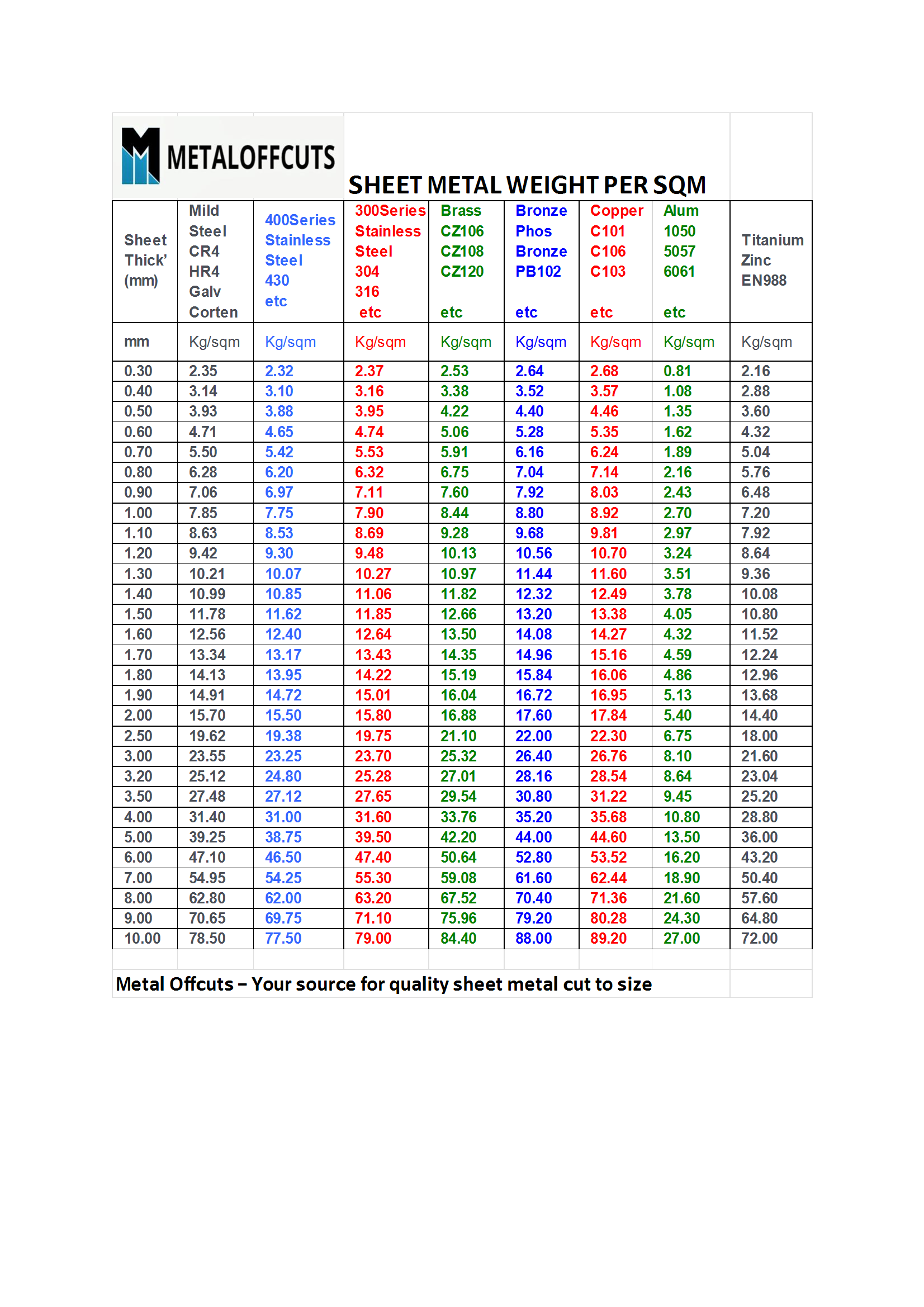
To get the most out of your 10 Corner Metal Weight Chart, here are some practical tips:
- Keep It Accessible: Whether you choose a digital or printed version, ensure that it’s easily accessible during your projects. This will help you make quick decisions without interrupting your workflow.
- Make Notes: If you’re using a printable version, don’t hesitate to write notes directly on the chart. This could include project-specific details or reminders about which brackets worked best in previous projects.
- Verify Weights: If you’re working with large quantities or critical applications, consider verifying the weights with manufacturer specifications. While the chart is a great reference, having the manufacturer’s data can provide additional assurance.
- Use in Combination with Load Calculations: Always pair the weight information from the chart with load calculations to ensure safety and stability in your projects. Understanding how much weight your materials can support is key to successful construction.
The most useful detail to remember about the 10 Corner Metal Weight Chart is that it serves not just as a reference, but as a tool that can enhance your project planning and execution by providing essential weight information at a glance.
