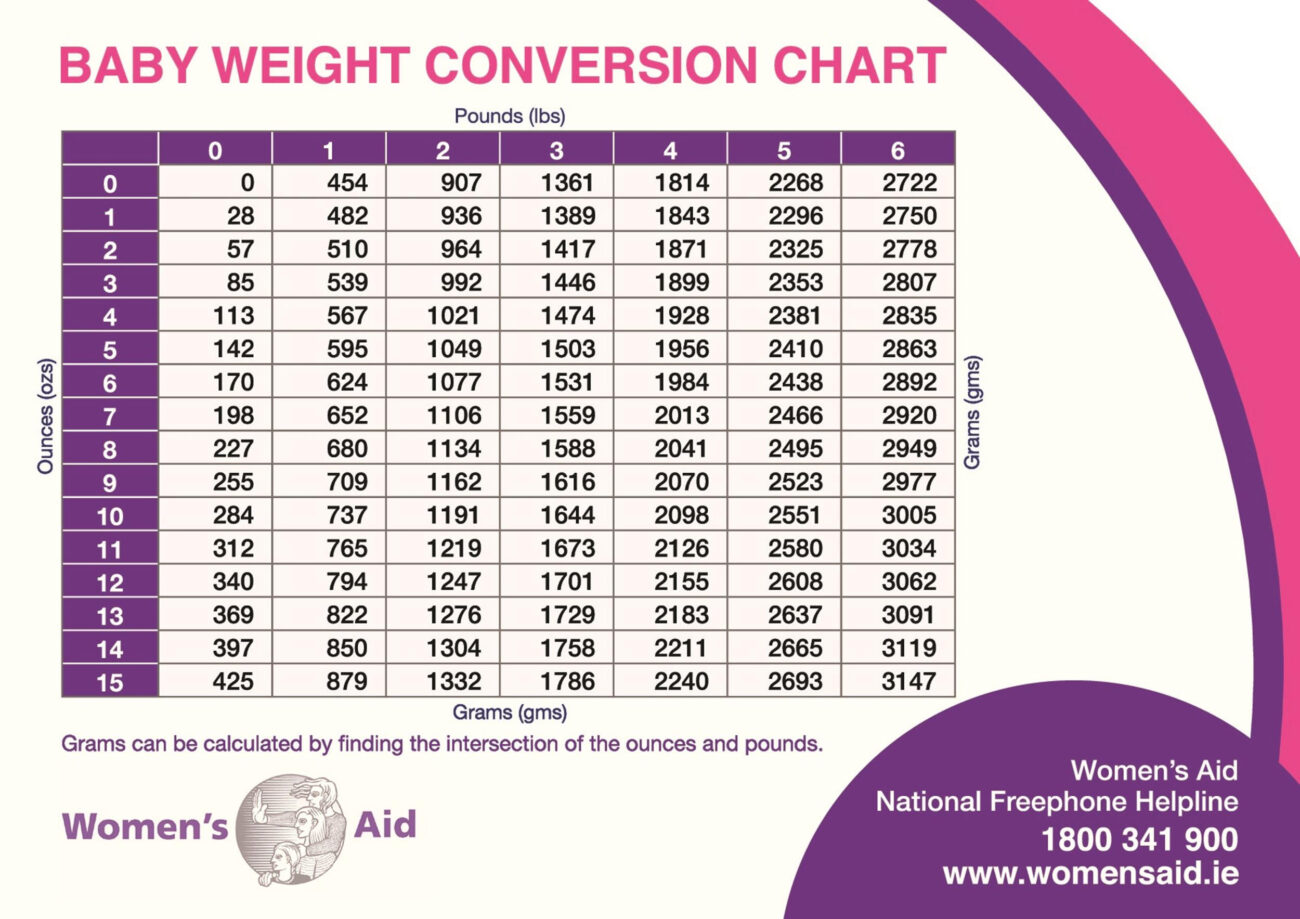
Tracking your baby’s weight can be a crucial part of their early development, especially during the first few weeks after birth. The 10 Birth Weight Loss Chart is an essential resource for new parents and caregivers, helping you monitor your infant’s weight changes and recovery after delivery. With this chart, you can easily visualize how much weight your baby has lost and when they regain it, which is key to ensuring they are healthy and thriving.
Understanding the 10 Birth Weight Loss Chart
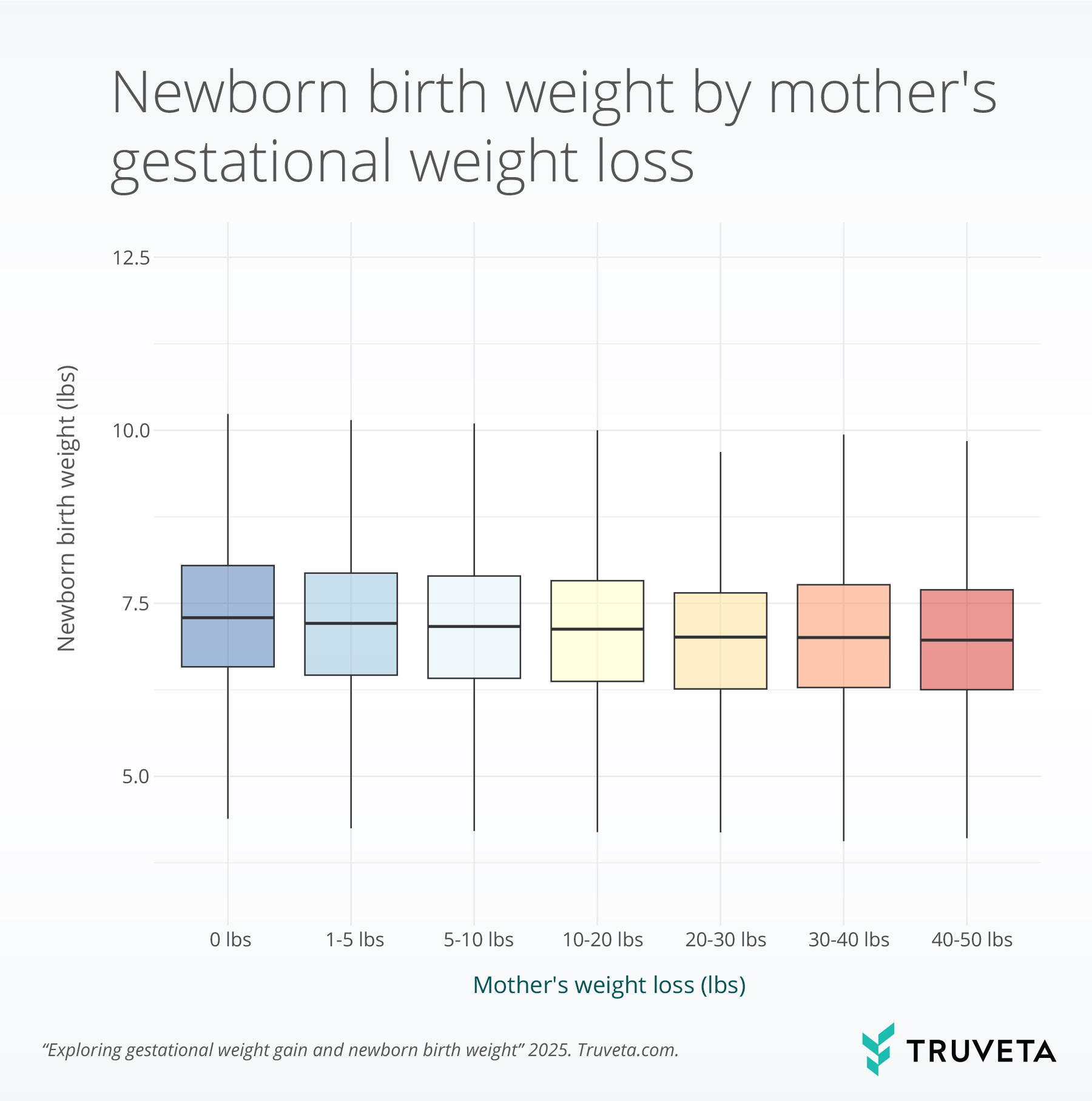
The 10 Birth Weight Loss Chart is designed to help you keep track of your baby’s weight over the first few weeks of life. Newborns typically lose some weight after birth, which is entirely normal. However, monitoring the extent of this weight loss is essential. This chart provides a standard framework to measure and record these changes, ensuring you can promptly address any concerns with your pediatrician.
To use the chart effectively, you’ll want to note the following information:
- Date of Weighing: Record the date you weigh your baby.
- Weight in Ounces or Grams: Write down the weight each time you measure.
- Percentage of Birth Weight Lost: Calculate how much weight your baby has lost as a percentage of their birth weight.
This structured approach not only helps in tracking but also assists you in understanding if your baby is on the right path to regaining their birth weight.
Filling Out the Chart Correctly
When you first download the 10 Birth Weight Loss Chart, it’s essential to know how to fill it out correctly. Use a digital or printed version; both work well depending on your preference.
- Start with the Birth Weight: At the top of the chart, write down your baby’s birth weight. This is your baseline for further calculations.
- Record Weights Regularly: Aim to weigh your baby at least once a week during the initial month. Consistency is key.
- Calculate Weight Loss: If your baby loses weight, subtract this from their birth weight. For instance, if your baby was born at 8 pounds (128 ounces) and weighs 7 pounds (112 ounces) after a week, they have lost 16 ounces, which is 12.5% of their birth weight.
- Note Recovery: When your baby regains their weight, mark this on the chart, noting the date it occurs. This moment is often a relief for parents and shows that your baby is thriving.
Where It Fits in Your Routine
Integrating the 10 Birth Weight Loss Chart into your routine is relatively simple. Here’s how you can make it a part of your daily life:
- Weekly Weigh-ins: Dedicate a specific day each week for weighing your baby. This could be a Monday morning, for instance. Consistency will help you track changes more accurately.
- Routine Pediatric Visits: Bring the chart to your pediatric appointments. This record can provide valuable insights for your healthcare provider about your baby’s growth patterns.
- Support Network: Share the chart with your partner or family members involved in caring for the baby. This way, everyone can stay informed about your baby’s weight changes and be a part of their health journey.
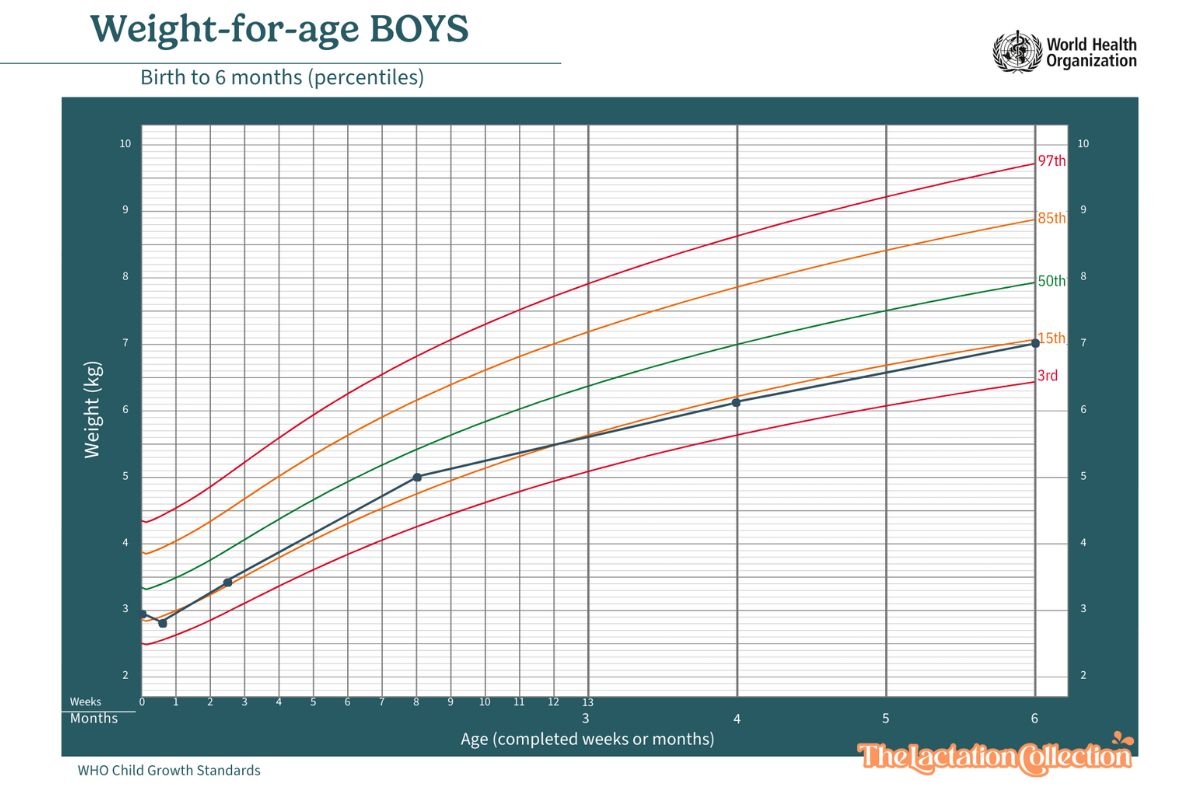
Choosing the Right Format for Your Chart
When it comes to using the 10 Birth Weight Loss Chart, choosing the correct format can make a difference in usability. Here are some options:
- Printable PDF: This is the most common format. You can print several copies for easy access. Ensure you have a good quality printer for clear, legible results.
- Digital Format: If you prefer a digital solution, consider using a spreadsheet application where you can input data and calculate percentages automatically. This option allows for easier updates and tracking over time.
- Mobile Apps: Some health apps offer weight tracking features. If you prefer a tech-savvy approach, this could be a convenient alternative.
Regardless of the format you choose, ensure it’s something you can easily access and update to keep your tracking consistent.
