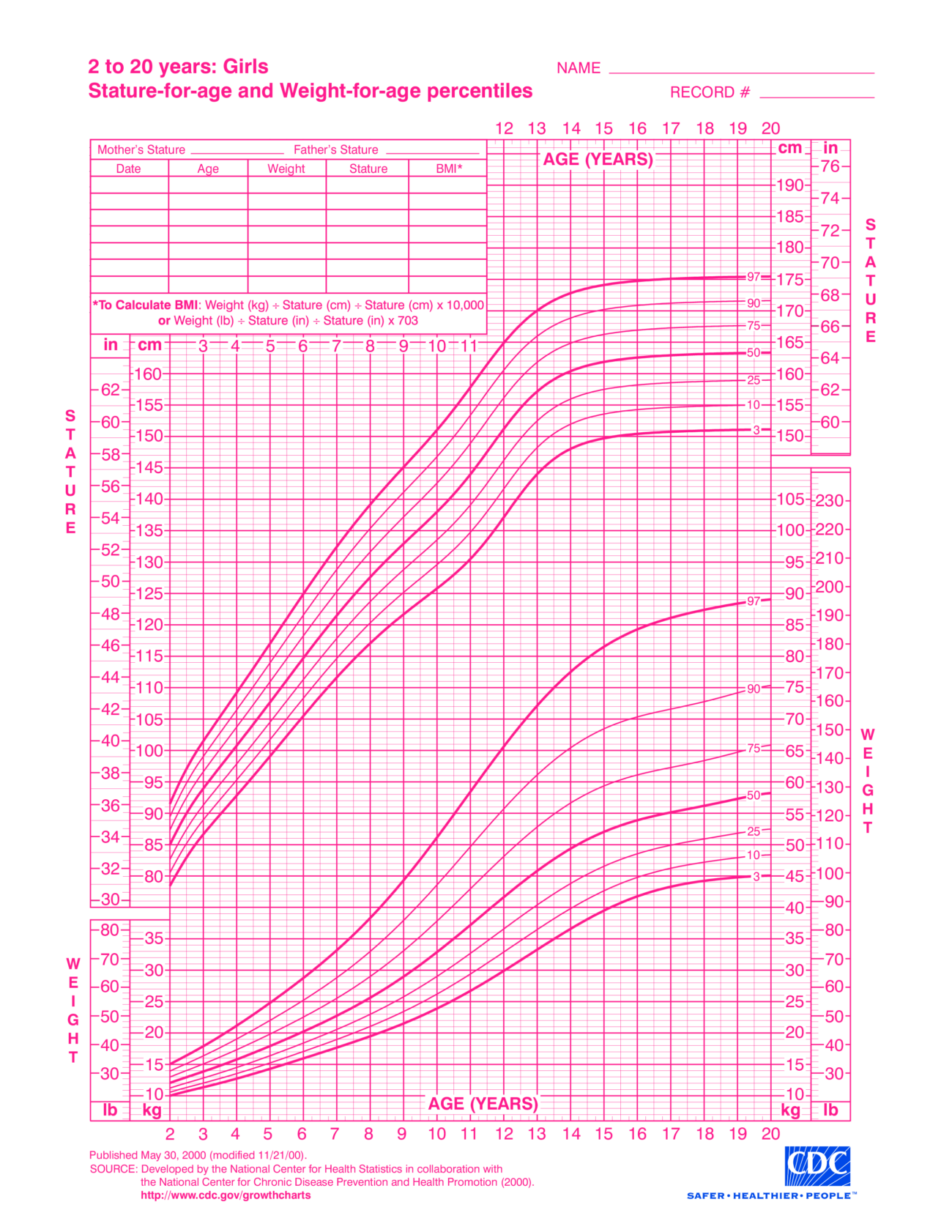
When it comes to tracking your child’s growth, having a reliable reference point is essential. The 10 Age Girl Height And Weight Chart provides parents with a clear way to assess whether their child’s growth is within the average range. This chart is not only useful for monitoring growth but also for discussions with pediatricians during check-ups. Let’s walk through how to use this resource effectively in your parenting journey.
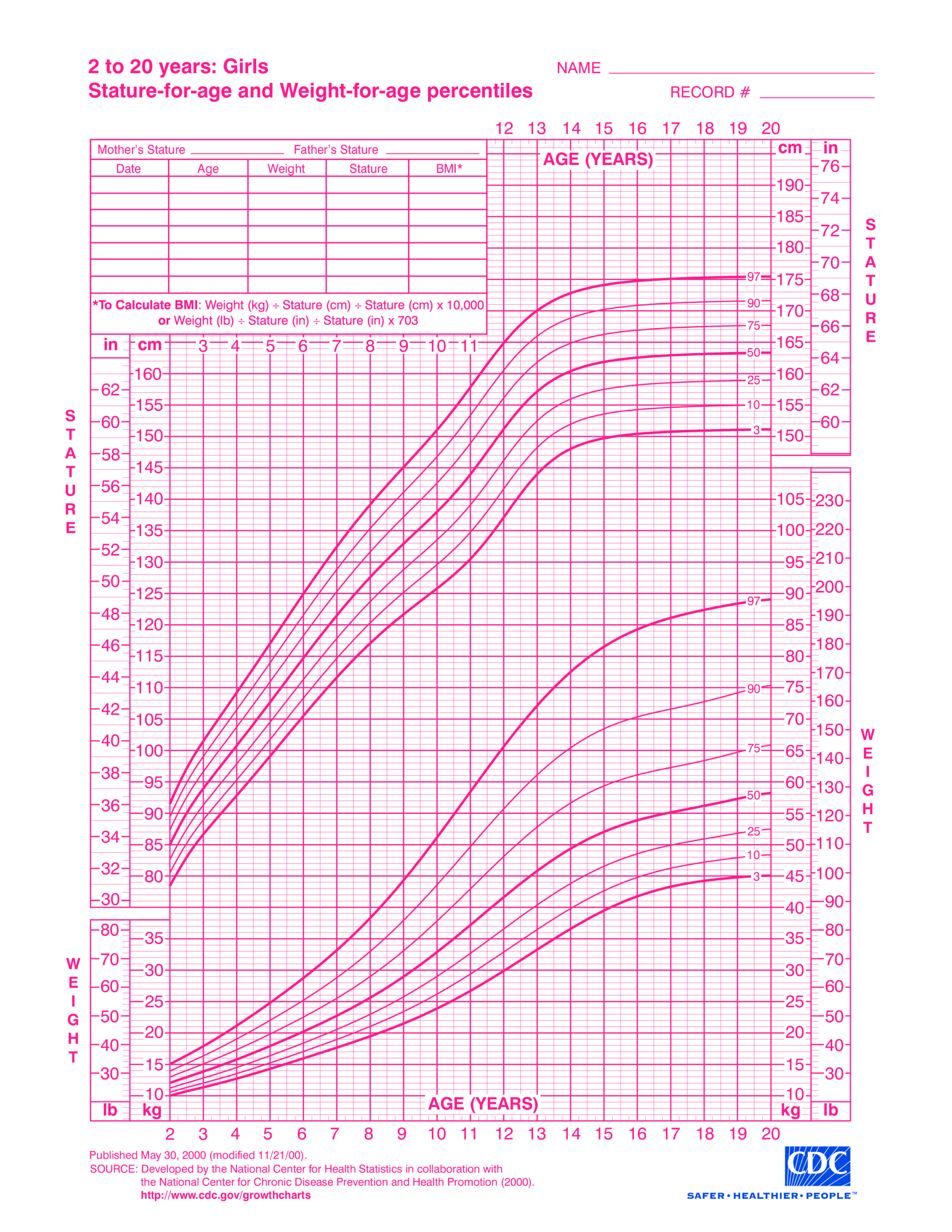
Understanding the Height and Weight Chart
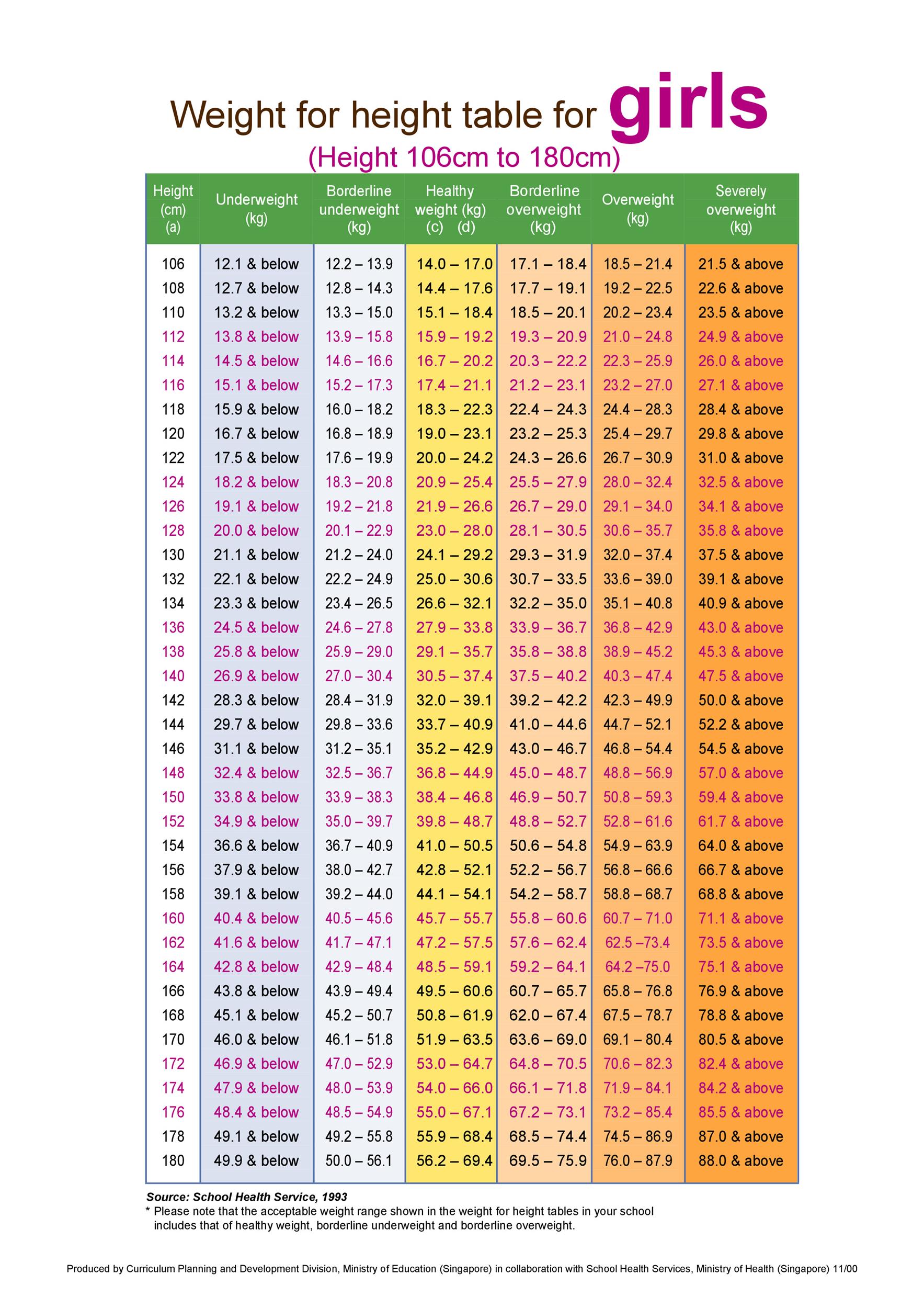
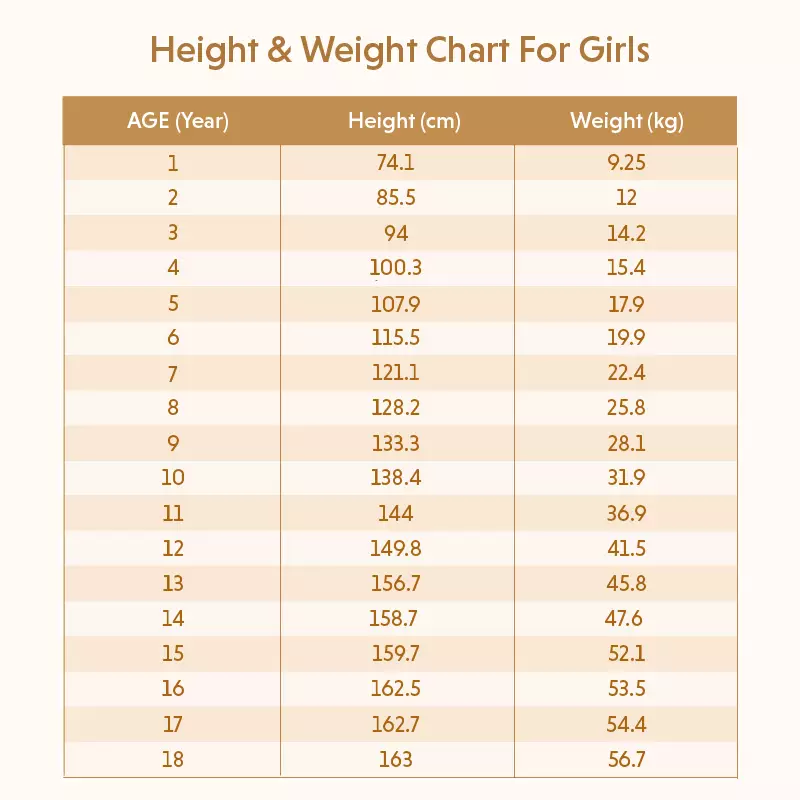
The height and weight chart for girls typically includes data points that reflect the average growth for girls at age 10. These figures can vary slightly based on the source, but they generally represent a range of healthy heights and weights. For instance, a 10-year-old girl might range from about 4 feet 6 inches to 5 feet tall, weighing anywhere from 70 to 100 pounds. Knowing these averages can help you identify where your child stands and if any further action is needed.
How to Use the Chart Effectively
- Download the Chart: First, find a printable version of the 10 Age Girl Height And Weight Chart that you can download. Look for a PDF format, as this is easier to print without losing formatting.
- Print the Chart: Use a standard letter-sized paper (8.5 x 11 inches) for printing. If you want it to last longer, consider printing on cardstock. This way, you can keep it in a visible spot like your fridge or a family bulletin board.
- Measure Your Child: Use a wall-mounted height chart or a measuring tape to get an accurate measurement of your child’s height. Stand them straight against the wall with their heels touching it and their head level.
- Weigh Your Child: Weigh your child using a reliable scale. Ensure they’re standing still and that the scale is on a flat surface for an accurate reading.
- Record the Data: On the chart, find the corresponding age and mark down your child’s height and weight. This will give you a visual representation of their growth.
Interpreting the Results
Once you have filled in your child’s height and weight on the chart, you can determine their growth percentile. This is usually represented as a line or a range. For example, if your child’s height falls in the 50th percentile, they are taller than 50% of their peers. If they are below the 5th percentile or above the 95th percentile, you may want to discuss this with your pediatrician. They can help assess whether any underlying issues need to be addressed.
The Importance of Regular Monitoring
Regularly updating the height and weight chart is crucial for tracking your child’s growth patterns over time. I suggest checking every six months, especially as they approach their teenage years when growth spurts are common. This routine helps you identify any concerning trends early on and provides valuable information during doctor visits.
Digital Vs. Print Completion
When it comes to using the chart, you may find that filling out a fillable PDF on your computer is convenient, especially if you want to save the data electronically. However, printing it out and writing by hand can make it feel more personal and tangible. If you print it, consider keeping a binder or folder where you store these records. This way, you can track changes over the years and reflect on your child’s growth journey.
And if you ever find yourself in doubt about the numbers, remember that every child grows at their own pace. The chart is a guideline, not a strict rulebook.
Additional Resources
To complement the height and weight chart, consider downloading other growth-related resources. For example, planners that help track your child’s milestones or worksheets that engage them in understanding their health can be incredibly beneficial. These additional tools can enhance your child’s awareness of their growth and health.
The 10 Age Girl Height And Weight Chart is a practical tool for any parent. It empowers you to actively participate in your child’s health and growth monitoring. Taking the time to measure, record, and reflect on this data can lead to informed discussions with healthcare providers and help you nurture your child’s development.
