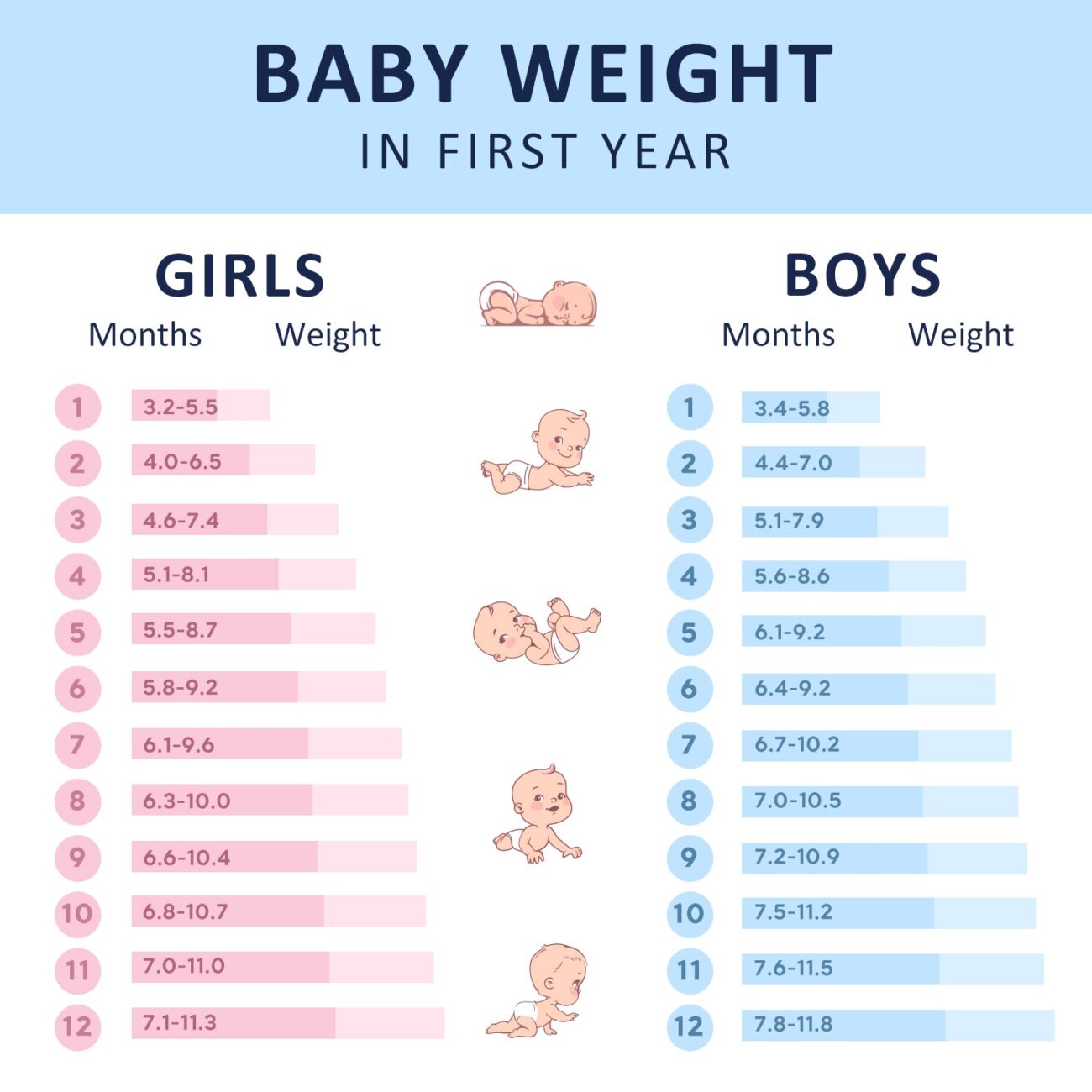
When it comes to tracking your child’s growth, having a reliable reference like a 1.5 Year Baby Weight Chart is crucial for parents. At 18 months, your little one is becoming more active and their weight can fluctuate based on numerous factors including diet, activity level, and overall health. This chart not only provides you with a visual guide but also helps you compare your child’s weight to the average for their age. Understanding this can be essential for making informed decisions about nutrition and wellness as they grow.
Understanding the 1.5 Year Baby Weight Chart
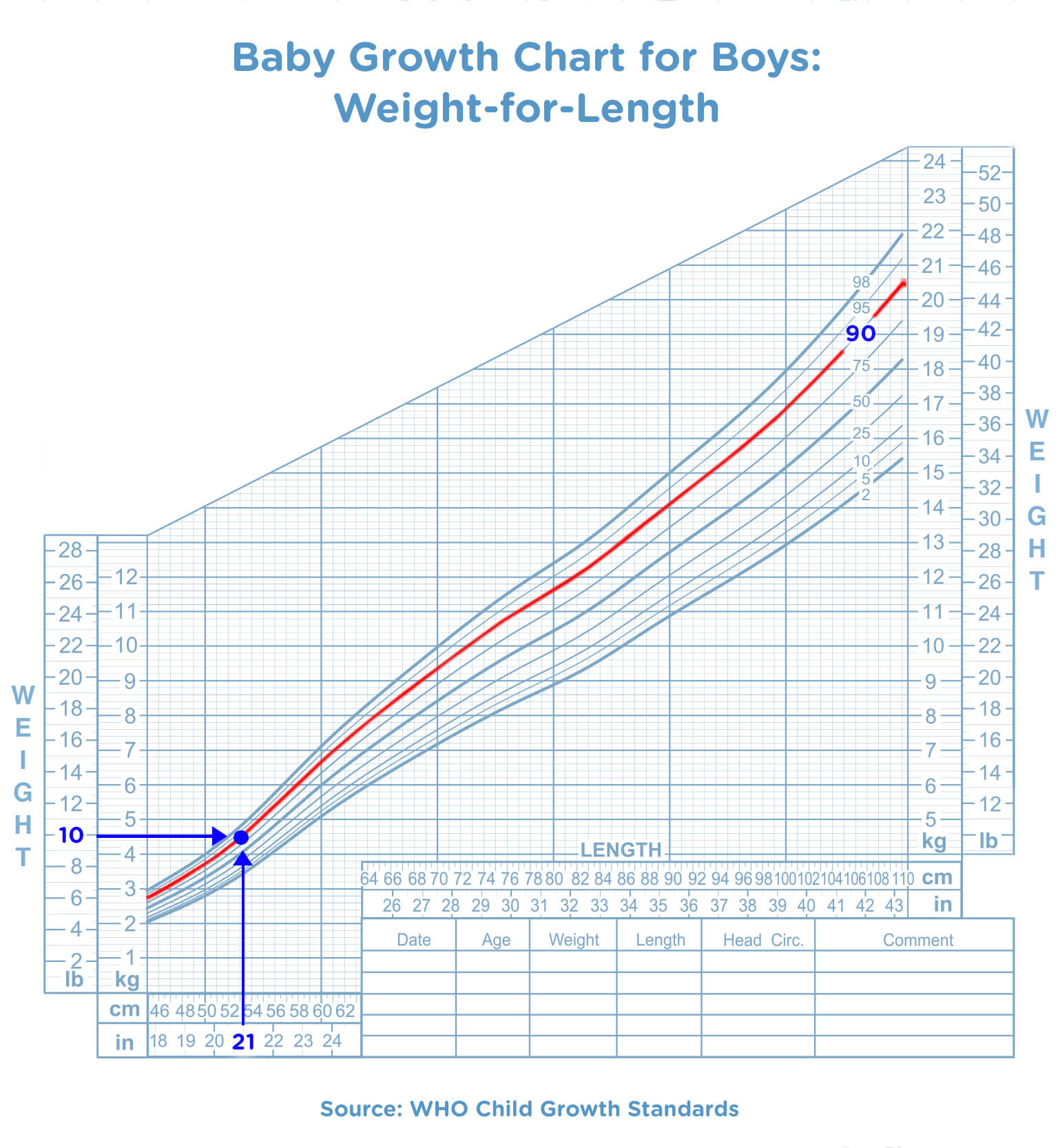
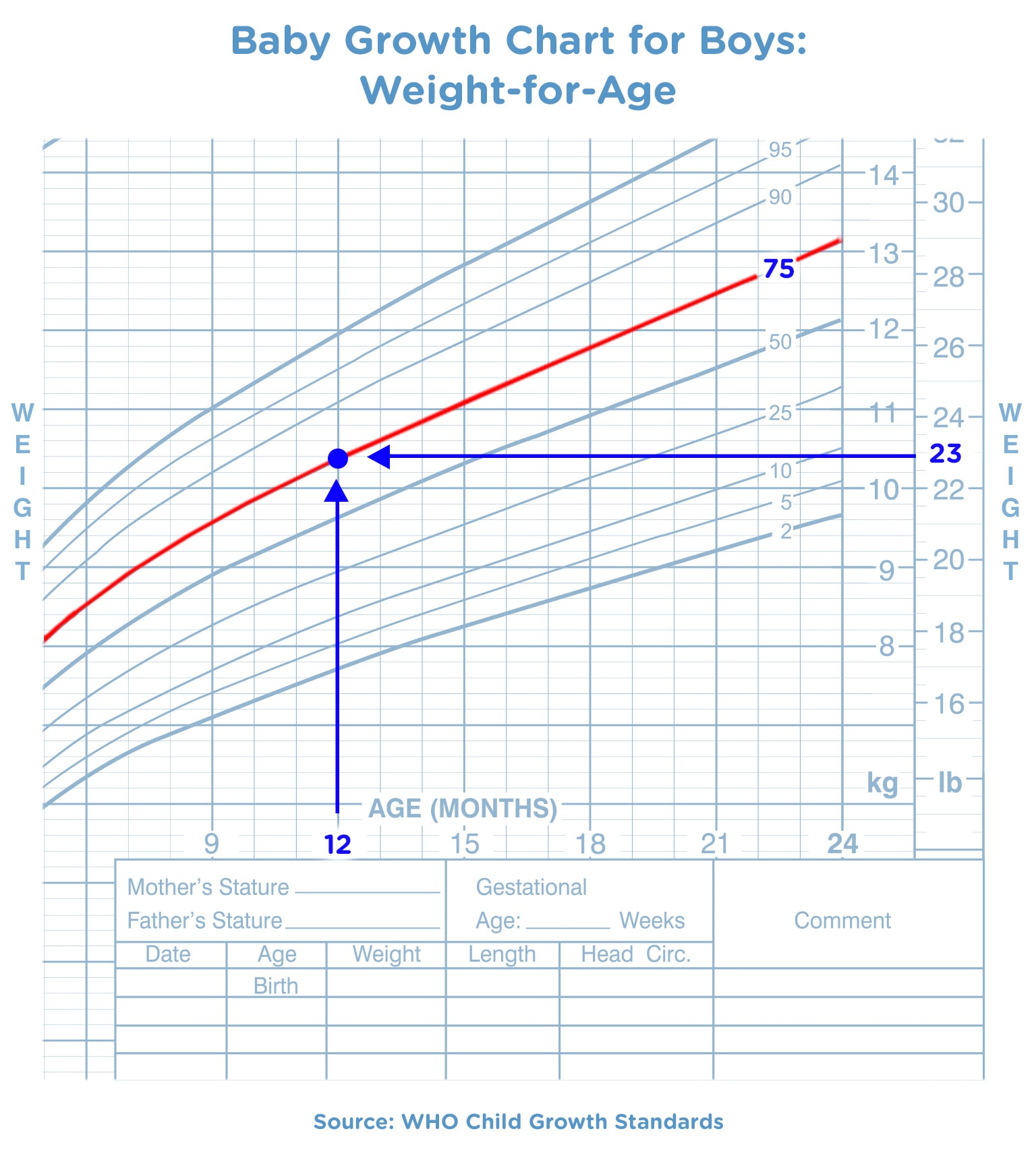
A 1.5 Year Baby Weight Chart typically lists the average weight range for children at 18 months old. On average, boys tend to weigh between 22 to 27 pounds, while girls usually fall within the 20 to 25 pounds range. These figures represent the 50th percentile, meaning that about half of the children in this age group will weigh more and half will weigh less.
You might notice that weight is influenced by a variety of factors, including genetics, nutrition, and physical activity. So, if your child weighs a bit more or less than the chart suggests, don’t panic. It’s always best to consult with your pediatrician if you have concerns about your child’s growth patterns.
How to Use the Weight Chart Effectively
When you download or print your 1.5 Year Baby Weight Chart, consider these practical tips for making the most of it:
- Regular Weigh-Ins: Make it a routine to weigh your child monthly. This will help you keep track of their growth over time.
- Record Keeping: Use the chart to jot down your child’s weight at each check-up. You can create a simple logbook or even use a digital app to keep track.
- Percentile Tracking: Understand the percentile your child falls into. If they are on the lower end, it might be worth discussing with your healthcare provider.
Before filling in the chart, ensure you have accurate weight measurements. Many parents find that using a digital scale provides the most reliable results. Be sure to weigh your child at the same time of day for consistency, ideally in the morning before breakfast.
What Information to Include
When using your 1.5 Year Baby Weight Chart, you’ll want to include the following details:
- Date of Weighing: This helps you track changes over time.
- Weight: Record your child’s weight in pounds.
- Percentile Rank: If possible, calculate the percentile based on the chart to see where your child stands compared to peers.
- Notes: Keep track of any changes in diet, health issues, or growth spurts that may explain any significant weight changes.
Filling out this information regularly not only provides insights into your child’s growth but also serves as a valuable tool during visits to the pediatrician.
Common Concerns and Considerations
Many parents worry about their child’s weight, especially if they seem to be falling outside typical ranges. Here are some considerations to keep in mind:
- Growth Patterns: Children grow at different rates. Some might gain weight steadily, while others might experience growth spurts.
- Diet and Activity: Ensure your child is receiving a balanced diet and enough physical activity. If they are more active, they might weigh less than the average.
- Health Check-Ups: Regular visits to the pediatrician can help monitor your child’s weight and overall health. Don’t hesitate to ask questions during these appointments.
If you notice drastic changes or have concerns about your child’s weight, reach out to your healthcare provider for guidance.
Printable Resource Tips
When downloading your 1.5 Year Baby Weight Chart, keep the following in mind to ensure the best results:
- Paper Quality: Use sturdy paper or cardstock if you plan to laminate the chart. This will help it last longer and withstand any spills or messes.
- Size and Format: Opt for a standard paper size (like 8.5 x 11 inches) for easy printing. PDFs are preferable as they maintain formatting across different devices.
- Accessibility: Consider keeping the chart in a visible spot, like on your refrigerator. This way, you’ll be reminded to update it regularly.
Having a well-organized weight chart not only aids in tracking growth but serves as a wonderful keepsake to look back on as your child grows.
For immediate action, print your 1.5 Year Baby Weight Chart today and start tracking your child’s growth journey!
