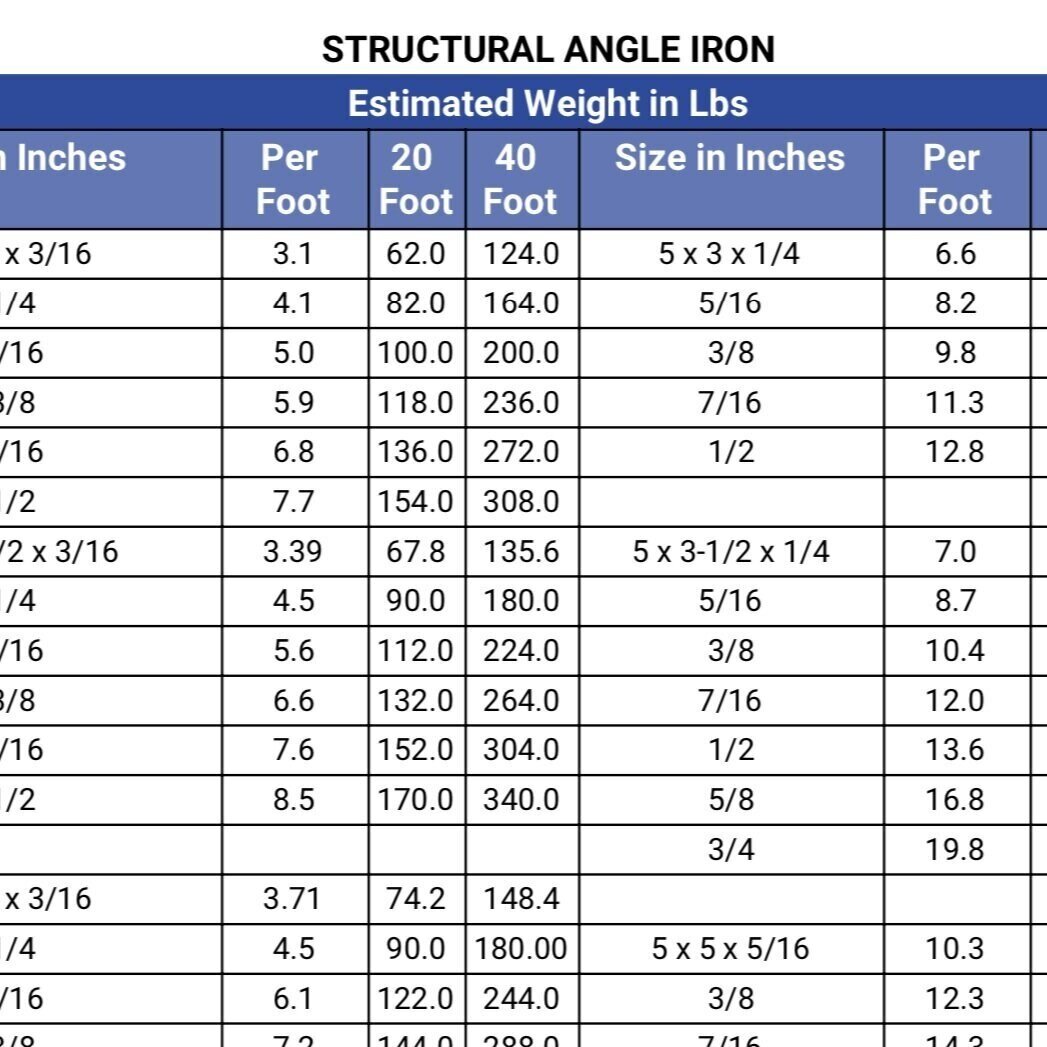
When you’re working on a project that requires precise measurements, having a reliable reference is key. The 1.5 Galvanized Angle Weight Chart is an excellent tool for anyone needing to determine the weight of galvanized steel angles in this specific size. Understanding the weight of materials is crucial, especially when planning construction or DIY projects. This chart helps you quickly assess the weight per foot of various galvanized angle sizes, making it easier to plan your projects effectively.
Understanding the Layout of the Weight Chart
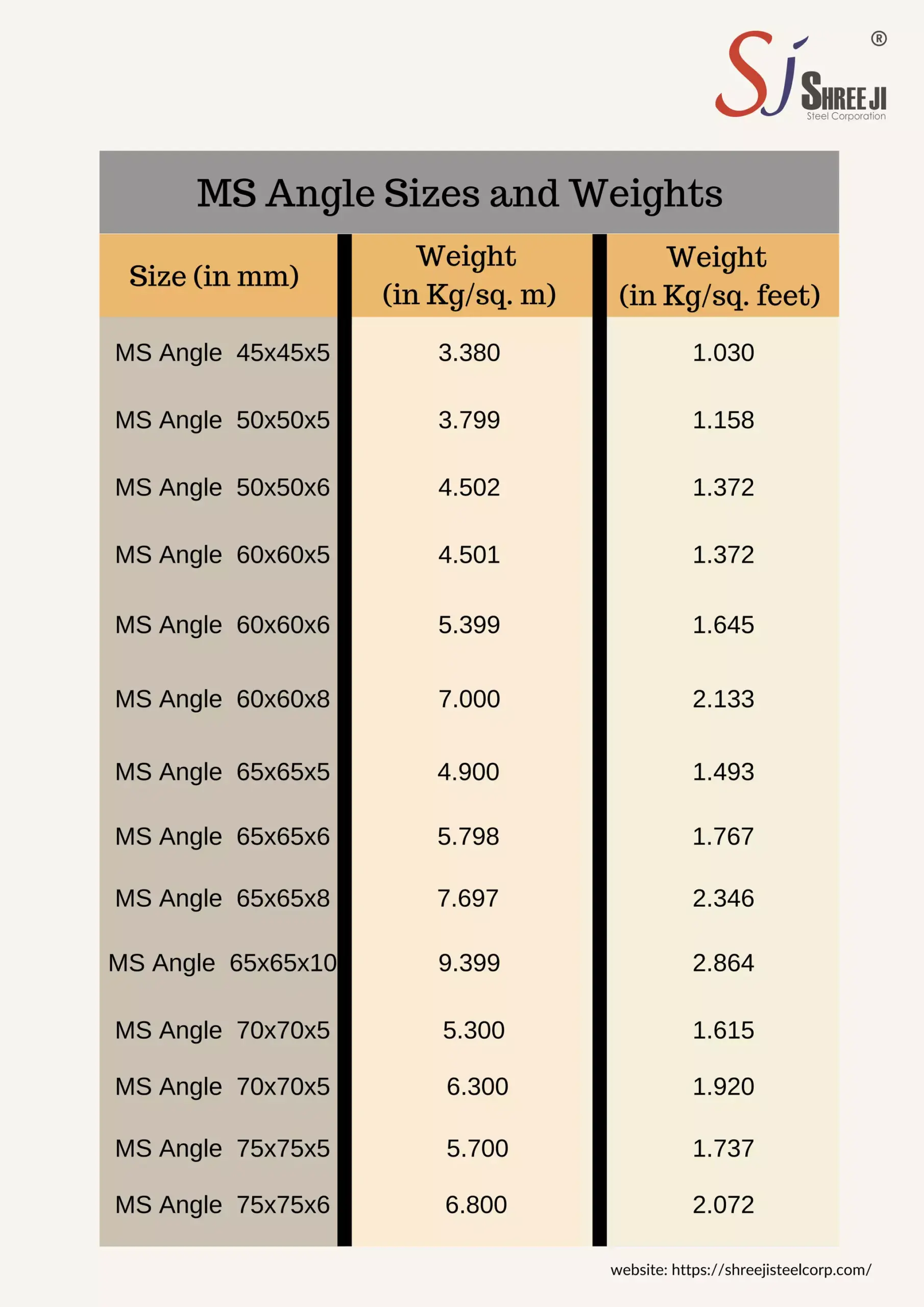
The layout of the 1.5 Galvanized Angle Weight Chart is designed for quick and easy reference. Typically, the chart is organized into columns, with one column listing the dimensions of the angles (like leg length and thickness) and another providing the corresponding weight per foot. This straightforward format allows you to quickly locate the information you need without sifting through unnecessary details.
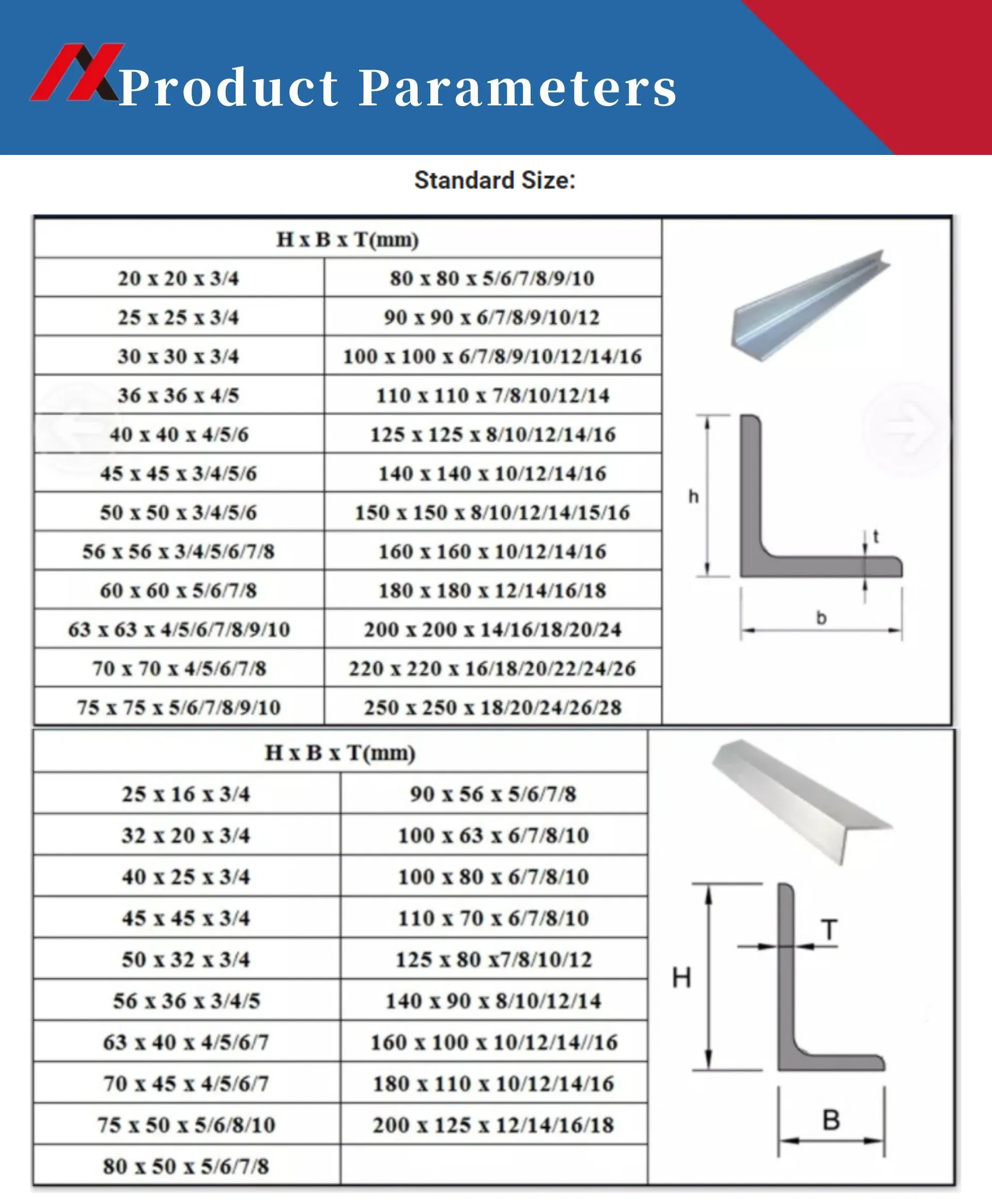
When using this chart, you’ll notice that it often lists both the standard sizes and variations, which is helpful if you’re considering different types of angles for your project. For example, if you’re building a frame for a garden trellis or a sturdy shelf, knowing the weight helps you balance the load appropriately.
How to Read the Chart
Reading the 1.5 Galvanized Angle Weight Chart is simple once you know what to look for. Here are the steps you can follow:
- Identify the Size: Start by locating the size of the galvanized angle you plan to use. The chart will list sizes such as 1.5″ x 1.5″ with varying thickness options.
- Find the Weight: Next to the size, you’ll see the weight per foot. This figure indicates how much each foot of that specific angle weighs, which is vital for calculating total weight for larger projects.
- Consider Your Project Needs: Think about how many feet of angle you need for your project. Multiply the weight per foot by the total length to get the overall weight. This helps ensure that your structure can handle the weight without compromising its integrity.
For example, if your project requires 10 feet of a 1.5″ x 1.5″ angle that weighs 2.5 lbs per foot, you would calculate the total weight as follows: 10 feet x 2.5 lbs/foot = 25 lbs. This information is crucial when planning how to transport and support your materials.
Practical Applications of the Weight Chart
The 1.5 Galvanized Angle Weight Chart is not just for construction professionals; it’s incredibly useful for parents and DIY enthusiasts as well. Here are a few practical applications:
- Home Projects: If you’re building something at home, such as a shelf or a frame, knowing the weight helps you select appropriate fasteners and supports.
- School Projects: For parents helping kids with school projects that involve building or crafting, having this chart on hand can simplify the planning process.
- Gardening and Outdoor Structures: If you’re constructing garden beds or trellises, knowing the weight of the materials allows you to create stable and durable structures that can withstand weather conditions.
Where to Find the Weight Chart
You can easily find the 1.5 Galvanized Angle Weight Chart online. Many printable resource websites offer charts in PDF format that you can download and print at home. This allows you to keep a handy reference in your workshop or at your project site.
When printing, make sure to adjust your print settings to ensure clarity. Portrait layout tends to work best for home printers, and using a heavier cardstock can help if you plan to laminate the chart for durability.
Tips for Using the Chart Effectively
To make the most out of the 1.5 Galvanized Angle Weight Chart, consider these tips:
- Prepare Beforehand: Before you start a project, gather all the necessary measurements and materials. Knowing the dimensions of your galvanized angles will save time when you’re calculating weights.
- Keep it Accessible: Store a printed copy of the chart in your toolbox or on a bulletin board in your workspace. Having it readily available means you won’t have to search for it when you need it most.
- Use in Combination with Other Resources: Pair the weight chart with other tools, like load calculators or construction guides, to ensure your project is as safe and efficient as possible.
The 1.5 Galvanized Angle Weight Chart is a straightforward yet powerful resource for anyone engaged in building or crafting projects. Whether you’re a parent helping with a school assignment or a DIY enthusiast tackling a home improvement task, this chart provides essential information that can aid in planning and execution. With the right preparation and understanding of how to use the chart, you’ll be well-equipped to handle any project that comes your way.
