The 1 Year Old Height Weight Chart is an essential tool for parents and caregivers to monitor a child’s growth during their first year. Understanding how your child measures up against standard growth metrics can provide peace of mind and help ensure they are developing healthily. Tracking height and weight at this age is crucial, as it helps identify any potential health concerns early on.
Understanding the 1 Year Old Height Weight Chart
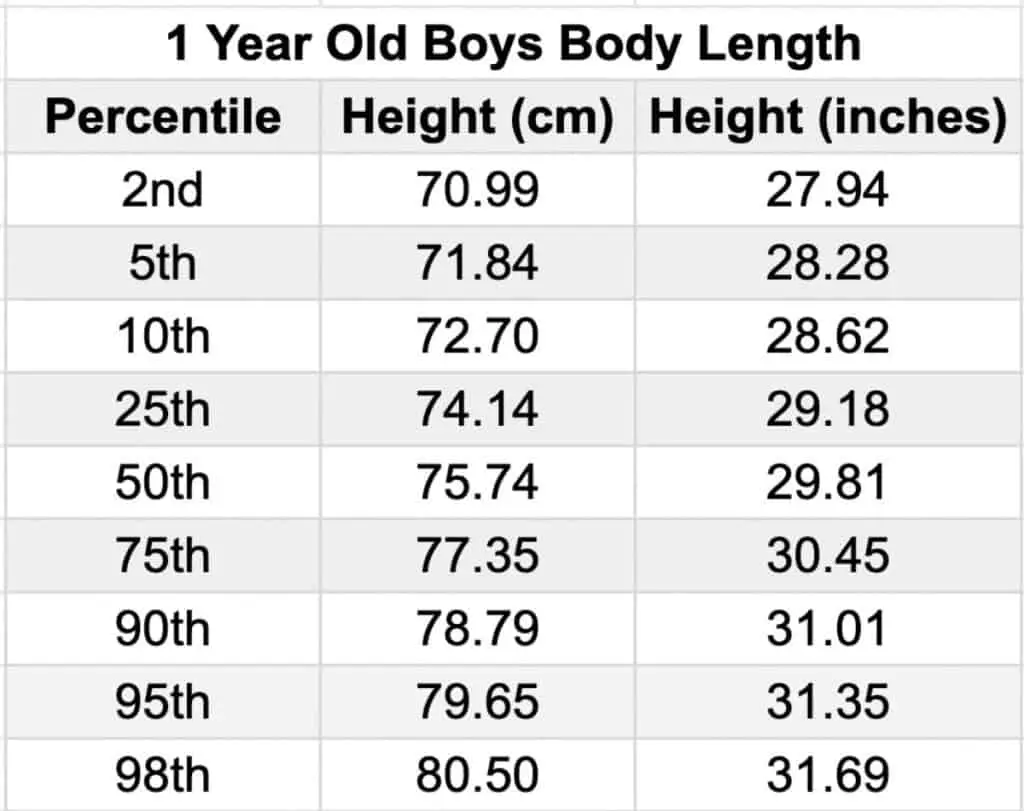
The height and weight chart for one-year-olds typically includes percentile rankings that indicate how a child’s measurements compare to those of other children the same age and sex. For instance, a child who is at the 75th percentile for weight is heavier than 75% of children their age. This chart allows you to track growth consistently, making it easier to spot any significant changes over time.
Reading the Chart
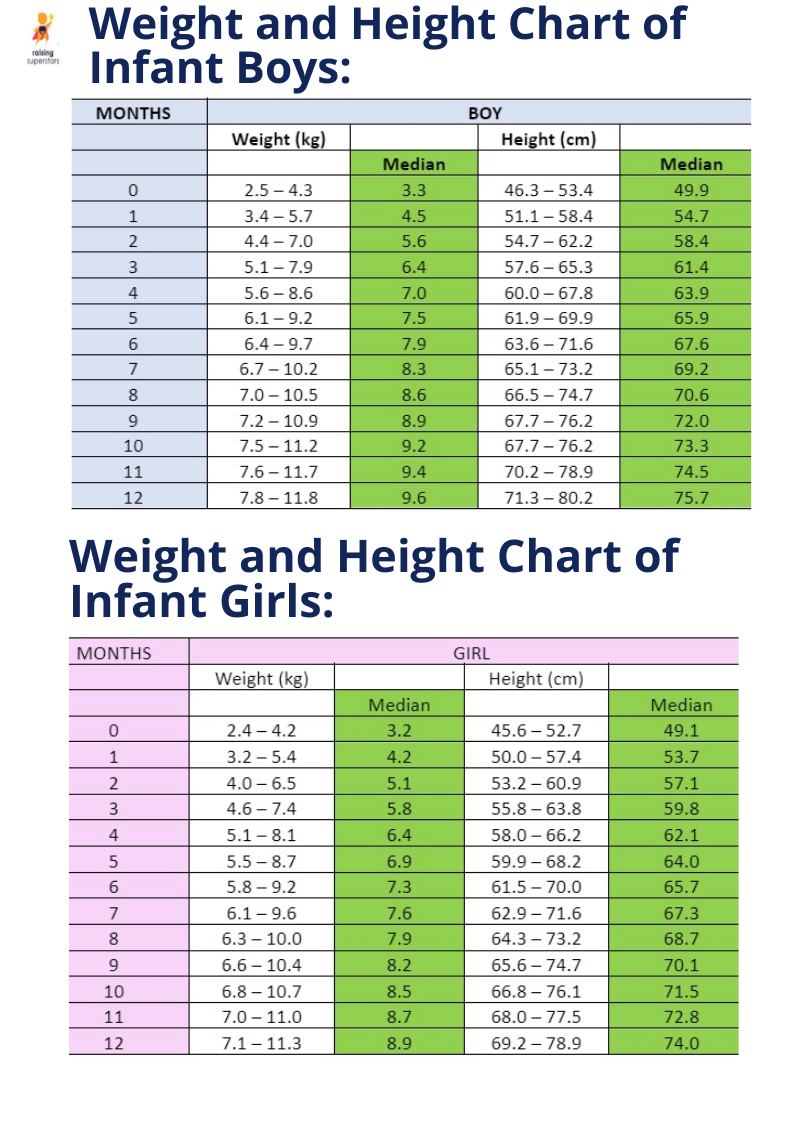
When you look at a height weight chart for a one-year-old, you will notice two axes: one for height (usually in inches or centimeters) and one for weight (in pounds or kilograms). The chart will often feature several lines representing different percentiles (like the 5th, 50th, and 95th). To use the chart effectively:
- Measure your child’s height and weight accurately.
- Locate the corresponding point on the chart.
- Determine the percentile for both height and weight.
- Compare these percentiles to understand your child’s growth pattern.
Preparing to Fill Out the Chart
Before filling out the height and weight chart, gather the necessary information:
- Child’s Date of Birth: This helps determine the correct age for comparison.
- Latest Measurements: Ensure you have the most recent height and weight data.
- Date of Measurement: Document when these measurements were taken for accurate tracking.
Having this information ready will streamline the process and make it simpler to analyze changes over time.
Growth Expectations for a 1-Year-Old
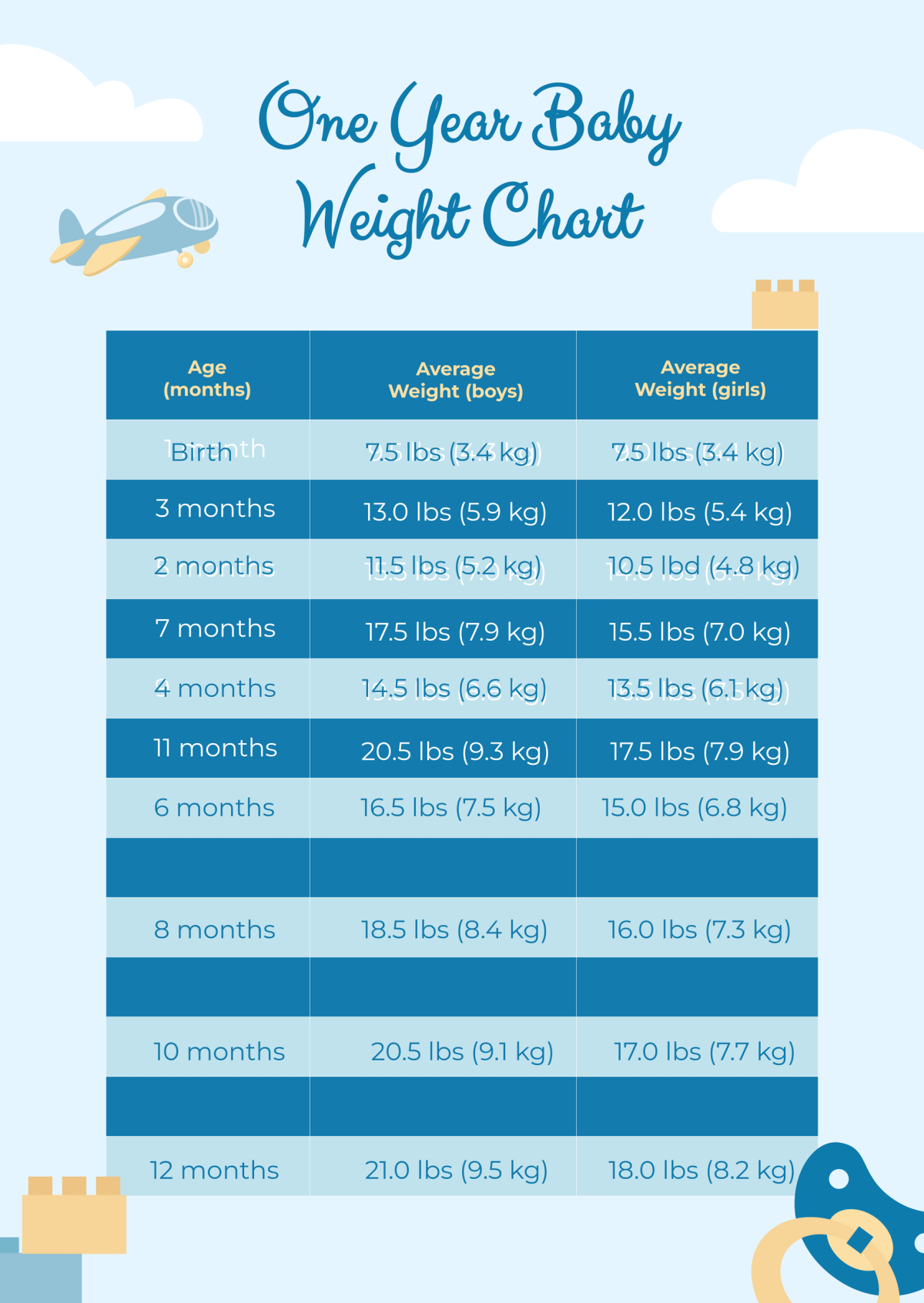
At one year, children typically vary in both height and weight. Generally, the average weight of a one-year-old is about 20 to 24 pounds, and average height is around 28 to 32 inches. However, every child grows at their own pace. Some may be taller or heavier, and that’s perfectly normal, as long as they are following their growth curve.
What to Do With the Data
Once you have filled out the 1 Year Old Height Weight Chart, what comes next? Here are a few practical steps:
- Regular Monitoring: Keep the chart updated every few months. Regular tracking helps identify trends and changes in growth.
- Discuss with Pediatricians: Share the chart with your child’s pediatrician during check-ups. It can provide insights during consultations and help them gauge overall health.
- Celebrate Milestones: Use the data as a way to celebrate your child’s growth milestones. It can be motivating and rewarding to see how far they’ve come!
Where to Find Printable Height Weight Charts
You can find printable versions of height and weight charts online, making it easy to keep a physical record. These charts are usually available in PDF format for easy downloading and printing. Look for resources that are reputable, like those from pediatric health organizations or government health departments, to ensure accuracy.
Tips for Printing
When printing your height weight chart, consider the following:
- Paper Size: Standard letter size (8.5 x 11 inches) is typically sufficient for home use. If you prefer larger formats, ensure your printer can handle them.
- Quality: Use a good quality printer to ensure that all lines and markings are clear and easy to read.
- Lamination: If you want to keep the chart for long-term use, consider laminating it. This can protect it from wear and tear, especially if you plan to update it frequently.
