Understanding the Average Weight Per Height Chart can be a game-changer for parents and caregivers who want to keep track of healthy weight ranges for their children or even for themselves. This resource, typically available as a printable chart, provides a clear visual guide that matches height with weight, helping you make informed decisions about health and well-being.
What is an Average Weight Per Height Chart?
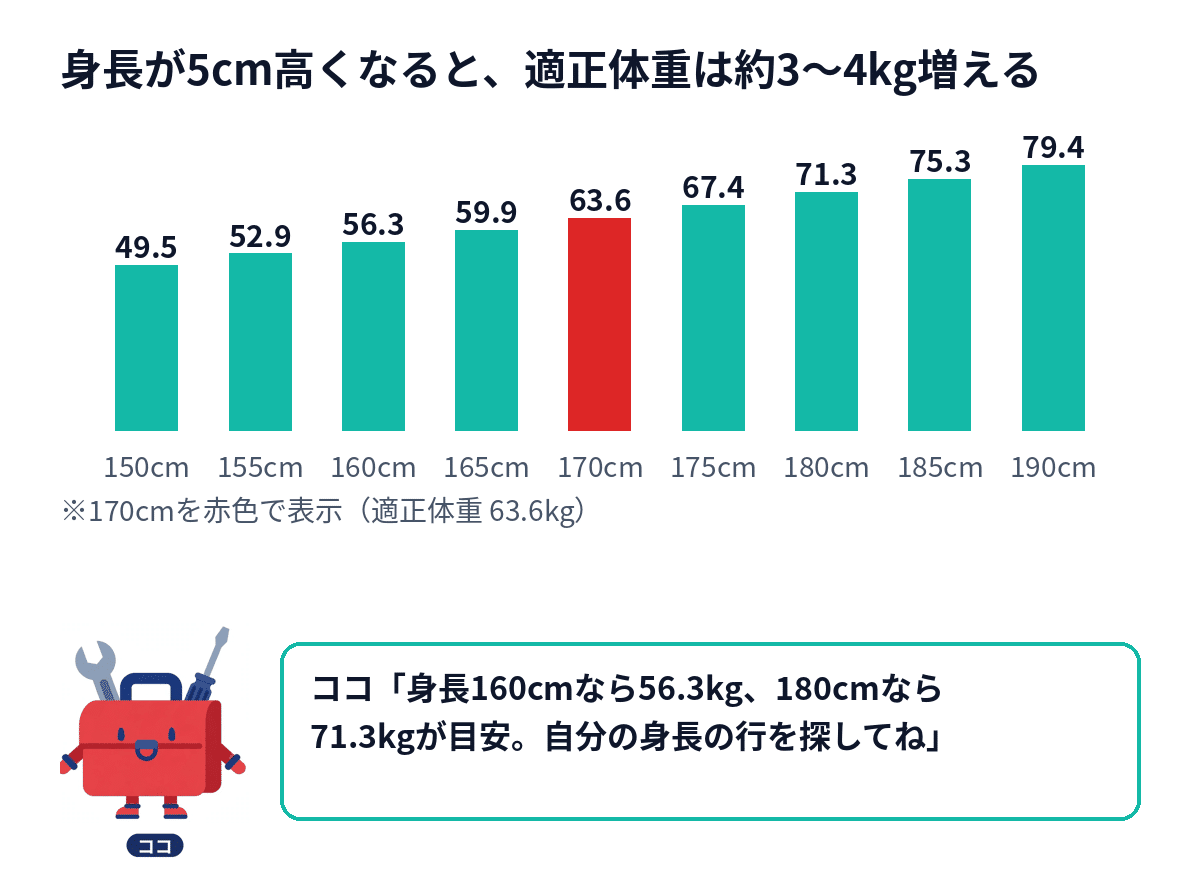
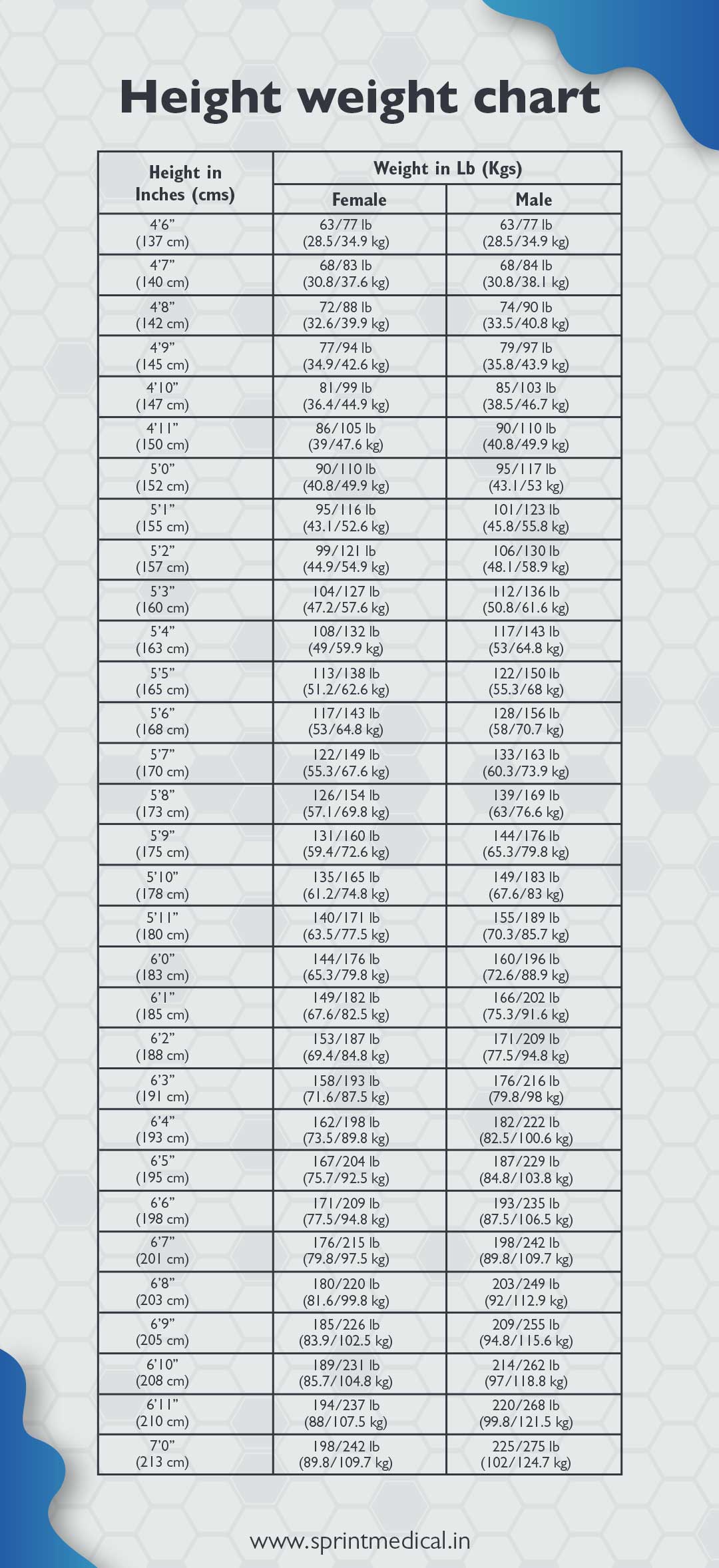
An Average Weight Per Height Chart is a straightforward tool that displays the relationship between weight and height. These charts often feature a grid layout where one axis represents height (in inches or centimeters) and the other indicates weight (in pounds or kilograms). This kind of chart helps you determine if a person falls within the average weight range for their height.
When using the chart, you can easily find the corresponding weight for a specific height. For instance, if your child is 4 feet 5 inches tall, you can look along that height row to see the range of weights considered healthy. Typically, these charts will provide a range rather than a fixed number, allowing for variations based on body composition and other factors.
How to Use the Average Weight Per Height Chart
Using the Average Weight Per Height Chart is quite simple and can fit perfectly into your routine. Here’s how to make the most of it:
- Print the Chart: Find a suitable version online (usually in PDF format) and print it out. Many resources offer charts in both portrait and landscape formats, so choose one that fits your space best. A landscape layout tends to provide more room for detailed information.
- Measure Height Accurately: Ensure you have an accurate measurement of height. For children, this can be done using a tape measure against a wall. Make sure they stand straight with their heels touching the wall for the most accurate reading.
- Locate the Weight Range: Once you have the height measurement, locate it on the chart. Next, look across the row to see the corresponding weight range. It’s important to note that these ranges can vary, so make sure to use updated charts that reflect the latest health guidelines.
- Monitor Changes: Make it a routine to check the chart periodically, especially if you’re tracking a child’s growth. This can help you spot trends over time and discuss any concerns with a healthcare provider.
Understanding the Layout and Sections of the Chart
The design of the Average Weight Per Height Chart is intentional and user-friendly. Here are some features you’ll typically find:
- Grid Layout: The chart is organized in a grid format for easy navigation. Heights are usually listed in ascending order, making it simple to find the height you’re interested in.
- Weight Ranges: Instead of a single weight value, you’ll often find a range that includes underweight, healthy, overweight, and obese categories. This is especially useful for parents, as children can have different body types and growth patterns.
- Color Coding: Some charts may use color coding to highlight different weight categories, making it visually intuitive. For instance, green might indicate a healthy weight, while red flags an unhealthy range.
- Age Considerations: While many charts focus on adults, there are also those tailored for children, which consider age and developmental stages. This can be particularly useful for parents who want to ensure their child is growing at a healthy rate.
Common Mistakes to Avoid
When using an Average Weight Per Height Chart, there are a few pitfalls to watch out for:
- Ignoring the Range: It’s easy to focus on a single number, but remember that the chart provides a range for a reason. Individual body types and muscle mass can affect weight, so use the range as a guideline rather than a strict rule.
- Not Considering Age: For children, age plays a significant role in determining healthy weight. Make sure to use age-appropriate charts that take growth spurts and developmental phases into account.
- Neglecting Professional Advice: While the chart is a helpful tool, it’s not a substitute for professional medical advice. If you have concerns about weight, it’s always good to consult with a healthcare provider.
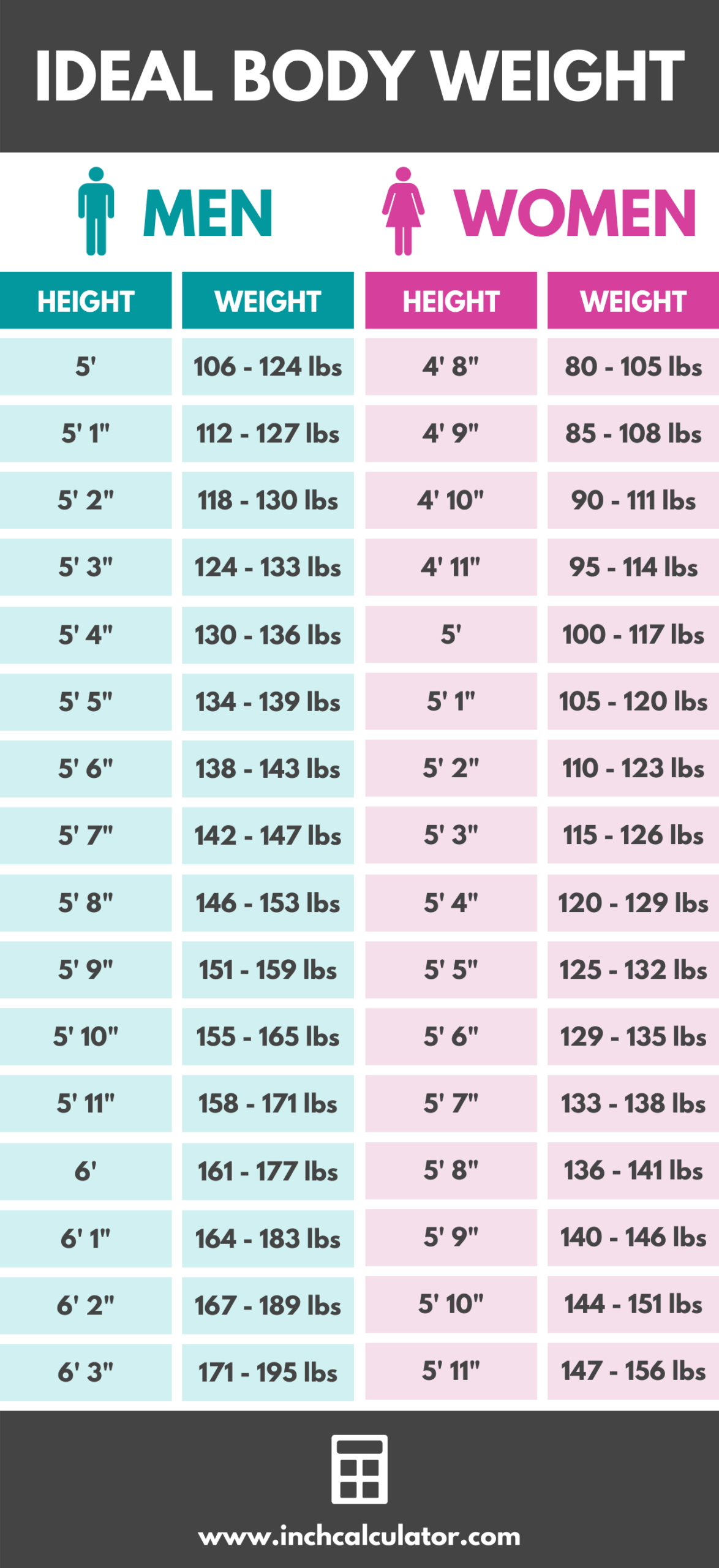
Where to Find Printable Charts
You can easily find printable Average Weight Per Height Charts online. Here are some tips for locating a reliable version:
- Trusted Health Websites: Look for charts on reputable health websites or organizations that specialize in nutrition and health. These sources are more likely to provide accurate and updated information.
- School Resources: Many schools provide health resources for parents, including these charts. Check your local school district’s website for downloadable materials.
- Pediatrician Offices: Don’t hesitate to ask your child’s pediatrician for a copy of the chart during routine check-ups. They often have the latest versions available.
Opting for a PDF version is usually best, as it ensures the chart maintains its formatting and is easy to print. You can also consider laminating it for durability if you plan to use it frequently.
