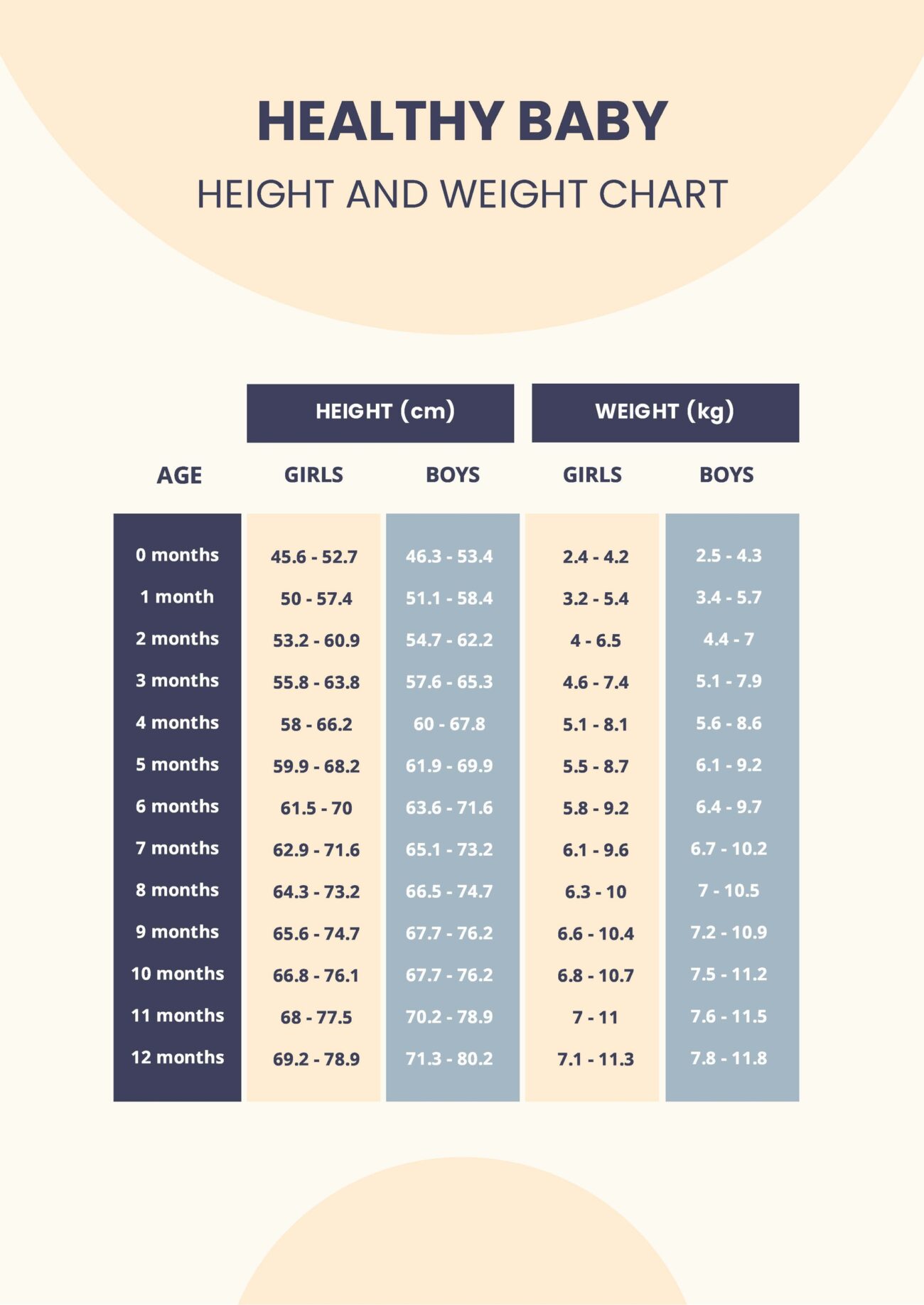
Tracking your child’s growth can be both exciting and daunting. As parents, we want to ensure our little ones are developing healthily. A handy tool for this purpose is the 1 Year Old Height And Weight Chart. This chart helps you visualize where your child stands in terms of growth compared to established standards. By understanding how to read and utilize this chart, you can better monitor your child’s development and discuss any concerns with your pediatrician.
Understanding the Growth Chart
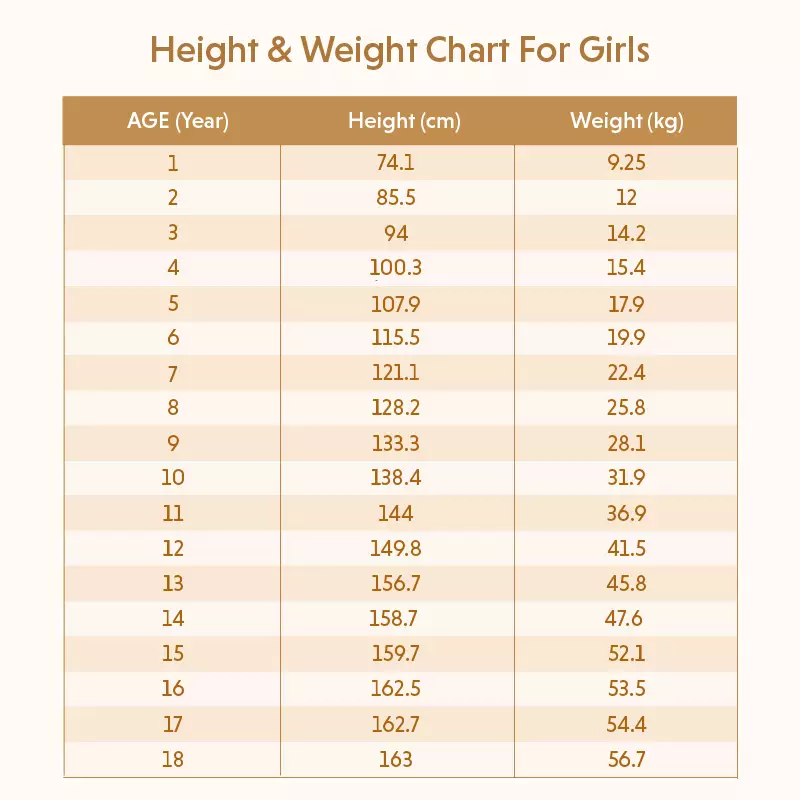
A height and weight chart for 1-year-olds typically includes percentile ranges. These percentiles indicate how your child compares to others of the same age and sex in a population. For instance, if your child is in the 50th percentile for weight, that means they weigh more than 50% of children their age.
The chart is divided into two main sections: one for height and one for weight. Each section will list percentiles ranging from the 3rd to the 97th percentile, allowing you to see where your child falls. It’s important to note that the growth pattern can vary significantly, and a healthcare provider should evaluate any concerns.
How to Use the 1 Year Old Height And Weight Chart
To effectively use the chart, follow these steps:
- Gather Your Child’s Measurements: Measure your child’s height and weight accurately. For height, make sure your child is standing straight against a wall. For weight, use a reliable scale.
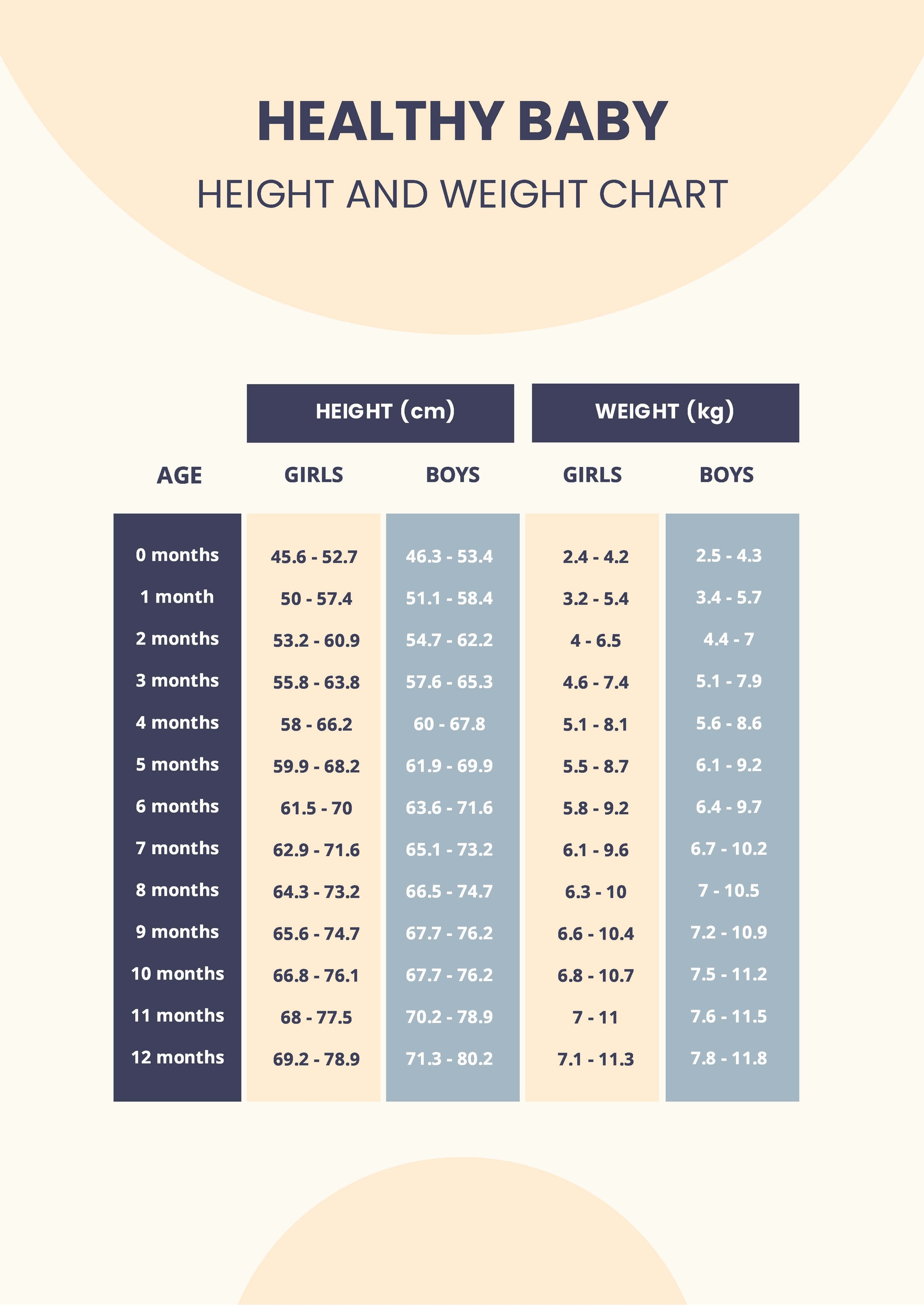
- Locate the Correct Percentile: Find your child’s age on the chart. Move across to the corresponding height and weight measurements. This will help you identify the percentile range.
- Record the Data: It’s beneficial to keep a record of these measurements over time. You can create a simple table or a growth tracking app to log dates, height, and weight.
- Discuss with Your Pediatrician: If you notice your child is consistently below the 10th percentile or above the 90th percentile, it’s wise to consult a healthcare provider. They can help determine if there are underlying health issues or provide guidance on nutrition and development.
Importance of Regular Monitoring
Regularly checking your child’s height and weight is essential. It allows you to track growth patterns and identify any potential issues early on. Here are some reasons why this practice matters:
- Early Intervention: Identifying growth issues early can lead to timely interventions. Whether it’s adjusting diet, increasing physical activity, or addressing health concerns, early detection is key.
- Building Healthy Habits: By monitoring growth, you can also foster healthy habits. Encourage balanced nutrition and active playtime, which contribute positively to physical development.
- Confidence for Parents: Knowing that you’re keeping a close eye on your child’s growth can ease parental anxiety. It gives you tangible data to discuss during doctor visits.
Tips for Accurate Measurement
Accurate measurements are crucial for effectively using the 1 Year Old Height And Weight Chart. Here are some practical tips:
- Timing: Measure your child at the same time each day, preferably in the morning, to ensure consistency.
- Clothing: Weigh your child in minimal clothing, as heavier clothing can skew results. For height, remove shoes and any bulky clothing.
- Tools: Use a stadiometer for height and a digital scale for weight. These tools provide more accurate readings compared to standard household items.
Printable Resource Availability
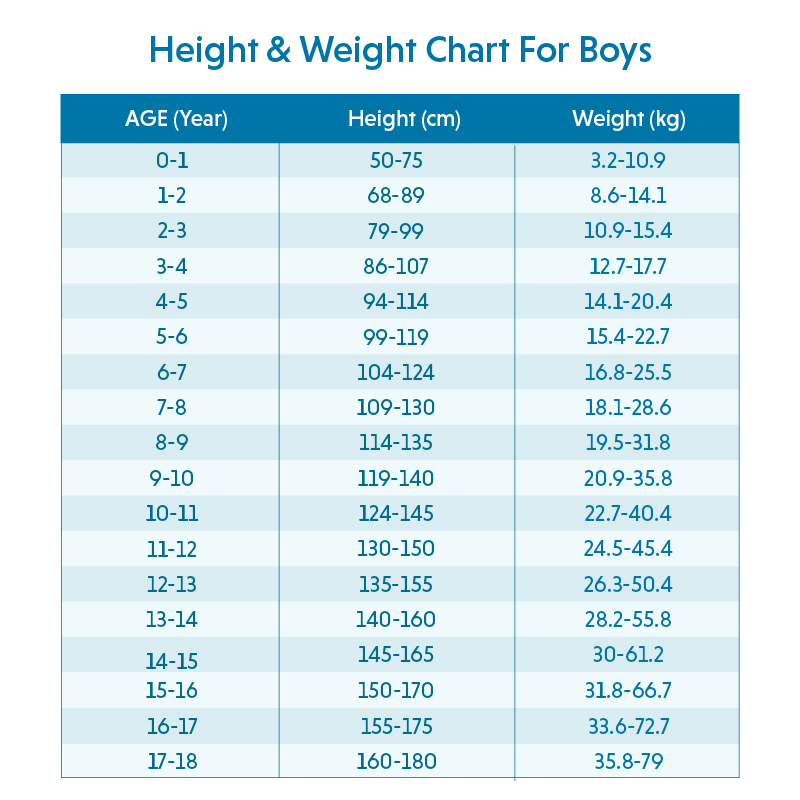
You might find it helpful to have a printable version of the 1 Year Old Height And Weight Chart. This allows you to keep a physical copy handy for quick reference. Many health organizations provide downloadable PDFs that can be printed for personal use. You can also create your own chart if you prefer a customized version. Just ensure you’re using reliable data sources for accuracy.
