Tracking your child’s growth is an essential part of parenting, especially during those early years when they develop rapidly. The 1 Year Old Girl Weight Chart is a practical tool designed to help you monitor your little one’s weight against standard growth benchmarks. This resource simplifies the process of understanding where your child stands in terms of healthy weight ranges, making it easier for you to ensure they are growing as expected.
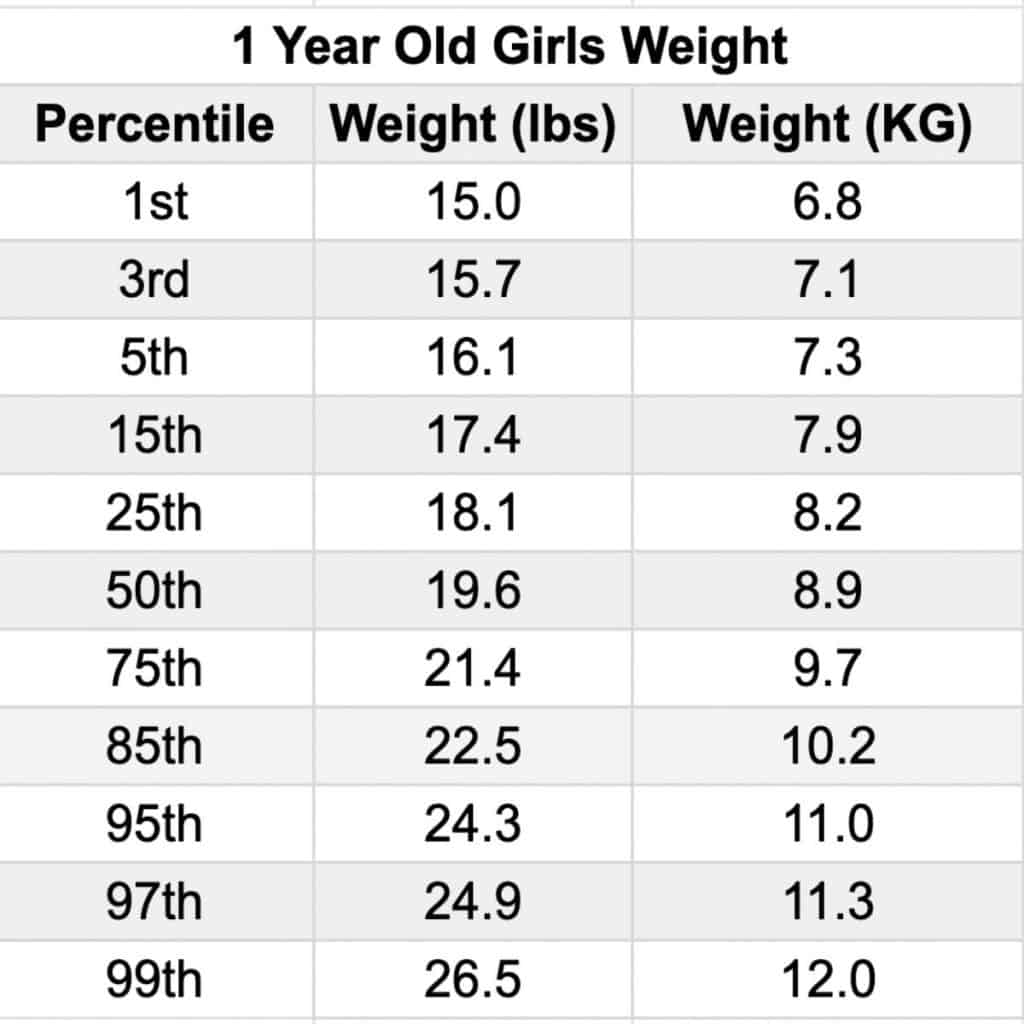
Understanding the 1 Year Old Girl Weight Chart Layout
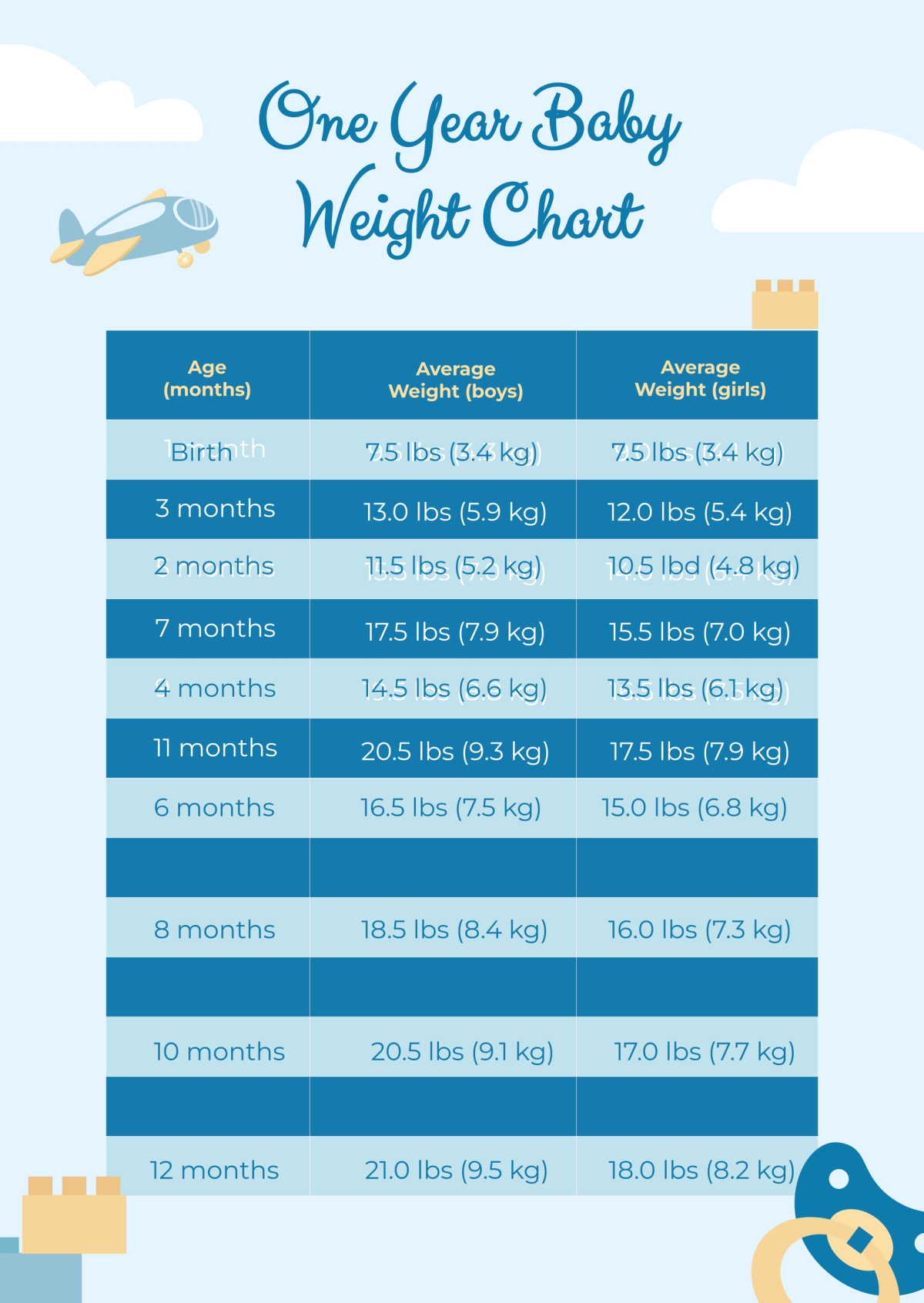
The 1 Year Old Girl Weight Chart typically presents data in a clear, visual format. You’ll find that it includes various percentiles (like the 5th, 50th, and 95th) that represent the weight ranges for girls of this age. These percentiles help contextualize your child’s weight, indicating whether they are below, average, or above the typical weight for their age.
The chart is usually organized with age on the horizontal axis and weight on the vertical axis, creating a straightforward grid for you to plot your child’s weight. Each plotted point will fall within one of the percentile lines, giving you immediate visual feedback on their growth trajectory.
How to Use the Weight Chart Effectively
Using the 1 Year Old Girl Weight Chart is straightforward. Here’s how you can make the most of this resource:
- Measure Your Child’s Weight: Use a reliable scale to weigh your baby. Make sure to do this when they are in a diaper or light clothing for the most accurate reading.
- Locate Your Child’s Age: Find your child’s age on the horizontal axis of the chart. Since this chart is for one-year-old girls, you’ll focus on this specific age range.
- Plot the Weight: Move vertically from your child’s age to find the corresponding weight. Mark this point on the chart.
- Interpret the Results: Once you’ve plotted the weight, see which percentile line your point falls on. For instance, if it lands near the 50th percentile, your child is at the average weight for her age.
- Regular Updates: Make it a habit to check and update the chart regularly (e.g., monthly). This will help you spot any trends in your child’s growth, allowing for timely discussions with healthcare providers if needed.
When to Consult a Pediatrician
While the 1 Year Old Girl Weight Chart is a helpful tool, it’s essential to remember that it’s just one part of a broader picture. If your child consistently falls below the 5th percentile or above the 95th percentile, or if you notice sudden changes in their weight, it’s wise to consult a pediatrician. They can provide insights into whether your child’s growth pattern is healthy and if any interventions are necessary.
Quality and Presentation for Optimal Use
When printing your 1 Year Old Girl Weight Chart, consider the following tips for the best presentation:
- Paper Type: Use a heavier paper, like cardstock, for durability. This will help the chart withstand wear and tear, especially if you plan to write on it frequently.
- Print Settings: Print in color if possible. The different percentiles are often color-coded, making it easier to read and interpret.
- Size Matters: Standard letter size (8.5 x 11 inches) works best for most home printers. If you want a larger version for easier visibility, look for a PDF that can be printed on larger paper.
- Lamination: If you prefer to use a dry-erase marker to keep track of measurements, consider laminating your printed chart. This makes it reusable and easy to update.
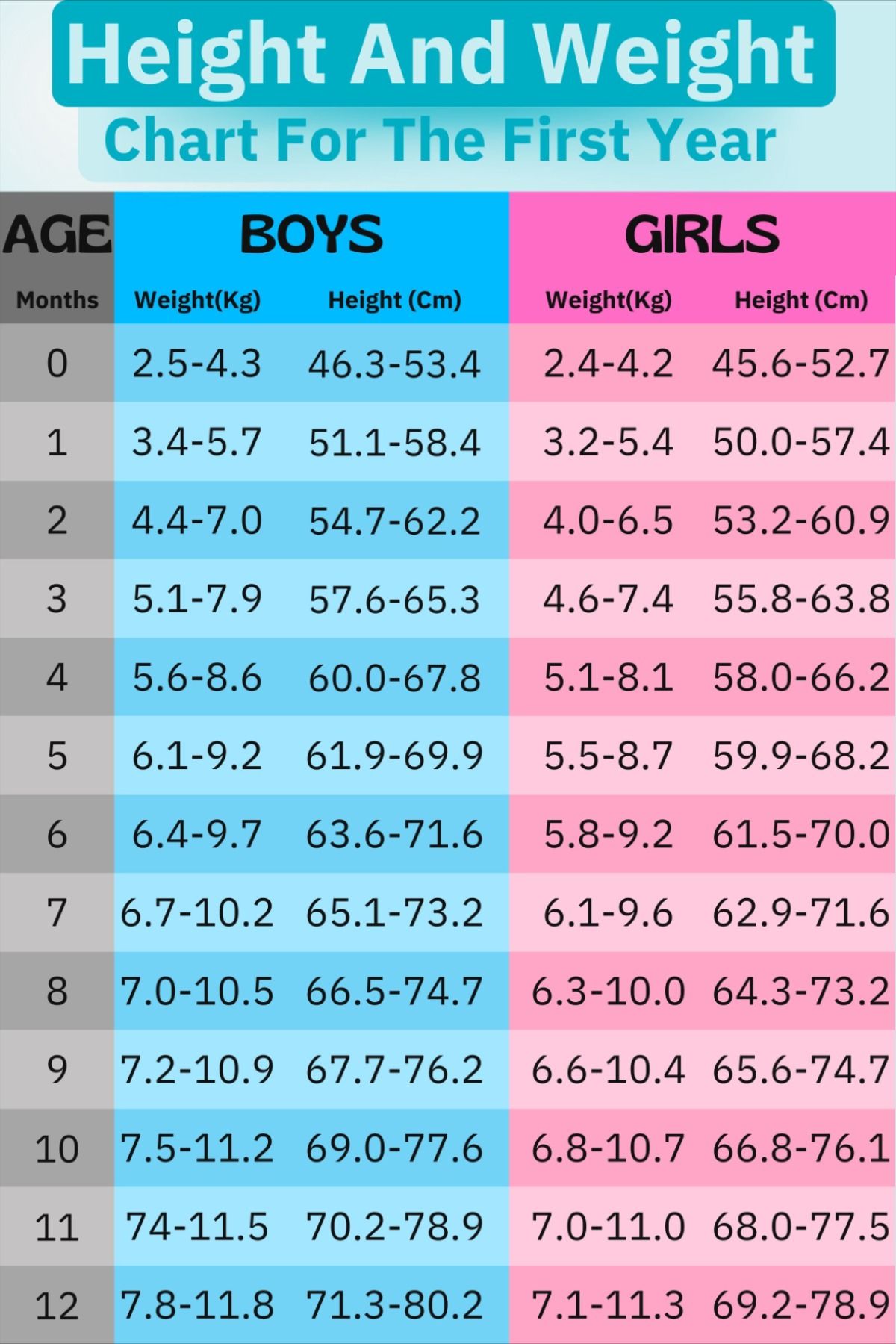
Additional Resources for Parents
In addition to the weight chart, many printable resources can complement your tracking efforts:
- Growth Tracking Charts: These can help you document not just weight, but also height and head circumference over time.
- Health Journals: A dedicated health journal can allow you to keep notes on your child’s milestones, feeding habits, and any health concerns.
- Nutrition Guides: Access to meal planners and nutrition guides can be beneficial, especially as your child transitions to more solid foods around this age.
- Developmental Checklists: These can provide insights into what developmental milestones to watch for as your child grows, ensuring you’re aware of their overall health.
By utilizing the 1 Year Old Girl Weight Chart and other related resources, you can take a proactive approach in monitoring your child’s growth. This not only helps you keep track of their development but also empowers you to discuss any concerns with healthcare professionals confidently. Remember, being informed is key to ensuring your child’s healthy growth and well-being.
