As a parent, keeping track of your baby’s growth is essential, especially during their first year. The 1 Year Old Baby Weight Chart is a valuable tool to help you monitor your child’s weight and ensure they are growing at a healthy rate. Understanding how to read and use this chart can provide peace of mind and help guide your conversations with healthcare professionals. Let’s explore how to effectively utilize this resource for your little one.
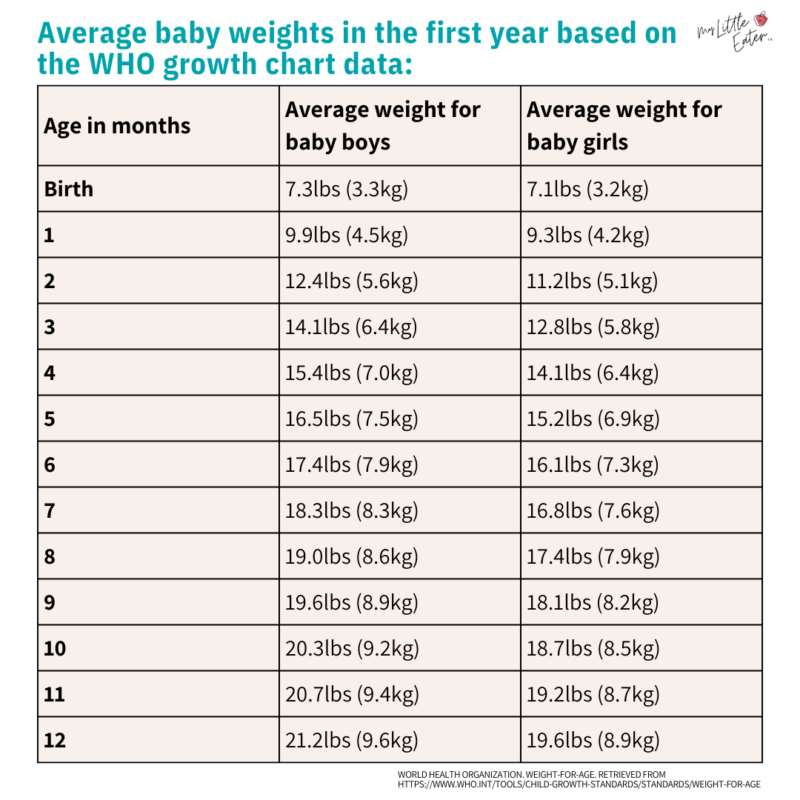
Understanding the 1 Year Old Baby Weight Chart
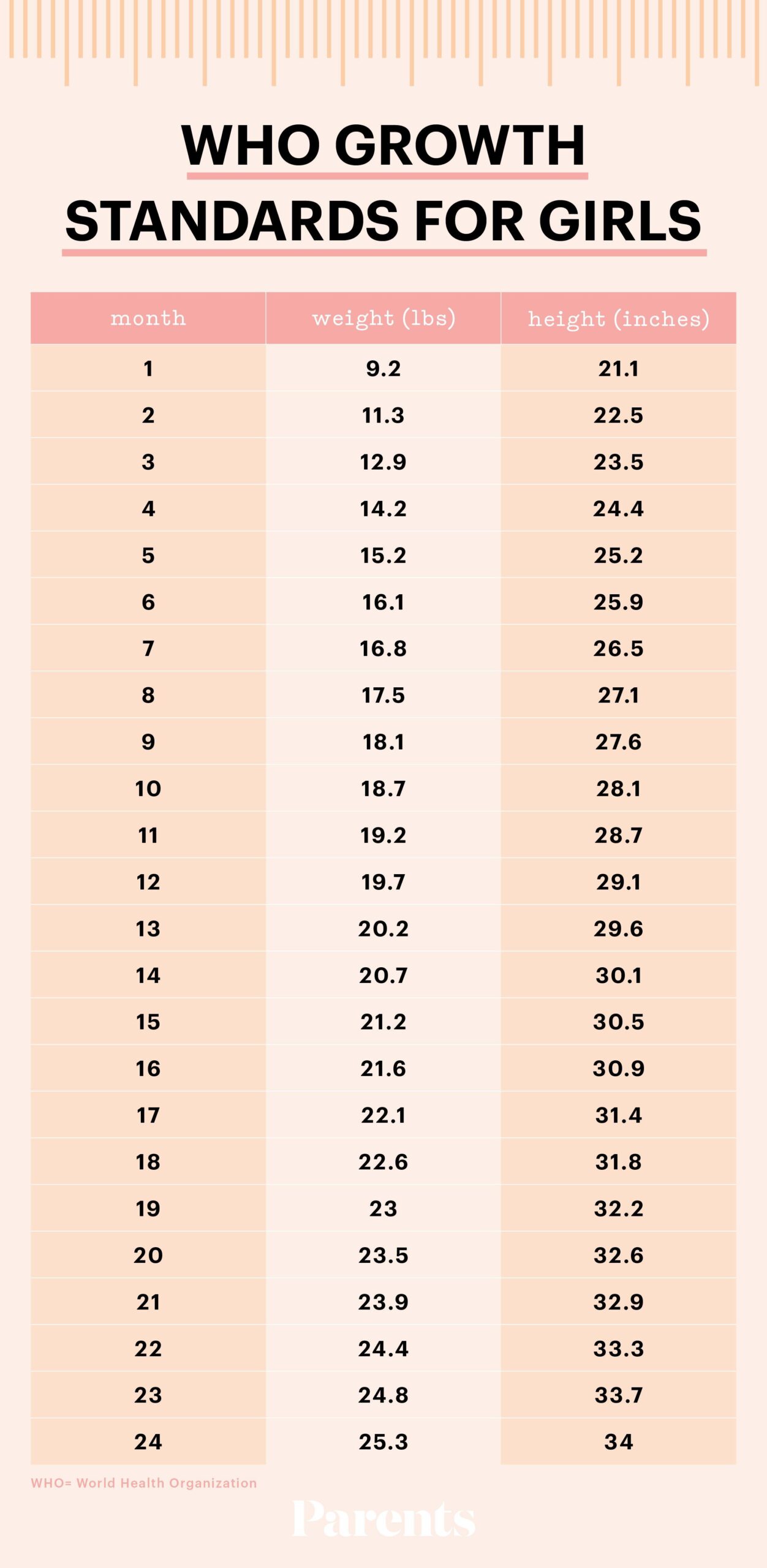
The 1 Year Old Baby Weight Chart typically displays weight percentiles based on age and gender. This chart helps you see how your child’s weight compares to other children the same age. Here’s what you’ll usually find on the chart:
- Age: The horizontal axis shows the age in months, usually from birth to 24 months.
- Weight: The vertical axis lists weight in pounds or kilograms.
- Percentiles: The lines on the chart indicate the percentiles (like the 5th, 50th, and 95th) that show how your child’s weight compares to others. For example, if your child is in the 50th percentile, they weigh more than 50% of children their age.
Understanding this layout is crucial as it helps you track whether your baby is growing consistently.
How to Fill in the Chart
Filling out the 1 Year Old Baby Weight Chart is straightforward but requires some preparation. Here’s a step-by-step guide to get you started:
- Measure Your Baby’s Weight: Use a baby scale for accuracy. Make sure to weigh your child without clothes or in minimal clothing for the best results.
- Record the Date: Note when you take the measurement. It’s helpful to keep a log to track growth over time.
- Locate Your Child’s Age: Find the corresponding age on the chart. For a one-year-old, you’ll focus on the 12-month mark.
- Plot the Weight: Find the weight on the vertical axis and draw a dot or make a note where it intersects with the age line.
- Connect the Dots: If you’re tracking over multiple months, connect each dot to visualize growth trends.
This process allows you to see patterns in your baby’s growth, which is essential for discussions with pediatricians.
Why Monitoring Weight is Important
Monitoring your child’s weight isn’t just about numbers; it’s about overall health and development. Here’s why it matters:
- Growth Patterns: Regular tracking can help identify if your child is growing too slowly or rapidly compared to peers.
- Nutrition Assessment: Changes in weight may prompt discussions about diet and nutrition. If your child is not gaining weight appropriately, it might be time to reassess their feeding routine.
- Health Concerns: Sudden weight loss or gain can sometimes indicate underlying health issues. Keeping a record can help you spot these changes early.
By keeping an eye on these trends, you’re more equipped to address any concerns with your healthcare provider.
When to Consult a Pediatrician
While the 1 Year Old Baby Weight Chart can provide valuable insights, there are times when it’s essential to consult a pediatrician. Here are some situations to look out for:
- Stagnation in Growth: If your child hasn’t gained weight in a few months, it might be time for a check-up.
- Rapid Weight Gain: Conversely, if your child is gaining weight too quickly, this can also be a red flag.
- Health Changes: If you notice other health issues, such as lethargy or changes in appetite, reach out to a professional.
Discussing your observations with a pediatrician can help ensure your child’s growth and development remain on track.
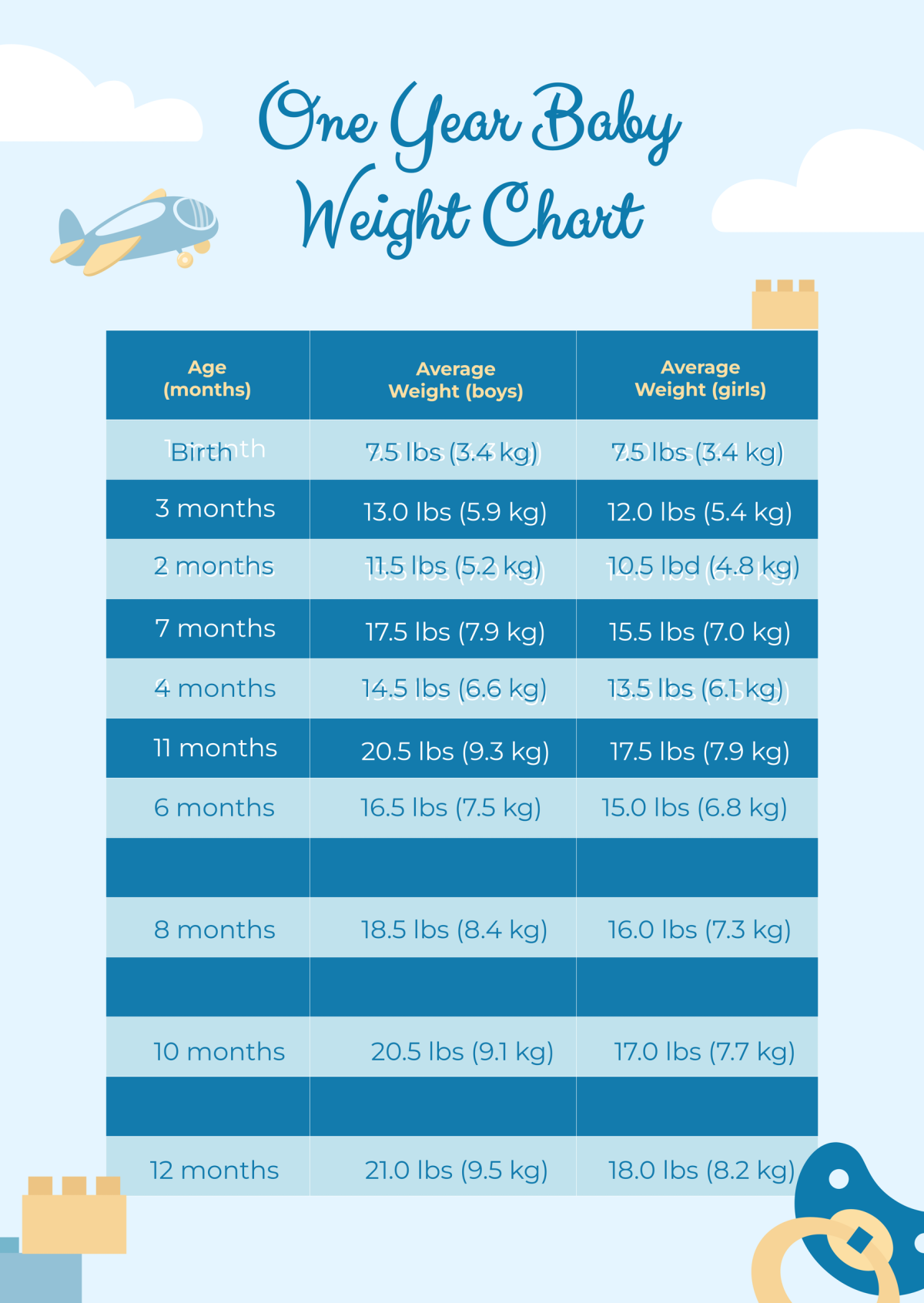
Tips for Using the 1 Year Old Baby Weight Chart
Now that you understand how to use the 1 Year Old Baby Weight Chart, here are some quick tips to maximize its effectiveness:
- Keep It Accessible: Print out the chart and keep it in a visible place, like your child’s health record binder or on the fridge.
- Regular Updates: Make it a habit to weigh your child monthly, especially in their first year when growth can be rapid.
- Engage with the Pediatrician: Bring the chart to appointments, so you can discuss growth patterns and any concerns.
By integrating these practices, you’ll be able to make the most of the 1 Year Old Baby Weight Chart and ensure that your little one is thriving.
Using this chart doesn’t need to be overwhelming. Just take it step by step, and you’ll soon feel confident monitoring your baby’s growth. Remember, early detection of growth issues is key to ensuring a happy, healthy development for your child.
