To support your child’s development during their first year, understanding growth metrics is essential. The 1 Year Old Boy Height Weight Chart serves as a helpful guide for parents to ensure their son is on track with healthy growth patterns. As your little one approaches their first birthday, keeping an eye on their height and weight can offer reassurance and insight into their overall health.
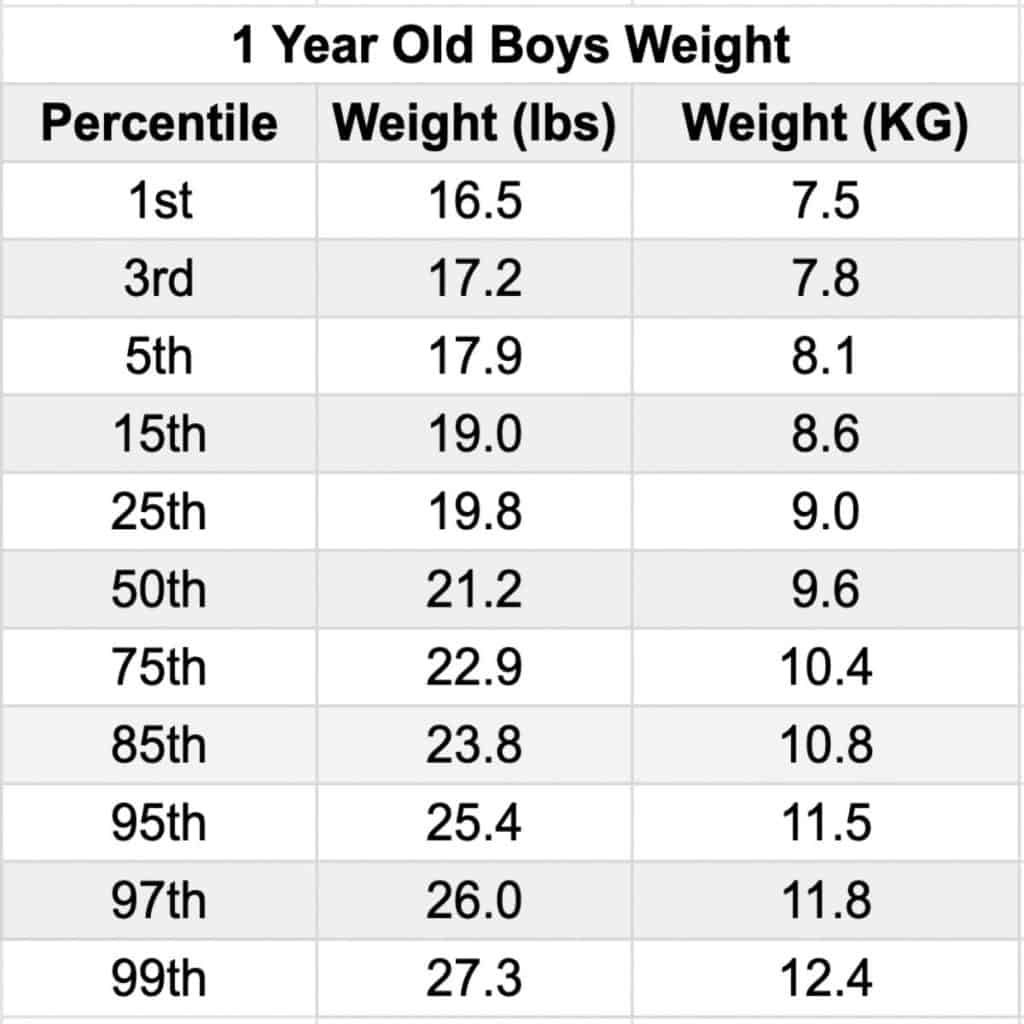
Understanding the 1 Year Old Boy Height Weight Chart
The 1 Year Old Boy Height Weight Chart is designed to provide benchmarks for boys at the age of one. These charts are typically based on data from pediatric growth studies and can help you assess if your child is growing at a healthy rate. The measurements usually include percentiles that indicate where your child stands in comparison to other boys their age.
For instance, if your son is in the 50th percentile for weight, this means he weighs more than 50% of boys his age. Understanding these percentiles can help you identify any potential growth issues early on.
How to Read the Chart
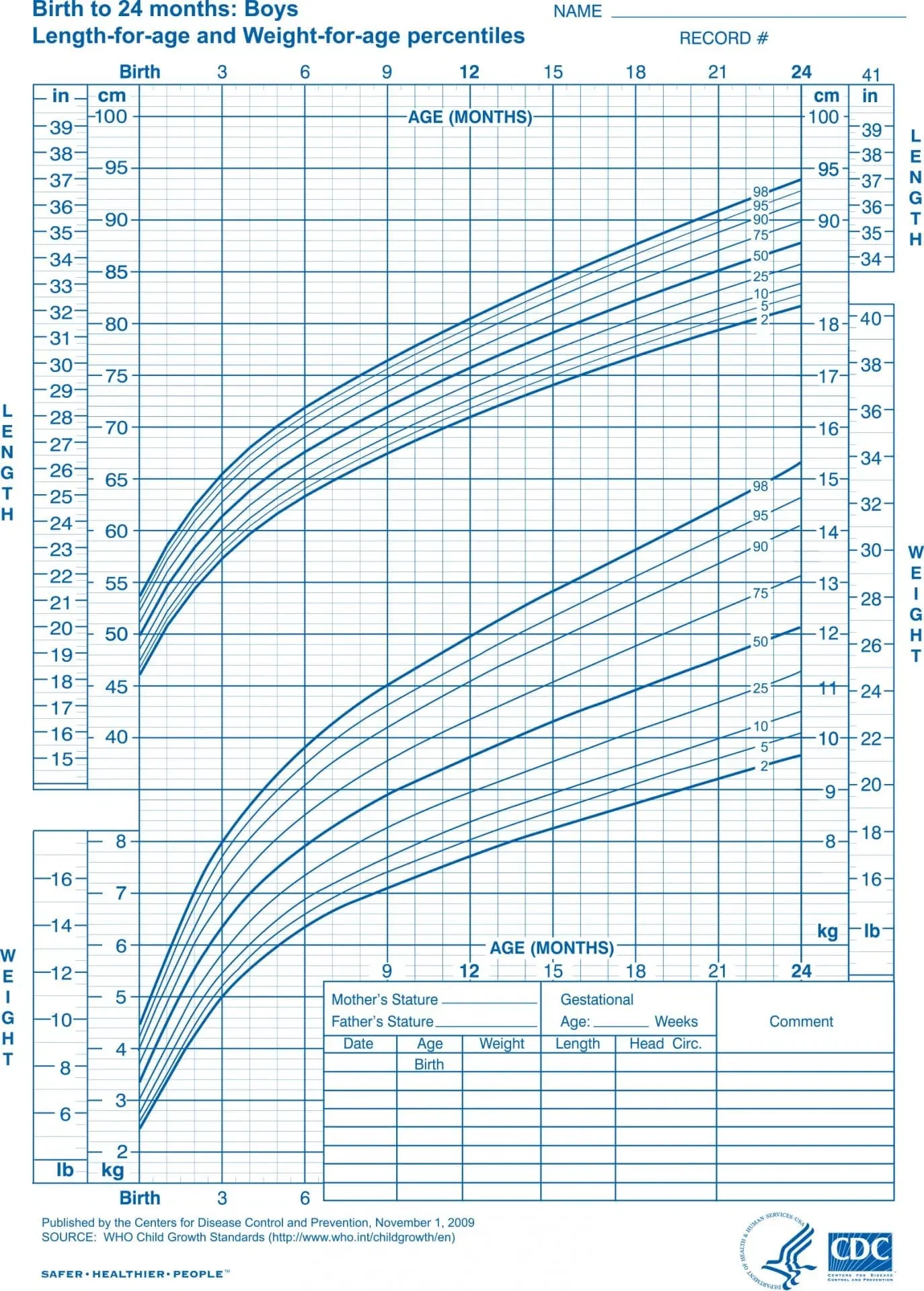
Reading the height and weight chart may seem daunting at first, but it’s quite straightforward once you get the hang of it. Here’s how to effectively interpret the information:
- Locate Age: Find the age marker on the bottom of the chart, which in this case will be at the 12-month mark.
- Identify Percentiles: The chart will display several lines, each representing a percentile (for example, 5th, 10th, 50th, 90th, and 95th).
- Plot Your Child’s Data: Using your child’s height and weight, plot their measurements against the percentiles.
- Assess Growth Patterns: If your child’s measurements fall within the 10th to 90th percentile range, they are generally considered to be growing normally. If they fall outside this range, it may be worth consulting with a pediatrician.
Example Measurements
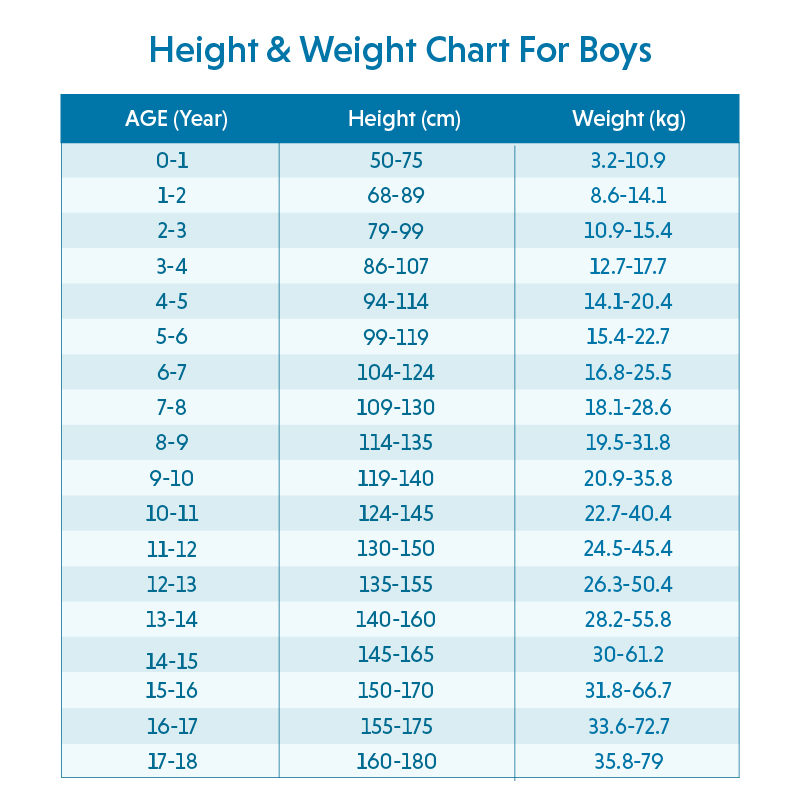
While the exact numbers can vary slightly by source, a typical 1 Year Old Boy Height Weight Chart might include the following:
- Weight: 19-24 pounds (8.6-10.9 kg)
- Height: 28-32 inches (71-81 cm)
When to Use the Chart
You’ll want to reference the 1 Year Old Boy Height Weight Chart during regular check-ups with your pediatrician, typically scheduled at the 12-month mark. These visits are crucial for monitoring your child’s growth and development.
However, it’s also handy to have at home. Tracking growth at home can help you notice trends over time. If you start to see that your child’s weight or height is consistently below or above the expected range, you can prepare to discuss this with your doctor.
Practical Tips for Using the Chart
To make the most of the 1 Year Old Boy Height Weight Chart, consider the following:
- Keep It Accessible: Print out the chart and keep it in a visible place, like your child’s health record binder or on the fridge.
- Use a Growth Tracker: Pair the chart with a growth tracking worksheet where you can consistently document your child’s height and weight over time.
- Choose the Right Format: If you prefer digital resources, look for a PDF version of the chart that you can easily download and print at home. This avoids any reformatting issues that can arise with image files.
Quality Considerations for Printing
When printing the chart, keep a few important details in mind:
- Paper Type: Use standard letter-sized paper (8.5 x 11 inches) for easy printing; however, if you’re planning to laminate the chart for durability, cardstock is a better option.
- Printer Settings: Ensure your printer settings are adjusted to avoid any resizing issues. Portrait layout works well for most home printers, allowing the chart to fit nicely on the page.
- Color vs. Black and White: If you’re printing in color, it can help visualize the percentiles more clearly. However, black and white can also suffice if color printing isn’t an option.
Tracking Growth Beyond the Chart
While the 1 Year Old Boy Height Weight Chart is a valuable tool, remember that growth is just one aspect of your child’s health. Alongside physical measurements, consider other factors such as:
- Developmental Milestones: Keep an eye on motor skills, language development, and social engagement. These areas are equally important in assessing your child’s overall development.
- Nutrition: Ensure your child is getting a balanced diet. Healthy eating habits can significantly impact growth and development.
- Regular Check-Ups: Make sure to schedule regular pediatric appointments to monitor growth and developmental progress.
The most useful detail to remember is that growth charts are just one tool in a broader approach to your child’s health. They provide a snapshot, but ongoing attention to development and well-being is essential. By staying proactive and informed, you can support your child’s growth journey effectively.
