Tracking your little one’s growth is an essential part of parenthood, and the 1 Year Old Baby Girl Weight Chart is a vital tool for this. This chart helps you monitor your baby girl’s weight against the recommended growth standards, ensuring she’s developing healthily. Understanding how to read and utilize this chart can guide your decisions regarding nutrition and healthcare.
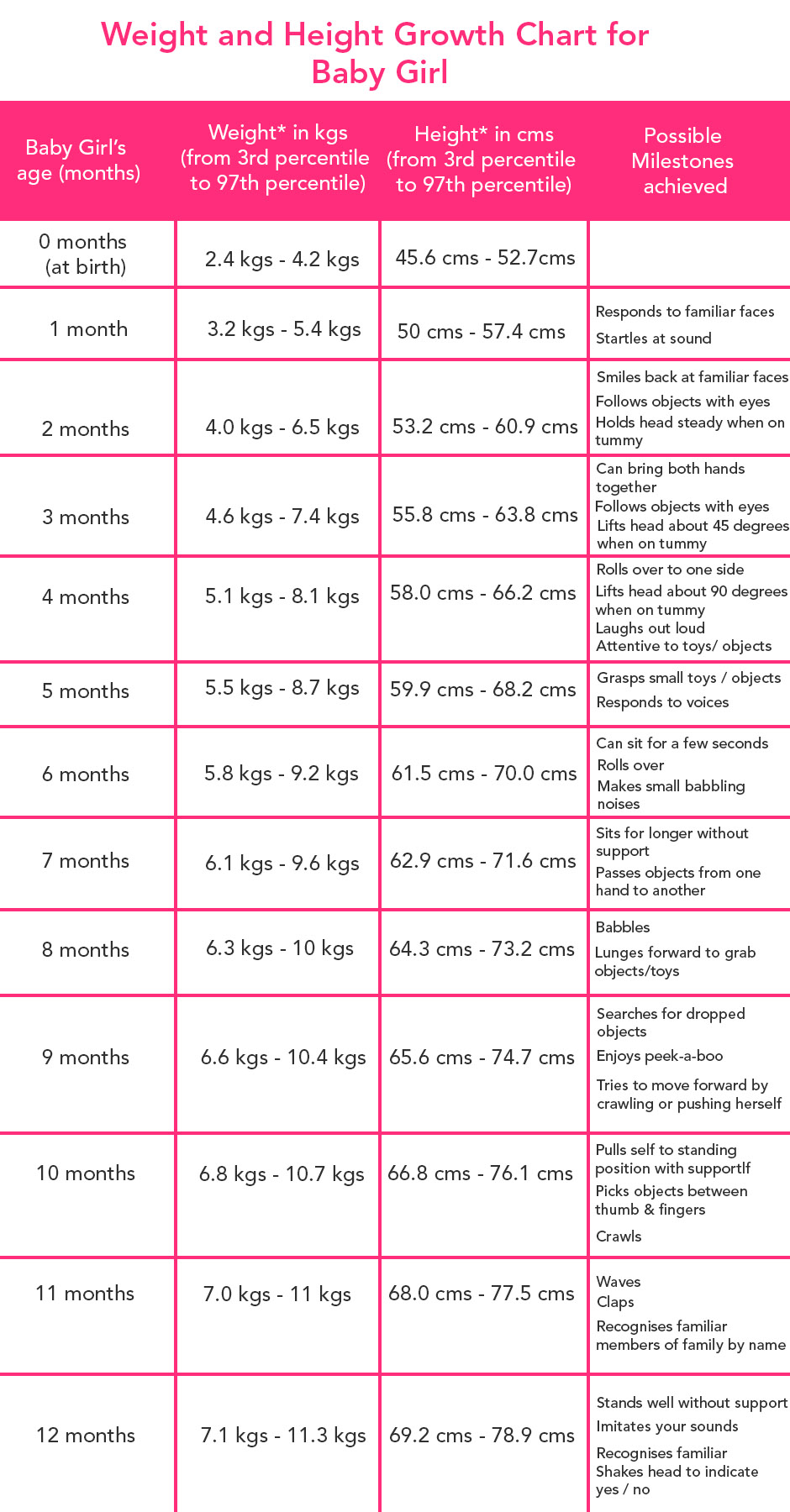
Understanding the 1 Year Old Baby Girl Weight Chart
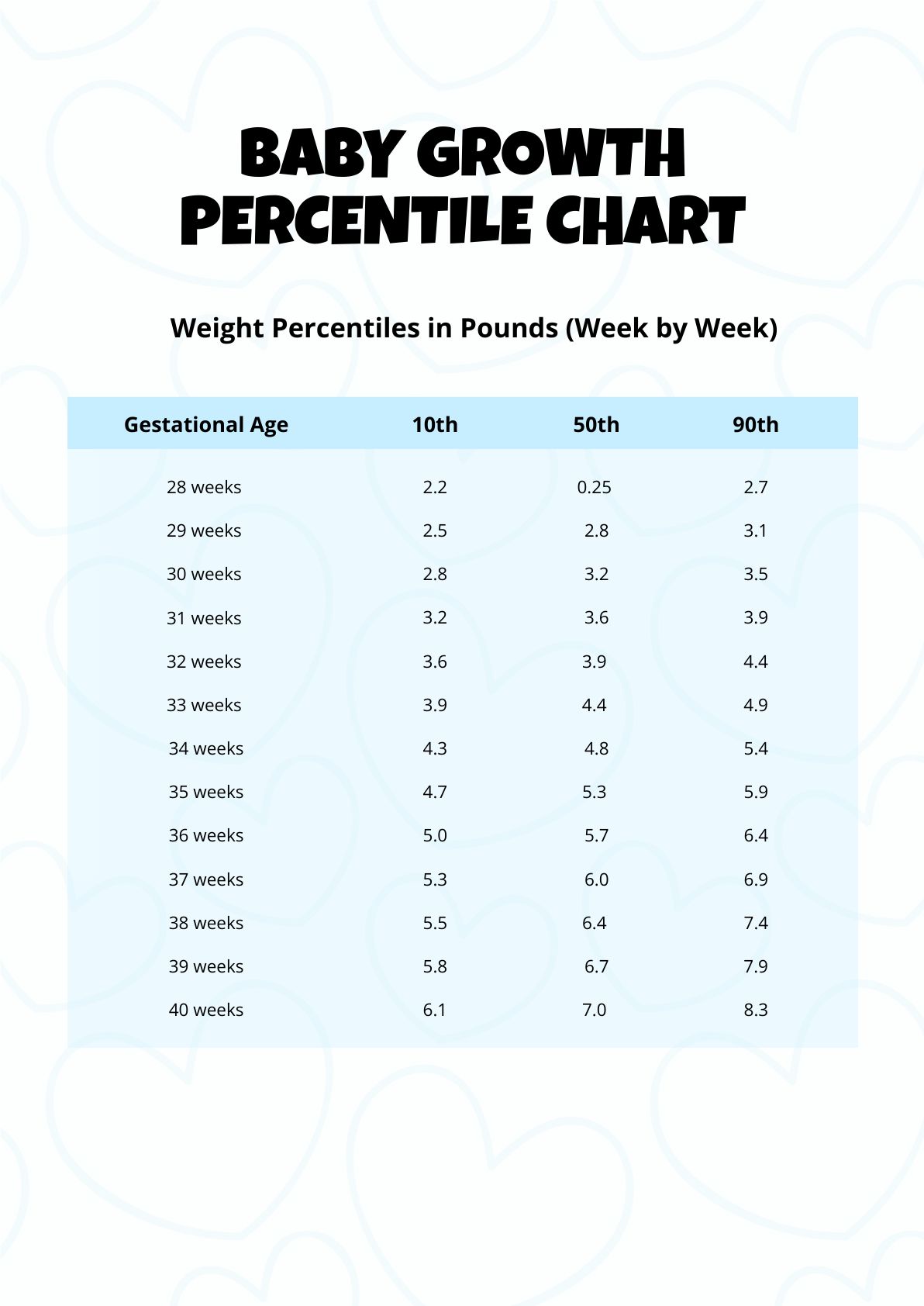
The 1 Year Old Baby Girl Weight Chart typically features a graph with percentiles that indicate how your baby’s weight compares to other girls her age. The World Health Organization (WHO) and the Centers for Disease Control and Prevention (CDC) provide these growth standards. You’ll notice that the chart is divided into percentiles, which show the distribution of weight among infants.
For instance, if your baby girl falls in the 50th percentile, it means she weighs more than 50% of her peers. It’s important to remember that each baby is unique, and growth patterns can vary widely. Regularly tracking your baby’s weight can give you insights into her overall health and nutritional needs.
How to Use the Weight Chart
Using the weight chart is straightforward. Here’s how you can effectively track your baby’s weight:
- Weigh Your Baby: Use a reliable baby scale to get an accurate weight. It’s best to do this in a consistent manner, perhaps once a month, to monitor trends.
- Locate the Age: Find the age range on the chart that corresponds to your baby girl’s age, which in this case is 1 year.
- Plot the Weight: Mark your baby’s weight on the chart. This will allow you to see where she stands in relation to the percentiles.
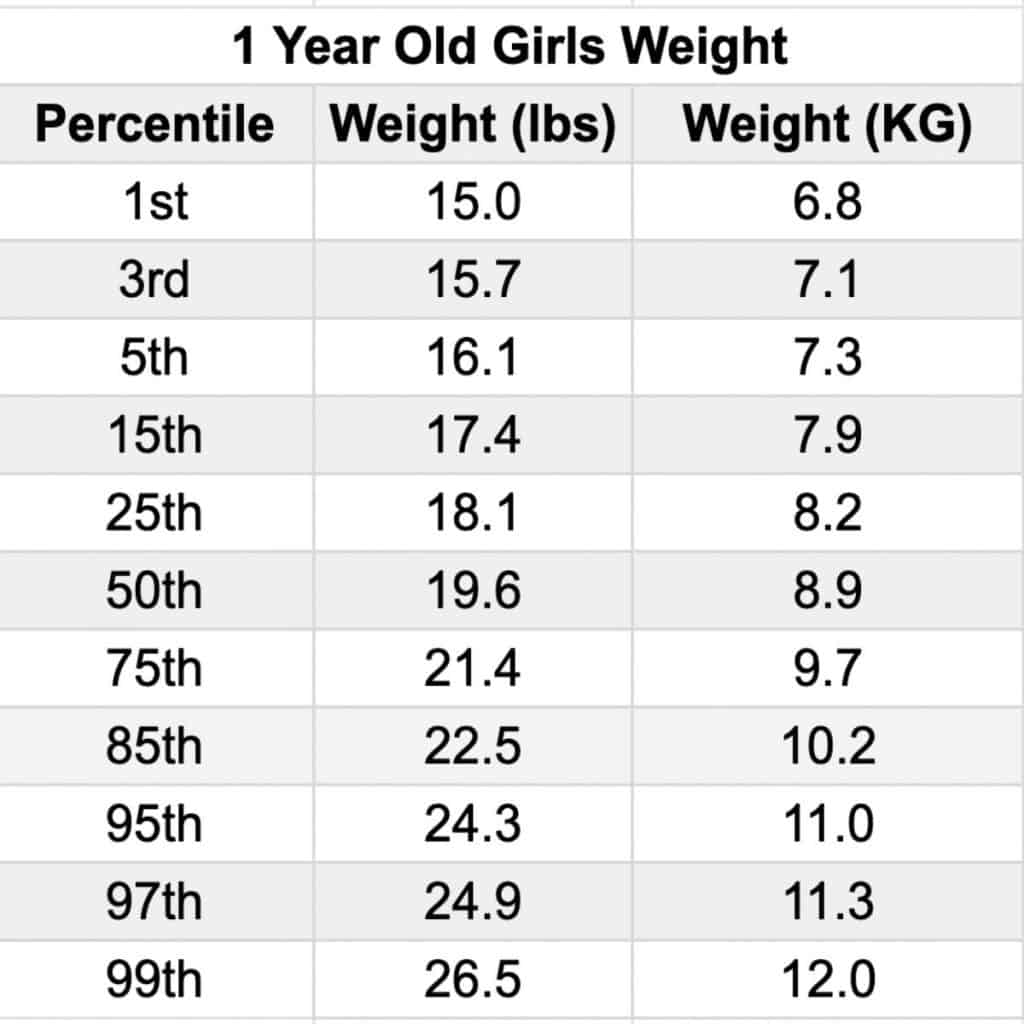
- Interpret the Results: Check which percentile your baby’s weight falls into. If she’s below the 5th percentile or above the 95th percentile, it may be worthwhile to consult with your pediatrician.
- Regular Updates: Keep your chart updated regularly to track growth over time. This helps you notice any significant changes that may require attention.
Common Mistakes to Avoid
When using the 1 Year Old Baby Girl Weight Chart, there are a few common pitfalls to watch out for:
- Inconsistent Weighing: Weighing your baby at different times of the day or using different scales can lead to inaccurate tracking. Try to weigh her at the same time each month for consistency.
- Ignoring Growth Patterns: A single measurement might not tell the whole story. Pay attention to trends over several months rather than focusing solely on one reading.
- Overemphasizing Percentiles: Percentiles are helpful, but they don’t define your baby’s health. Always consider her overall well-being, including her development and activity level.
Where to Get a Printable Version
You can find printable versions of the 1 Year Old Baby Girl Weight Chart online. Many pediatric websites and resources offer free downloads in PDF format, which can be easily printed at home. Look for options that are easy to read and clearly formatted, as this will help you fill in the information without confusion.
When printing, consider using a heavier cardstock, especially if you plan to keep it as a reference over time. This material is more durable and can withstand the occasional spills or accidental tearing that can come with parenthood.
Other Resources for Tracking Growth
In addition to the weight chart, there are other resources you can utilize to keep track of your baby’s growth:
- Height Chart: Measuring your baby’s height alongside her weight gives a fuller picture of her growth. A height chart can be printed separately or alongside the weight chart.
- Developmental Milestones Checklist: This can help ensure your baby is hitting important physical and cognitive milestones as she grows.
- Nutrition Tracker: Keeping a record of your baby’s eating habits can also support healthy growth. This can help identify if there are any dietary gaps that need addressing.
Using these tools in conjunction with the weight chart can provide a comprehensive overview of your baby girl’s health.
Remember, the goal of using the 1 Year Old Baby Girl Weight Chart is to support your baby’s healthy growth and development. Regular monitoring will help you make informed decisions about her nutrition and lifestyle. So, gather your resources, keep the chart handy, and enjoy watching her grow!
