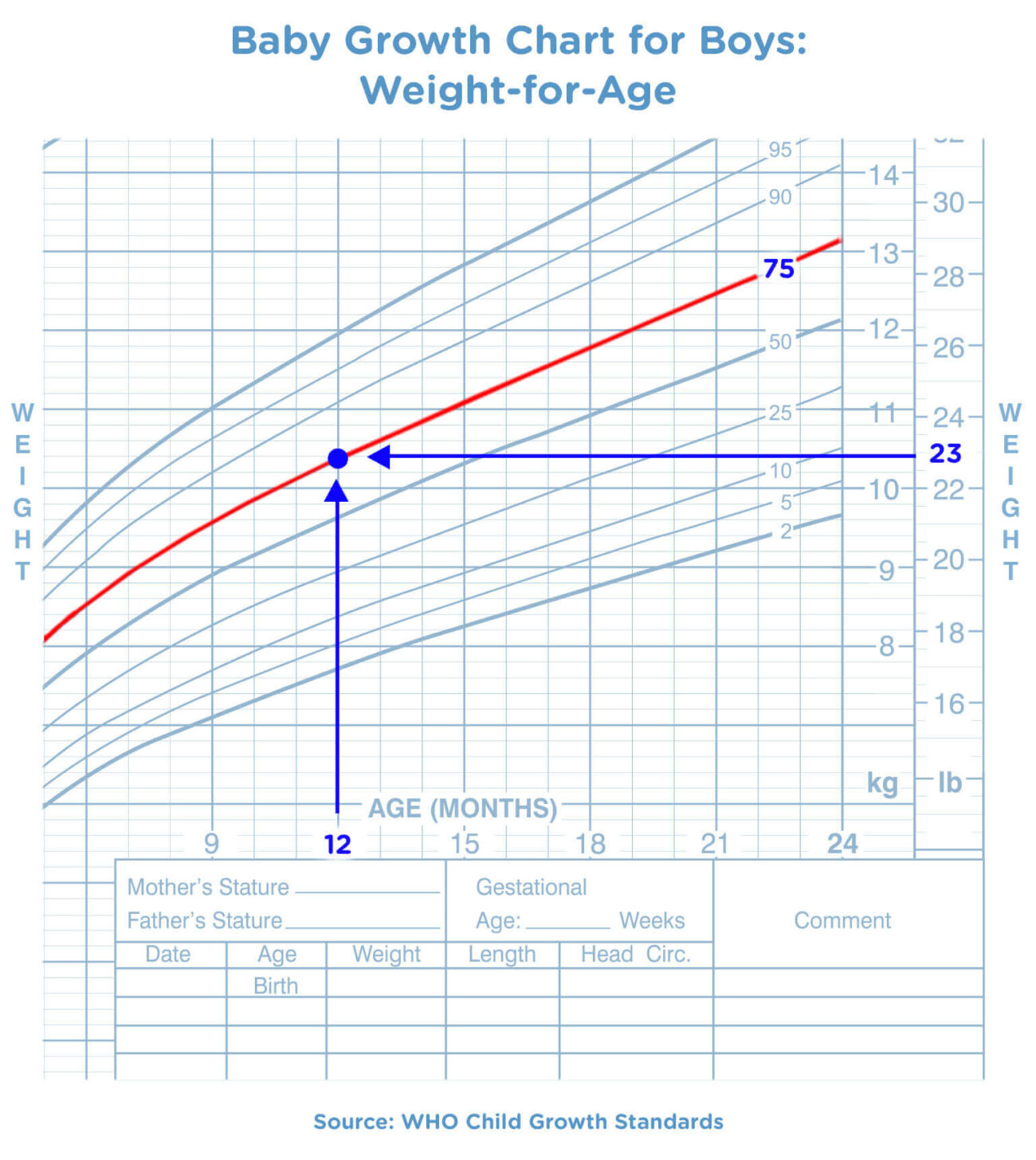
One of the most important aspects of monitoring your baby’s growth is keeping track of their weight. The 1 Year Old Baby Boy Weight Chart is designed specifically for parents like you who want to ensure their little one is developing healthily. This chart not only provides a visual representation of weight milestones but also helps you understand where your child stands compared to growth standards.
Understanding the Weight Chart Layout
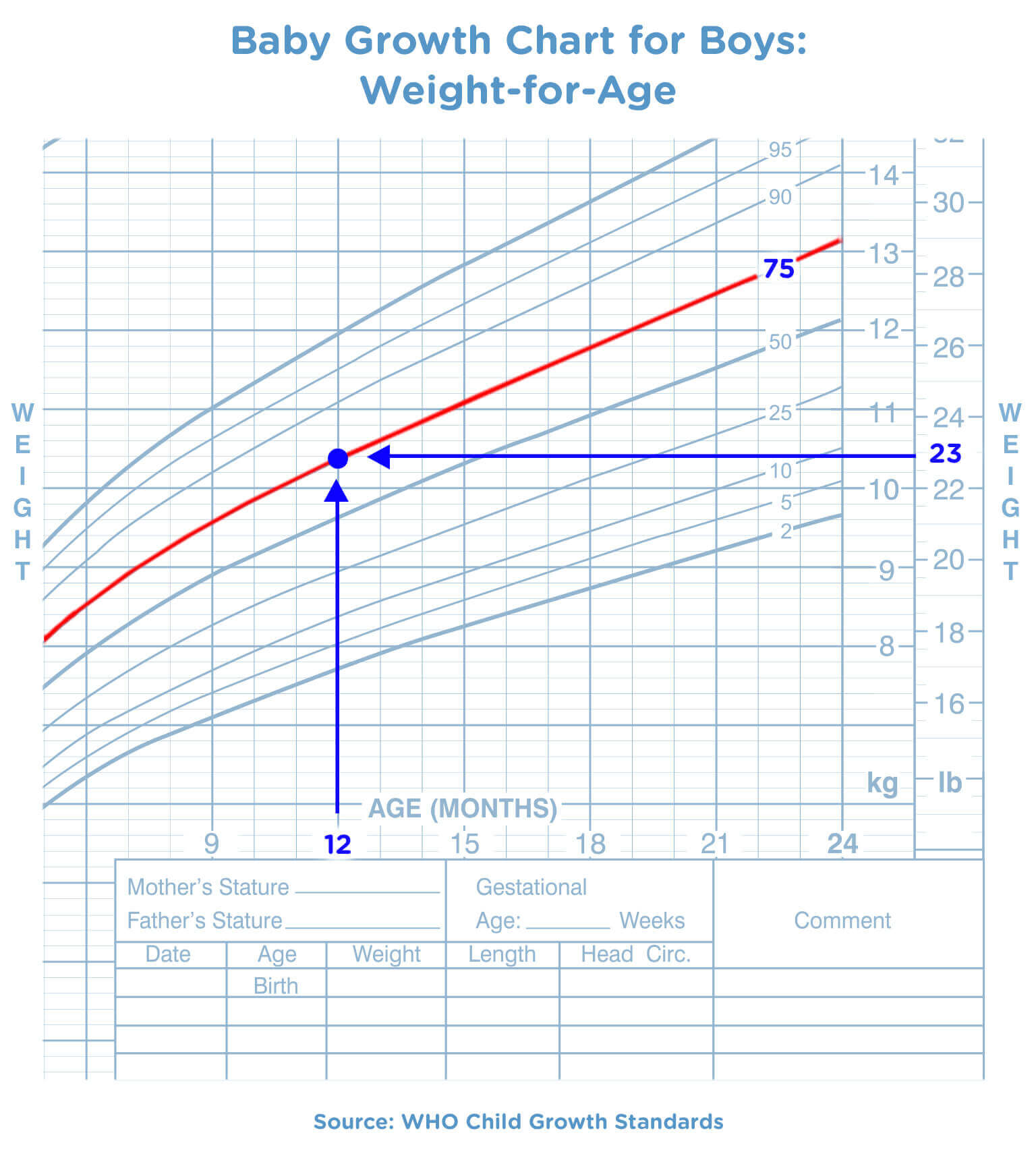
The layout of the 1 Year Old Baby Boy Weight Chart is straightforward and user-friendly. Typically, it features a vertical axis representing weight (in pounds or kilograms) and a horizontal axis that indicates age (in months). Each point on the chart corresponds to a specific weight milestone for baby boys aged one year.
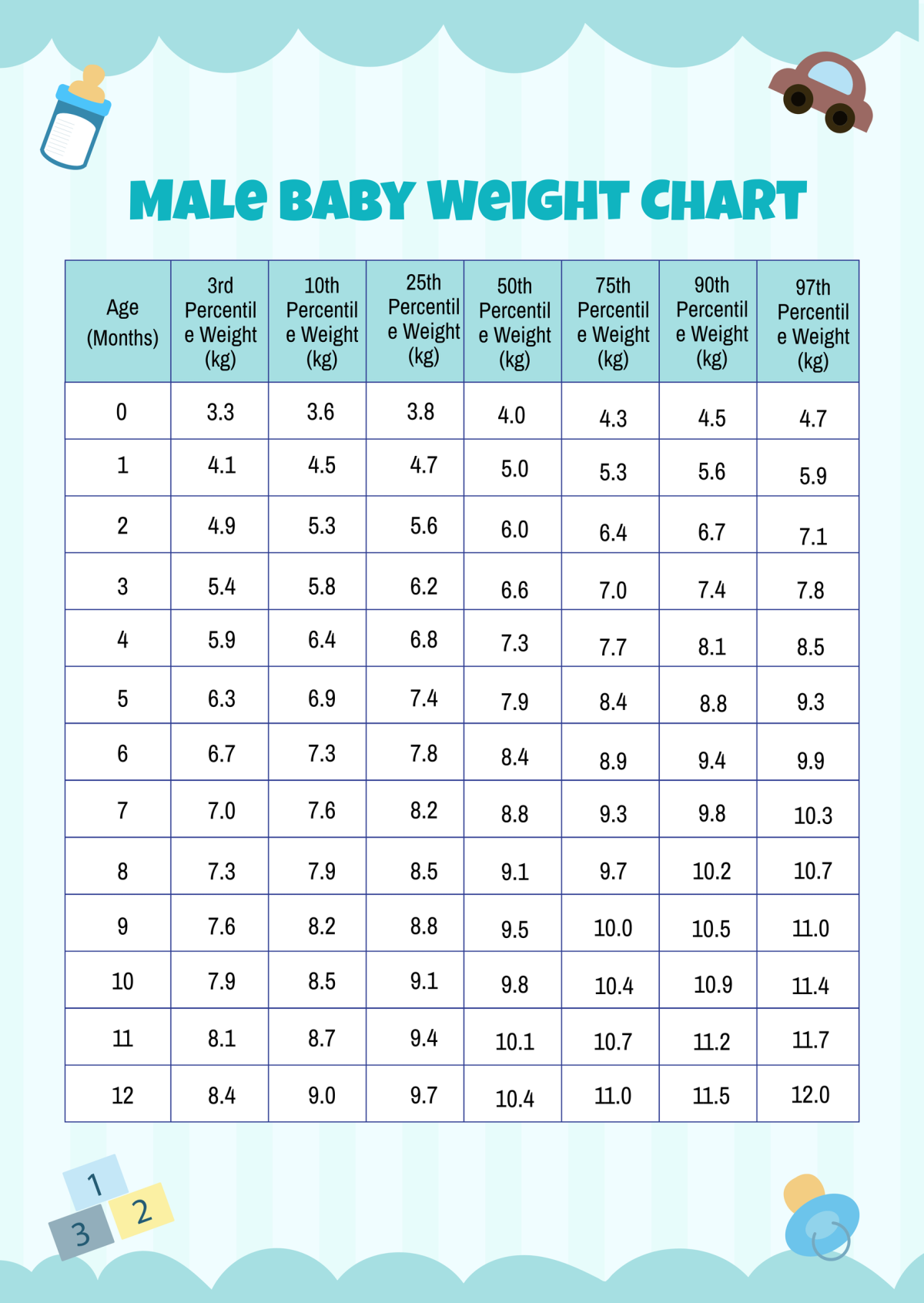
When you look at the chart, you’ll notice different curves or lines. These lines indicate the percentiles, showing how your baby’s weight compares to others at the same age. For example, if your child is at the 50th percentile, they weigh more than 50% of their peers. This layout makes it easy to see not only your child’s current weight but also their growth trajectory over time.
So, how do you read it? Start by locating your child’s age on the horizontal axis and then find their weight on the vertical axis. Follow the line to see which percentile your child falls under. This is a crucial step in understanding whether your baby is on track or if there might be concerns that need to be addressed.
Filling in the Weight Chart
To make the most of the 1 Year Old Baby Boy Weight Chart, it’s essential to fill it in correctly. You can start by noting your baby’s weight during well-baby visits with your pediatrician. It’s a good idea to weigh your baby regularly, but don’t stress if you can’t do it every week. Monthly updates are usually sufficient.
When you record the weight, use a clear, consistent format. Write the date next to the weight entry so you can track changes over time. You might also consider using a colored pen to highlight significant changes, such as weight gain or loss. This can provide a quick visual cue when you look at the chart later.
A well-organized chart not only helps you keep track of your baby’s weight but also makes it easier to discuss growth patterns with your pediatrician during check-ups. Remember, it’s perfectly normal for babies to have fluctuations in weight, especially during growth spurts.
When to Use the Weight Chart
You might wonder when exactly you should start using the 1 Year Old Baby Boy Weight Chart. The answer is simple: start as soon as your baby is born! While the chart is specifically designed for one-year-olds, tracking weight from birth gives you a fuller picture of growth trends.
You can use the chart during regular pediatric visits, but it’s also beneficial for monitoring your baby at home. If you notice significant changes in weight, whether gain or loss, it’s wise to consult with your healthcare provider.
Additionally, the chart can help you identify if your baby is maintaining a healthy growth pattern. If your child is consistently falling below the 5th percentile or above the 95th percentile, it may be a sign to seek further evaluation.
Presentation and Printing Tips
Once you’ve filled out your 1 Year Old Baby Boy Weight Chart, consider how you’ll present it. If you plan to keep it as a physical record, printing it on good-quality paper is essential. Cardstock is recommended for durability, especially if you intend to refer back to it frequently.
For best results, use a color printer. This will ensure that the lines and sections of the chart remain clear and legible. If you have a home printer, portrait layout works well for most charts, but check your printer settings to avoid any cropping issues.
If you prefer a digital version, a PDF format is ideal. This format maintains the layout across different devices and ensures that it won’t reformat when opened on another device. You can easily share it with your pediatrician via email or print it out for your records.
Additional Considerations
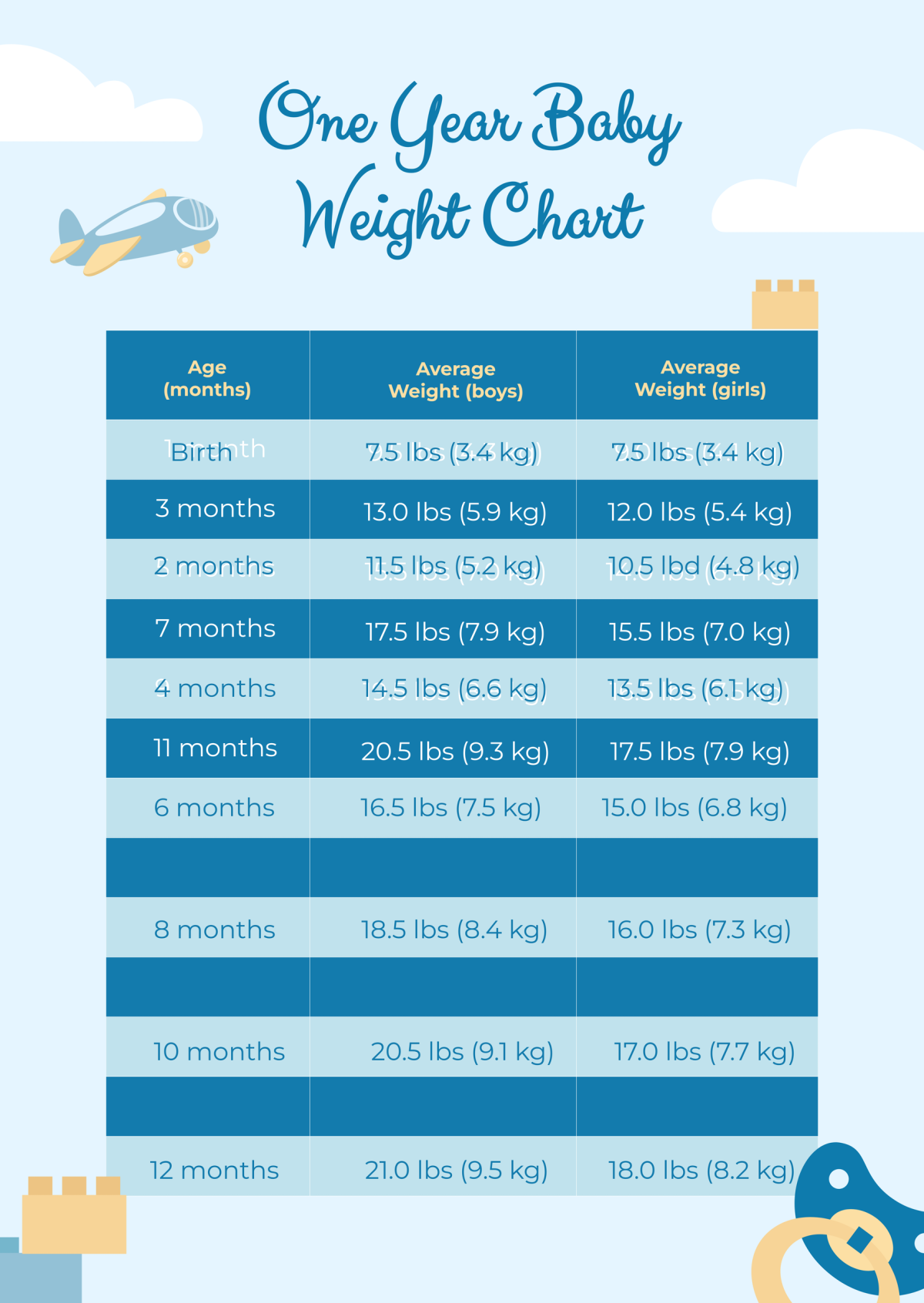
While the 1 Year Old Baby Boy Weight Chart is a helpful tool, it’s essential to remember that weight is just one aspect of your baby’s health. Nutrition, physical activity, and overall well-being play significant roles in growth and development.
Incorporating a balanced diet as your child transitions to solid foods can also impact their weight and growth patterns. Be sure to discuss any dietary concerns with your pediatrician. They can help you understand what a healthy diet looks like for your growing boy.
Lastly, don’t forget to celebrate those little milestones! Whether it’s a new weight record or a fun activity you did together, keeping a positive outlook on your baby’s growth journey is key for both you and your child.
The single most useful detail to keep in mind is that regular check-ins with your pediatrician can provide peace of mind and ensure you’re on the right track with your baby’s growth and development.
