Understanding your child’s growth is a crucial part of parenting, and a 1 Year Boy Weight Chart is an excellent resource for this. It allows you to monitor your child’s weight against standardized growth metrics, which can ensure they are developing healthily. Here’s how you can effectively use this chart, how to interpret it, and why it matters.
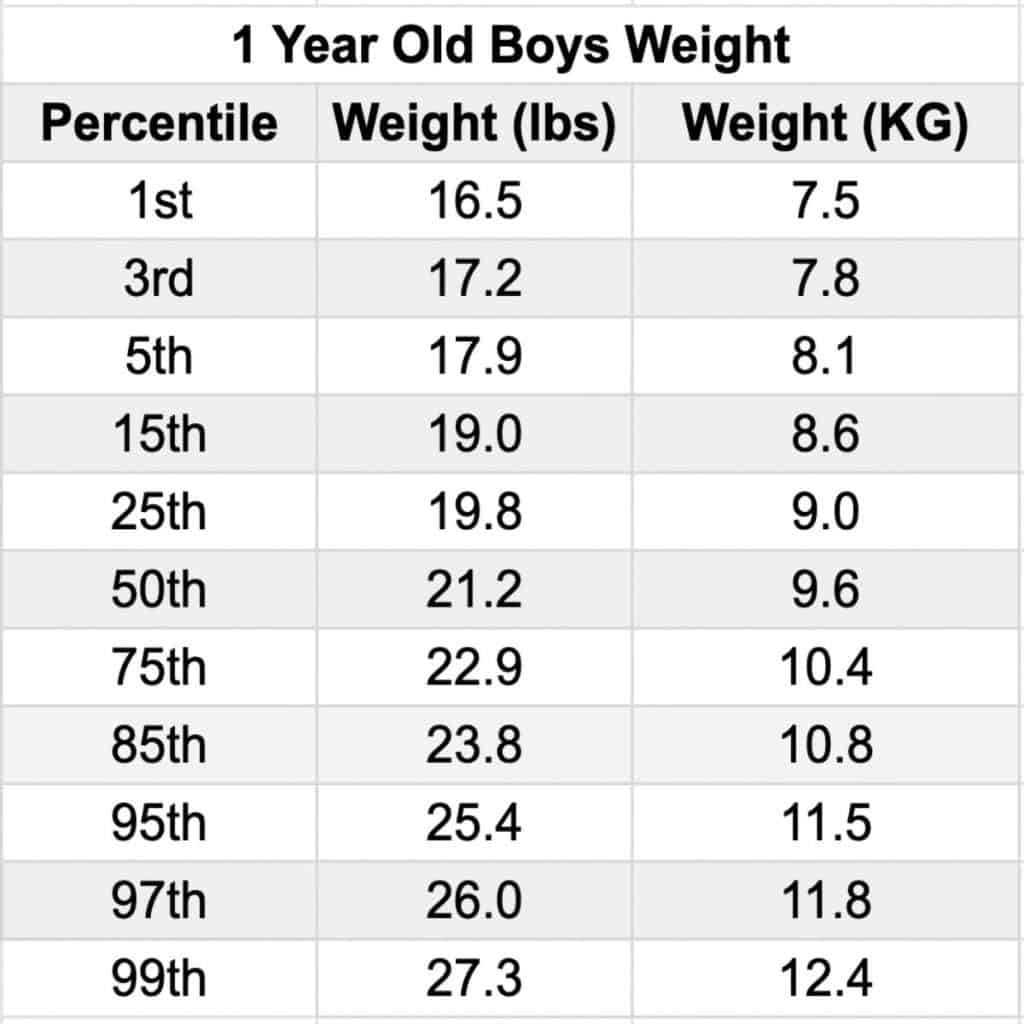
Why Use a 1 Year Boy Weight Chart?
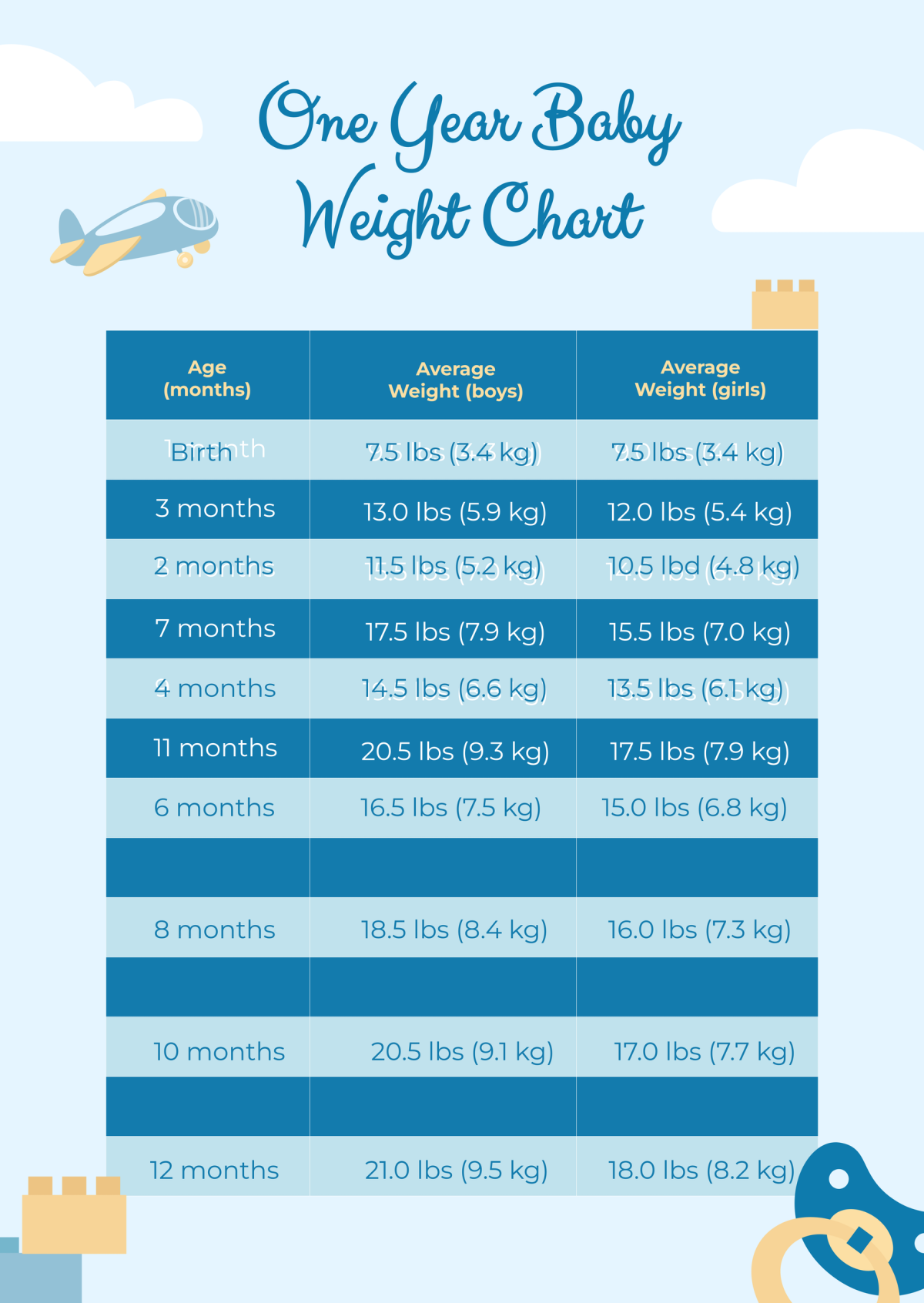
A weight chart provides a visual representation of your child’s growth percentile compared to other boys of the same age. This information is essential for pediatric visits, as it helps healthcare providers evaluate overall health and nutritional status. By keeping track of your child’s weight, you can identify any potential growth issues early on.
How to Read the 1 Year Boy Weight Chart
Understanding the chart layout is key to effectively using it. The chart typically features:
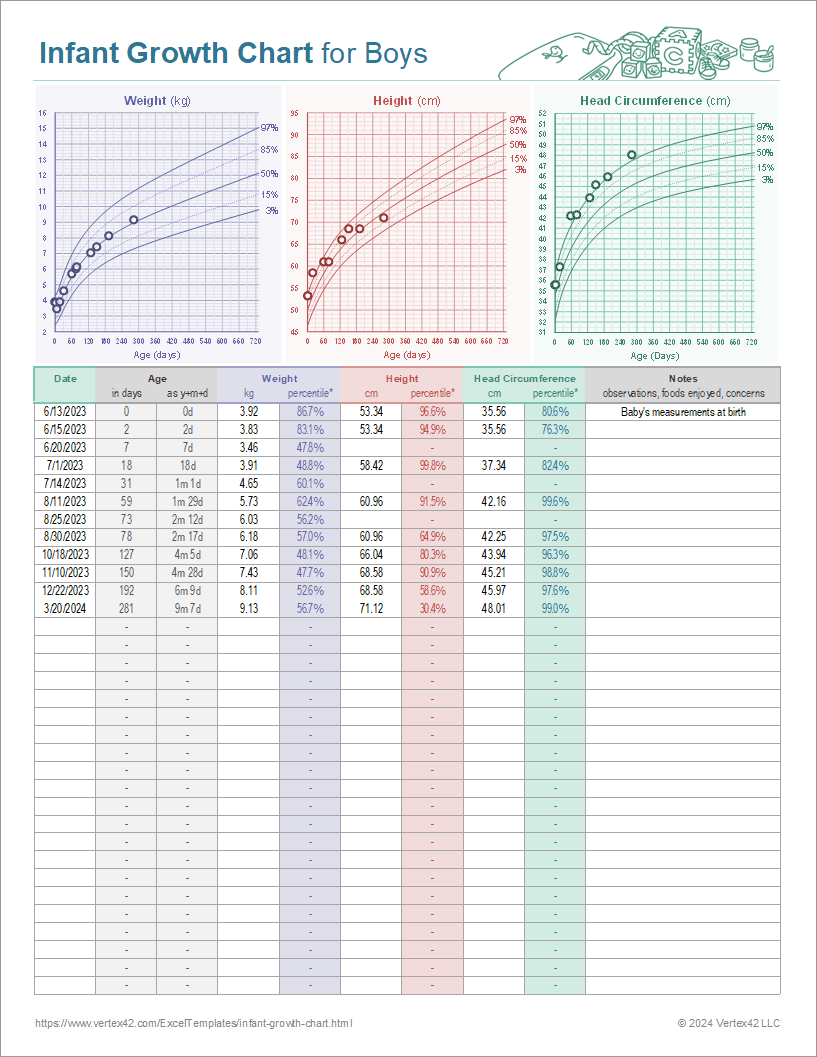
- Age on the horizontal axis: This usually ranges from birth to 24 months.
- Weight on the vertical axis: Measured in kilograms or pounds.
- Percentile lines: These lines indicate how your child’s weight compares with the population, with common percentiles being the 5th, 50th, and 95th.
To read the chart, locate your child’s age on the horizontal axis and draw a vertical line up to the corresponding weight. Find where this line intersects with the percentile curves. For instance, if your child’s weight falls on the 75th percentile, this means they weigh more than 75% of boys their age, which could be a positive indication of growth.
When to Use the 1 Year Boy Weight Chart
It’s best to use this chart during regular pediatric check-ups, which often occur at 1 month, 2 months, 4 months, 6 months, 9 months, and 12 months. These appointments are opportunities to weigh your child accurately. You can also use the chart at home to track growth between visits, especially if you notice any changes in appetite or activity levels.
Setting Up Your Weight Tracking Routine
To effectively utilize the 1 Year Boy Weight Chart, consider these steps:
- Download and print the chart: Look for a clear, high-quality PDF version that you can print in standard size (8.5″ x 11″). Avoid printing on flimsy paper; cardstock is ideal for durability.
- Collect regular measurements: Weigh your child at the same time each week and record their weight. Consistency is key, so try to weigh them before their morning bath when they’re undressed.
- Plot the data: Each time you weigh your child, plot their weight on the chart. Use a different colored pen or pencil each month to visualize growth trends.
- Review periodically: Set aside time each month to review the chart and discuss it with your pediatrician. This will help you understand any patterns and address concerns before they become significant issues.
Optimal Paper and Print Settings
When printing your 1 Year Boy Weight Chart, consider these tips:
- Paper Type: Use heavier paper, like cardstock, if you plan to keep it for a long time or laminate it for durability.
- Print Quality: Choose high-quality print settings to ensure clear lines and text. A portrait layout often works better for most home printers and provides ample space for plotting.
- Size: Standard letter size (8.5″ x 11″) is ideal for home printing, making it easy to store in a binder or folder.
Additional Considerations
While the 1 Year Boy Weight Chart is a valuable tool, it’s important to remember that every child is unique. Factors like genetics, diet, and activity level can all influence growth. Here are a few things to keep in mind:
- Consult with your pediatrician: If you notice significant weight gain or loss, consult your doctor. They can provide insights tailored to your child’s health needs.
- Focus on overall development: Weight is just one aspect of growth. Pay attention to other indicators of health, such as developmental milestones, appetite, and energy levels.
- Nutrition matters: Ensure your child is getting a balanced diet rich in vitamins and minerals to support healthy growth.
By regularly using the 1 Year Boy Weight Chart, you can take an active role in monitoring your child’s health and development. This tool empowers you to make informed decisions and ensure your little one is on the right track. Remember, tracking growth is not just about numbers; it’s about nurturing a healthy future.
