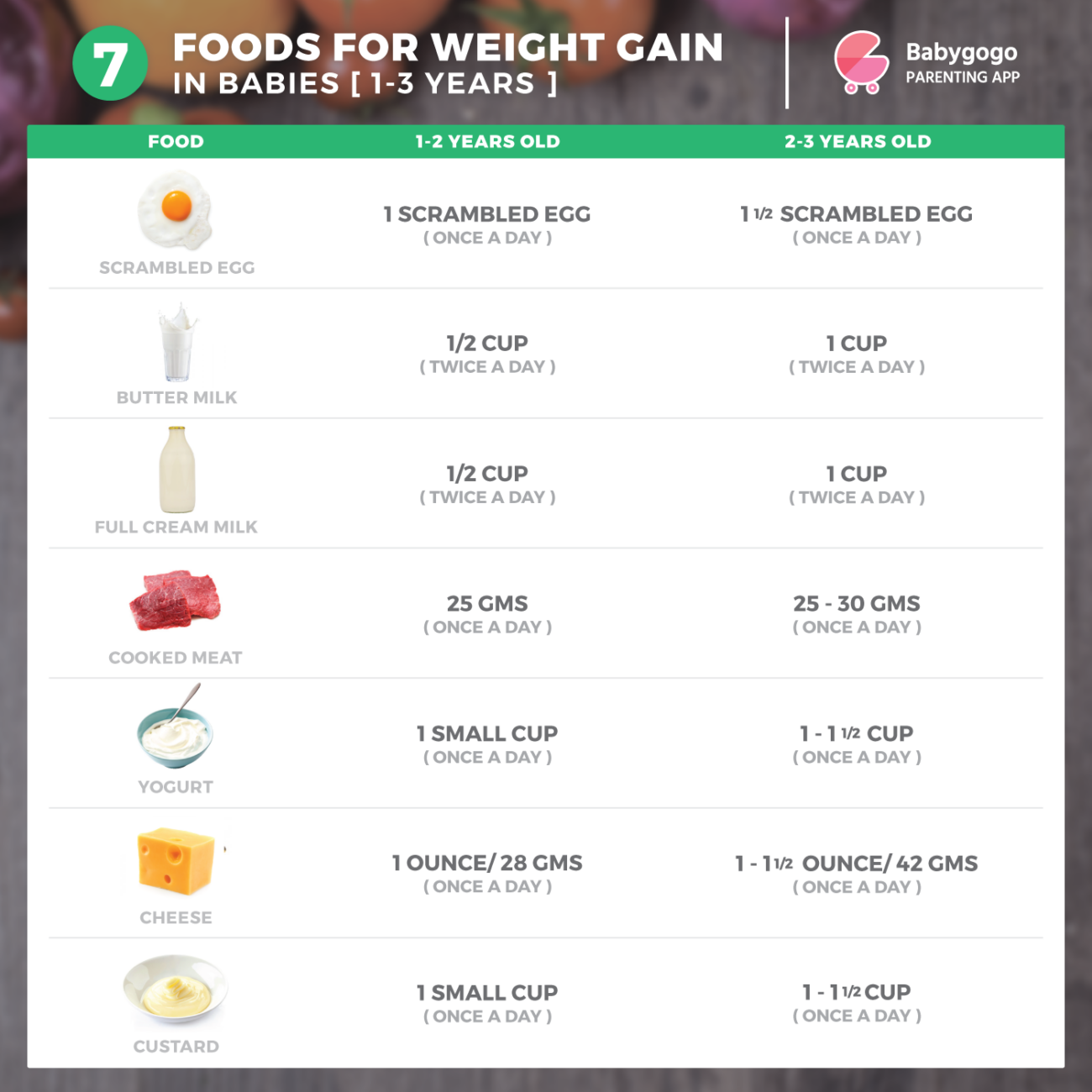
When it comes to monitoring your baby’s growth, a 1 Year Baby Weight Gain Food Chart can be a lifesaver. This chart helps you keep track of your baby’s weight gain and the foods that contribute to healthy growth in their first year. As a parent, you want the best for your little one, and understanding their nutritional needs is crucial during this important developmental stage.
Understanding the 1 Year Baby Weight Gain Food Chart
The 1 Year Baby Weight Gain Food Chart provides a structured way to track your baby’s weight and the foods they consume. It typically includes age-appropriate foods from six months to one year, along with recommended portion sizes and nutritional information. This chart helps ensure your baby receives a balanced diet that supports their growth and development.
Why Use a Food Chart?
Using a food chart has several benefits:
- Track Growth: Monitor your baby’s weight gain over time to ensure they’re on the right track.
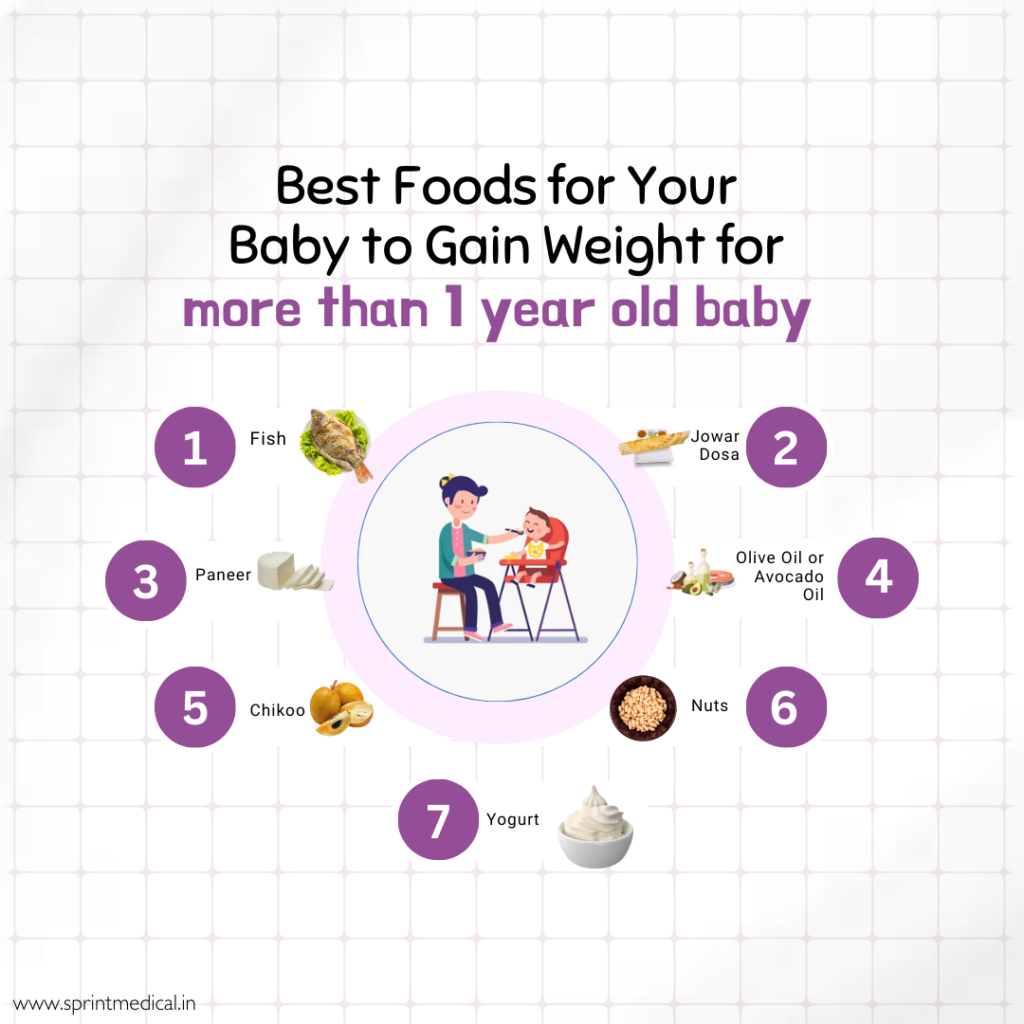
- Nutritional Balance: Ensure your baby is getting a variety of foods, including fruits, vegetables, grains, and proteins.
- Meal Planning: Helps you plan meals that are suitable for your baby’s age and developmental stage.
How to Read and Fill in the Chart
Reading and filling out the 1 Year Baby Weight Gain Food Chart is straightforward. Typically, the chart will be divided into sections by age, starting from six months to one year. Here’s how to make the most of it:
- Age Sections: Each section corresponds to a specific age range. For example, from 6-8 months, you might focus on introducing pureed foods, while from 9-12 months, you can include finger foods.
- Food Categories: Look for categories like fruits, vegetables, grains, and proteins. This organization helps you ensure your baby gets a well-rounded diet.
- Portion Sizes: The chart will usually indicate recommended portion sizes. These can be adjusted based on your baby’s appetite and growth needs.
Filling in the Chart
As you feed your baby, note down the foods they eat in the chart. Here’s how to do it effectively:
- Daily Tracking: Write down what your baby eats each day. This helps you see patterns and adjust their diet as needed.
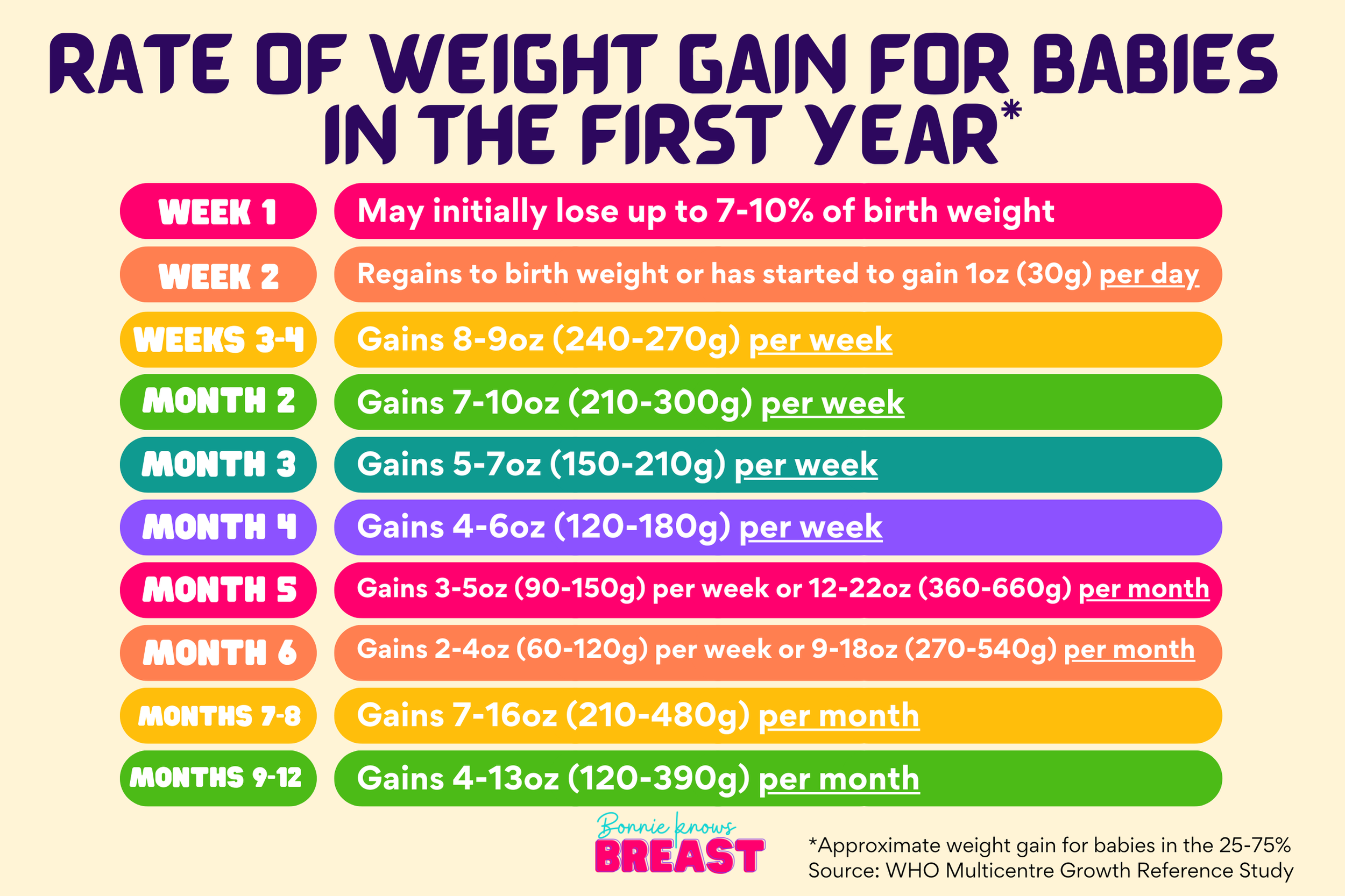
- Weight Measurements: Weigh your baby regularly and note their weight in the chart. This will give you a clear view of their growth trajectory.
- Adjust as Needed: If you notice your baby is not gaining weight as expected, you can refer back to the chart to see if they’re missing key food groups.
Best Practices for Using the Food Chart
To get the most out of your 1 Year Baby Weight Gain Food Chart, consider these best practices:
Use Quality Materials
Print the chart on high-quality paper. Cardstock is a great option as it’s durable and can withstand daily handling. If you plan to use it often, consider laminating it for extra protection.
Keep It Accessible
Place the chart somewhere easily accessible, like on the fridge or in your baby’s feeding area. This way, you can quickly jot down notes during mealtime.
Regular Review
Make it a habit to review the chart weekly. This allows you to spot any gaps in your baby’s diet and make necessary adjustments. It also offers a chance to celebrate milestones, like trying new foods!
Adapting the Chart for Your Baby’s Needs
Every baby is unique, and their nutritional needs may vary. Here are some tips for adapting the 1 Year Baby Weight Gain Food Chart to fit your baby:
- Allergies and Sensitivities: If your baby has specific food allergies or sensitivities, ensure these are noted in the chart. This helps prevent accidental exposure.
- Cultural Preferences: Feel free to modify the chart to include foods that are culturally significant or preferred in your family. This can help your baby develop a broader palate.
- Consult with a Pediatrician: Regularly discuss your baby’s growth and diet with your pediatrician. They can provide personalized advice based on your baby’s health and development.
Next Steps After Downloading the Chart
Once you’ve downloaded and printed your 1 Year Baby Weight Gain Food Chart, you’re ready to get started. Begin by filling in your baby’s current weight and age. From there, track their meals and weight weekly. This simple yet effective tool can significantly enhance your understanding of your baby’s nutrition and growth.
Remember, this chart is not just a record; it’s a guide to help you provide the best for your little one. Enjoy this journey of feeding and nurturing your baby!
