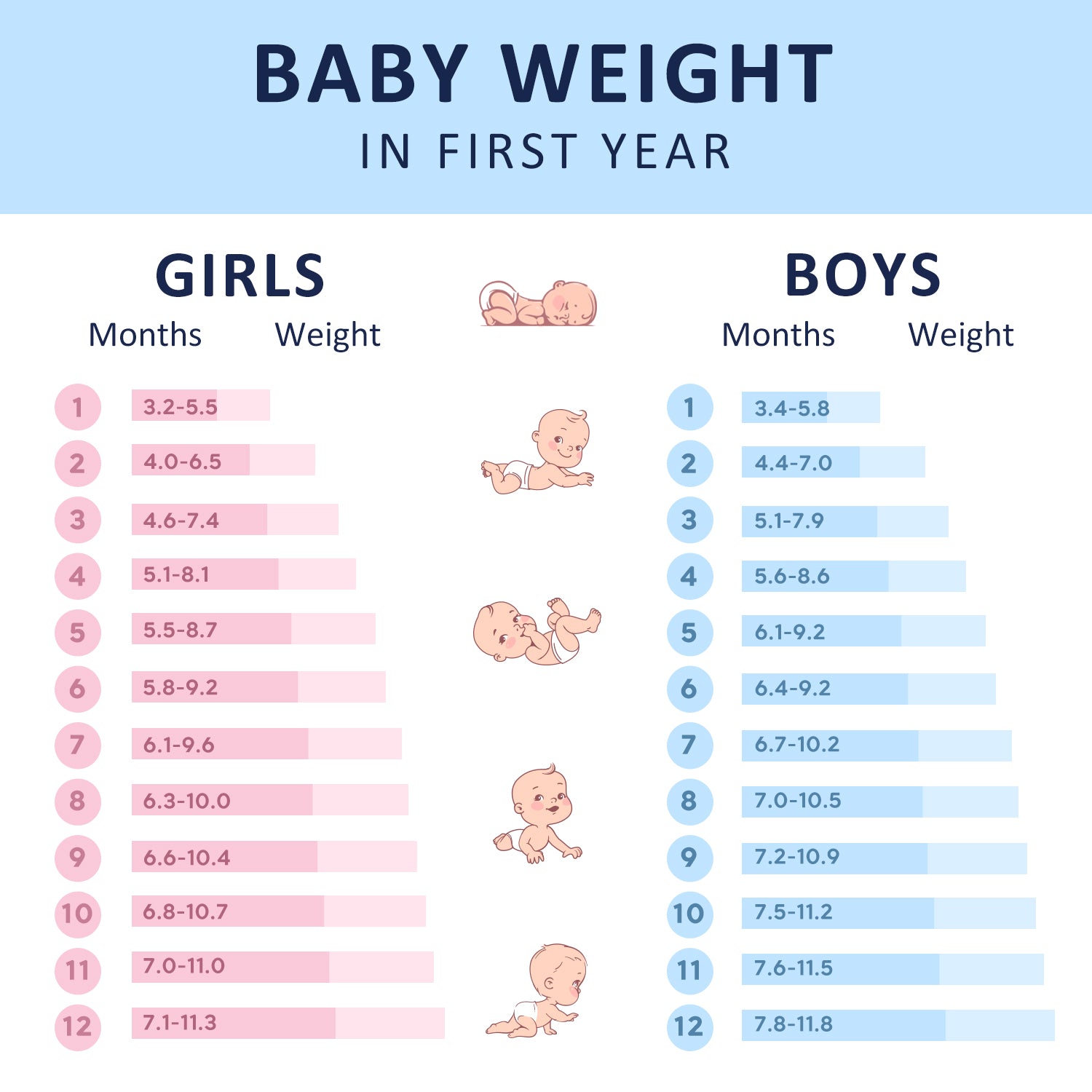
The 1 To 12 Month Baby Weight Chart is an essential tool for parents looking to monitor their baby’s growth during the first year of life. This chart provides a clear visual representation of weight milestones, helping you keep track of your baby’s development and ensuring they are on a healthy growth trajectory. Understanding how to read and utilize this chart can give you peace of mind as you navigate these important early months.
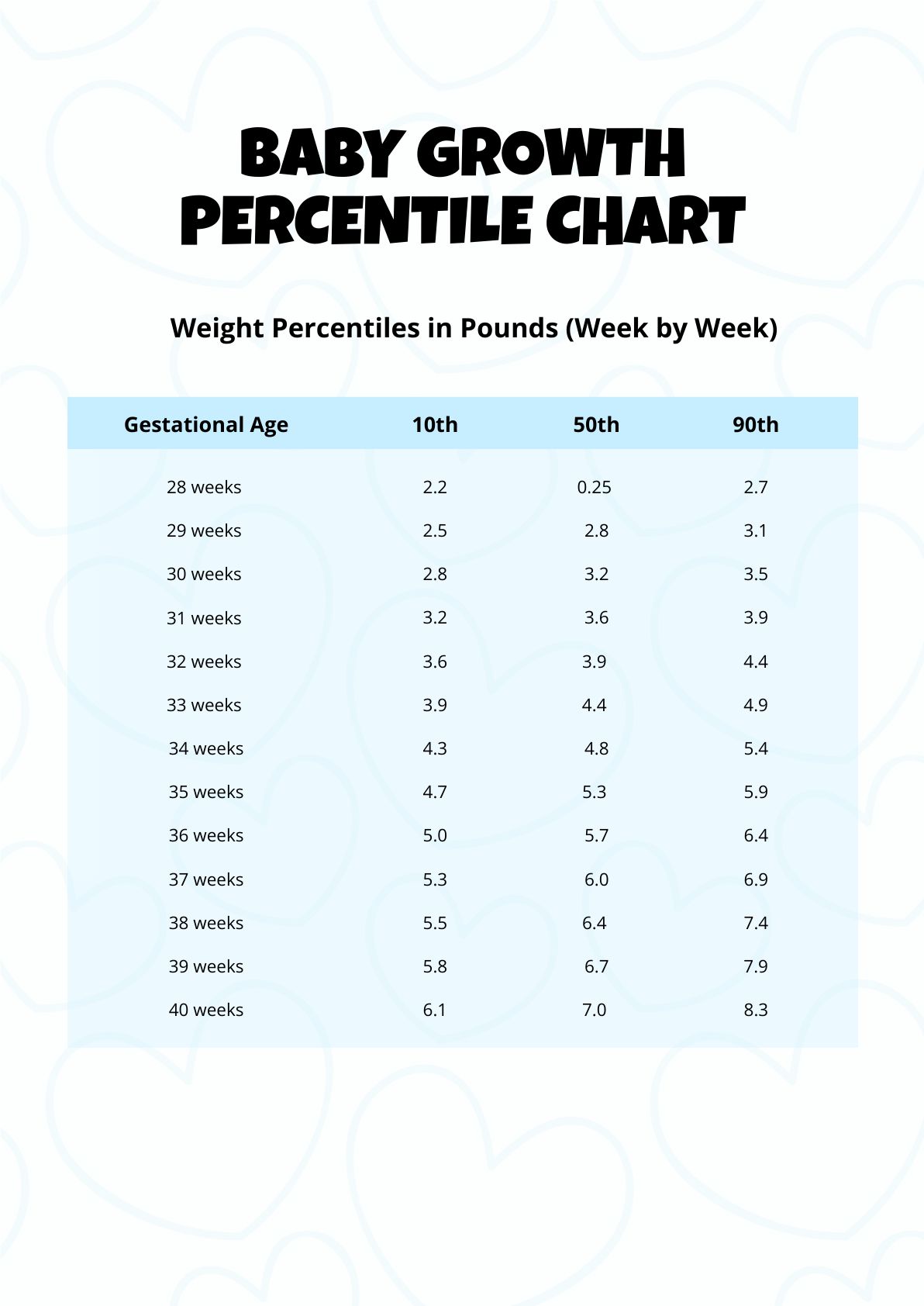
Understanding the Layout of the Baby Weight Chart
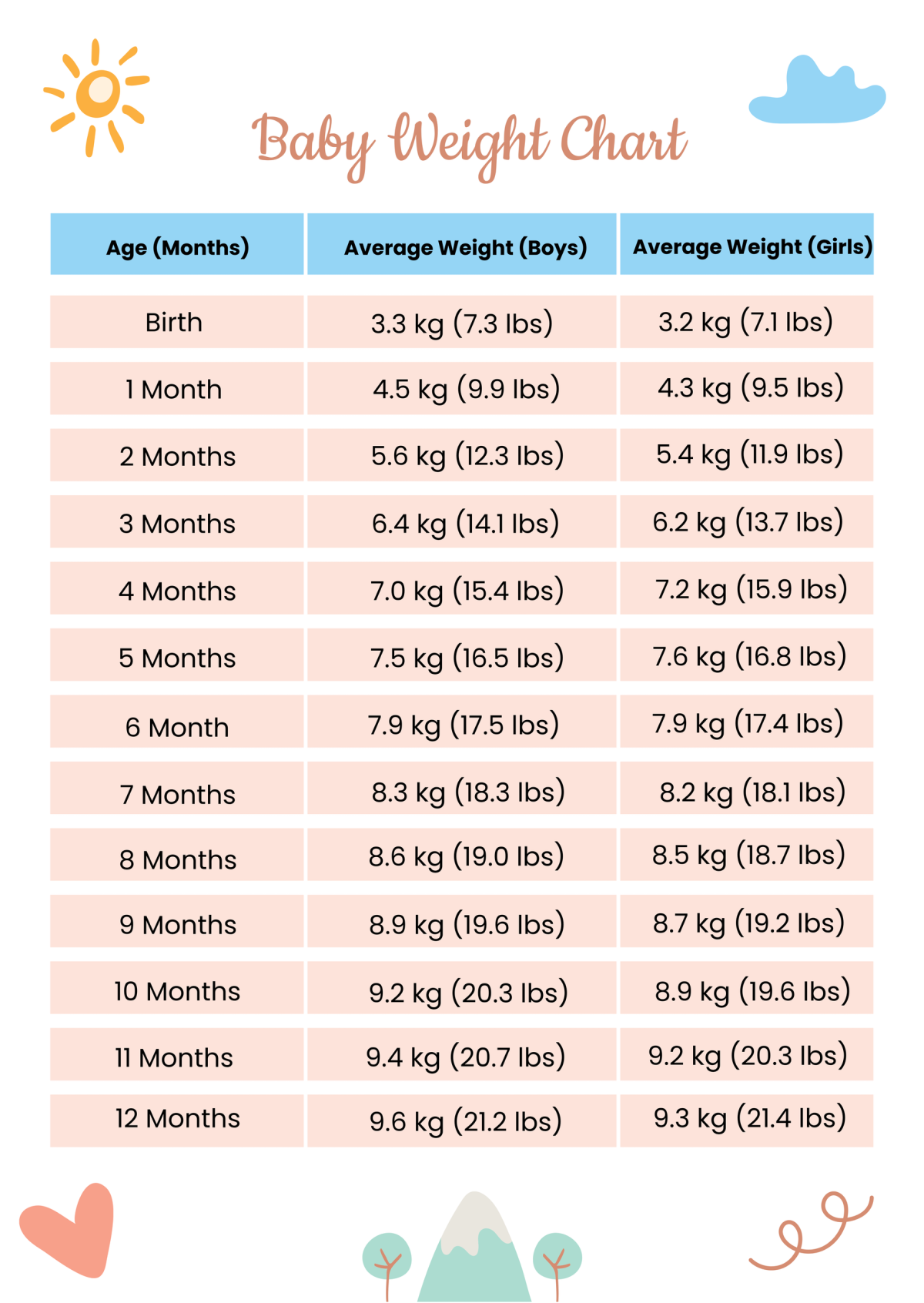
The chart typically displays weight ranges for babies from birth to 12 months. You’ll find columns representing the months of age along the top and weight ranges on the side. Most charts use percentile curves to indicate where your baby stands in relation to others of the same age and sex. This layout allows you to quickly assess if your child is growing consistently.
To read the chart, locate your baby’s age in months along the top row. Then, find their weight on the left side. If your baby falls within the recommended percentile range (generally the 5th to 85th percentile), they are likely growing well. For example, if your baby is 6 months old and weighs 18 pounds, you can check where this weight falls on the chart to see if it aligns with expected growth patterns.
How to Use the 1 To 12 Month Baby Weight Chart
Using the chart is straightforward but requires regular updates. Here’s how to make the most of it:
- Weigh Your Baby Regularly: Aim to weigh your baby at least once a month, ideally during routine pediatric check-ups. Use a reliable scale, preferably one designed specifically for infants.
- Record the Weight: Each time you weigh your baby, note down their weight and the date. You can use a simple notebook or a digital tool to log this information.
- Locate on the Chart: After recording the weight, find the corresponding month on the chart and mark your baby’s weight. Using a colored pen or highlighter can make this process enjoyable and visually appealing.
- Observe Growth Patterns: Over time, you should see a trend in your baby’s weight. If they consistently fall within the same percentile or move up gradually, that’s usually a good sign. However, if you notice a significant drop or rise in percentiles, it’s a good idea to consult your pediatrician.
Common Mistakes When Using the Baby Weight Chart
While using the 1 To 12 Month Baby Weight Chart can be a great way to track your baby’s growth, there are some common mistakes parents often make:
- Infrequent Weighing: Only weighing your baby sporadically can lead to an inaccurate assessment of growth. Regular check-ins are key.
- Ignoring Percentiles: Some parents focus solely on the weight without considering the percentile rank. Percentiles help contextualize your baby’s weight compared to others, which is crucial for understanding growth patterns.
- Not Consulting Professionals: If you have concerns about your baby’s growth, don’t hesitate to reach out to your pediatrician. They can provide insights and recommendations tailored to your child’s needs.
Where to Keep the Baby Weight Chart
Once you’ve filled out the 1 To 12 Month Baby Weight Chart, it’s important to store it in a safe and easily accessible location. Here are a couple of suggestions:
- Baby Journal: Many parents choose to keep a baby journal that documents milestones, including weight checks. This is a lovely way to look back on your child’s early months.
- Digital Storage: If you prefer a more modern approach, consider scanning the chart and saving it digitally. Apps designed for tracking baby milestones can also provide a more interactive experience.
Additional Resources for Tracking Baby Growth
Alongside the weight chart, you might find it helpful to use other resources to track your baby’s development:
- Height Chart: Measuring your baby’s length alongside their weight can give a fuller picture of their growth. A height chart can help you visualize this aspect.
- Developmental Milestone Checklists: These checklists, which outline expected skills and abilities at various ages, can complement the weight chart and help identify areas where your baby is excelling or may need support.
- Nutrition Guides: As your baby grows, understanding their nutritional needs becomes vital. Guides on appropriate feeding practices can ensure they receive the right nutrients for healthy weight gain.
Tracking your baby’s growth with the 1 To 12 Month Baby Weight Chart not only helps you stay organized but also provides essential insights into their health. Remember, each baby is unique, and growth patterns can vary widely. Stay attentive, keep your records updated, and consult with your pediatrician whenever you have questions or concerns.
