When it comes to weightlifting, tracking your progress is key to achieving your fitness goals. A 1 Rep Max Weight Lifting Percentage Chart is an essential tool that helps you understand how much weight to lift for different rep ranges based on your one-rep max (1RM). This chart not only assists in planning your workouts but also ensures you’re training at the right intensity to promote strength gains. In this guide, we’ll walk through how to use this chart effectively, what information it organizes, and how to incorporate it into your routine.
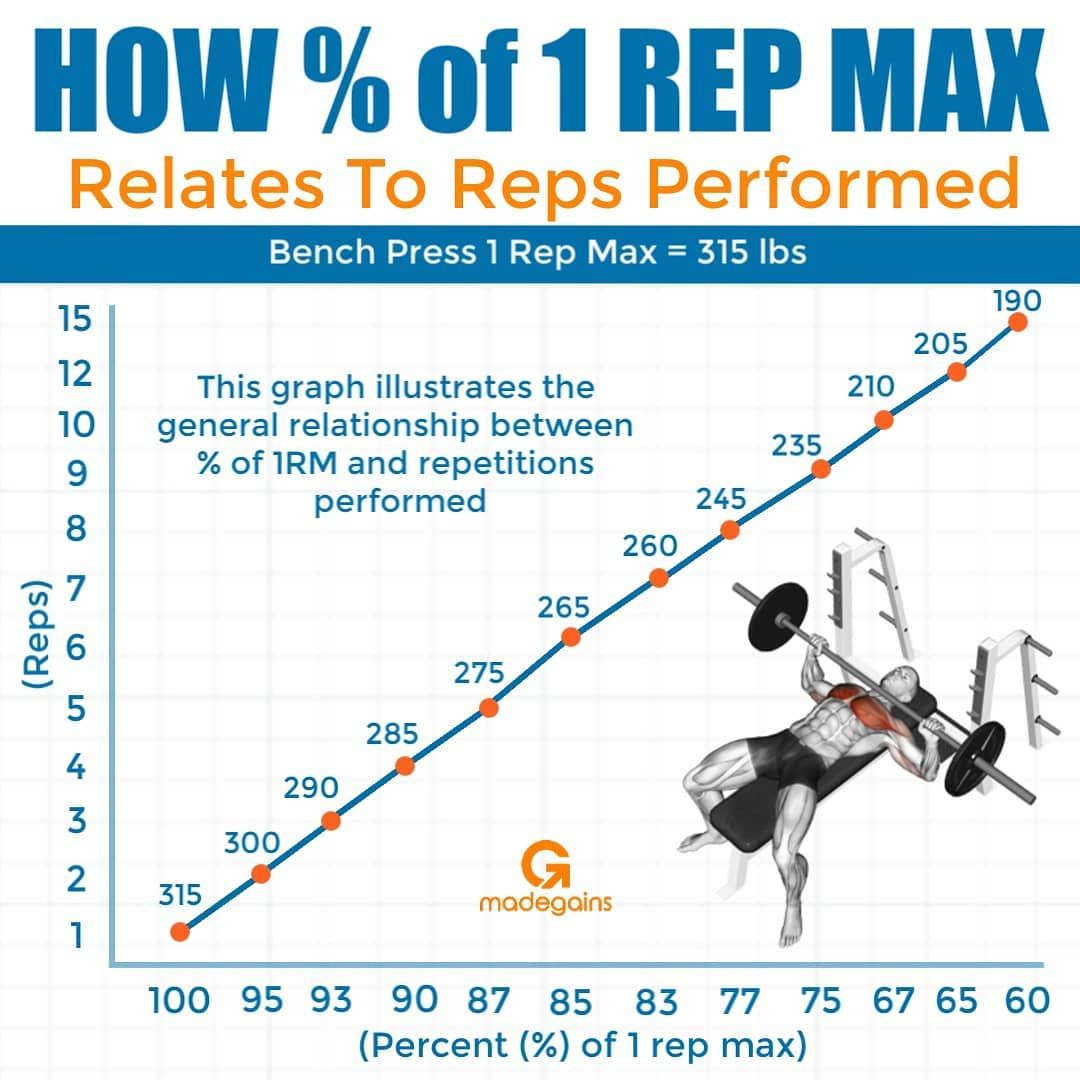
Understanding the 1 Rep Max Concept
Your one-rep max (1RM) is the maximum amount of weight you can lift for one complete repetition of a given exercise. Knowing your 1RM is crucial because it forms the baseline for determining the weights you should be lifting for various training goals. Typically, strength training programs will prescribe lifting a certain percentage of your 1RM to achieve specific outcomes, such as building strength, increasing hypertrophy, or enhancing muscular endurance.
For instance, if your 1RM for the bench press is 200 pounds, lifting at 75% of your 1RM means you’d be lifting 150 pounds. This is where the percentage chart comes into play.
How to Read the 1 Rep Max Weight Lifting Percentage Chart
To get the most out of the 1 Rep Max Weight Lifting Percentage Chart, it’s helpful to understand its layout. The chart typically includes two axes: the first lists various percentages of your 1RM, while the second lists the corresponding weight you should lift based on your individual 1RM.
Example of Chart Layout
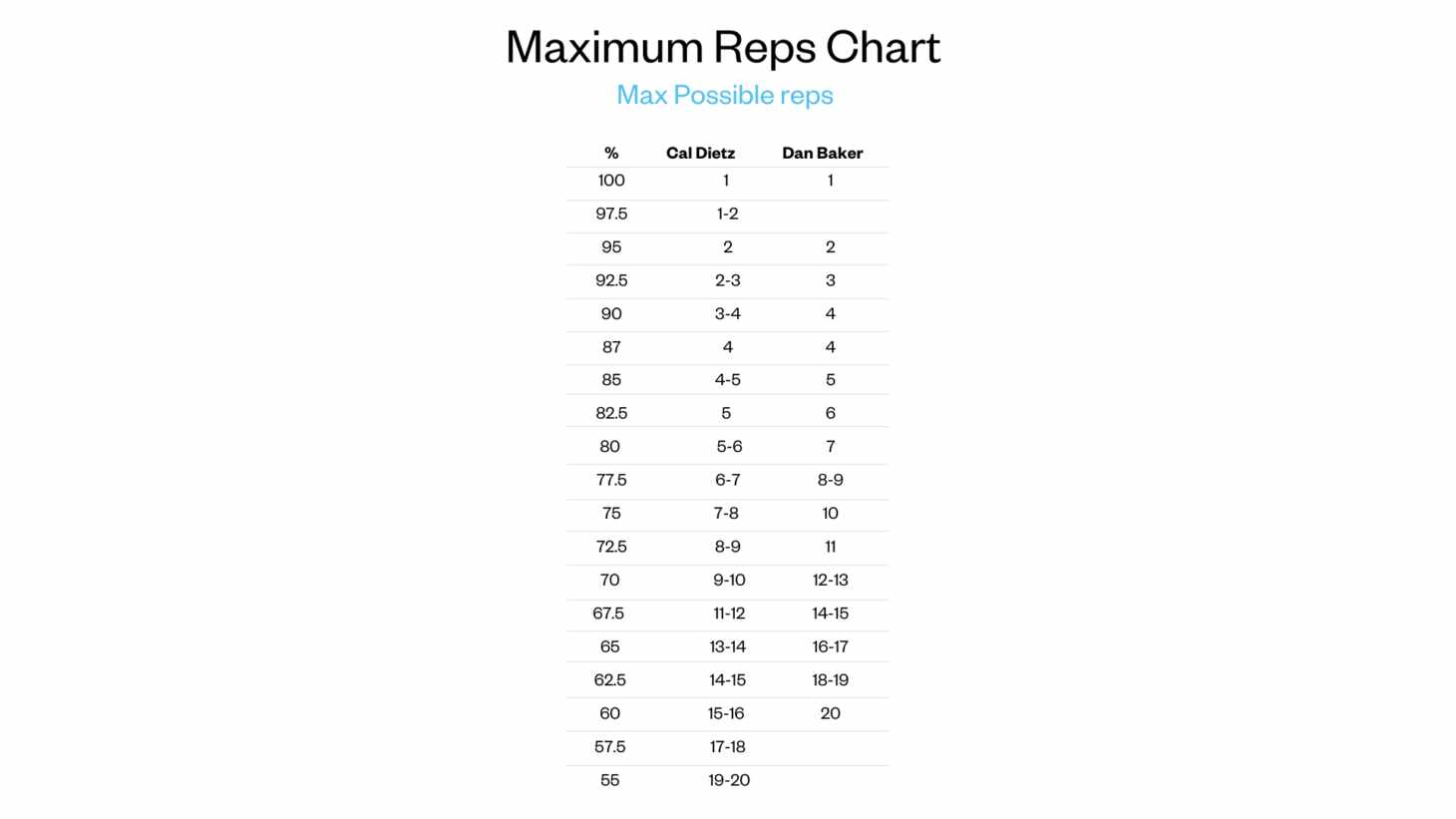
- Percentage: 100%, 95%, 90%, 85%, 80%, 75%, 70%, 65%, 60%, 55%
- Weight: If your 1RM is 200 lbs, then:
- 100% = 200 lbs
- 95% = 190 lbs
- 90% = 180 lbs
- 85% = 170 lbs
- 80% = 160 lbs
- 75% = 150 lbs
- 70% = 140 lbs
- 65% = 130 lbs
- 60% = 120 lbs
- 55% = 110 lbs
This format allows you to quickly determine the weights you should be using for your workouts based on your training goals.
Filling Out Your Own Chart
To make this chart work for you, start by determining your 1RM for the specific exercises you plan to perform, such as squats, deadlifts, or bench presses. Here’s how to do it:
- Warm Up: Begin with a light warm-up to prepare your muscles.
- Gradually Increase Weight: Start lifting with a manageable weight, gradually increasing it until you reach a weight you can lift only once with proper form.
- Record Your 1RM: Once you find this weight, that’s your 1RM.
With this number, you can now fill in your 1 Rep Max Weight Lifting Percentage Chart.
Incorporating the Chart Into Your Workout Routine
Using the chart effectively means integrating it into your regular workout regimen. Here’s how you can do that:
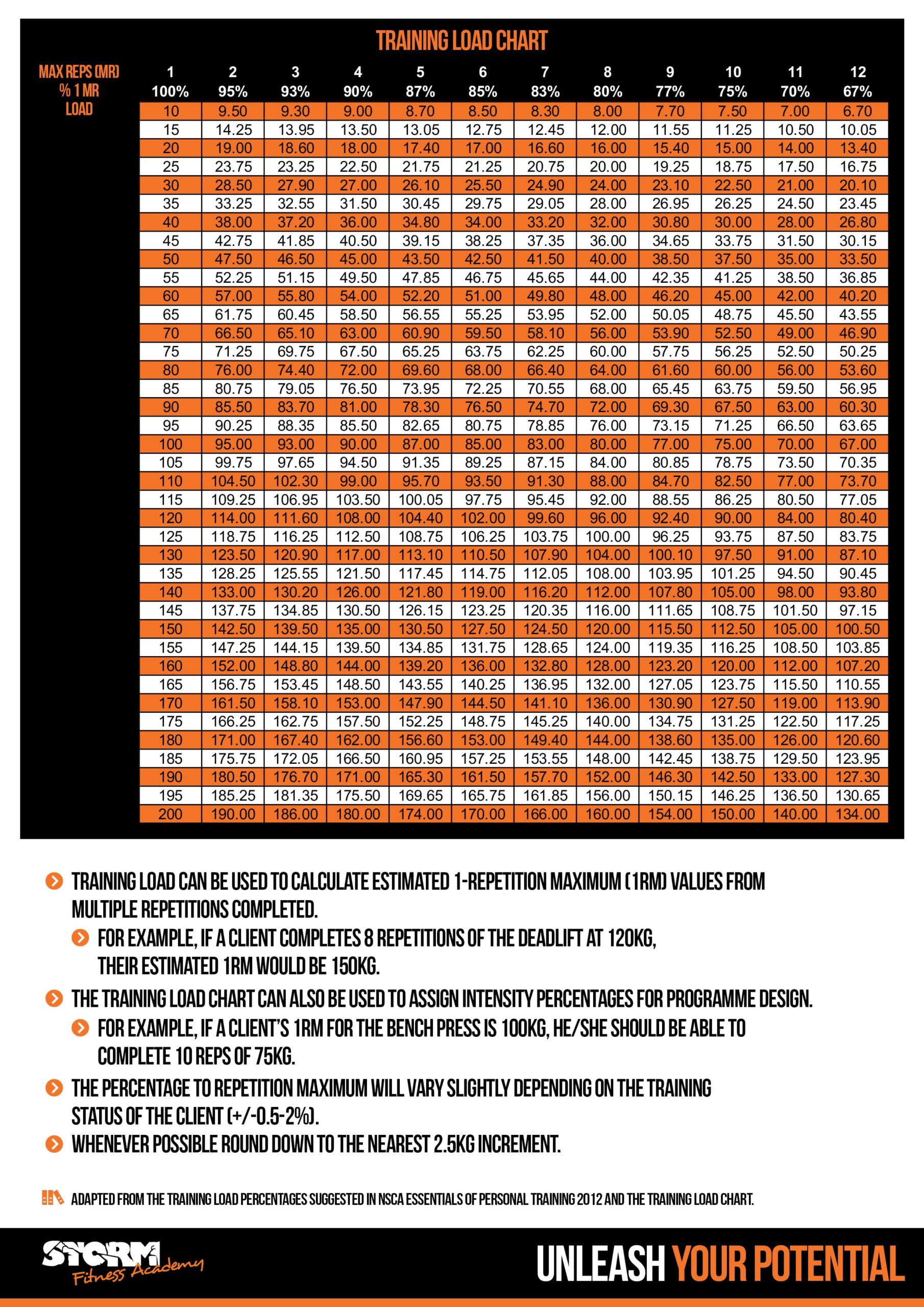
- Strength Training: For strength-focused workouts, aim for 80% to 90% of your 1RM for 3-5 reps. This is where the chart becomes handy; simply look at the corresponding weight.
- Hypertrophy Training: If your goal is muscle growth, lift at about 65% to 75% of your 1RM for 8-12 reps.
- Endurance Training: For improving muscular endurance, use 50% to 60% of your 1RM for 12-20 reps.
This structured approach ensures you’re not only lifting the right amount but also varying your training to prevent plateaus.
Tips for Using the Chart Effectively
Using the 1 Rep Max Weight Lifting Percentage Chart is straightforward, but here are a few tips to enhance your experience:
- Update Regularly: Your 1RM can change as you progress, so make it a habit to retest your max every 4-6 weeks.
- Track Your Workouts: Keep a log of what weights you’re lifting for different rep ranges. This will help you see how you’re progressing over time.
- Listen to Your Body: If you’re feeling fatigued or sore, it might be wise to adjust the weights down. The percentages are guidelines, not rules.
Common Mistakes to Avoid
While using the chart can significantly enhance your training, there are a few common pitfalls to avoid:
- Neglecting Form: Always prioritize good form over lifting heavier weights. Poor form can lead to injuries.
- Ignoring Recovery: Your muscles need time to recover, so don’t skip rest days or active recovery workouts.
- Sticking to One Routine: Mix up your exercises and rep ranges to challenge your body in different ways.
The 1 Rep Max Weight Lifting Percentage Chart is a powerful tool for anyone serious about strength training. By understanding how to read and use it, you can better tailor your workouts to meet your goals, track your progress, and ultimately, enhance your lifting performance. Whether you’re a beginner or an experienced lifter, this chart can help you lift smarter and more effectively.
