Keeping track of your child’s growth during their early years is crucial for their health and development. A 1 To 2 Year Baby Weight Chart can be an invaluable resource for parents, providing a clear visual representation of your child’s weight compared to standard growth percentiles. This chart helps you monitor your child’s growth patterns and ensure they’re developing healthily.
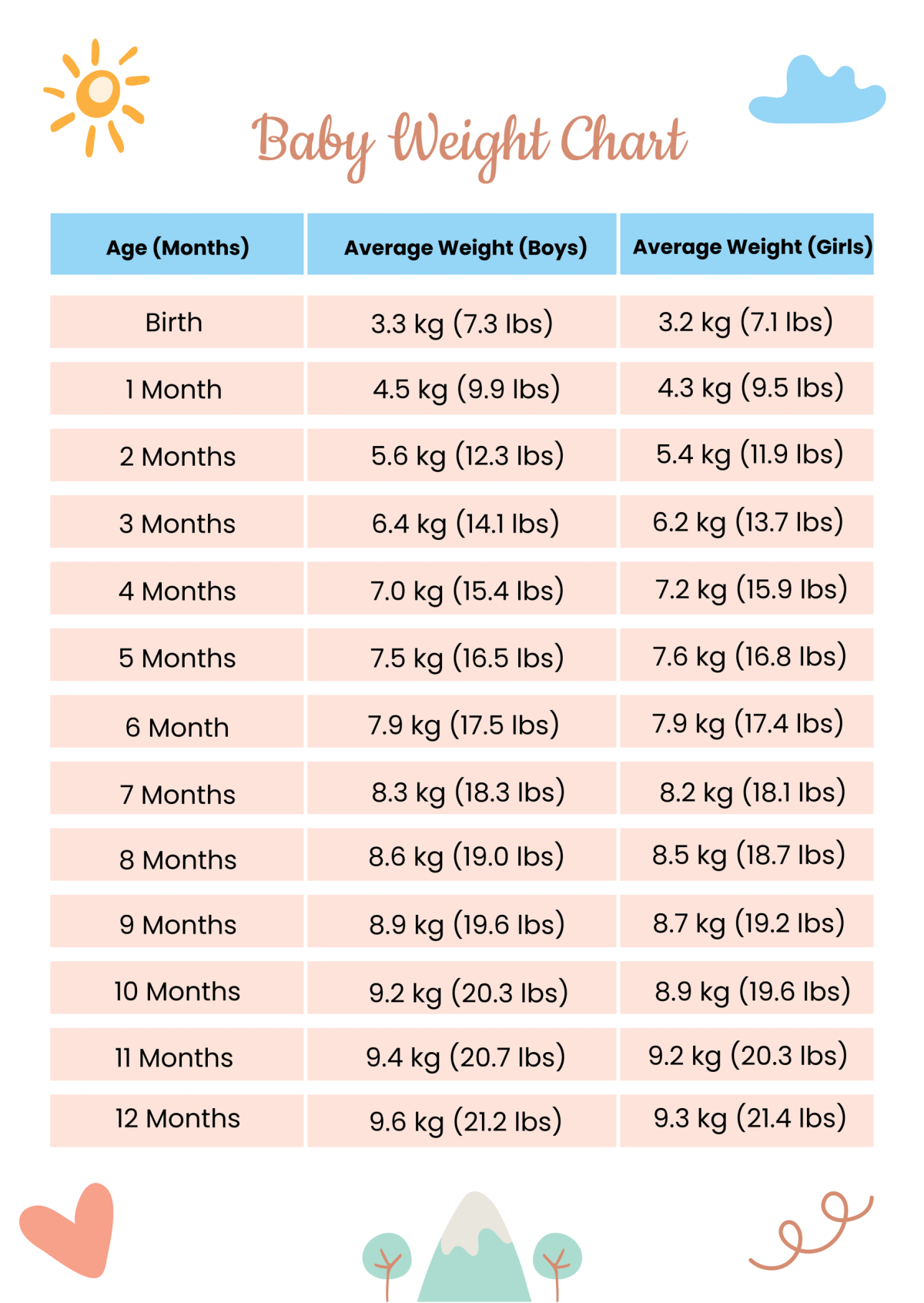
Understanding the Importance of a Baby Weight Chart
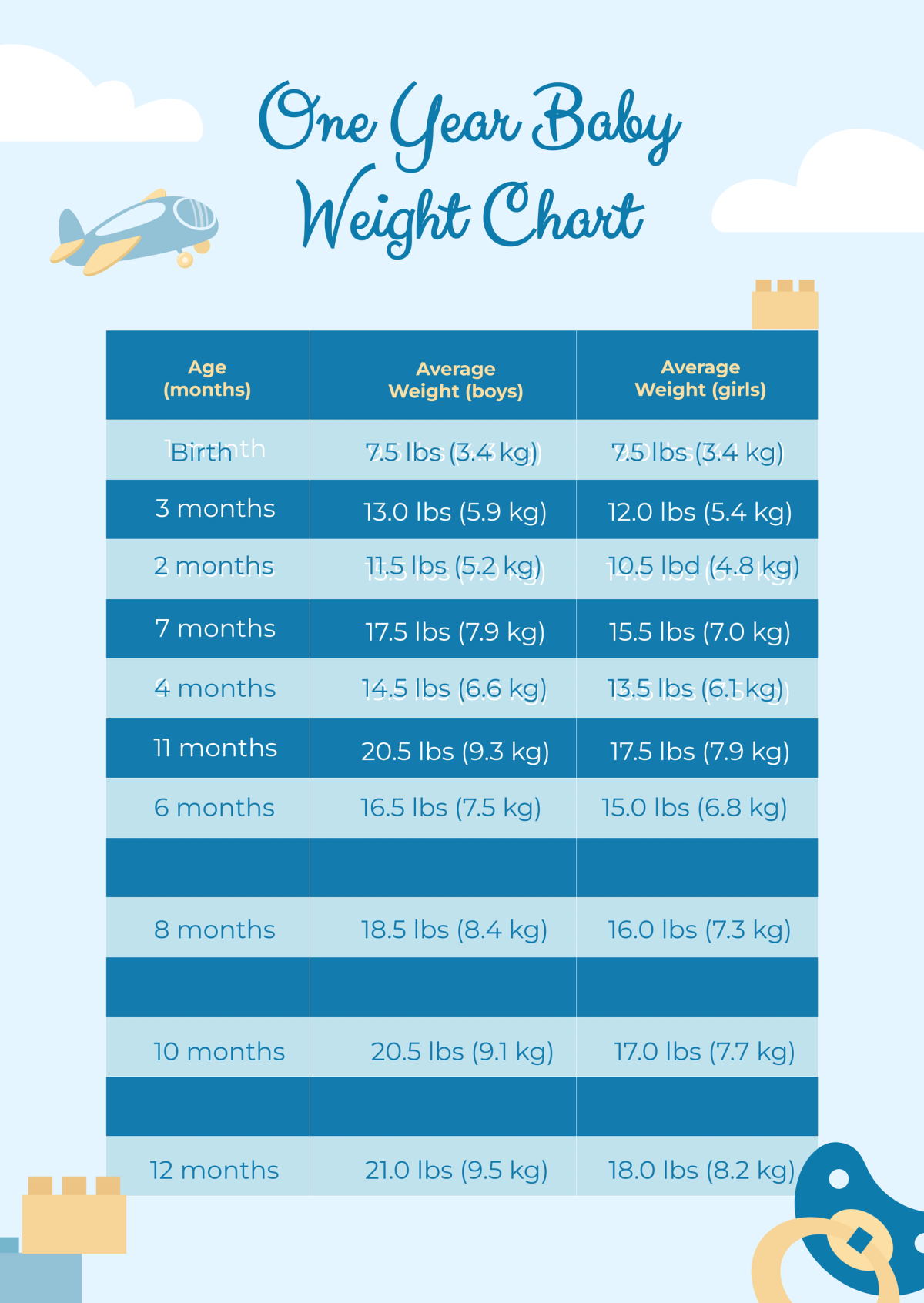
The 1 To 2 Year Baby Weight Chart serves as a guide for parents to track their child’s weight against established growth standards. It helps you understand where your child stands in relation to their peers, which can be reassuring or indicate if there are potential concerns. Pediatricians often use these charts during regular check-ups to assess growth trends and overall health.
Using a weight chart can help you identify patterns over time. For example, if your child consistently falls below the 5th percentile, it may be worth discussing with your pediatrician. Conversely, if they are consistently above the 95th percentile, it might indicate a need for dietary adjustments.
How to Read the Baby Weight Chart
Reading the 1 To 2 Year Baby Weight Chart is straightforward once you understand its components. Here’s a step-by-step guide on how to effectively use it:
- Identify Your Child’s Age: The chart is divided by age, typically in months. Locate your child’s current age on the horizontal axis.
- Find Weight Percentiles: The vertical axis lists weight percentiles. These percentiles (5th, 10th, 25th, 50th, 75th, 90th, and 95th) indicate how your child’s weight compares to others. For instance, if your child is in the 50th percentile, they weigh more than 50% of their peers.
- Plot Your Child’s Weight: If you have your child’s weight recorded, find that weight on the vertical axis and draw a line across to see where it intersects with their age. This intersection will tell you which percentile your child falls into.
- Monitor Changes Over Time: Regularly updating the chart with your child’s weight will help you visualize their growth trend. Consistency in measurements is key, so try to weigh your child at similar times (e.g., same day of the week).
When to Use the Baby Weight Chart
Using the 1 To 2 Year Baby Weight Chart is beneficial during regular pediatric visits or whenever you’re concerned about your child’s growth. Here are some specific instances when you might refer to this chart:
- Routine Check-Ups: Bring the chart to your child’s doctor visits. It can serve as a reference for discussions about growth and health.
- Dietary Changes: If you’re introducing new foods or changing your child’s diet, tracking their weight can help you see how these changes impact their growth.
- Health Concerns: If your child is ill or has had a change in appetite, use the chart to monitor their weight closely during recovery.
Tips for Accurately Measuring Your Child’s Weight
Accurate weight measurement is vital for effectively using the 1 To 2 Year Baby Weight Chart. Here are some practical tips to ensure you get the best results:
- Use a Reliable Scale: Invest in a good quality baby scale, or use one at your pediatrician’s office. Digital scales tend to be more accurate than manual ones.
- Weigh at the Same Time: Weigh your child at the same time each week, preferably before meals and after a diaper change for consistency.
- Record Measurements: Keep a log of your child’s weight alongside the chart. This will help you see trends over time easily.
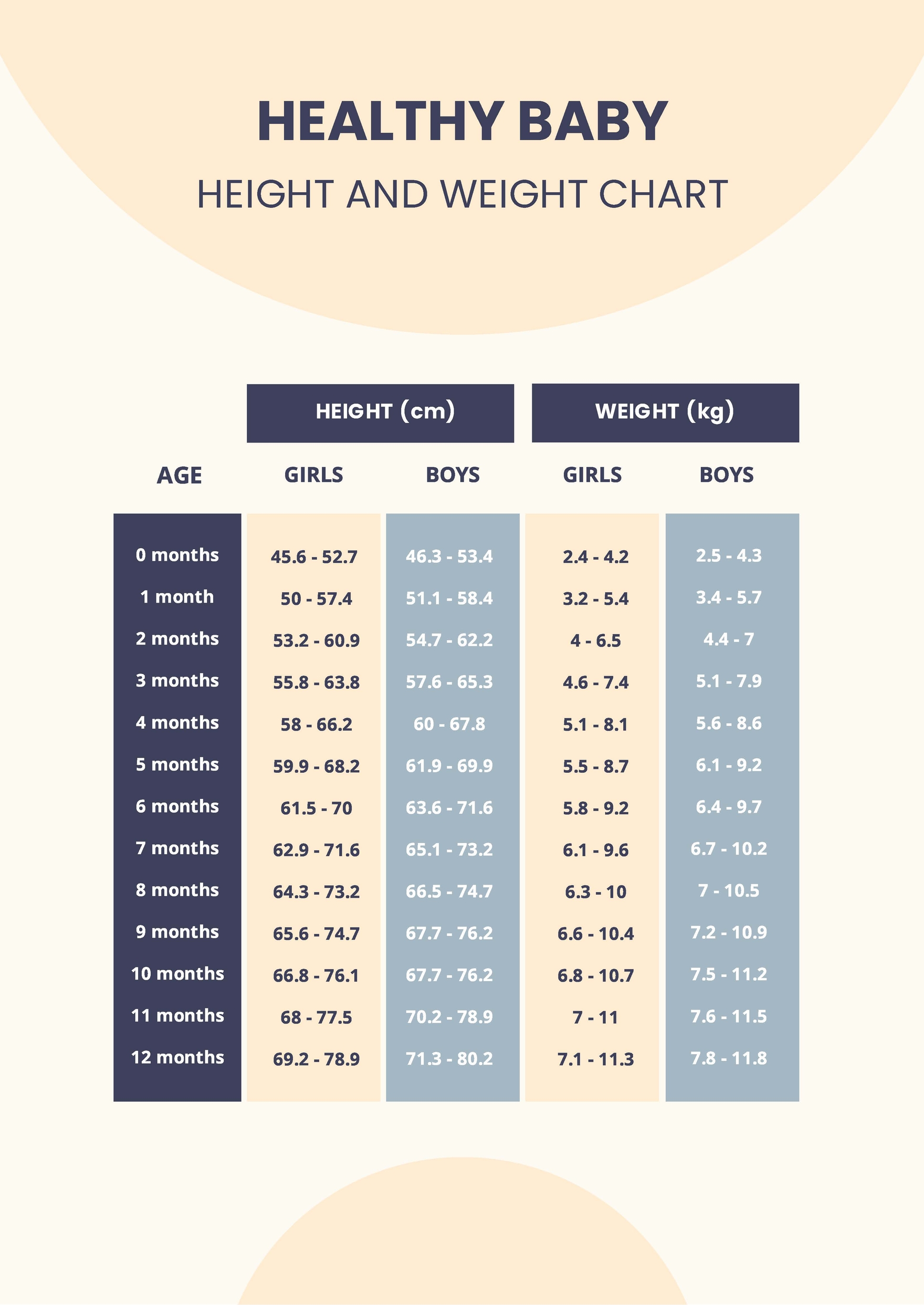
Downloading and Printing the Baby Weight Chart
You can easily find and download a 1 To 2 Year Baby Weight Chart online. Once you locate a reliable source, here’s how to make the most of your printable resource:
- Choose the Right Format: Look for a PDF version of the chart. PDFs maintain formatting and are easy to print without distortion.
- Select Paper Quality: For durability, consider printing on cardstock, especially if you plan to reference it often. Cardstock holds up better over time than standard printer paper.
- Size Matters: Standard letter size (8.5 x 11 inches) is ideal for most home printers. Ensure your settings are adjusted for portrait layout to avoid any cropping.
Using a weight chart is not just about numbers; it’s about understanding your child’s growth journey. By consistently tracking their weight and understanding the implications, you can ensure they are developing in a healthy manner. Remember, the most useful detail in this process is that growth patterns can vary widely, and it’s always best to consult with a healthcare professional if you have any concerns.
