Tracking your baby’s weight is crucial in the first few months of life, as it’s a key indicator of their health and development. If you’re looking for a reliable way to monitor this, a 1 Month Old Baby Weight Chart is an excellent resource. It provides a clear visual representation of weight expectations for your little one, helping you ensure they’re on the right track.
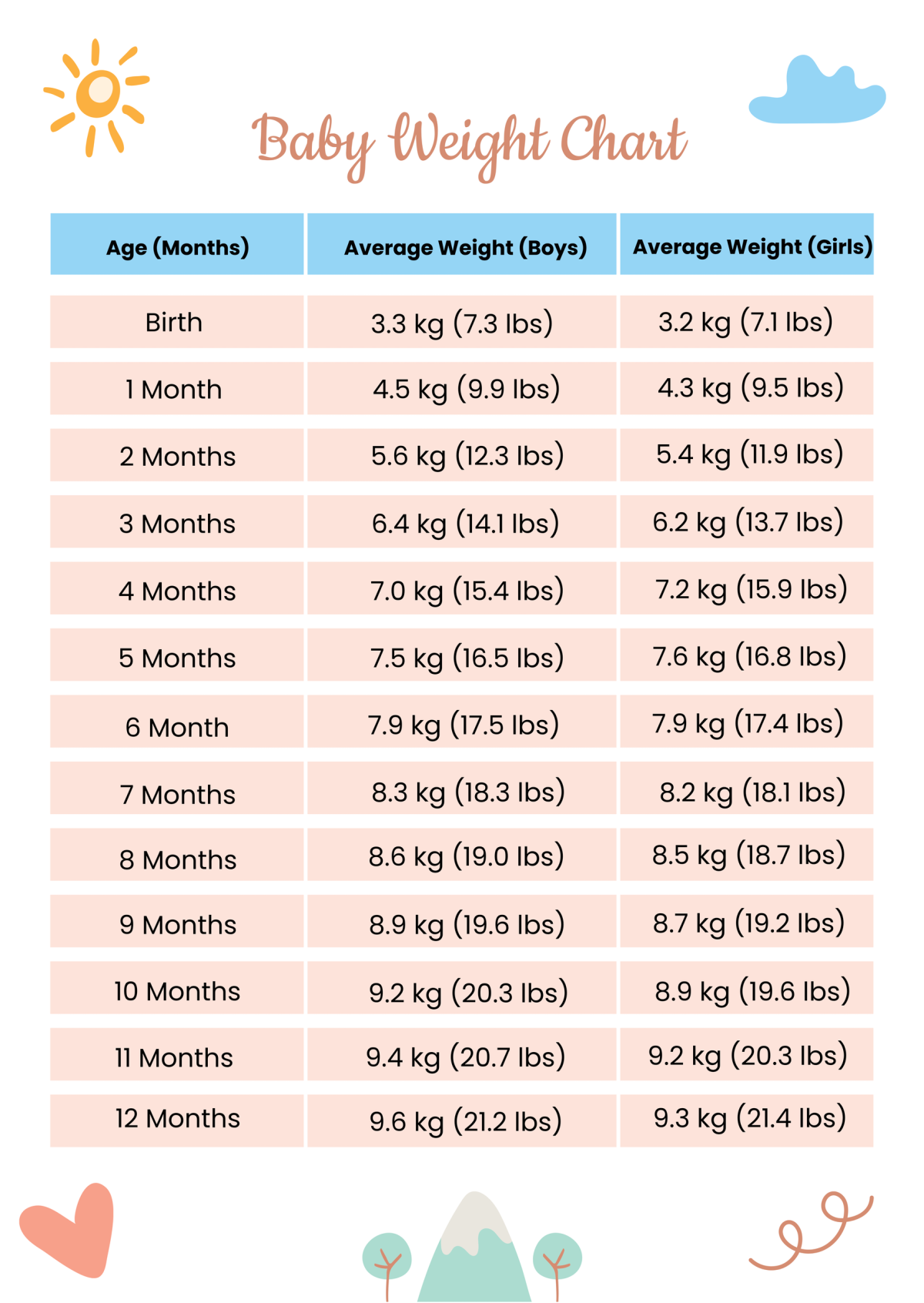
Understanding the 1 Month Old Baby Weight Chart
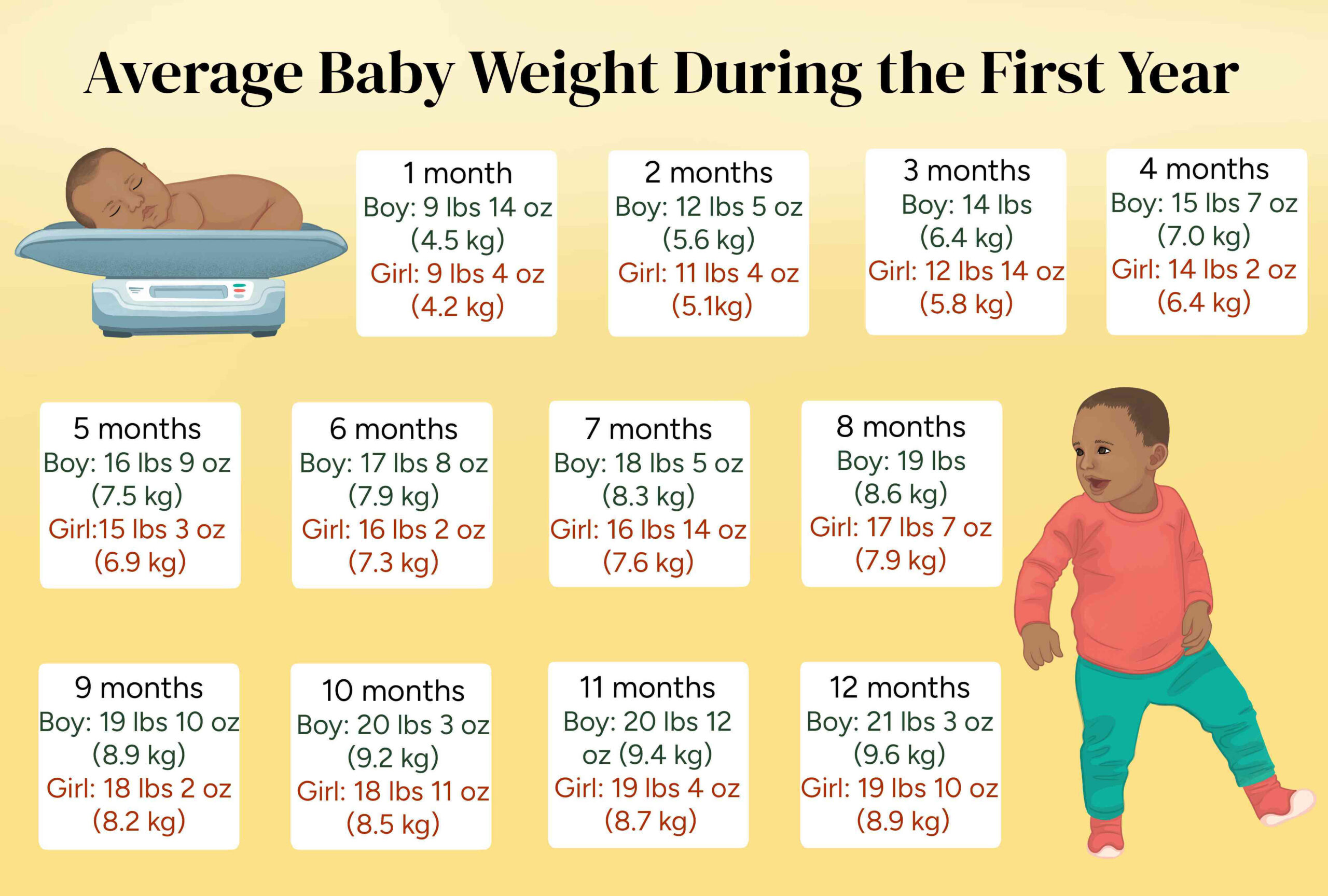
A 1 Month Old Baby Weight Chart typically displays the average weight ranges for infants at this age. This chart can help you determine if your baby is growing appropriately compared to the general population.
Most charts will include percentiles, which indicate how your baby’s weight compares to others. For instance, if your baby is in the 50th percentile, they weigh more than 50% of babies their age. This context can reassure you of your baby’s growth pattern.
How to Use the Chart Effectively
Using the chart is straightforward. Here’s a step-by-step guide:
- Download the Chart: Look for a printable PDF version of the 1 Month Old Baby Weight Chart. Ensure that it’s clear and easy to read.
- Print the Chart: Use standard letter-sized paper (8.5” x 11”) for easy handling. Print in portrait mode for better readability.
- Weigh Your Baby: Use a reliable baby scale to get an accurate measurement. It’s best to weigh them at the same time each day, ideally in the morning before feeding.
- Record the Weight: Write down your baby’s weight on the chart. You can mark the date next to it for future reference.
- Compare: Check where your baby’s weight falls on the chart. This will give you a quick visual cue about their growth progress.
Common Mistakes to Avoid
When using the 1 Month Old Baby Weight Chart, there are several common pitfalls to be aware of:
- Inconsistent Weighing: Weigh your baby under the same conditions each time (e.g., same time of day, same scale) to maintain consistency.
- Ignoring Percentiles: Percentiles provide essential context. Don’t just focus on the number; consider where your baby stands compared to others.
- Panic Over Small Fluctuations: Babies can gain or lose small amounts of weight daily. It’s the overall trend that matters, not a single measurement.
When to Consult a Pediatrician
If you notice that your baby’s weight consistently falls below the 5th percentile or above the 95th percentile, it’s a good idea to consult your pediatrician. They can provide guidance tailored to your baby’s specific needs and help you navigate any concerns about growth.
Keep in mind that growth patterns can vary widely among infants. Factors such as genetics, feeding habits, and overall health can all play a role in your baby’s weight. Your doctor can help you determine if any underlying issues need addressing.
Incorporating Growth Tracking Into Your Routine
Consistency is key when using the 1 Month Old Baby Weight Chart. Here are a few tips to integrate this practice into your daily routine:
- Set Reminders: Schedule weekly weigh-ins on your calendar to help you remember.
- Create a Growth Journal: Alongside the weight chart, maintain a journal where you jot down any notable events or changes in feeding habits.
- Celebrate Milestones: Recognize when your baby hits certain weight milestones. This can be a fun way to engage with their development.
By regularly tracking your baby’s weight, you can ensure that they are growing as expected. This not only gives you peace of mind but also allows you to celebrate their growth journey.
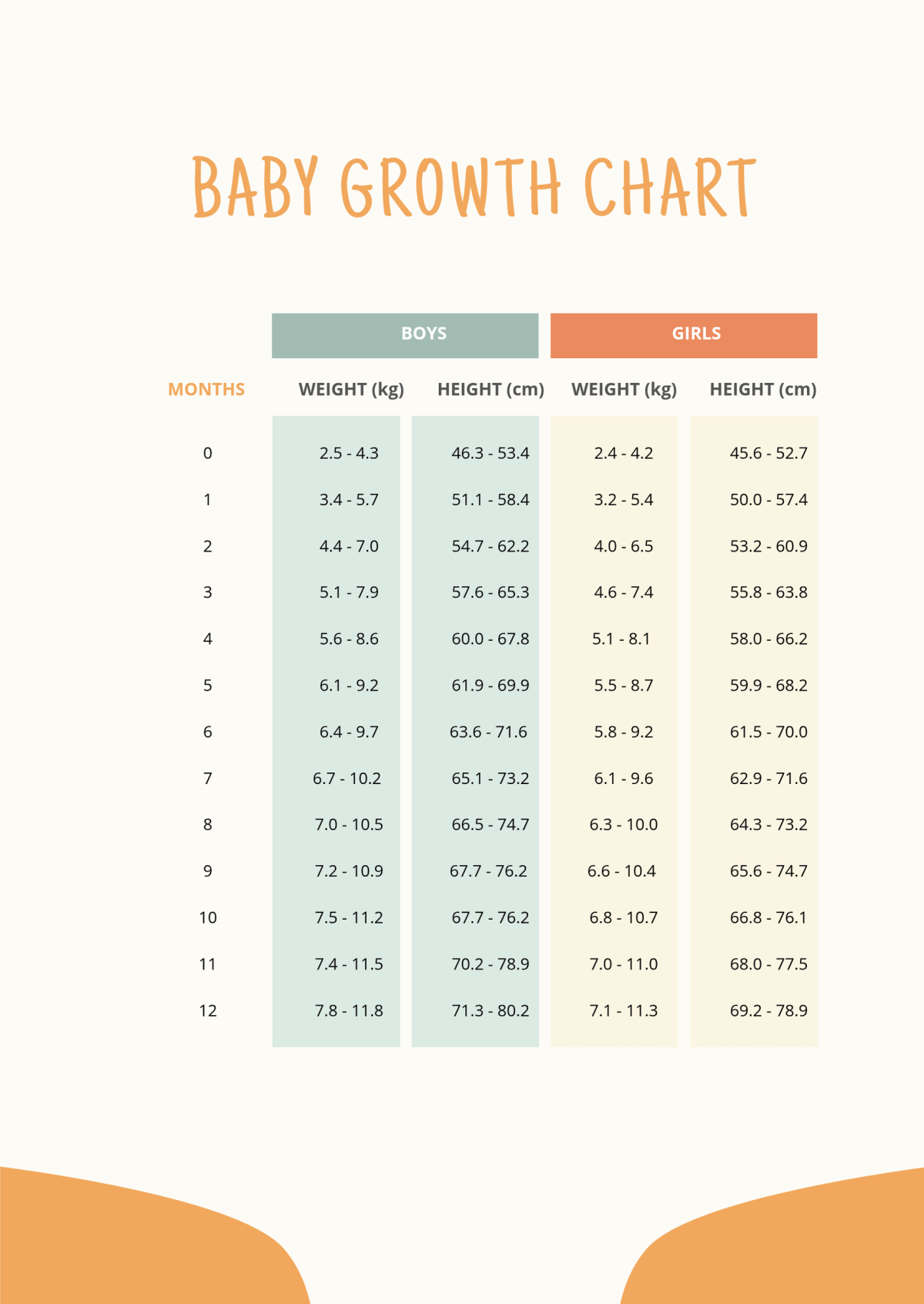
Immediate Action Step
After downloading and printing your 1 Month Old Baby Weight Chart, weigh your baby today and record their weight. This simple step can set the foundation for a healthy growth tracking routine.
