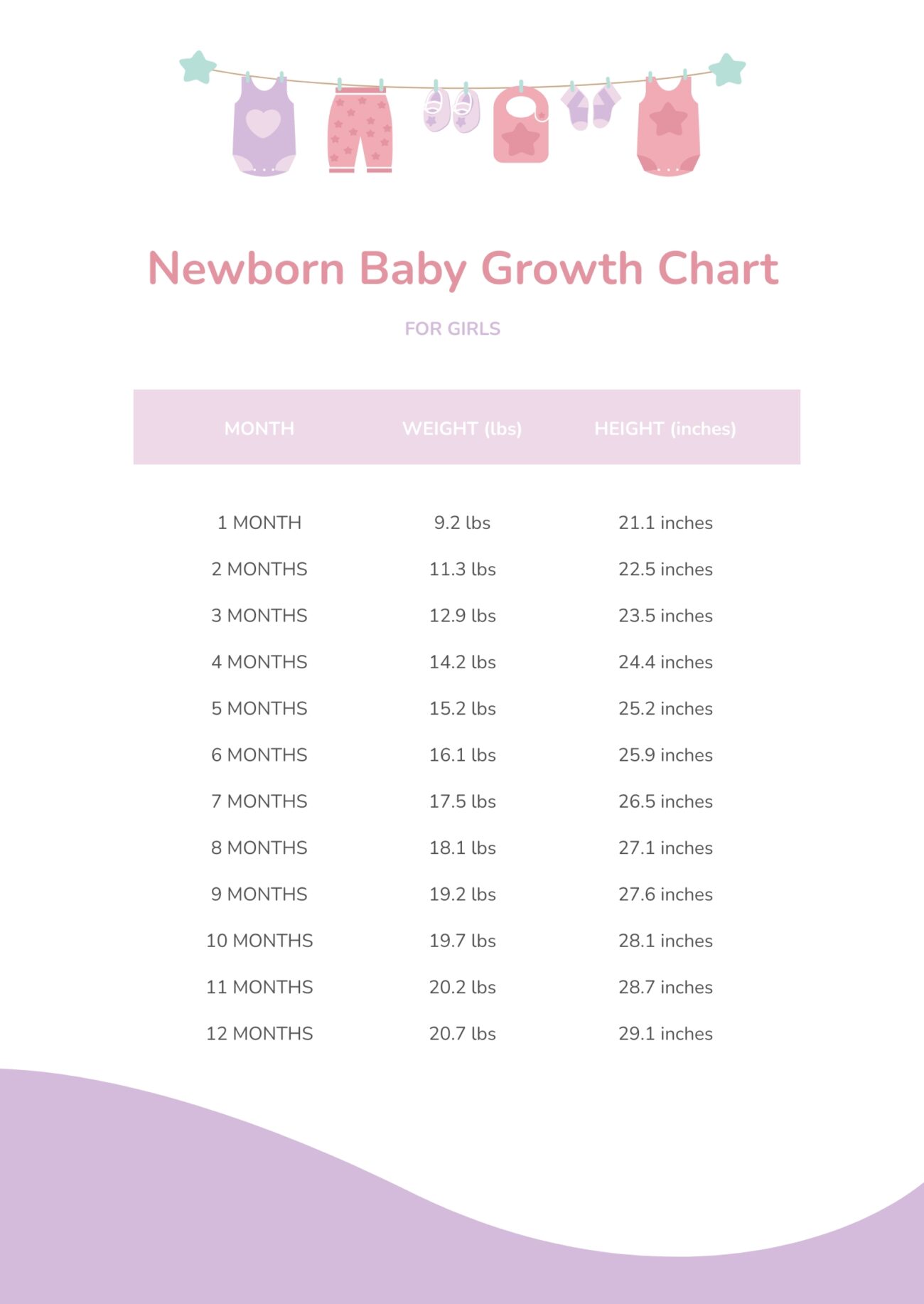
Monitoring your newborn’s weight is one of the key ways to ensure they are growing healthy and strong. The 1 Month Newborn Weight Chart is a practical tool that helps parents keep track of their baby’s weight over the first month of life, an important time for growth and development. This chart serves as a visual guide to understand weight trends and growth patterns, making it easier to spot any potential issues early on.
Understanding the 1 Month Newborn Weight Chart Layout
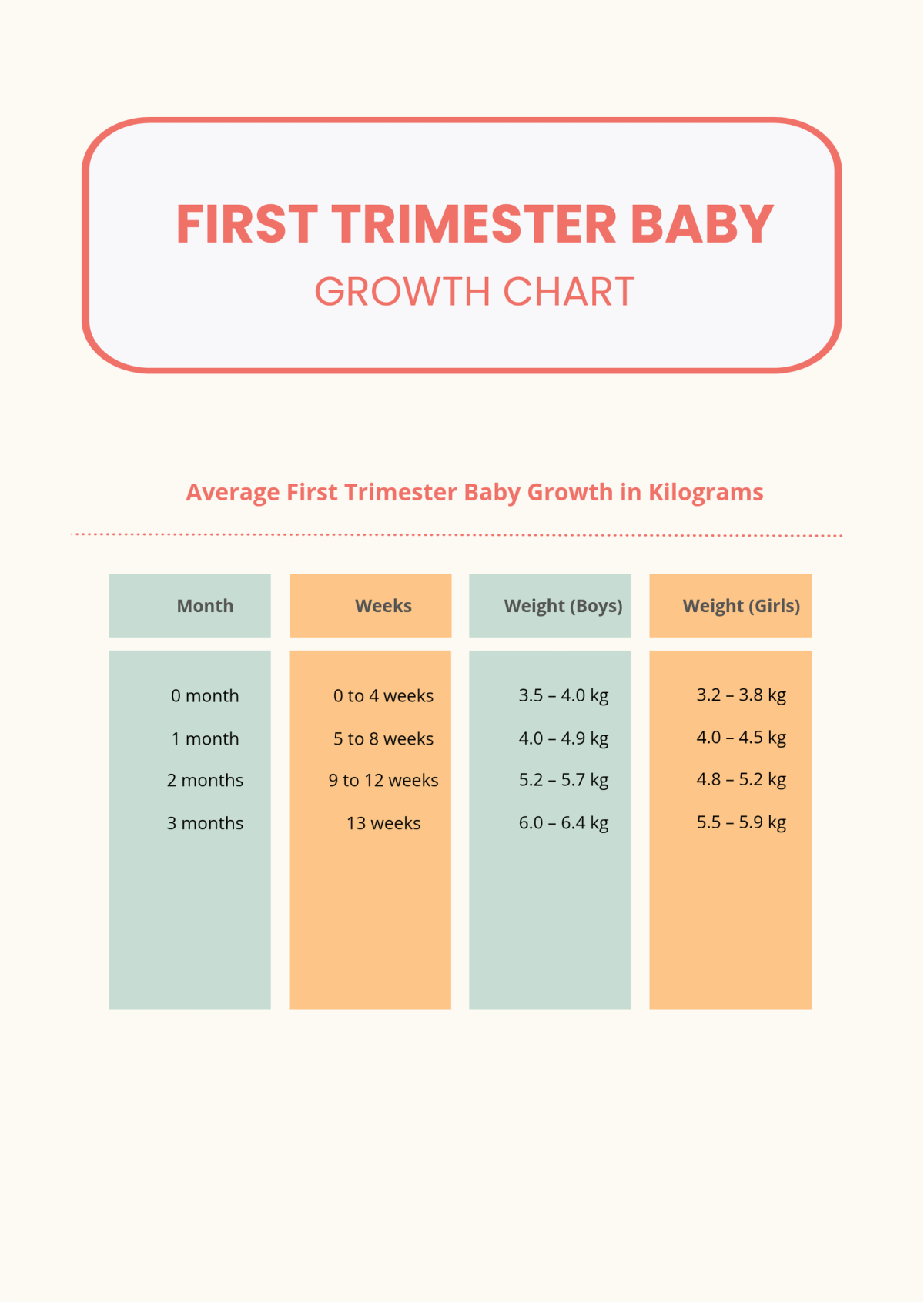
When you look at the 1 Month Newborn Weight Chart, you will notice a clear and organized layout. Typically, it includes columns for the date, weight, and notes. This structured format allows you to easily input and track your baby’s weight at regular intervals—ideally every week.
- Date: This column helps you mark when the weight measurement was taken. Regular tracking is essential in the early stages, as newborns can gain or lose weight quickly.
- Weight: Here, you’ll record the weight of your baby. It’s best to use a reliable scale, preferably one designed for infants, to get the most accurate readings.
- Notes: This section is for any additional information you may want to record, such as feeding patterns, changes in appetite, or other observations. This context can be helpful for pediatricians during check-ups.
By filling out this chart weekly, you can visualize your baby’s growth and ensure they are following their growth curve appropriately.
How to Use the 1 Month Newborn Weight Chart
Using the chart effectively requires consistent practice. Here’s a step-by-step guide to help you get started:
- Weigh Your Baby: Ideally, weigh your baby at the same time each week—right after a diaper change is often a good time, as it ensures they are not carrying any extra weight.
- Record the Weight: Write down the weight in the designated column. If your baby is still in the hospital, the staff may assist you with this, but once you’re home, you’ll be managing it.
- Note Any Changes: If you notice any significant changes in your baby’s weight—like a drop in weight or a slower gain than expected—make a note of it. This can help you identify patterns and share them with your pediatrician.
- Review Regularly: At the end of each week, take a moment to review your chart. This will give you a clearer picture of your baby’s growth and help you understand if they are on track.
Recognizing Growth Patterns and Trends
As you fill in the 1 Month Newborn Weight Chart, you may start to see some patterns emerge. Most newborns will lose some weight in the first few days of life, but ideally, they should regain their birth weight by about two weeks of age. After that, a typical weight gain is about 5 to 7 ounces a week during the first month.
To help you recognize these trends, consider the following:
- Consistent Growth: Your chart should ideally show a steady upward trend. If the weight remains flat or declines over a week or two, it’s worth consulting with your pediatrician.
- Feeding Frequency: Track your feeding schedule alongside the weight chart. If your baby is gaining weight well, it often correlates with consistent feeding (8-12 times per day for newborns).
- Health Notes: If your baby has been ill or has had feeding difficulties, note these in the chart. They can impact weight gain and should be discussed with your doctor.
Importance of Regular Pediatric Check-Ups
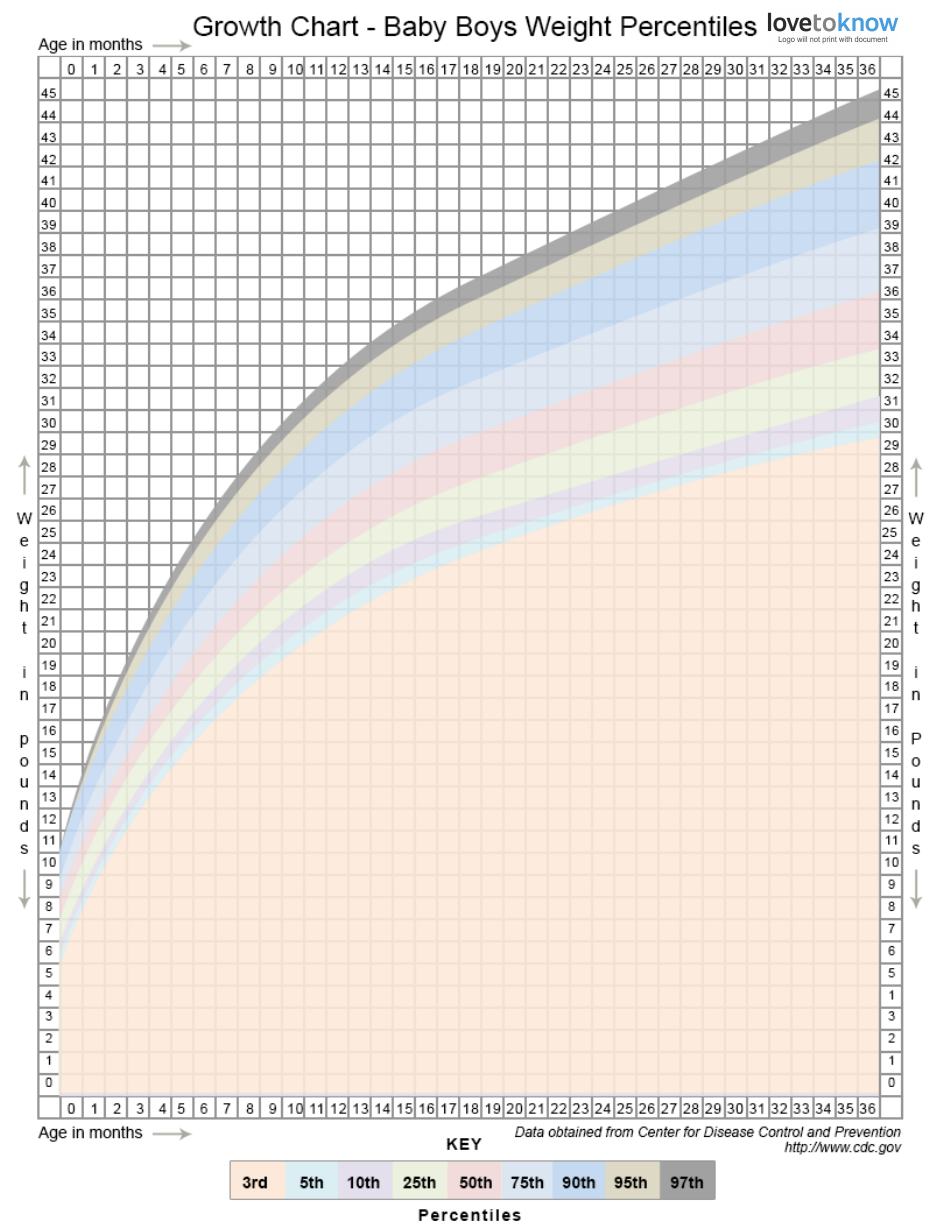
While the 1 Month Newborn Weight Chart is an excellent tool for tracking growth at home, regular check-ups with your pediatrician are essential. These appointments allow for professional assessments of your baby’s growth and development. Your healthcare provider will likely use growth charts to compare your baby’s weight and height against standard growth percentiles.
During these visits, you can discuss the following:
- Weight Gain Concerns: If you have concerns about your baby’s growth, bring your chart to the appointment. It can provide valuable insights for your pediatrician.
- Feeding Guidance: Your doctor can offer tailored advice about feeding schedules and methods to optimize your baby’s nutrition.
- Developmental Milestones: Beyond weight, these visits will assess other developmental milestones, ensuring your baby is on track in all areas.
Where to Find Your Printable 1 Month Newborn Weight Chart
You can easily find a downloadable and printable version of the 1 Month Newborn Weight Chart online. Many parenting websites and resources offer customizable templates that you can print at home.
When selecting a chart, look for these features:
- Clear Layout: Ensure the chart is easy to read and fill out. A simple design will help you focus on tracking rather than deciphering.
- PDF Format: A PDF format is ideal for printing, as it maintains the layout without any formatting issues.
- Customization Options: Some templates allow you to add your baby’s name and relevant dates, making it more personalized.
Once printed, keep the chart in a designated spot where you can easily access it for regular updates.
By utilizing the 1 Month Newborn Weight Chart, you can stay informed and proactive about your baby’s growth journey. If you are filling it out weekly or discussing it during check-ups, this resource is a practical tool that supports your baby’s health and development. Consider using cardstock for durability, especially if you plan to keep it for reference over the years.
