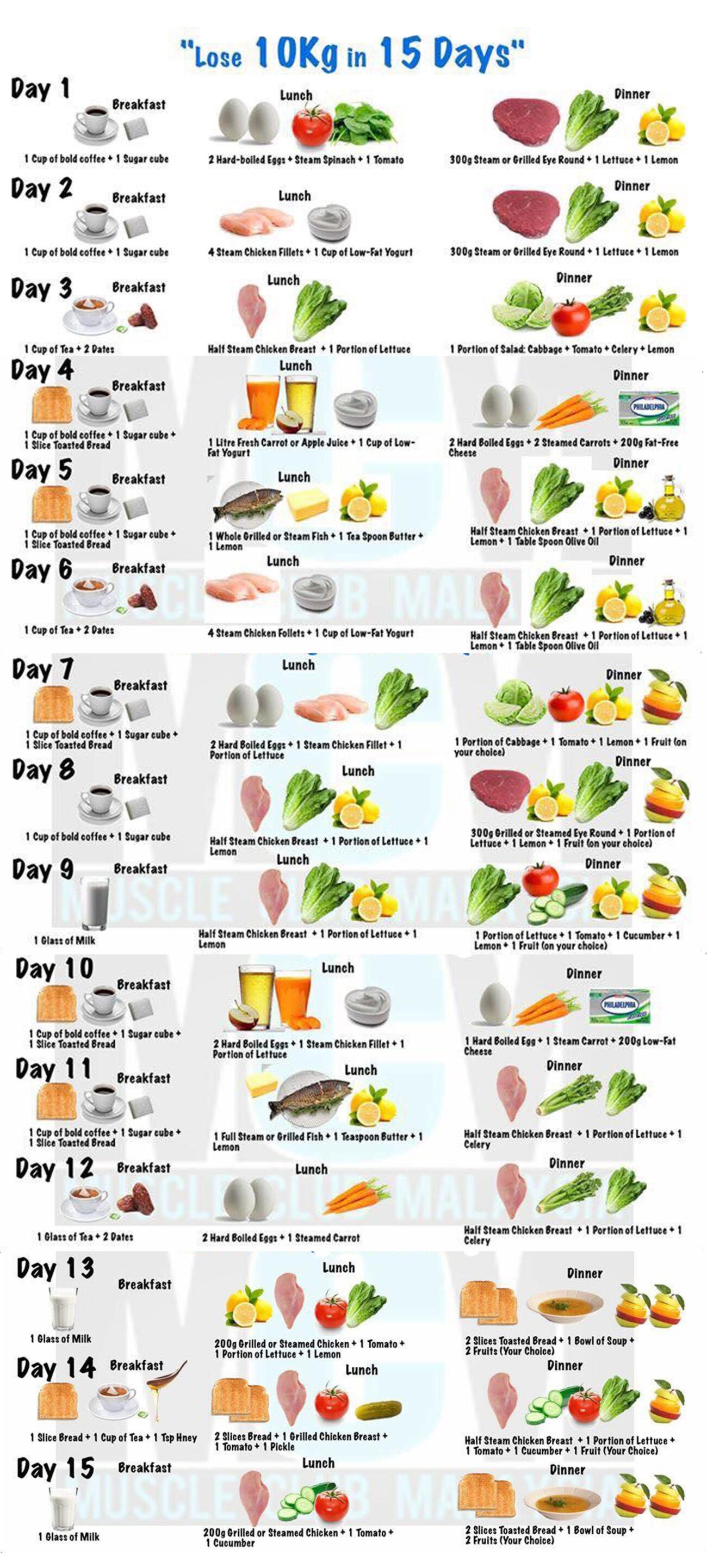
When it comes to losing weight, a structured approach can make all the difference. A 1 Month Diet Chart For Weight Loss is an excellent tool to help you organize your meals, ensuring you stay on track with your dietary goals. This resource allows you to visualize your eating plan, making it easier to stick to your commitments.
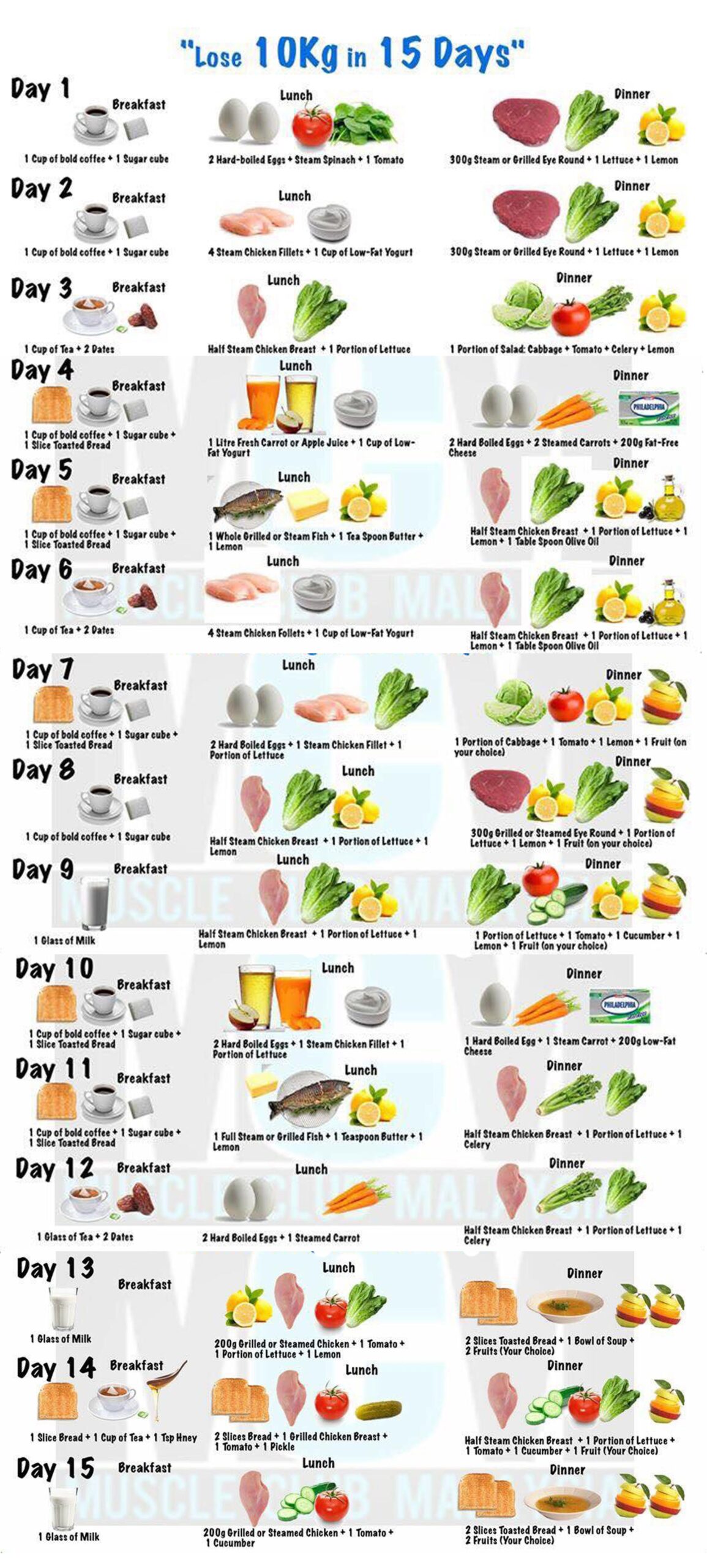
Understanding the 1 Month Diet Chart
A well-designed diet chart typically spans 30 days and includes daily meal plans, calorie counts, and nutritional guidelines. Each day is broken down into breakfast, lunch, dinner, and snacks, offering variety while adhering to your weight loss goals. The chart helps you maintain portion control and ensures you’re getting the right balance of nutrients.
Here’s how to read and use your diet chart effectively:
- Daily Meals: Each day will have specific meals listed. You can follow these or use them as inspiration to create your variations.
- Caloric Intake: The chart will often include the total caloric value for each meal, helping you stay within your daily caloric goals.
- Nutritional Balance: Look for a mix of proteins, carbohydrates, and healthy fats, which is essential for maintaining energy levels while losing weight.
Planning Your Diet Chart
Creating your own 1 Month Diet Chart For Weight Loss can be a straightforward process. Here’s a step-by-step guide to help you set it up:
Step 1: Set Your Goals
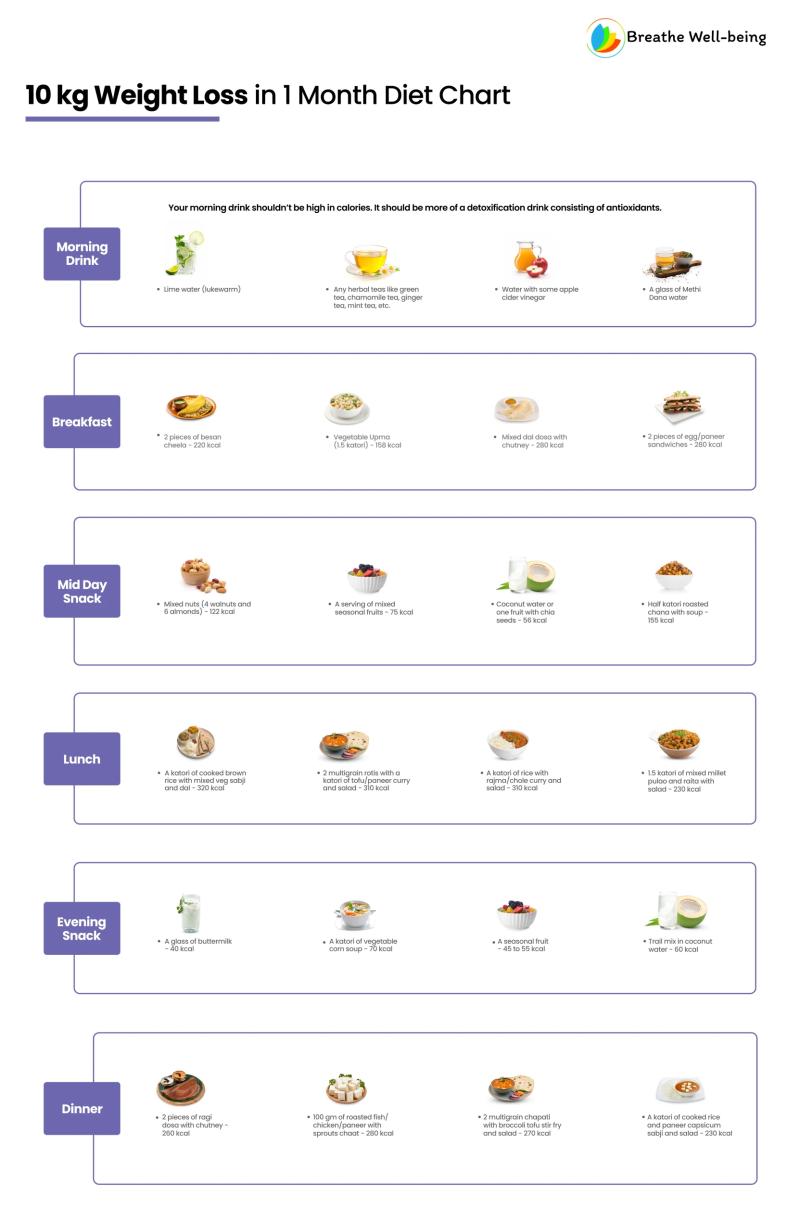
Before you start, determine your weight loss goals. How much weight do you want to lose in a month? This will guide your caloric intake and meal planning.
Step 2: Research Nutritional Needs
Understanding your nutritional needs is crucial. You can use online calculators to determine your daily caloric requirements based on your age, gender, weight, and activity level. This will help you craft a plan that’s both effective and healthy.
Step 3: Choose Your Meals
Select a variety of meals for each day. Aim for balanced meals that include:
- Proteins: Lean meats, fish, eggs, and plant-based proteins.
- Carbohydrates: Whole grains, fruits, and vegetables.
- Fats: Healthy fats from sources like avocados, nuts, and olive oil.
Step 4: Create the Chart
You can either use a printable template or create your own digital version. Make sure it’s clear and easy to read. Include sections for daily meals, snacks, and a space to jot down your feelings or cravings each day.
Using Your Diet Chart
Once you have your 1 Month Diet Chart For Weight Loss set up, it’s time to put it into action. Here’s how to make the most of it:
Daily Tracking
At the end of each day, track what you ate against your chart. This doesn’t just help you stay accountable; it also gives you insights into your eating patterns and any areas you might need to adjust.
Adjust as Necessary
If you find certain meals don’t work for you or you’re not losing weight as planned, don’t hesitate to tweak your chart. Flexibility is key to long-term success.
Stay Motivated
Use your chart to celebrate small victories. Mark off days when you’ve stuck to your plan, and consider implementing a reward system for reaching milestones. This could be anything from a relaxing day off to a new workout outfit.
Printable Resources and Tools
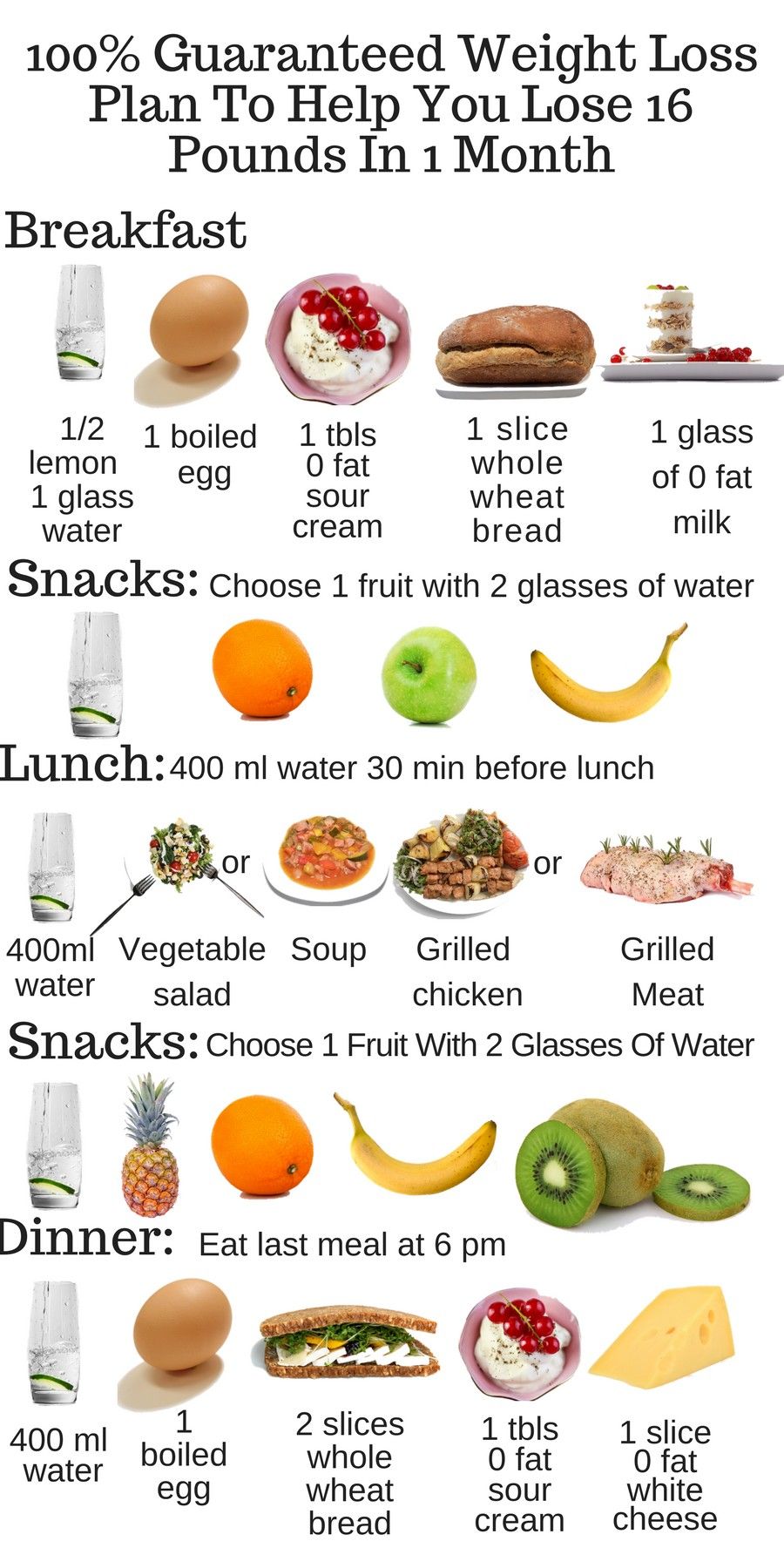
To make your journey easier, consider downloading a printable version of the 1 Month Diet Chart For Weight Loss. These resources often come in PDF format for easy printing, ensuring you have a physical copy to refer to daily.
Paper Quality and Printing Tips
- Paper Type: For durability, print on cardstock or a heavier weight paper. This will help the chart withstand daily use.
- Printer Settings: Use a standard portrait layout for easy reading. Adjust your printer settings to ensure clear text and graphics.
