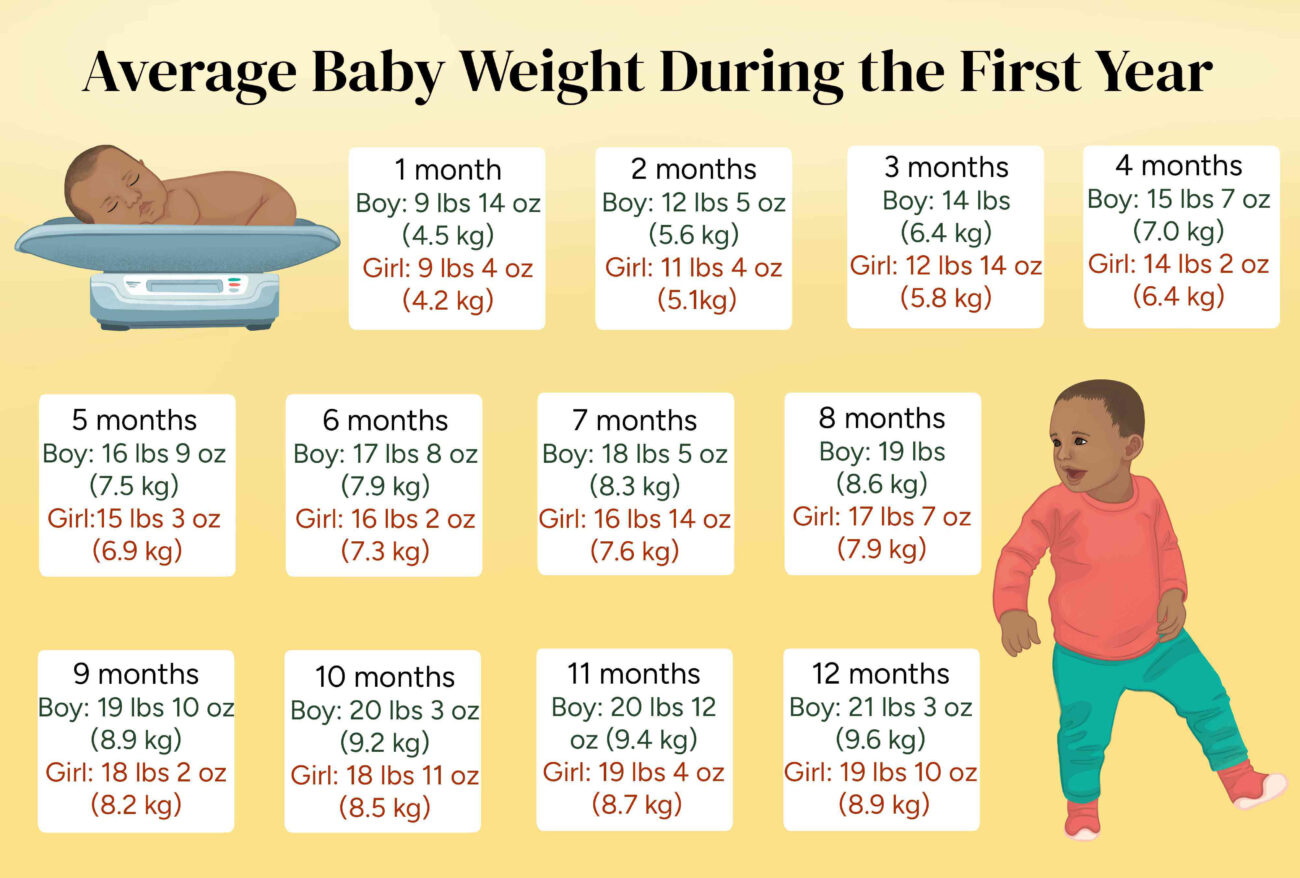
Understanding your baby’s growth in the first month is essential for parents. The 1 Month Baby Weight Gain Chart is a practical tool that helps you track your infant’s weight changes over the weeks. Monitoring weight gain is vital for ensuring your baby is healthy and developing properly. With this chart, you can easily see if your baby is on track with their weight gain goals.
What Is the 1 Month Baby Weight Gain Chart?
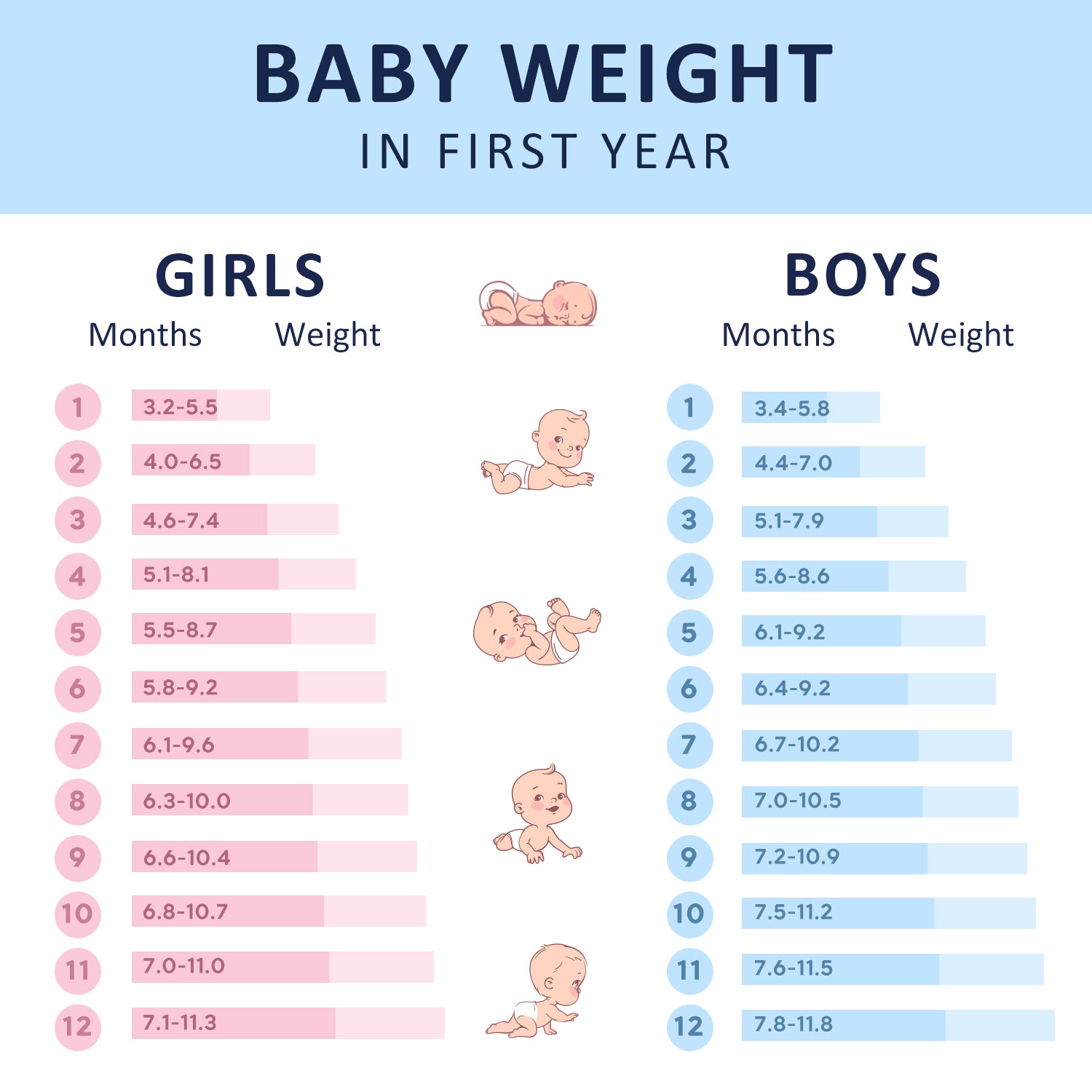
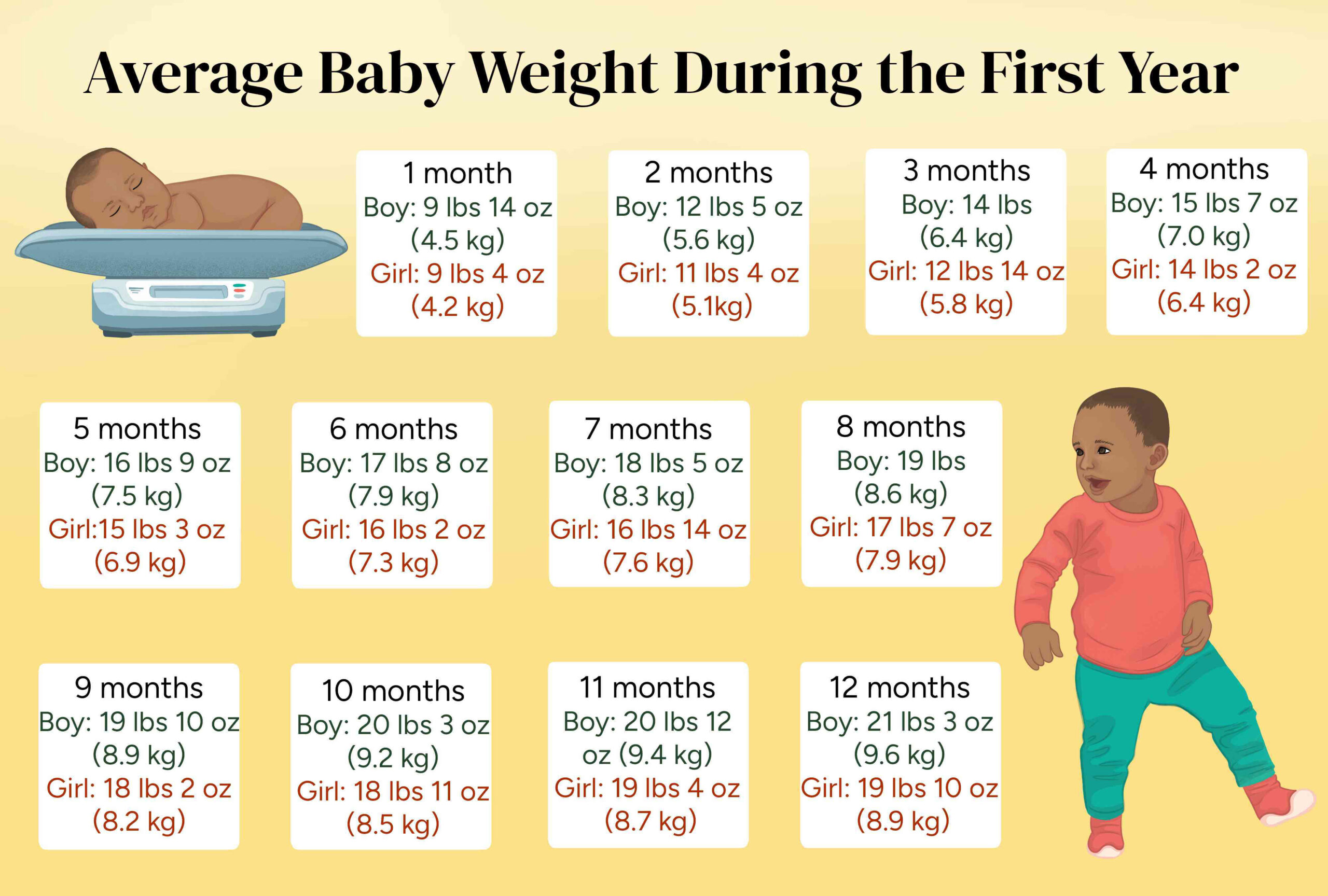
The 1 Month Baby Weight Gain Chart is a straightforward printable resource designed for parents to record their baby’s weight at different intervals throughout the first month. This chart typically includes space for you to write down the date and your baby’s weight. Some versions may also include average weight gain milestones for babies.
This chart is especially useful for new parents who want to ensure they’re meeting their baby’s nutritional needs. It can also help you spot any potential issues early on, allowing for timely discussions with your pediatrician.
How to Use the 1 Month Baby Weight Gain Chart
Using the chart is simple and can be integrated into your daily routine. Here’s how you can do it:
- Download and Print: First, download the chart from a reputable resource website. Print it out on standard A4 or letter-sized paper. If you want it to last longer, consider using cardstock.
- Weigh Your Baby: You can weigh your baby using a baby scale, which is often available at pediatric offices or can be purchased for home use. If you’re using a regular scale, remember to weigh yourself first, then weigh yourself holding your baby and subtract your weight from the total.
- Record the Weight: After weighing your baby, write down the date and weight on the chart. It’s helpful to establish a routine, such as weighing your baby at the same time each week.
- Monitor Growth: Compare your baby’s weight against average weight gain guidelines. On average, babies typically gain about 5 to 7 ounces per week during their first month. If your baby is gaining less than this, it may be worth consulting with your pediatrician.
- Adjust as Needed: If you notice consistent weight gain issues, you might want to adjust feeding routines or consult a healthcare professional for advice.
Benefits of Using the 1 Month Baby Weight Gain Chart
Using the 1 Month Baby Weight Gain Chart has several advantages:
- Visual Tracking: Seeing your baby’s weight changes in a visual format can provide peace of mind.
- Easy to Share: If you have concerns, you can easily share this chart with your pediatrician. It provides a clear record of your baby’s growth over the month.
- Encouragement: Tracking progress can be encouraging for parents. Knowing your baby is gaining weight appropriately can alleviate anxiety.
- Adjust Feeding: If your baby’s weight gain isn’t on track, you can adjust feeding schedules or discuss changes with your doctor.
Where to Find the 1 Month Baby Weight Gain Chart
You can find the 1 Month Baby Weight Gain Chart on several printable-resource websites. Look for reliable sites that offer various templates and charts specifically designed for parents. Some useful tips for finding a suitable chart include:
- Check for Customization: Some charts allow you to input additional notes or milestones, which can be helpful for tracking feeding schedules or any concerns you might have.
- Quality of Print: Make sure the chart is easy to read. A clear layout that’s well-spaced is essential for quick reference.
- Format: Look for PDF formats, as they often maintain formatting better than image files when printed.
- User Reviews: If possible, check reviews or recommendations from other parents to find a chart that has worked well for others.
Printing Tips for the 1 Month Baby Weight Gain Chart
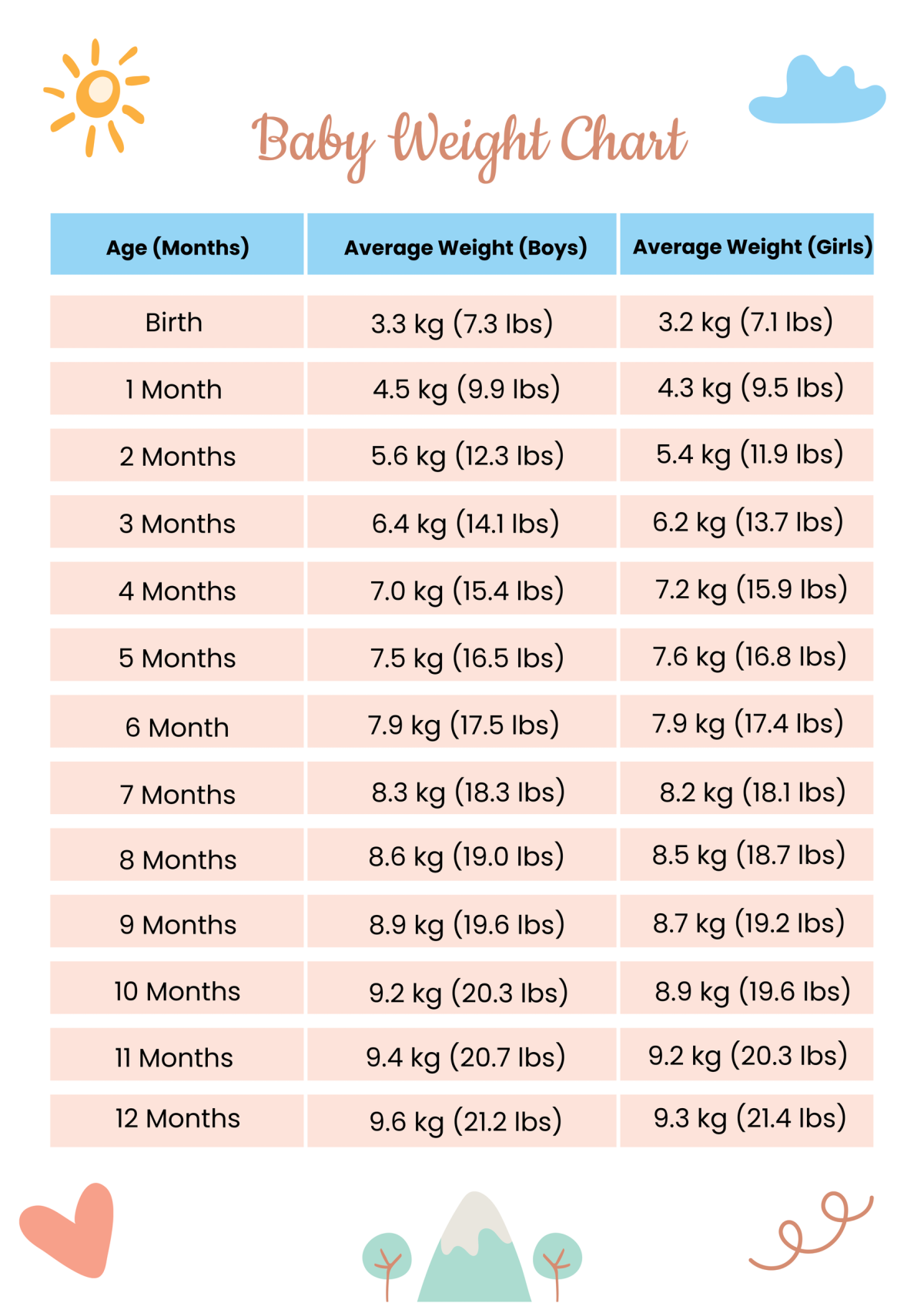
When printing your chart, consider these tips for the best results:
- Use Good Quality Paper: For a more durable chart, print on heavier paper or cardstock. This will hold up better if it’s placed in a binder or on the fridge.
- Adjust Print Settings: Make sure your printer settings are set to “actual size” to ensure the chart prints at the correct dimensions.
- Portrait Orientation: Most charts are designed to be printed in portrait orientation, which usually fits better on standard paper sizes.
- Lamination: If you’d like to reuse the chart for multiple babies or keep it in good condition, consider laminating it after printing.
Using the 1 Month Baby Weight Gain Chart can be a straightforward yet effective way to monitor your baby’s growth. As you fill it in, you’ll gain insights into your baby’s health and development. After printing, place it somewhere visible, like on the fridge or in your baby’s book, so you can easily access it during check-ups or when discussing growth with family and friends.
