Tracking your baby’s weight is essential for monitoring their growth and ensuring they’re developing healthily. The 1 Month Baby Weight Chart provides a straightforward way to log and visualize your baby’s weight over the first month of life. This resource is particularly useful for new parents eager to ensure their little one is on the right path.
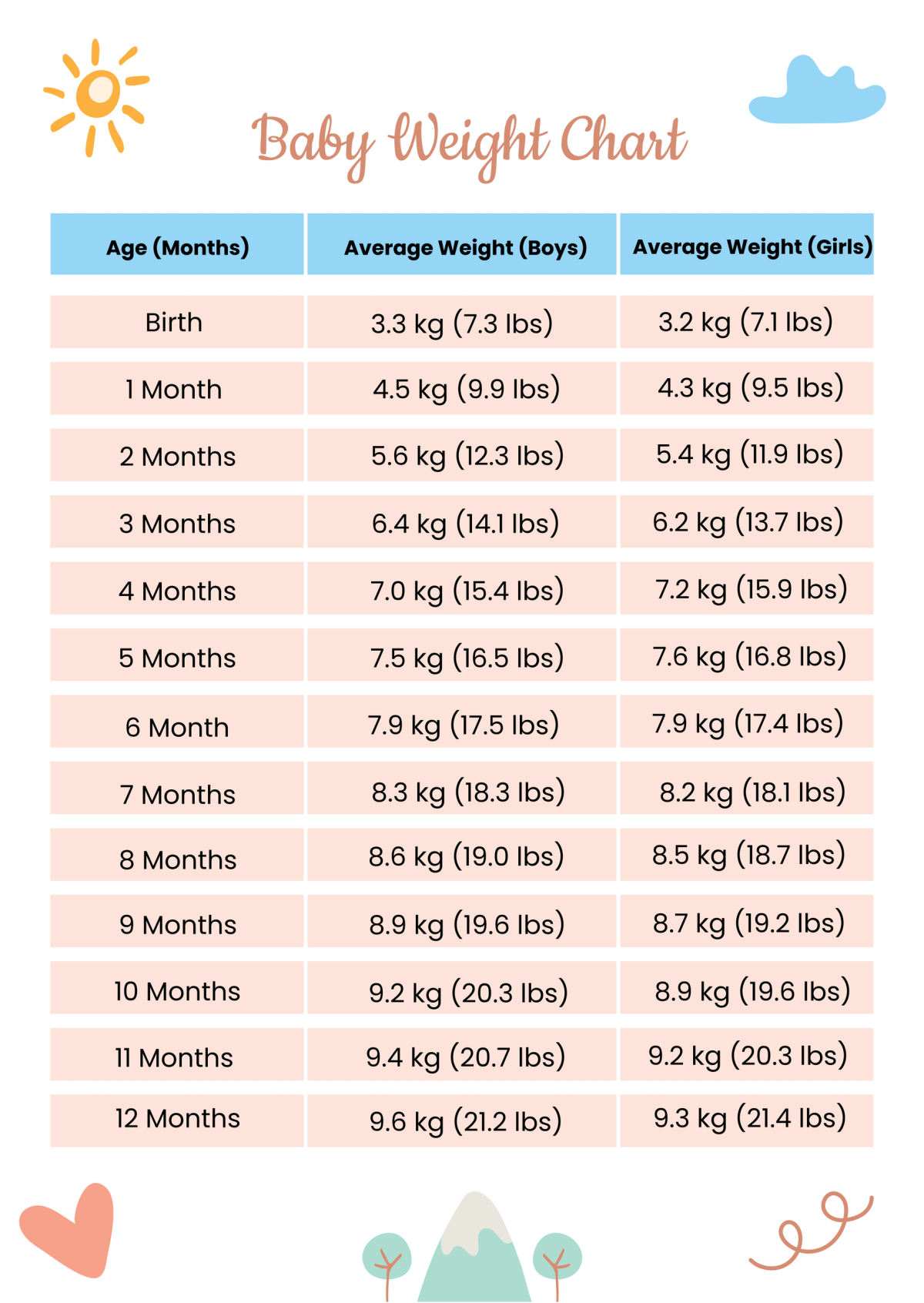
Understanding the 1 Month Baby Weight Chart
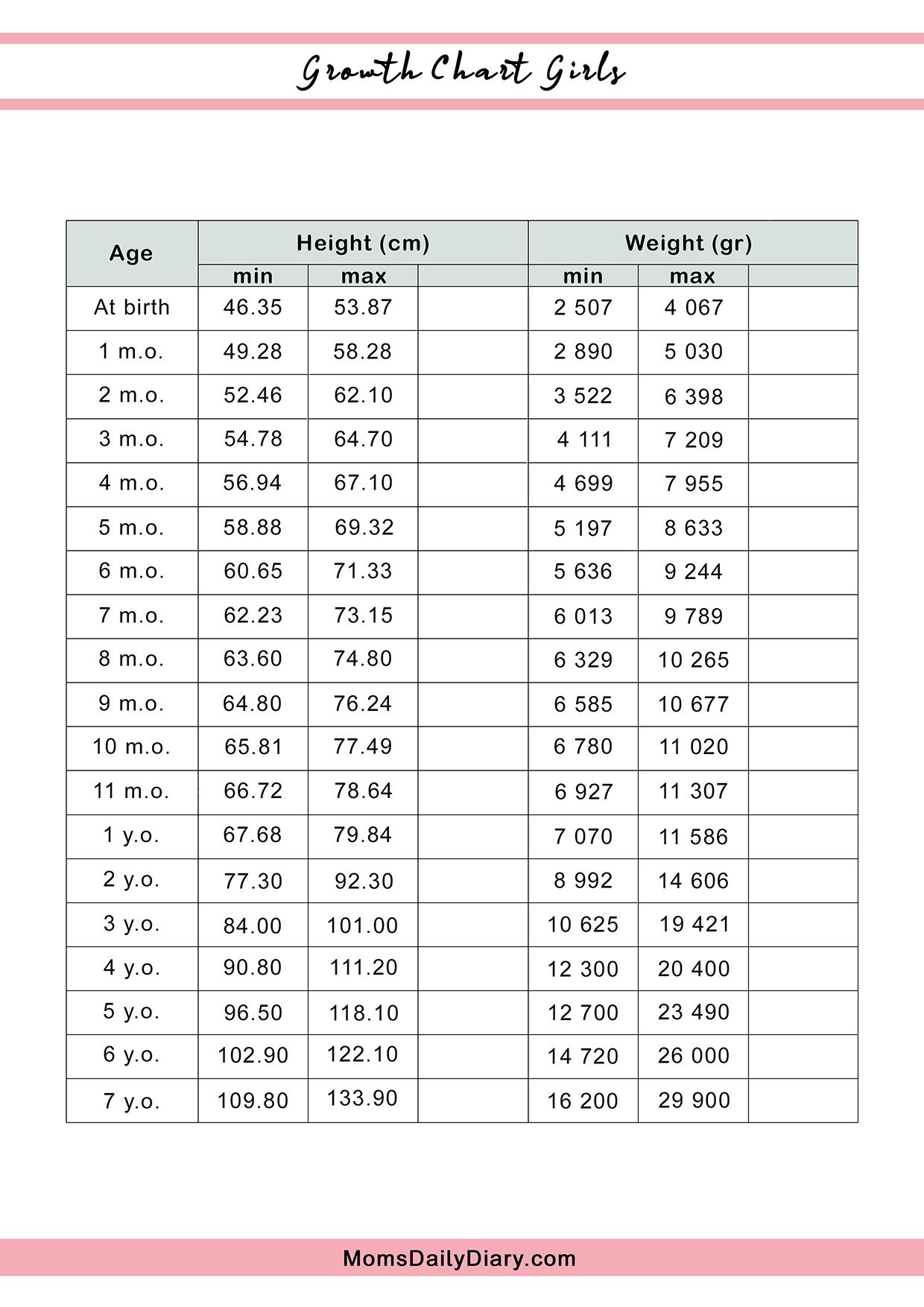
The 1 Month Baby Weight Chart is designed to help you track changes in your baby’s weight from birth through their first month. This chart typically includes recommended weight ranges based on your baby’s age in days or weeks. By plotting your baby’s weight on the chart, you can easily see if they are gaining weight at a healthy pace.
When using the chart, you’ll find that it includes age markers, which can help you assess whether your baby’s weight falls within the expected range. For instance, a healthy weight gain for newborns is about 5 to 7 ounces per week during the first month. If your baby’s weight gain is slower or significantly higher, it might be worth discussing with your pediatrician.
How to Use the 1 Month Baby Weight Chart
Using the 1 Month Baby Weight Chart is quite simple. Here’s a step-by-step guide to help you get started:
- Download and Print the Chart: You can usually find a printable version of the chart on various parenting websites or resources. Print it out on standard letter-sized paper (8.5 x 11 inches) for easy handling.
- Weigh Your Baby: Use a reliable baby scale to weigh your baby regularly. It’s best to do this at the same time each day, preferably in the morning before feeding.
- Log the Weight: Each time you weigh your baby, write the weight on the chart next to the corresponding age. If you’re using a digital format, you can fill it in directly on your device.
- Observe Trends: After a few weeks, take a moment to look over the chart. Are there consistent patterns? Is your baby’s weight on track according to the averages provided?
- Consult Your Pediatrician: If you notice any concerning trends, such as stagnant weight or excessive gain, reach out to your pediatrician for advice.
Digital Vs. Printable Charts
You might wonder whether to use a digital or printable version of the 1 Month Baby Weight Chart. Both have their pros and cons.
- Digital Chart: A digital chart allows you to easily edit and save your entries. Some parents prefer this method because they can access it on their phones or tablets. If you opt for a digital fillable PDF, ensure your device is compatible with the format to avoid any issues.
- Printable Chart: A printed chart can be more tactile and satisfying to fill out by hand. You can hang it on the fridge or keep it in your baby’s health record book for easy reference. Plus, using colored pens or markers can make it more engaging and visually appealing.
Ultimately, the choice between digital and printable comes down to your personal preference and lifestyle.
Key Features of the 1 Month Baby Weight Chart
When selecting a 1 Month Baby Weight Chart, look for these key features:
- Age Markers: The chart should clearly indicate the age of your baby in days or weeks.
- Weight Range Indicators: It should provide guidance on the expected weight range for each age milestone.
- Space for Additional Notes: Some charts offer sections for notes, where you can jot down feeding habits or health observations.
- User-Friendly Layout: Choose a chart that is easy to read and understand at a glance.
Having these features helps you make the most of the chart while providing a clear visual representation of your baby’s growth.
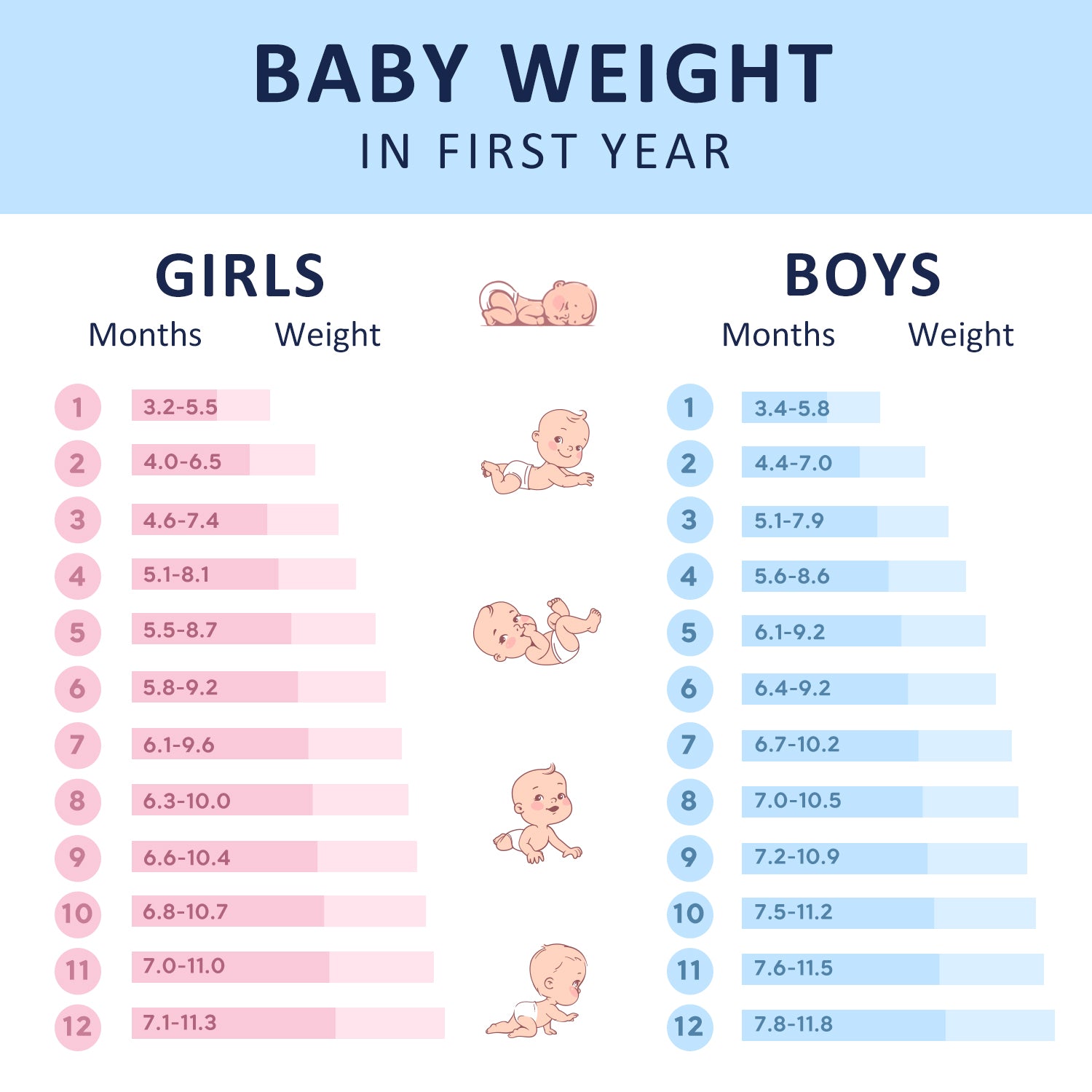
Next Steps: Making the Most of Your Chart
Once you have your 1 Month Baby Weight Chart in hand, take action! Start weighing your baby regularly and fill in the chart consistently. This process not only helps you track growth but can also become a cherished part of your baby’s early memories.
Consider pairing this chart with other resources like feeding logs or developmental milestone charts for a comprehensive view of your baby’s first month. By documenting these early days, you’ll create a valuable record that can help you celebrate milestones and share with family.
Using the 1 Month Baby Weight Chart can give you peace of mind as you navigate the early stages of parenthood. So, print it out, fill it in, and watch your little one grow!
