Tracking your baby’s growth is one of the most important aspects of parenting, and a 1 Month Baby Girl Weight Chart can help you monitor her development effectively. You may wonder how to use this chart and what details are essential for tracking your baby’s weight. This resource is designed to provide clarity on maintaining your little one’s health and ensuring she is growing as expected during her first month.
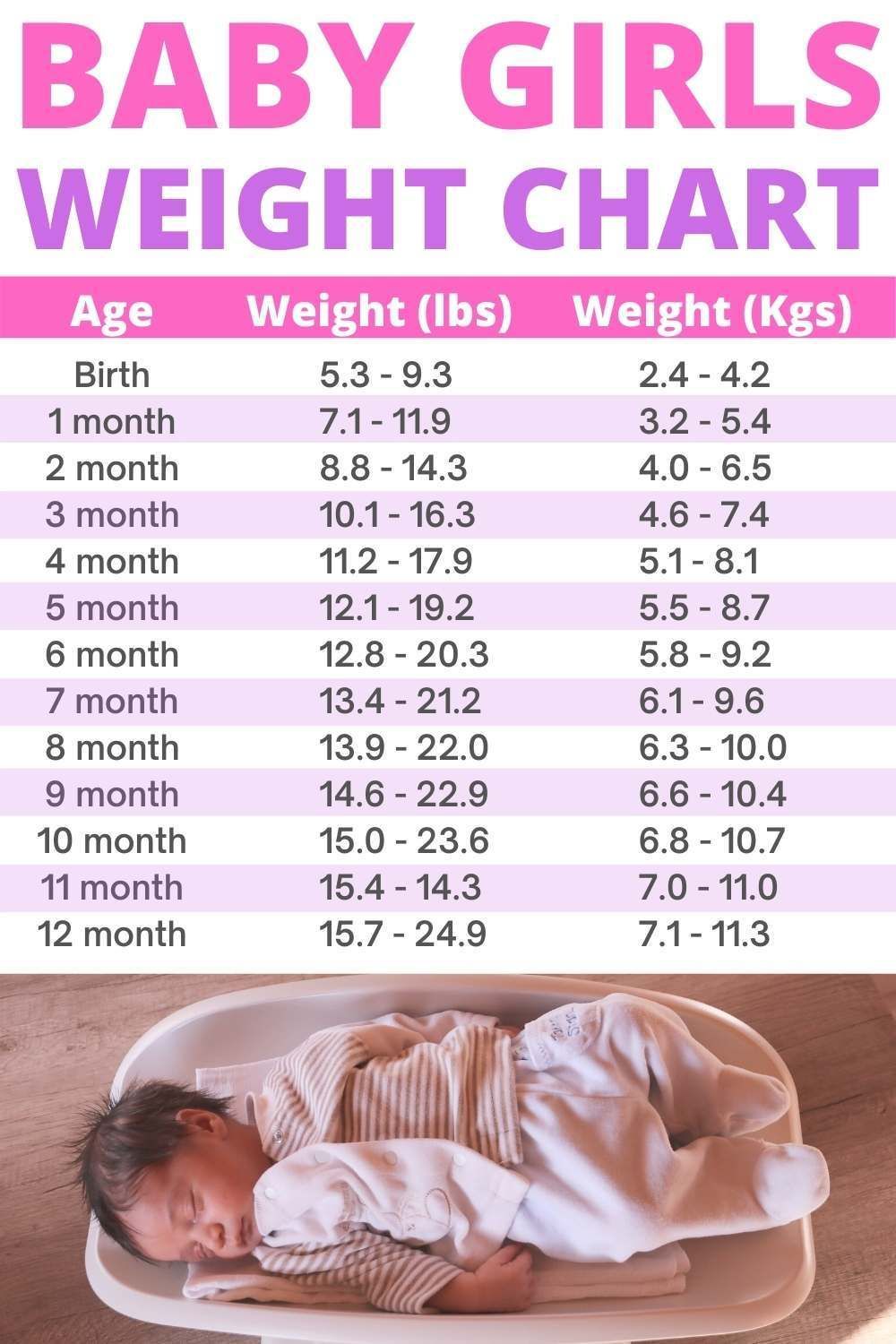
Understanding the 1 Month Baby Girl Weight Chart
The 1 Month Baby Girl Weight Chart serves as a visual tool to track your baby girl’s weight against standard growth patterns. Typically, pediatricians use these charts to compare your baby’s weight with the average weights of girls her age. The chart generally displays weight percentiles, showing how your baby compares with others. For instance, if your baby is in the 50th percentile, she weighs more than 50% of other girls her age.
Key Components of the Chart
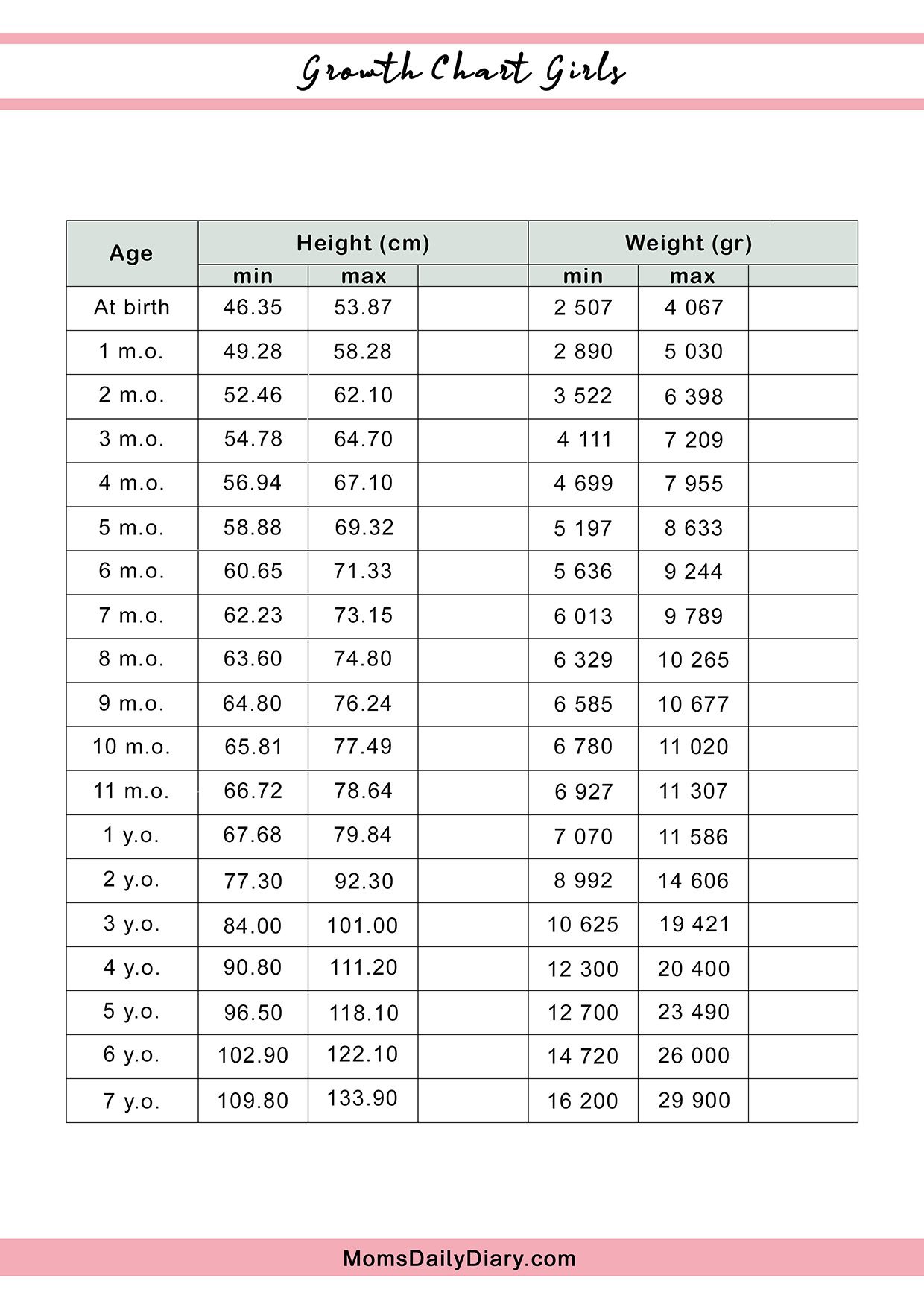
Most weight charts will include the following elements:
- Age in Weeks: This typically ranges from birth to 4 weeks. You can find markings for each week to help you plot your baby’s progress accurately.
- Weight in Pounds and Ounces: This is usually presented on the vertical axis, allowing you to see how your baby’s weight changes week by week.
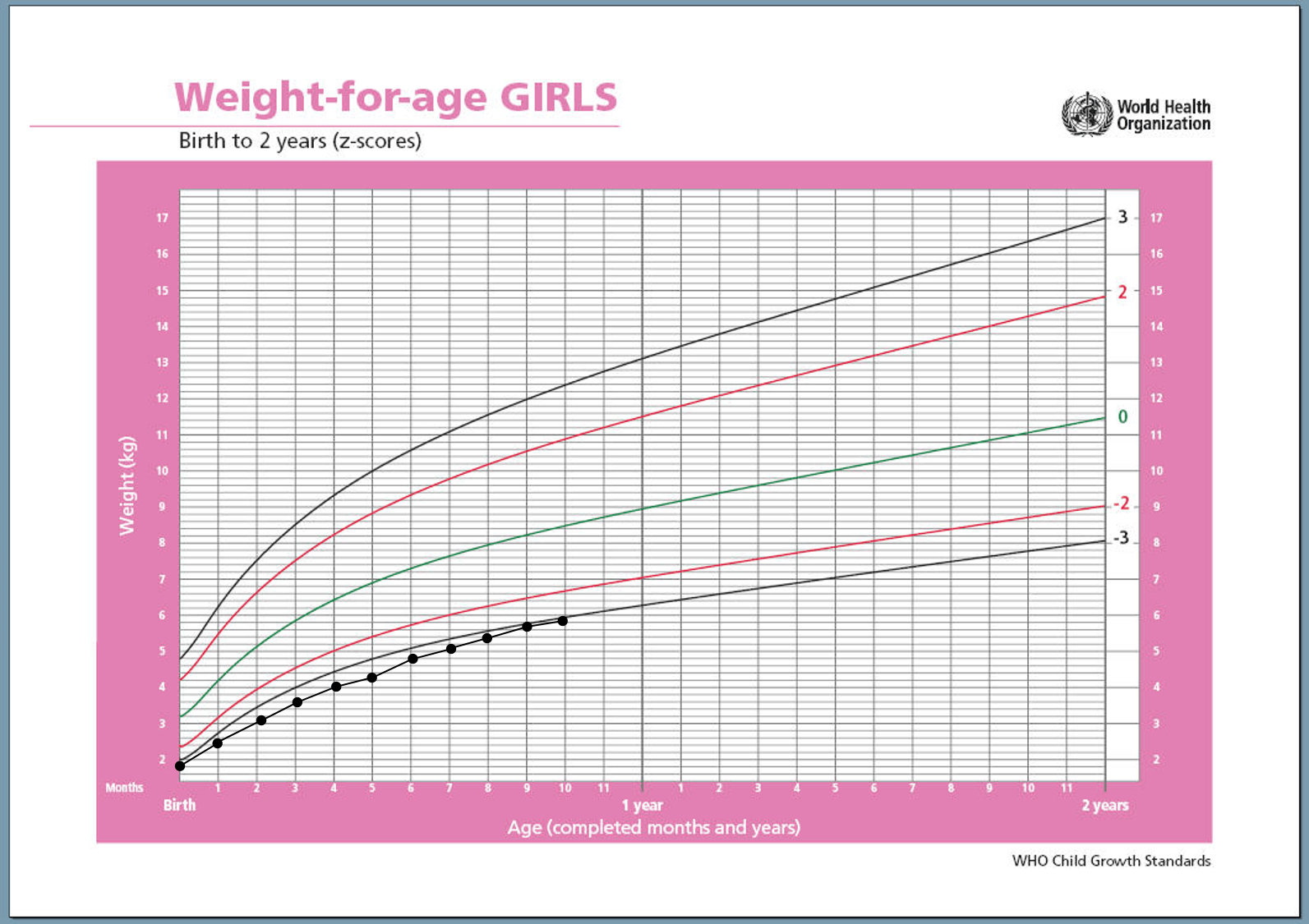
- Percentile Lines: These lines indicate the average weight for girls at different percentiles (e.g., 10th, 50th, and 90th).
You can download the chart as a PDF or print it directly from your computer. Having a physical copy means you can fill it out by hand, which some parents find more engaging.
How to Use the Weight Chart
Using the 1 Month Baby Girl Weight Chart is straightforward. Here’s how you can effectively track your baby’s weight:
- Weigh Your Baby Regularly: It’s best to weigh your baby at the same time each week, preferably in the morning, after a diaper change but before feeding. This consistency ensures accurate tracking.
- Record the Weight: Write down your baby’s weight on the chart. If you’re using a digital version, you can fill it out on-screen.
- Plot the Weight on the Chart: Locate the corresponding week and plot your baby’s weight on the chart. Draw a line or mark the point to visualize her growth over time.
- Analyze the Data: After tracking for a few weeks, review the chart to see if your baby is following a consistent growth pattern. If she’s gaining weight steadily, that’s a good sign. If there are fluctuations, consult your pediatrician.
Digital Vs. Print
You might wonder whether to use a digital or printed version of the chart. Each has its advantages:
- Digital: You can fill in a fillable PDF on-screen, which is convenient for quick updates. You can also save it and track changes over time without needing to print multiple copies.
- Print: Writing by hand can be more personal and engaging. If you prefer to have a physical copy that you can hang on the fridge or store in a baby book, printing is a great option.
Choosing between digital or print ultimately depends on your preference and how you plan to integrate the chart into your routine.
Where to Download the 1 Month Baby Girl Weight Chart
Finding a reliable source for downloading the 1 Month Baby Girl Weight Chart is essential. Look for websites dedicated to parenting resources or pediatric health. Many reputable sites offer free downloadable PDFs that are easy to print. Ensure that the chart you choose is up-to-date and reflects current growth standards used by pediatricians.
Tips for Printing
When you’re ready to print, consider these tips for the best results:
- Use High-Quality Paper: Standard printer paper works fine, but cardstock can hold up better if you plan to laminate the chart for durability.
- Check Printer Settings: Make sure your printer is set to the correct page size (typically 8.5″ x 11″) to avoid any reformatting issues.
- Portrait vs. Landscape: A portrait layout generally works best for charts like this, as it allows for better visibility of the weight range.
Monitoring Growth Beyond Weight
While the 1 Month Baby Girl Weight Chart focuses on weight, it’s essential to monitor other growth aspects as well. Keep an eye on her height, head circumference, and developmental milestones. This comprehensive approach will give you a fuller picture of her growth and health.
You can also consider creating additional charts for tracking other developmental milestones, such as feeding schedules or sleep patterns. Resources for these printable charts are widely available online and can help you stay organized.
In summary, the 1 Month Baby Girl Weight Chart is an invaluable tool for parents wanting to ensure their baby’s healthy growth. By understanding how to use this chart effectively, you’ll be better equipped to track your baby’s progress and address any concerns with your pediatrician. Remember to be consistent with your measurements and keep an open line of communication with your healthcare provider.
