When it comes to tracking your baby’s growth, a 1 Month Baby Boy Weight Chart is an invaluable tool. Parents often wonder if their little ones are growing at a healthy pace, and having a chart makes it easier to monitor weight changes. This resource helps you keep a clear record of your baby’s weight, allowing you to spot trends and discuss them with your pediatrician.
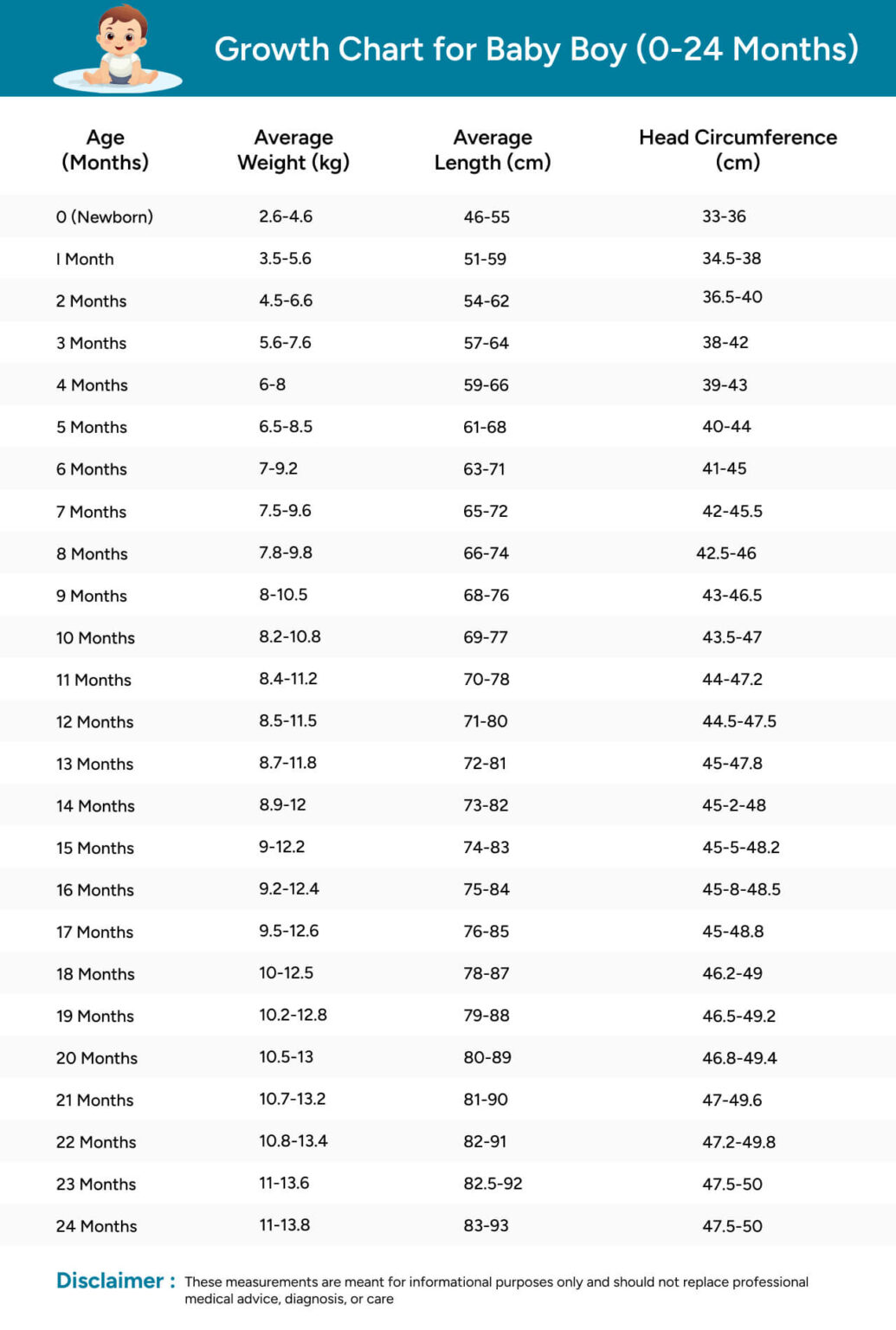
Understanding the 1 Month Baby Boy Weight Chart
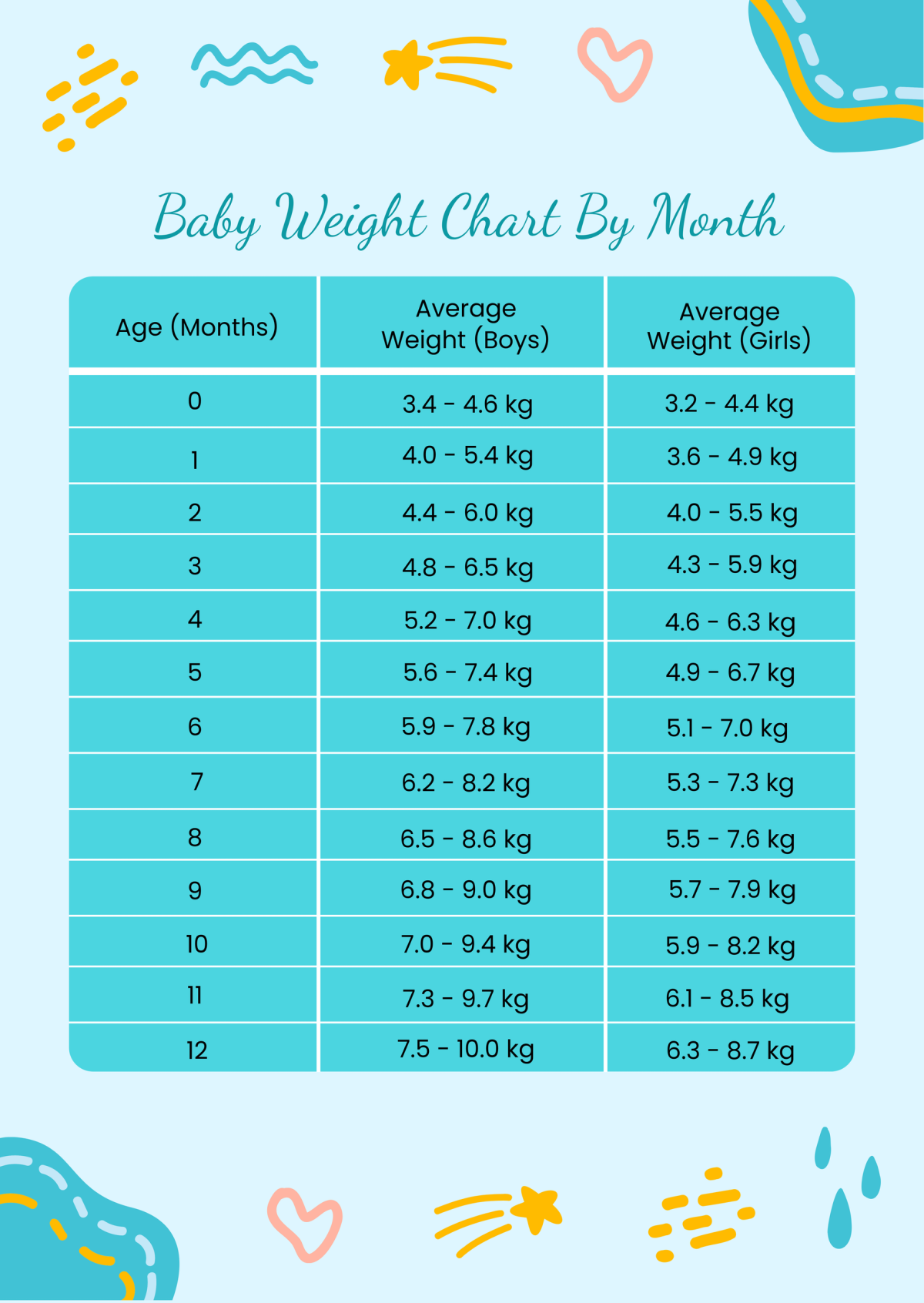
The 1 Month Baby Boy Weight Chart is specifically designed for parents looking to track the weight of their baby boy during the first month of life. This chart typically includes a range of weights that are considered normal for boys at this age, helping you understand where your baby stands in comparison to standard growth patterns.
The chart usually features:
- Age in weeks (from birth to 4 weeks)
- Weight ranges (in pounds and ounces or kilograms)
- Percentiles to help gauge growth against national averages
To use the chart effectively, you’ll record your baby’s weight at regular intervals, ideally during pediatric check-ups or weekly weigh-ins at home. This will not only help you see if your baby is gaining weight appropriately but also allow you to have informed discussions with healthcare providers.
How to Use the Weight Chart
Using the 1 Month Baby Boy Weight Chart is straightforward. Here’s how you can get the most out of this resource:
- Weigh Your Baby: Use a baby scale at home or during pediatric visits to get an accurate weight. Make sure your baby is calm and wearing minimal clothing for the best results.
- Record the Weight: Write down the weight in the appropriate space on the chart. It’s helpful to use a consistent day of the week for weighing to maintain regularity.
- Compare with the Chart: Locate your baby’s age on the chart and see where their weight falls within the ranges provided. This will help you understand if they are within the healthy range.
- Monitor Trends: Over time, look for trends in the data. Is your baby consistently gaining weight? Are there fluctuations that may require further investigation?
- Consult Your Pediatrician: If your baby’s weight is significantly above or below the average range, it’s a good idea to discuss this with your pediatrician. They can provide insights and recommendations tailored to your baby’s specific needs.
Common Mistakes to Avoid
While using the 1 Month Baby Boy Weight Chart, there are a few common pitfalls to watch out for:
- Infrequent Weighing: Only weighing your baby sporadically can lead to an inaccurate assessment of their growth. Aim for consistency in how often you weigh.
- Ignoring Percentiles: Percentiles are there for a reason. If your baby consistently falls below the 5th percentile or above the 95th, it’s crucial to seek advice from a healthcare professional.
- Not Considering Other Factors: Weight is just one aspect of your baby’s health. Factors like feeding habits, activity levels, and overall health should also be considered when assessing growth.
- Relying Solely on the Chart: Use the chart as a guide, but remember that every baby is unique. Development can vary widely, and what’s normal for one baby may not be for another.
Where to Download and Print
You can easily find printable versions of the 1 Month Baby Boy Weight Chart online. Look for reputable parenting websites or healthcare resources that offer downloadable PDFs. These formats are typically easy to print and can be filled in by hand.
When printing, consider the following:
- Paper Type: Regular printer paper is sufficient, but if you want something more durable, opt for cardstock. This will hold up better if you plan to keep the chart for reference.
- Print Settings: Ensure your printer is set to the correct paper size (usually letter size, 8.5 x 11 inches) to avoid any formatting issues.
- Lamination: If you want to keep the chart safe from spills or tears, consider laminating it after printing. This way, you can use dry-erase markers to record weights without damaging the paper.
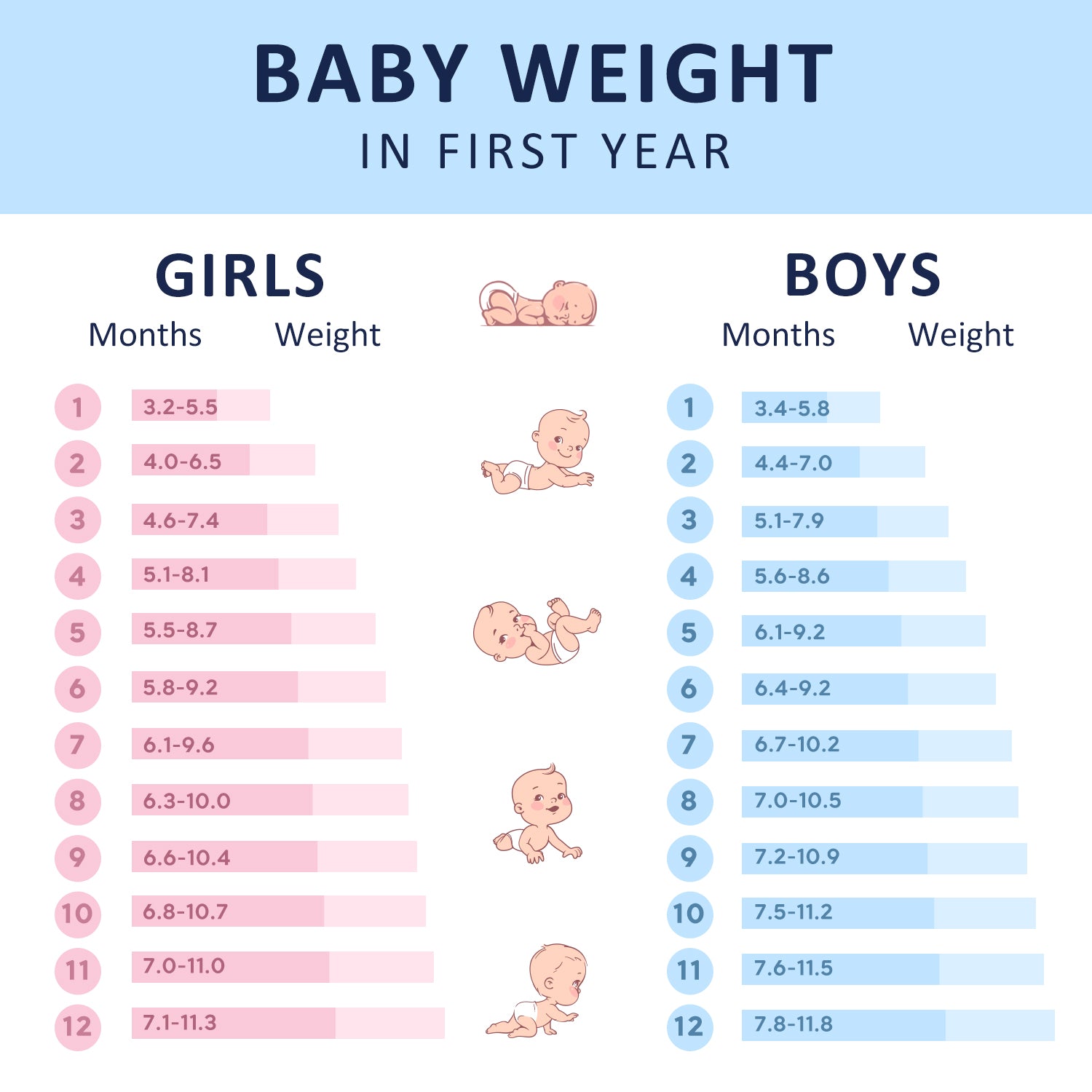
Incorporating the Chart Into Your Routine
Integrating the 1 Month Baby Boy Weight Chart into your daily routine can foster a proactive approach to your baby’s health. Here are some tips on how to make it part of your regular schedule:
- Weekly Weigh-Ins: Choose a day each week to weigh your baby, making it a part of your routine.
- Health Journal: Consider keeping a health journal where you note not only weight but also feeding times, diaper changes, and any concerns you might want to discuss with your pediatrician.
- Visual Reminders: Hang the chart in a visible spot at home, perhaps on the fridge or in your baby’s nursery, to encourage regular use.
Keeping track of your baby’s weight with the 1 Month Baby Boy Weight Chart is a straightforward and effective way to ensure they are growing healthily. By regularly updating the chart and consulting with your pediatrician, you’ll have a clearer picture of your baby’s development and can celebrate those little milestones together.
