Tracking your baby’s growth in the first month is crucial for their health and development. A 1 Month Old Weight Chart helps you monitor your baby’s weight, ensuring they’re on the right track. This chart is not just a number; it reflects your baby’s health and helps you make informed decisions about their care.
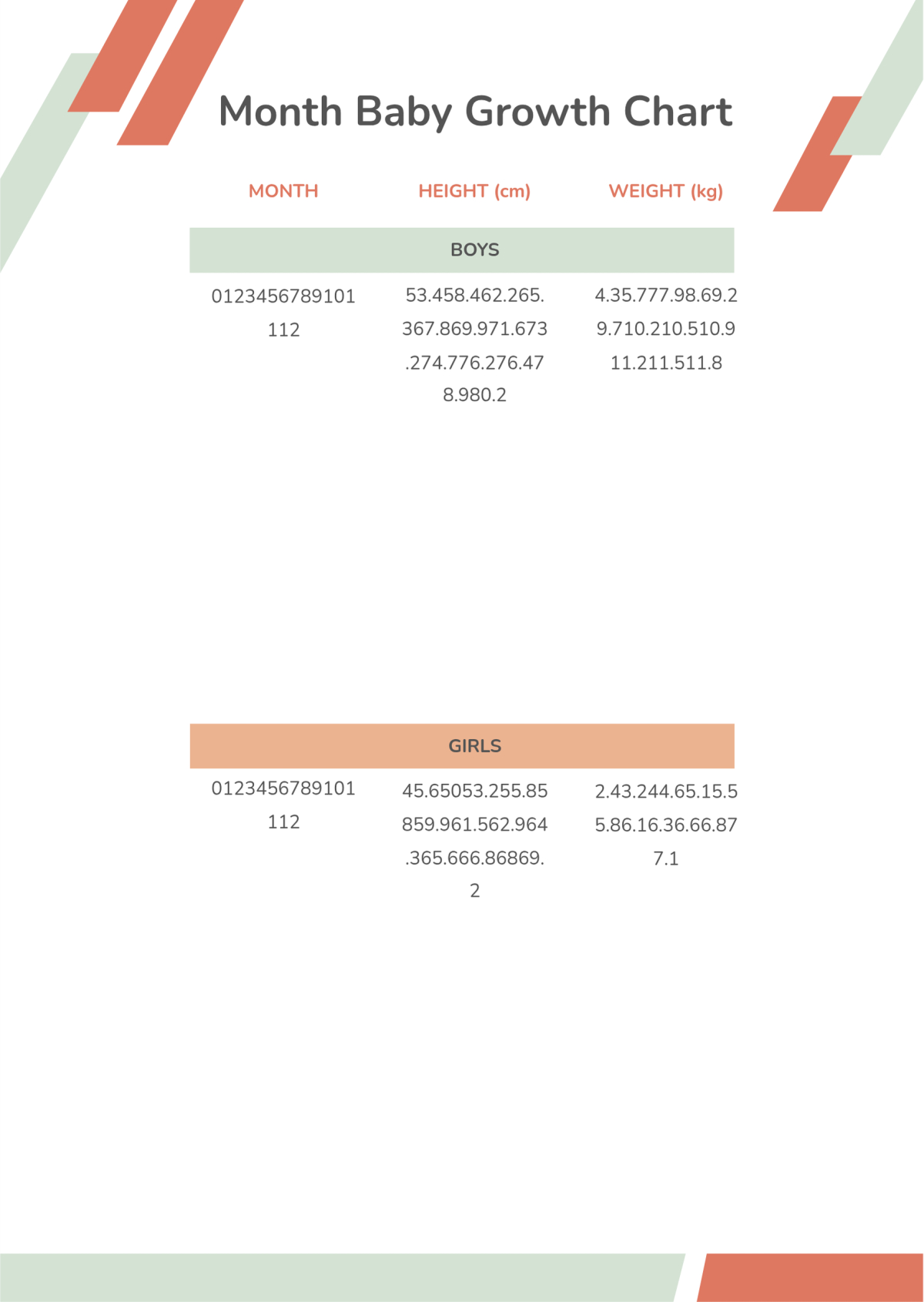
Understanding the 1 Month Old Weight Chart
The 1 Month Old Weight Chart is designed to track your baby’s weight against standard growth percentiles. These percentiles indicate how your child’s weight compares to other babies of the same age and gender. For instance, if your baby is in the 50th percentile, they weigh more than 50% of babies their age, which is generally a good sign of healthy growth.
Key Measurements to Track
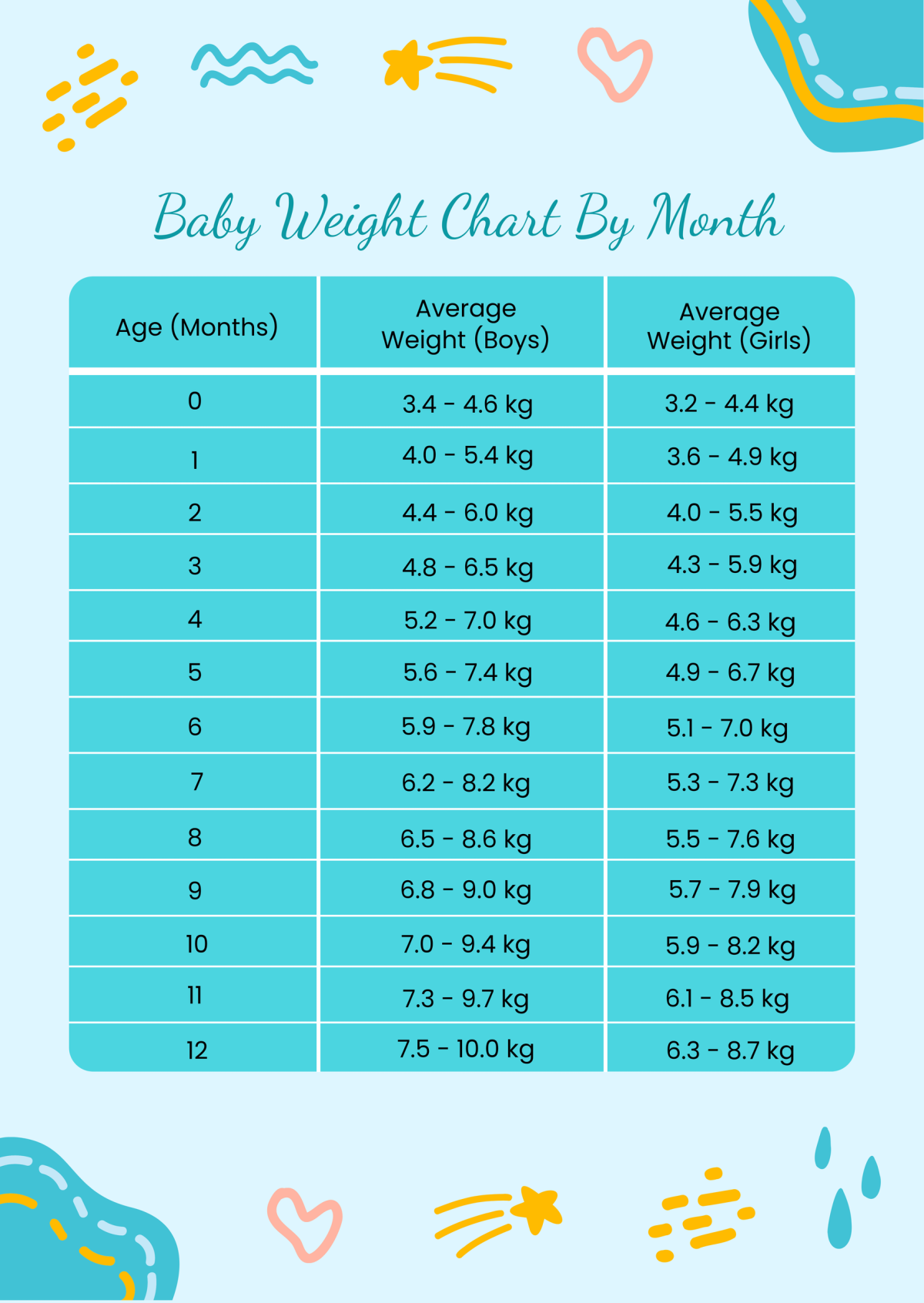
When using the chart, you should focus on several key areas:
- Weight: Measured in pounds or kilograms, this is the primary metric.
- Percentiles: Indicates how your baby’s weight compares to others.
- Date of Measurement: Regularly updating this helps track growth over time.
Tracking these metrics can give you a clearer picture of your baby’s growth patterns. Make sure to record their weight weekly or bi-weekly, especially in the first few months.
How to Use the Chart Effectively
Using the 1 Month Old Weight Chart is straightforward. Here’s a step-by-step guide to help you make the most of it:
- Weigh Your Baby: Use a digital baby scale for the most accurate reading. Be sure to weigh them at the same time of day and under similar conditions for consistency.
- Record the Weight: Write down the weight in the appropriate spot on the chart. If you’re using a printable version, keeping a pen handy can help you stay organized.
- Locate the Percentile: Find the corresponding weight on the chart to see which percentile your baby falls into. This can help you understand if they are growing as expected.
- Monitor Trends: Look for patterns over time rather than focusing on one-off measurements. If your baby consistently gains weight, that’s a positive sign of health.
- Discuss with Healthcare Providers: If you notice significant fluctuations or if your baby isn’t gaining weight as expected, consult your pediatrician. They can provide guidance based on the chart and your baby’s overall health.
Presentation and Printing Tips
If you’re printing the 1 Month Old Weight Chart, consider the following to ensure it looks professional and is easy to read:
- Paper Quality: Use standard printer paper for casual use, but if you plan to keep it long-term or in a baby book, opt for heavier cardstock. This makes it more durable.
- Print Settings: Set your printer to “Best” quality to avoid any smudging or fading. If your printer has a portrait option, use it for better readability.
- Size Matters: Standard letter size (8.5 x 11 inches) works best for most home printers and fits well in baby books or folders.
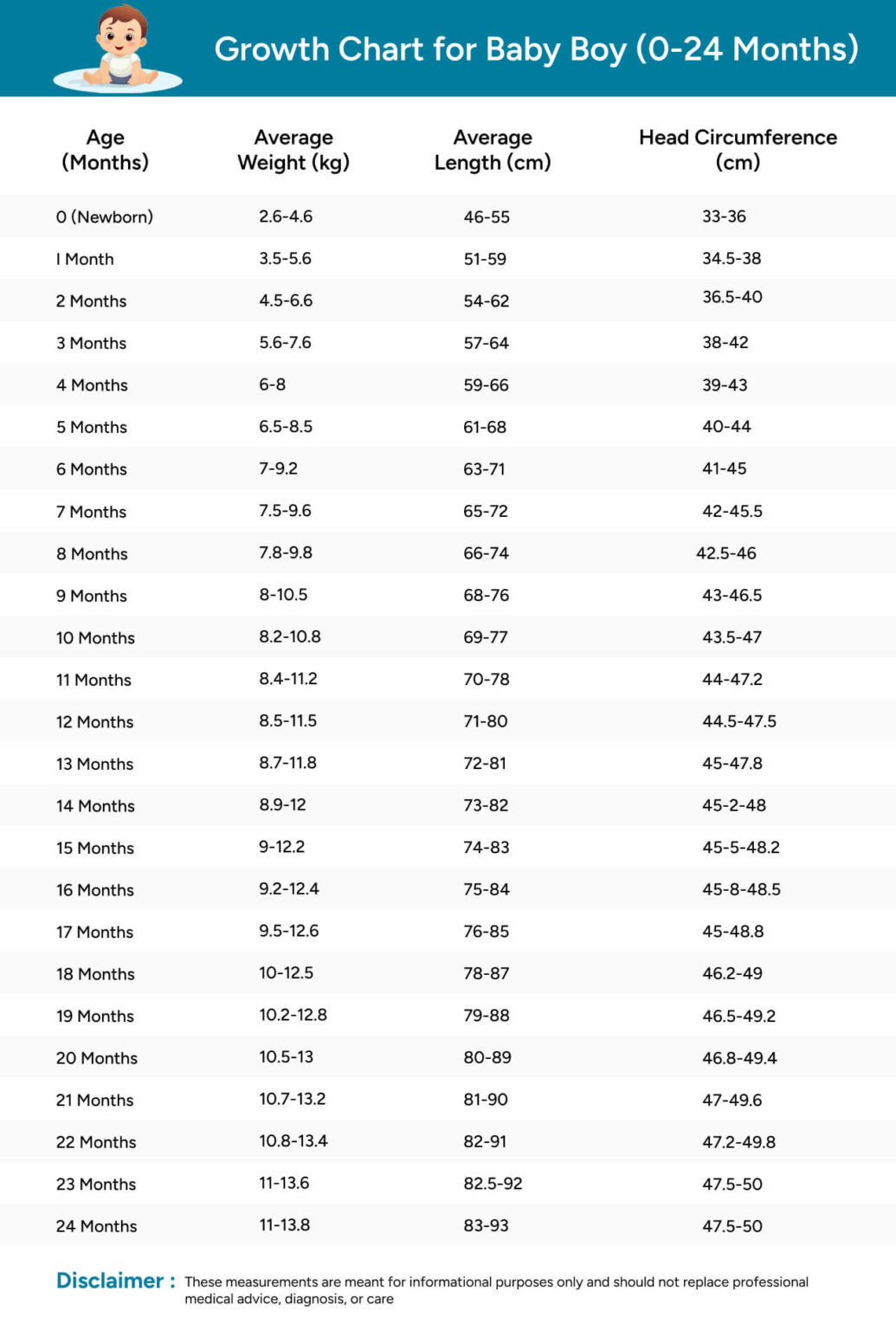
Adapting the Weight Chart for Your Needs
While the 1 Month Old Weight Chart is a helpful tool, feel free to adapt it to suit your family’s needs. Here are some ideas:
- Add Milestones: Include space for noting developmental milestones alongside weight. This can help you see how weight gain correlates with other growth areas, like crawling or smiling.
- Weekly Notes: Create a section for weekly notes about feeding, sleeping, and other habits. This can provide context for weight changes, helping you identify patterns.
- Visuals: Add stickers or markers to highlight key milestones or weight goals. This can make tracking more engaging for you as a parent.
Using the 1 Month Old Weight Chart effectively can empower you as a parent. By staying aware of your baby’s growth and development, you can make informed decisions that promote their health and well-being. Start tracking today, and remember that every baby grows at their own pace. Embrace the journey!
