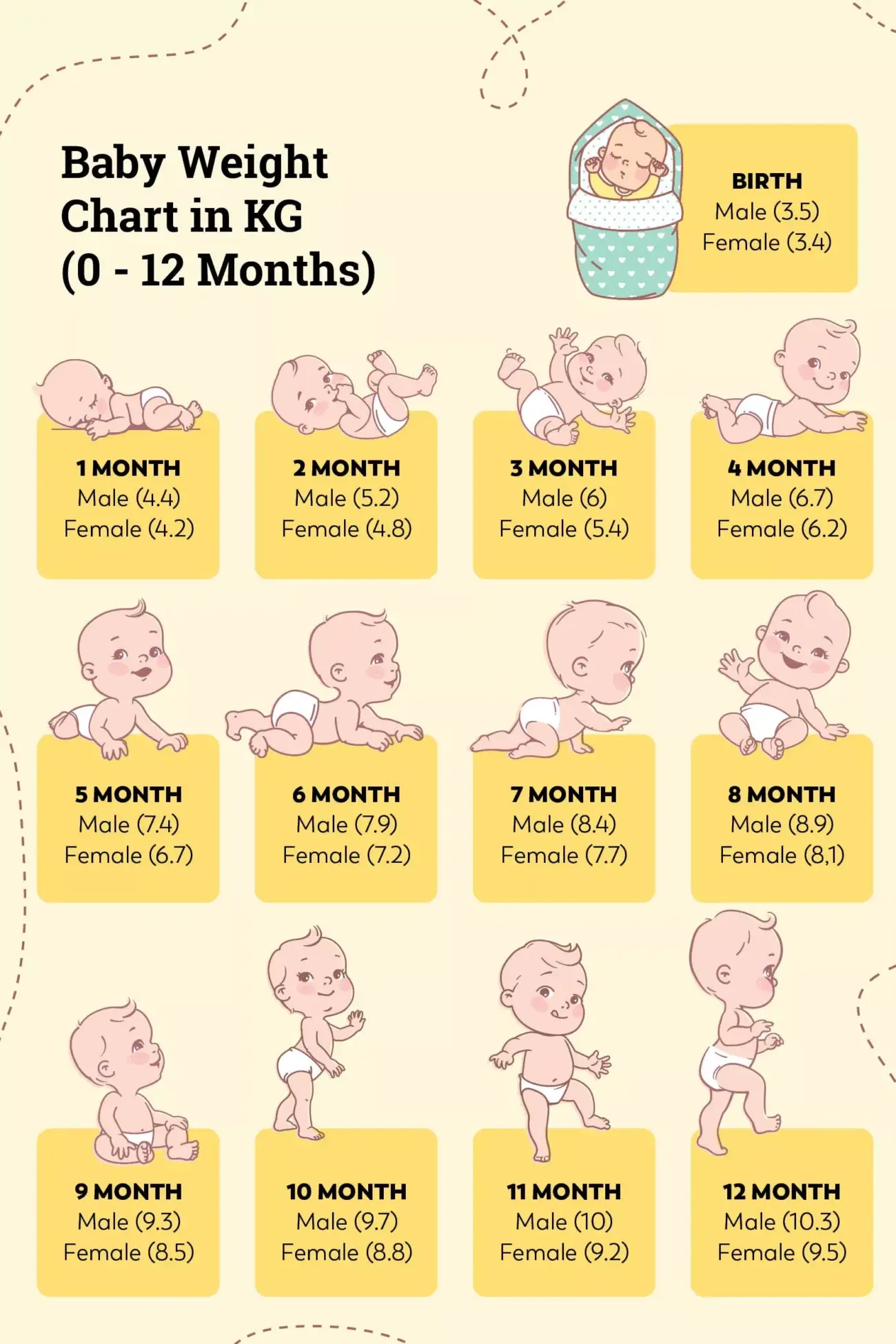
Keeping track of your baby’s weight is essential for monitoring their growth and development. The 0 To 12 Months Baby Weight Chart provides a clear visual representation of how your baby’s weight compares to standard growth percentiles. This chart is especially useful for parents who want to ensure their little one is thriving during those crucial early months.
Understanding the 0 To 12 Months Baby Weight Chart
The 0 To 12 Months Baby Weight Chart is designed to help parents and caregivers understand where their baby’s weight falls in relation to national averages. It typically includes a series of percentiles, which represent how your baby’s weight compares to a large population of other babies of the same age and sex. This way, you can see whether your baby is in the healthy range or if they may need additional support.
The chart usually includes measurements for boys and girls separately, as boys and girls grow at different rates during their first year. You’ll find weight listed in both pounds and kilograms, making it convenient for all users.
How to Use the Weight Chart Effectively
Filling in the Chart
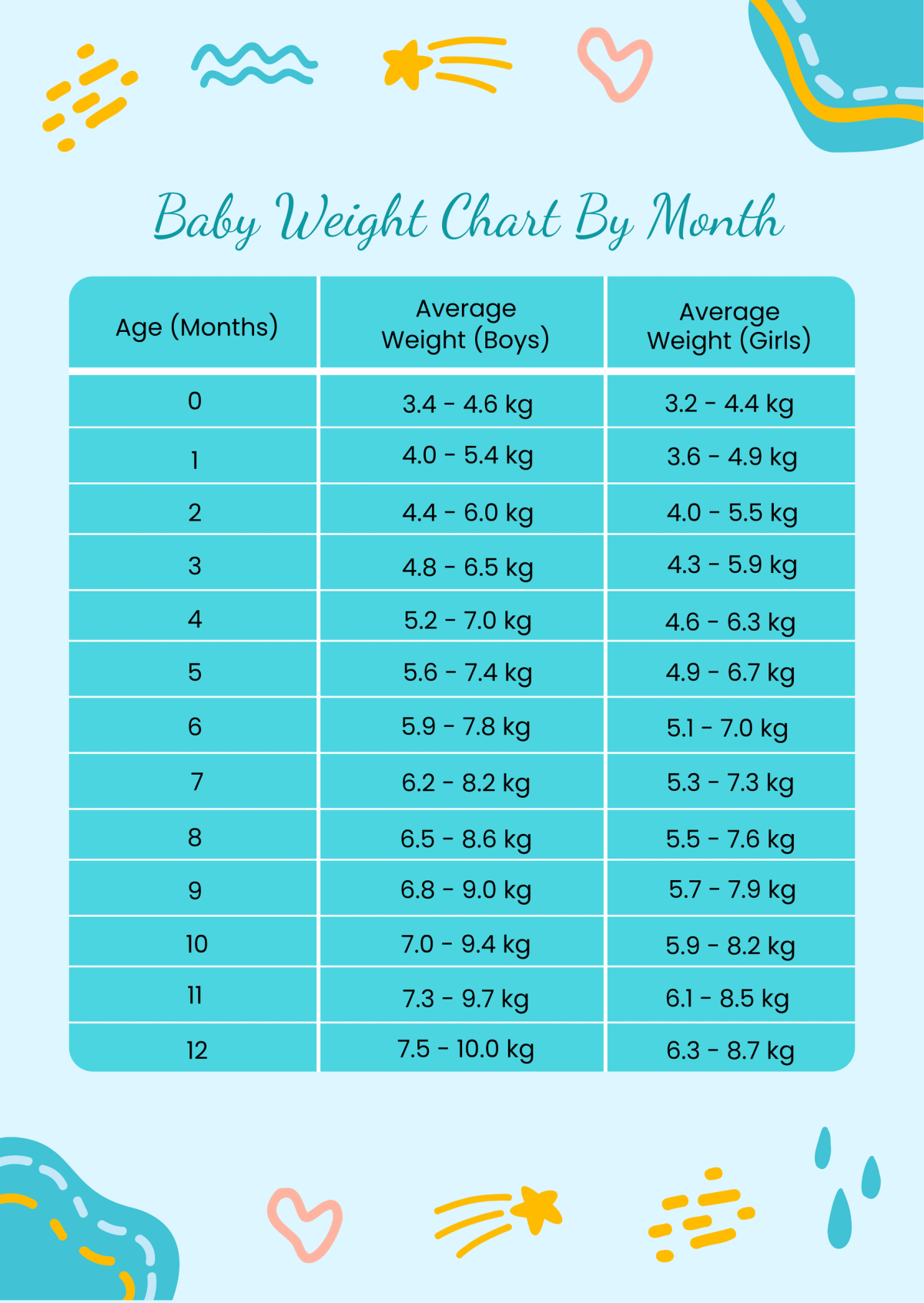
When using the 0 To 12 Months Baby Weight Chart, you’ll want to have your baby’s weight handy. Weigh your baby regularly and note their weight on the chart. It’s best to do this at the same time of day and under similar conditions, such as after a diaper change but before feeding.
- Locate your baby’s age: The chart is organized by age, typically in months from 0 to 12.
- Mark the weight: Find the weight on the vertical axis and draw a line horizontally to intersect with the appropriate age month.
- Assess the percentile: See where your mark falls within the percentiles. This will help you determine if your baby is within a healthy growth range.
Digital Vs. Printable Versions
You might be wondering whether to use a digital chart or a printable one. Both options have their benefits:
- Digital Charts: These often come in fillable PDF formats, allowing you to enter weights on your device. This can be convenient for quick updates.
- Printable Charts: A physical chart allows you to easily jot down notes and keep it on the fridge or in your baby’s health book. Plus, it can be laminated for durability.
If you opt for digital, ensure you have a reliable PDF reader that allows for saving changes. Printable charts are usually formatted for standard paper sizes (like A4 or Letter), which means they fit well in most home printers.
When to Consult Your Pediatrician
While the 0 To 12 Months Baby Weight Chart can be a useful tool, it’s important to remember that every baby is unique. If you notice your baby’s weight consistently falls below the 10th percentile or above the 90th percentile, it may be a good idea to consult your pediatrician. They can provide guidance tailored to your baby’s specific needs and growth patterns.
Additionally, if your baby is experiencing sudden weight loss or gain, or if you have any concerns about their feeding habits, don’t hesitate to reach out to your healthcare provider.
Tracking Growth Beyond the First Year
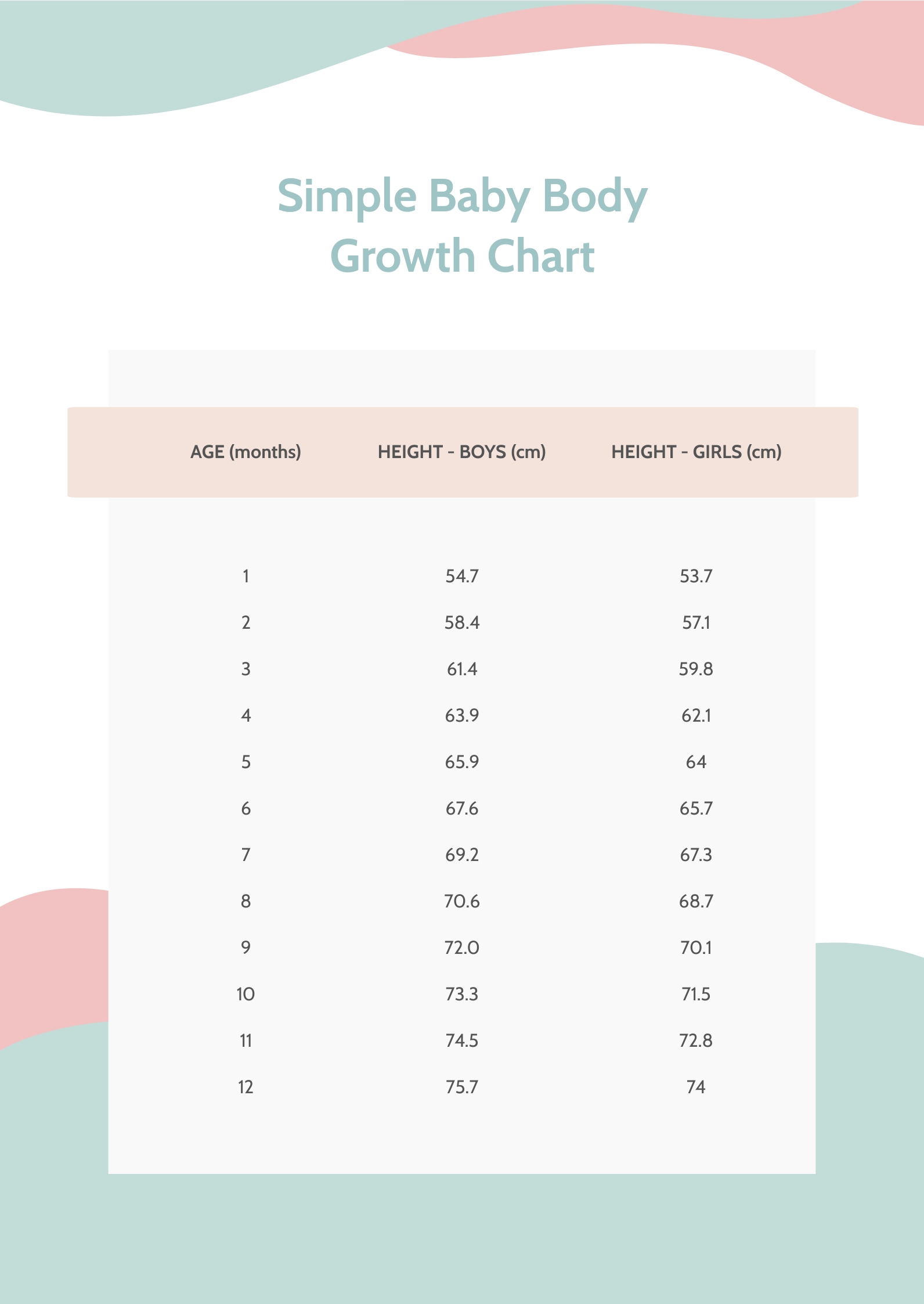
Once your baby turns one, you may want to transition to a growth chart that tracks weight, height, and head circumference over a longer period. Many pediatricians provide a growth chart for children up to 18 years. It’s beneficial to keep these records as they can help track your child’s overall health and development through childhood.
For now, the 0 To 12 Months Baby Weight Chart is a critical resource for establishing a solid foundation for your baby’s growth journey.
Using this chart effectively can help you stay organized and informed about your baby’s growth milestones. Whether you choose to fill it in digitally or print it out, make it a regular part of your baby’s health routine. This proactive approach will not only benefit your baby’s health but also give you peace of mind as a parent.
