The 0 To 1 Year Baby Weight Chart is an essential tool for parents looking to monitor their baby’s growth during those crucial first twelve months. Unlike generic weight charts, this printable version is specifically designed for babies from birth to one year, making it easy to track your little one’s progress in a clear and structured manner. If you’re managing your baby’s health and development, this chart will help you visualize their growth trajectory and ensure they’re meeting important milestones.
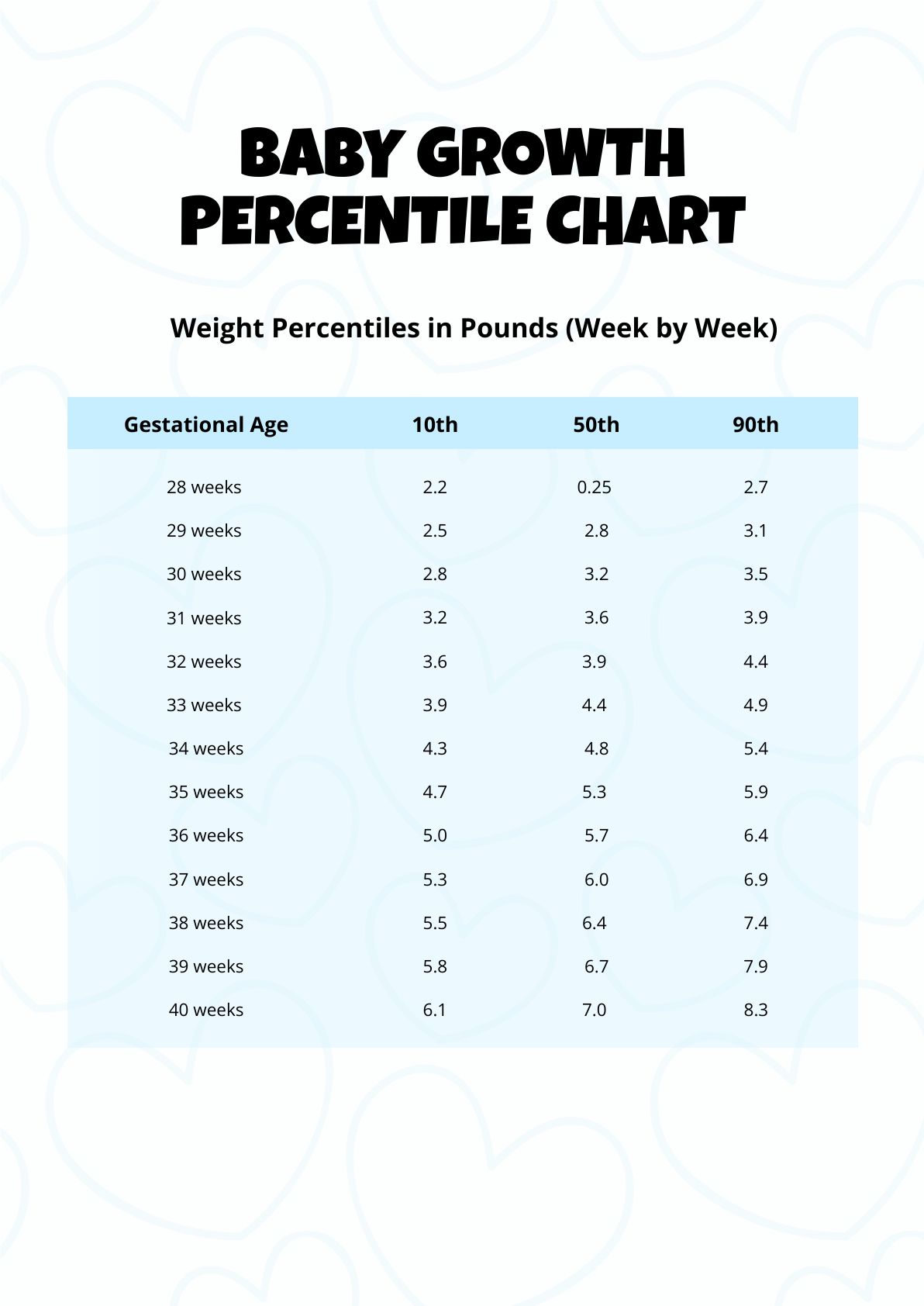
Understanding the Weight Chart Layout
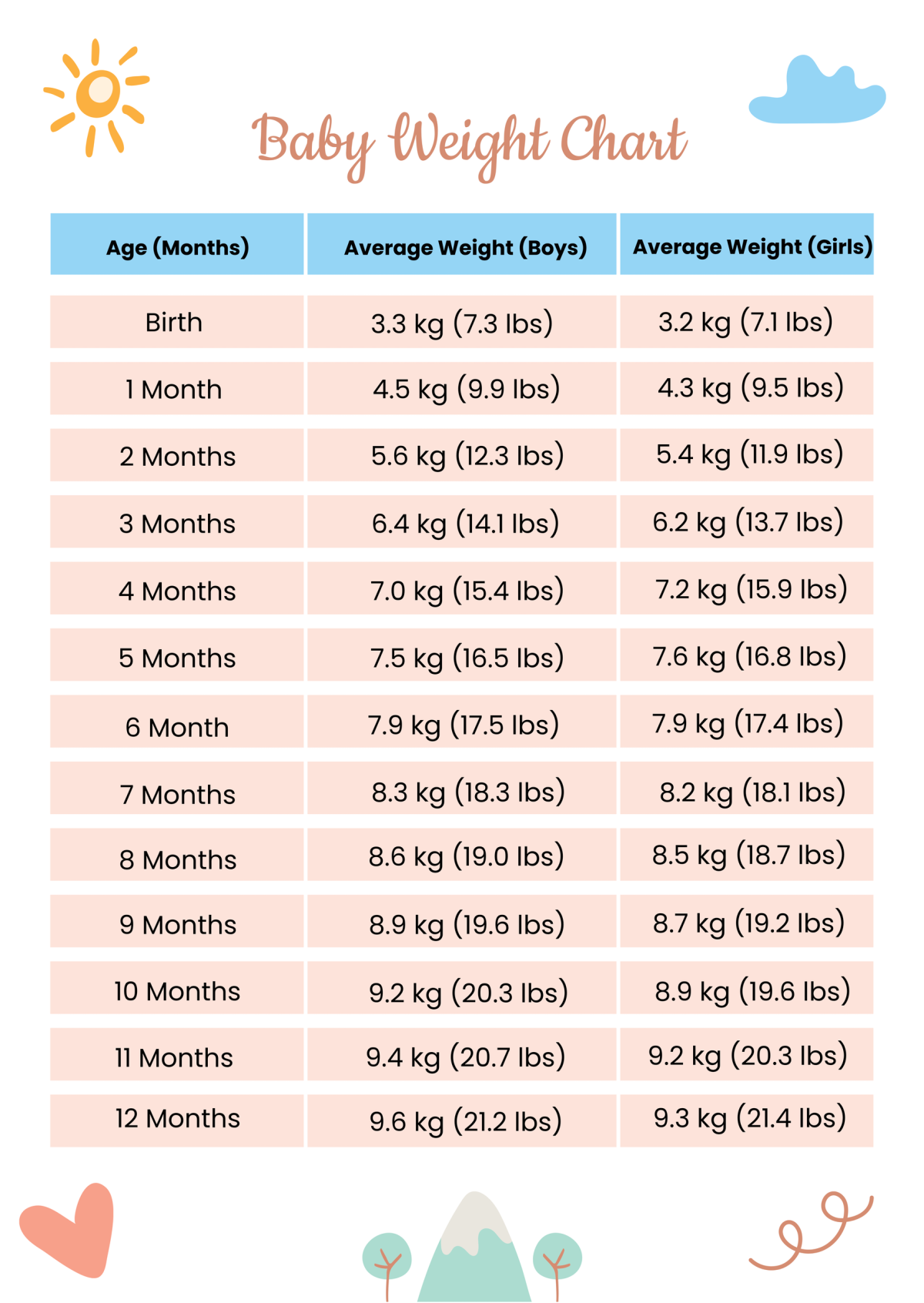
At first glance, the 0 To 1 Year Baby Weight Chart presents a straightforward layout that is both user-friendly and informative. Typically, the chart includes rows for each month, starting from birth up to 12 months. Each row details the expected weight range for boys and girls, reflecting the differences in growth patterns between genders.
While some charts might be cluttered with unnecessary details, this format emphasizes clarity. You’ll find designated columns for age, weight percentiles, and even notes for tracking additional milestones like height and head circumference. This organization streamlines the process of recording and interpreting your baby’s growth data.
When filling it out, consider whether you want to use a digital fillable PDF or print a physical copy. If you choose digital, you can easily input data during doctor visits or update the chart at home. However, printing it out can make it easier to share with pediatricians or have on hand during well-child visits.
How to Read and Use the Chart Effectively
Reading the 0 To 1 Year Baby Weight Chart is quite simple. Start by locating your child’s age in months along the left-hand side. Next, find the corresponding weight range for boys or girls, depending on your baby’s gender. This section provides a visual representation of where your baby stands in comparison to the general population.
The percentiles on the chart are particularly important. They show how your child’s weight compares to other children of the same age and sex. For instance, if your baby is in the 50th percentile, this means they weigh more than 50% of their peers. This information can help you understand if your child is growing at a healthy rate.
Make sure to regularly update the chart as you weigh your baby, ideally during monthly check-ups, to keep an accurate record. This not only aids in monitoring their growth but also allows you to discuss any concerns with your pediatrician proactively.
Benefits of Tracking Baby Weight
Using the 0 To 1 Year Baby Weight Chart has numerous benefits. First and foremost, it offers peace of mind. Regularly tracking your baby’s weight can help identify any potential growth issues early on. If you notice your baby consistently falls below the expected weight range, it might be time to consult with a healthcare professional.
Additionally, the chart can serve as a motivator for you as a parent. Watching your baby grow and thrive can be incredibly rewarding. It allows you to celebrate small milestones, such as consistent weight gain or surpassing a percentile mark.
Moreover, this chart can help guide feeding practices. If you notice your baby is not gaining weight as expected, you might consider adjusting their feeding routine or consulting with a nutritionist for expert advice.
Digital Vs. Print: Which is Better?
When deciding between using a digital or print version of the 0 To 1 Year Baby Weight Chart, consider your lifestyle and preferences. A digital version, especially if it’s a fillable PDF, allows for easy updates and can be stored on your device, making it accessible whenever you need it. You can even attach it to emails or messages when discussing your baby’s growth with family or healthcare providers.
On the other hand, a printed chart can be beneficial for those who prefer a tactile experience. You can easily write in notes, highlight specific milestones, and keep a physical copy in your baby’s health record file. Plus, having it printed means you can display it on your fridge or wall, serving as a constant reminder of your baby’s growth journey.
If you choose to print, consider using cardstock for durability, especially if you plan to take it to appointments. A heavier paper will withstand the wear and tear of being handled frequently.
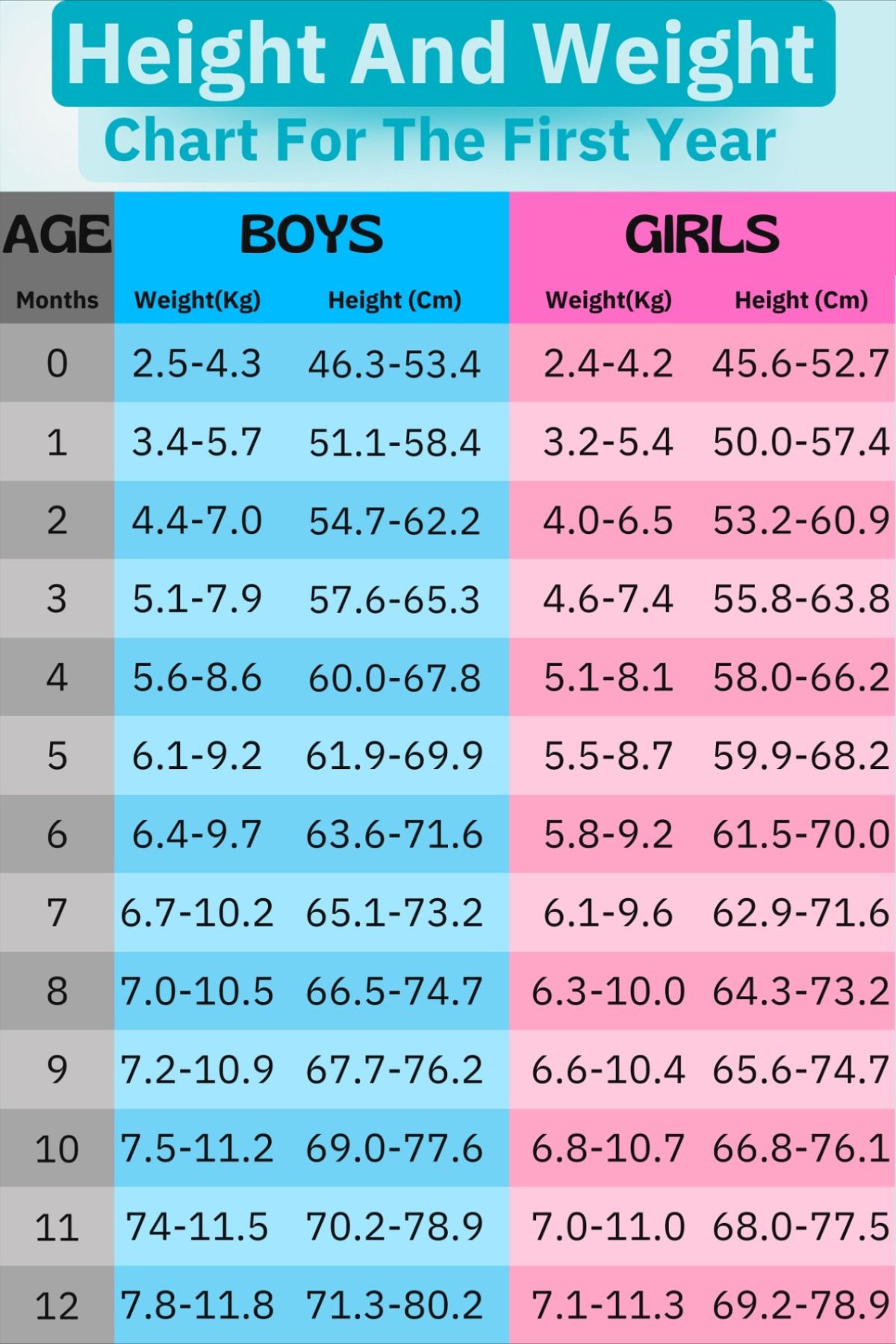
Making the Most of Your Baby Weight Chart
To maximize the utility of your 0 To 1 Year Baby Weight Chart, consider integrating it with other tracking methods. For example, keep a log of your baby’s feeding times, types of food introduced, and any reactions to new foods. This additional information can be invaluable when discussing your baby’s growth and health with your pediatrician.
Also, don’t forget about the importance of milestones beyond weight. You might want to note developmental milestones such as crawling, standing, or first words alongside your weight chart. This holistic approach helps provide a clearer picture of your child’s overall development.
Finally, remember that every baby is unique. Use the chart as a guideline rather than a strict rule. If your baby is happy and healthy, that’s what truly matters. The 0 To 1 Year Baby Weight Chart is a resource to help you along the way, but it’s not the only measure of your child’s well-being.
Having a dedicated space to track your baby’s growth can be incredibly rewarding. So, whether you opt for digital or print, make sure to fill it out regularly and keep it accessible. This effort can provide you with valuable insights into your baby’s health and development during those precious first twelve months.
