Tracking your child’s growth is essential for ensuring they are developing healthily. The 0 To 5 Year Baby Weight Chart is a practical tool that helps parents and caregivers monitor weight changes in their little ones. This chart provides a visual representation of weight ranges based on age and can help identify any potential health issues early on. In this article, we’ll explore how to use this chart effectively, what information it contains, and tips for keeping track of your child’s growth.
Understanding the 0 To 5 Year Baby Weight Chart
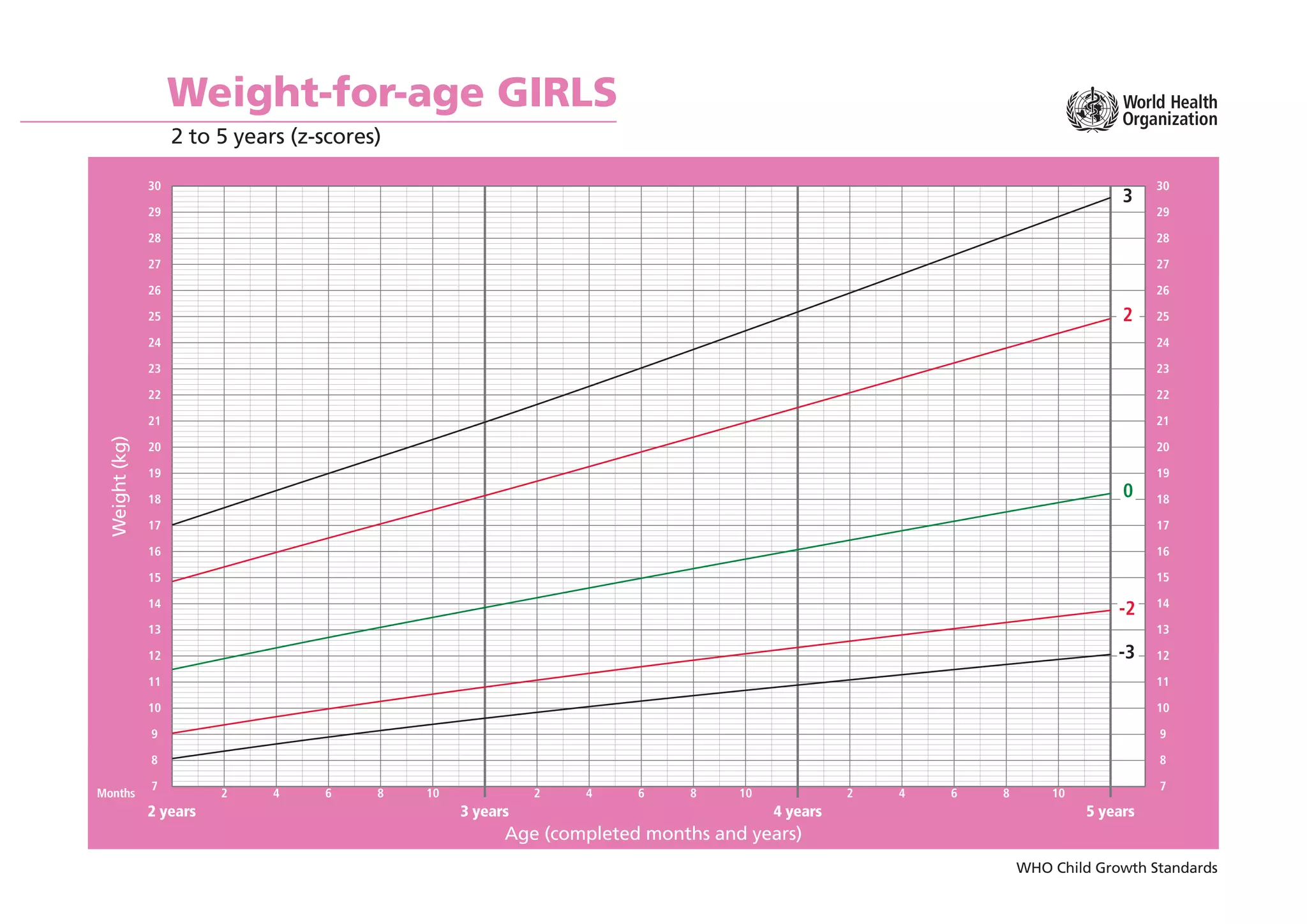
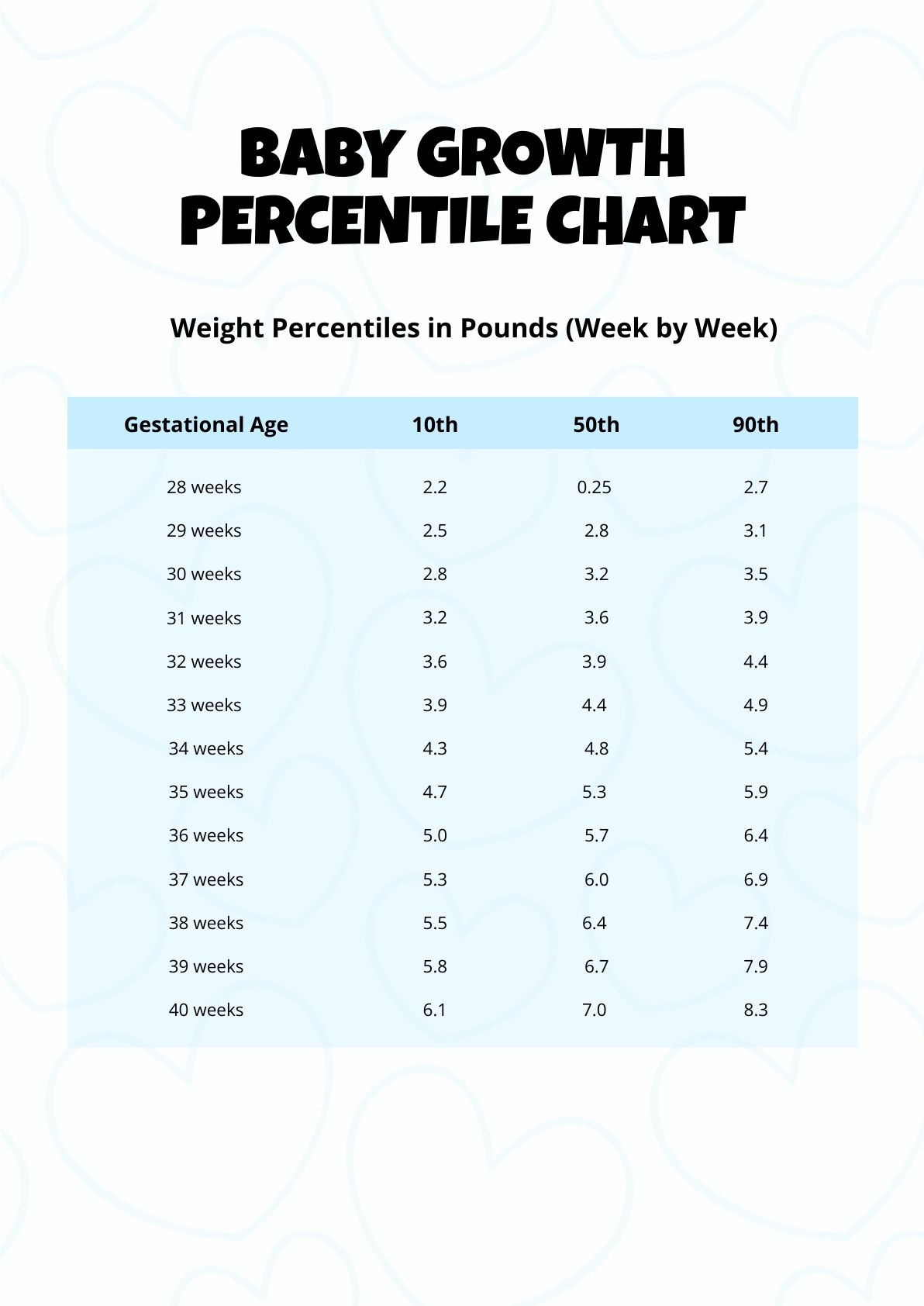
The 0 To 5 Year Baby Weight Chart is designed to show the typical weight range for children from birth to five years old. It uses percentile rankings to indicate where a child’s weight falls compared to other children of the same age and sex. For example, if your child is in the 50th percentile, it means they weigh more than 50% of children their age.
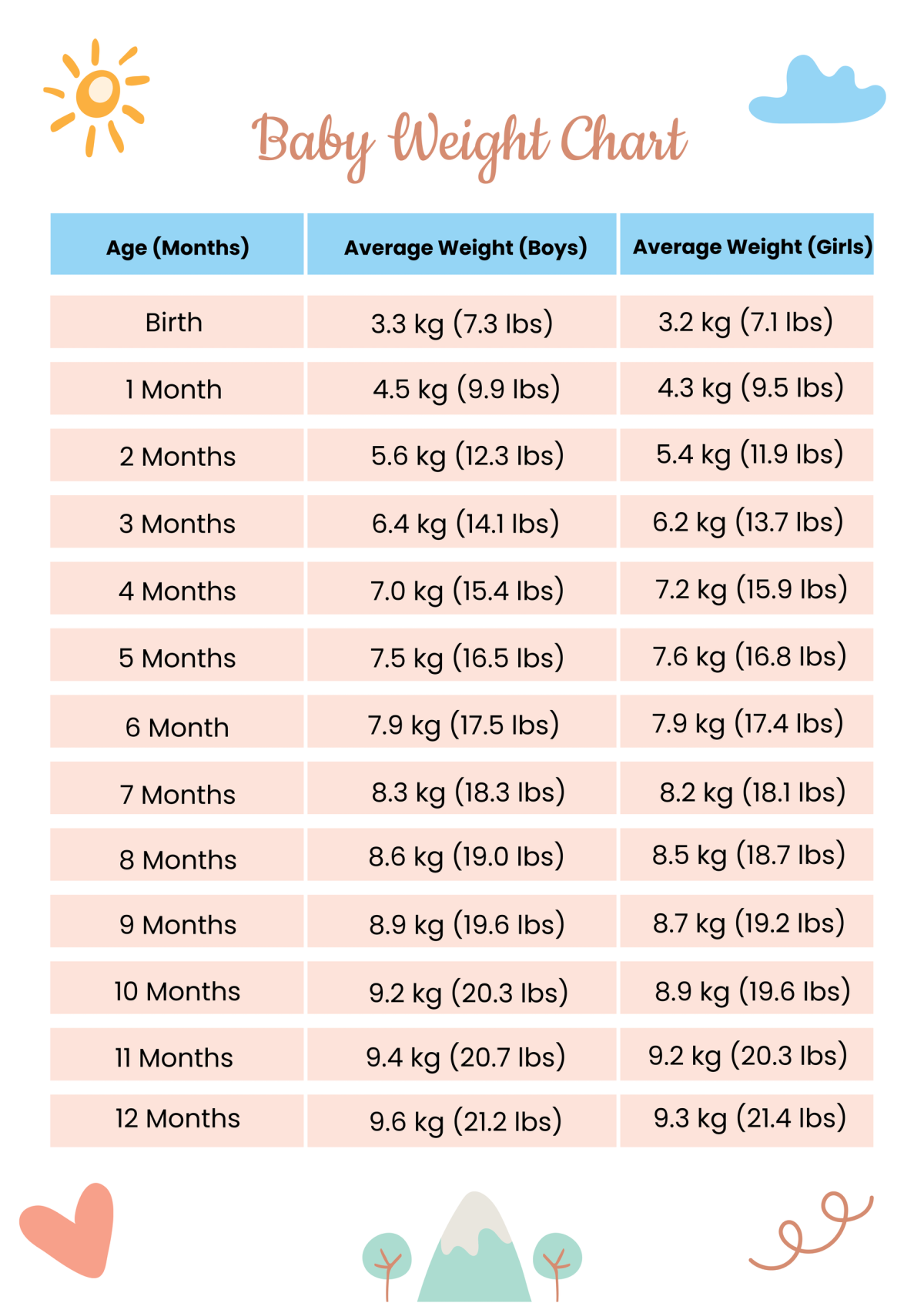
These charts are typically divided into age groups and can be found in both metric (kilograms) and imperial (pounds) measurements. It’s essential to choose the correct chart based on your location and the measurement system you prefer. Many healthcare providers use these charts during regular check-ups to assess a child’s growth trajectory.
How to Read and Fill in the Chart
Using the 0 To 5 Year Baby Weight Chart is straightforward. Here’s how you can make the most of it:
- Locate the Age: Find your child’s age on the horizontal axis of the chart.
- Identify Weight: Look for your child’s weight on the vertical axis.
- Plot the Point: Where the age and weight intersect is where you will plot a point. This visual representation makes it easier to see growth trends over time.
- Record Regularly: It’s a good practice to fill in the chart during regular pediatric visits or whenever you weigh your child at home.
Make sure to use a reliable scale for accurate readings. Consistency in how and when you weigh your child can also affect the results. For instance, weighing your child in the morning before breakfast is often recommended for the most consistent readings.
When to Use the 0 To 5 Year Baby Weight Chart
The 0 To 5 Year Baby Weight Chart is particularly useful during regular pediatric visits and at home. Here are some specific times you might want to reference it:
- Pediatric Appointments: Doctors often use this chart during routine check-ups to monitor growth and development.
- Milestone Monitoring: If you’re concerned about your child’s growth patterns, this chart can help you discuss these concerns with your pediatrician.
- Weight Management: If your child is underweight or overweight, the chart can provide benchmarks to work towards.
By tracking your child’s weight regularly, you can identify patterns and discuss them with your healthcare provider if needed.
Tips for Effective Usage
To get the most out of the 0 To 5 Year Baby Weight Chart, consider the following tips:
- Use Correct Measurements: Ensure your scale is calibrated and accurate. If your pediatrician’s office has a scale, you might want to weigh your child there as a benchmark.
- Consistent Timing: Weigh your child at the same time of day, ideally in the morning, to ensure consistency.
- Record Additional Data: Alongside weight, you may want to track height and head circumference, as these metrics provide a fuller picture of growth.
- Consult Your Pediatrician: If you notice any significant deviations from the growth pattern, don’t hesitate to reach out to your healthcare provider.
Quality and Presentation of the Chart
When printing the 0 To 5 Year Baby Weight Chart, quality matters. Here are some practical tips:
- Paper Quality: Use a heavier paper, like cardstock, if you plan to display the chart. It holds up better to wear and tear.
- Size: Standard letter size (8.5” x 11”) is convenient for printing and fits easily into a binder or folder.
- Color Printing: If possible, print in color. A colorful chart can help engage older children and make the tracking process more fun.
If you plan to use the chart frequently, consider laminating it. This allows for easy writing and erasing if you want to update it regularly without having to print a new copy each time.
