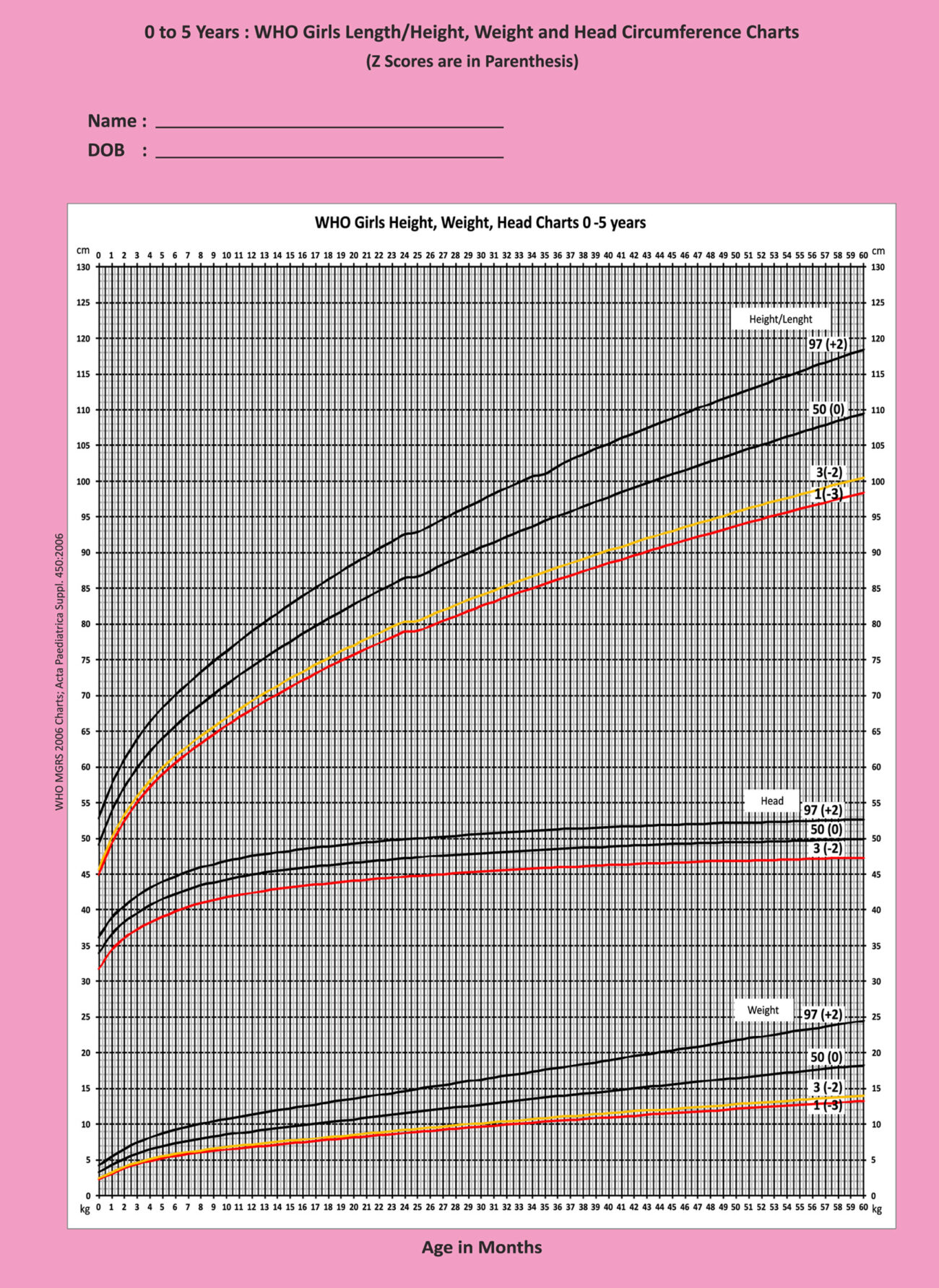
Tracking your child’s growth can be both exciting and a little daunting. As a parent, you want to ensure your little one is developing healthily, and understanding their weight can be a key part of that. A 0 5 Years Weight Chart is an invaluable tool in this journey. It provides a clear visual representation of your child’s weight in relation to their age, helping you keep track of their growth patterns.
What is a 0 5 Years Weight Chart?
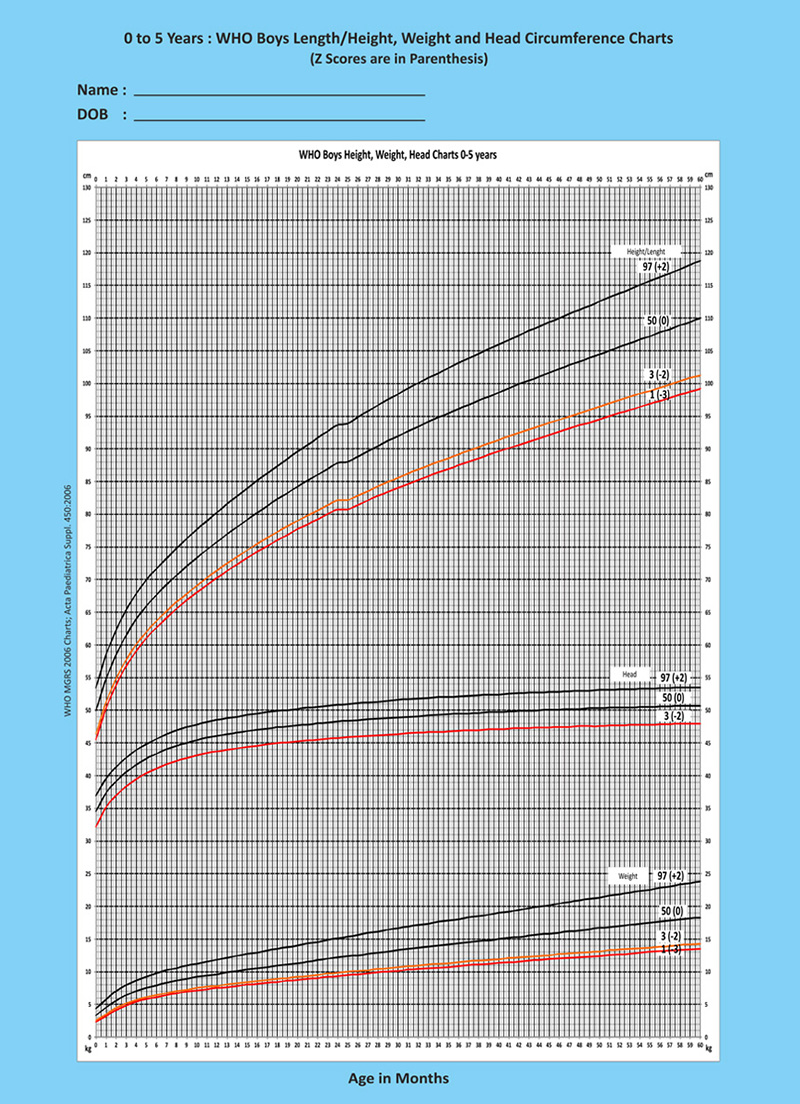
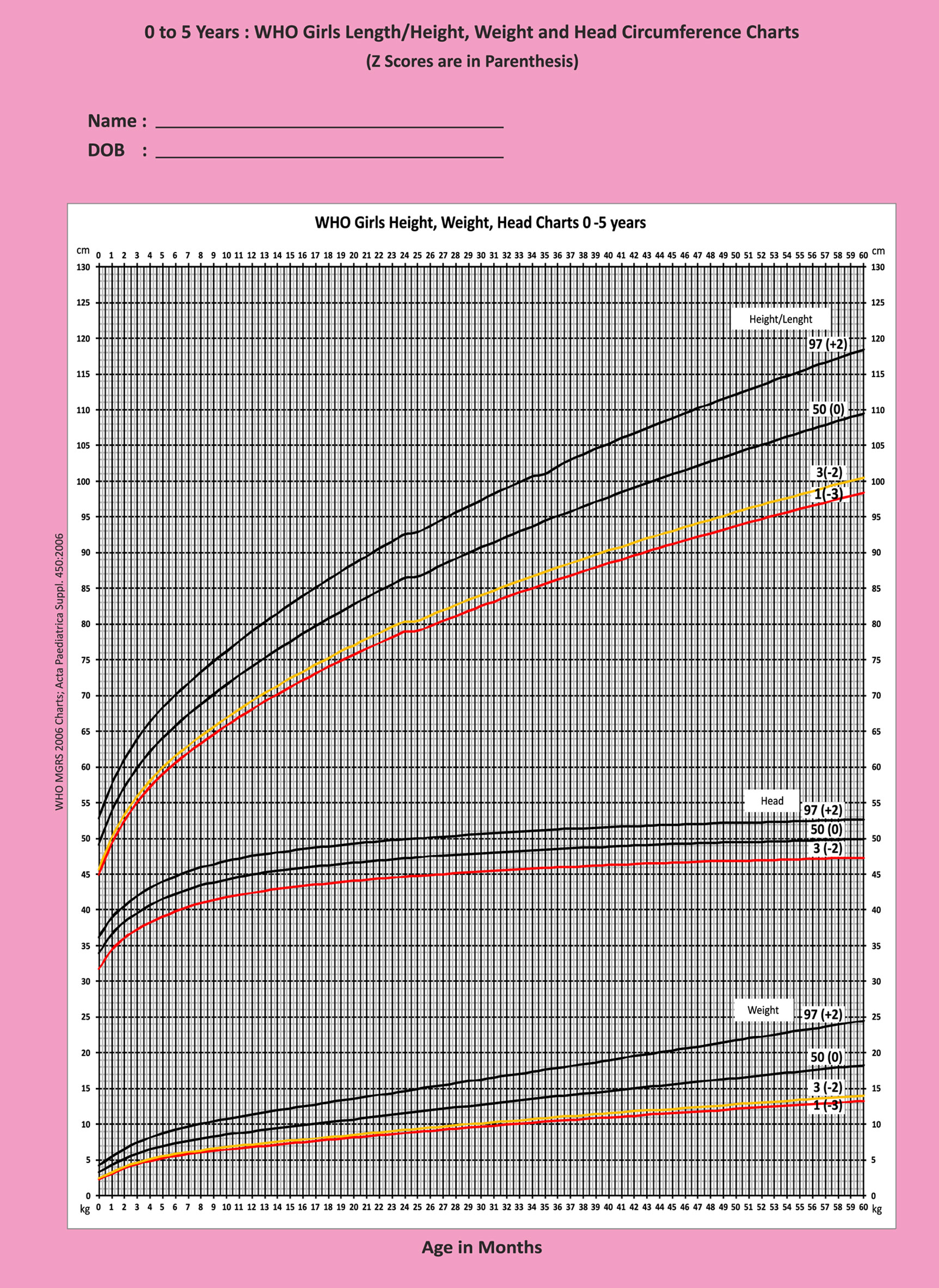
A 0 5 Years Weight Chart is a graphical representation that displays the weight of children from birth to five years old. It typically includes percentile lines, which indicate how your child’s weight compares to others of the same age and sex. For example, if your child is in the 50th percentile, that means they weigh more than 50% of children their age. This chart helps you identify if your child is growing at a healthy rate.
Why Use a Weight Chart?
Using a weight chart can help you:
- Monitor Growth: Regularly tracking your child’s weight allows you to spot any unusual changes.
- Identify Trends: Over time, you can see patterns in your child’s growth, which can inform discussions with your pediatrician.
- Set Goals: If your child is underweight or overweight, a weight chart can help you set realistic goals for healthy growth.
How to Read and Use the Weight Chart
Reading the weight chart might seem intimidating at first, but it’s straightforward once you get the hang of it. Here’s how to do it step by step:
- Download the Chart: Start by downloading a printable version of the 0 5 Years Weight Chart. Make sure it’s in a format that works best for you, typically PDF, to avoid formatting issues when printing.
- Fill in Your Child’s Information: Record your child’s weight and age on the chart. This could be done during regular pediatrician visits, or you can weigh your child at home if you have a reliable scale.
- Locate the Age on the Chart: Find your child’s age on the horizontal axis of the chart.
- Mark the Weight: Move vertically from your child’s age to find their weight on the vertical axis. Place a mark where these two points intersect.
- Draw a Line: Connect this mark to the corresponding percentile line. This visual representation helps you see where your child stands compared to peers.
- Regular Updates: Make it a routine to update the chart regularly—monthly or quarterly is often recommended. This helps you keep a pulse on your child’s growth.
Common Mistakes to Avoid
When using a 0 5 Years Weight Chart, it’s easy to make a few common mistakes. Here are some to watch out for:
- Inconsistent Weighing: Weigh your child at the same time of day and under similar conditions (e.g., clothing) for accurate tracking.
- Ignoring Percentiles: Don’t stress too much if your child falls outside the “average” percentiles. Each child grows at their own pace, and what’s most important is the trend over time.
- Not Consulting a Pediatrician: If you notice significant fluctuations in your child’s growth, it’s essential to discuss it with a healthcare provider. They can provide professional guidance tailored to your child’s health needs.
Practical Tips for Using Your Chart
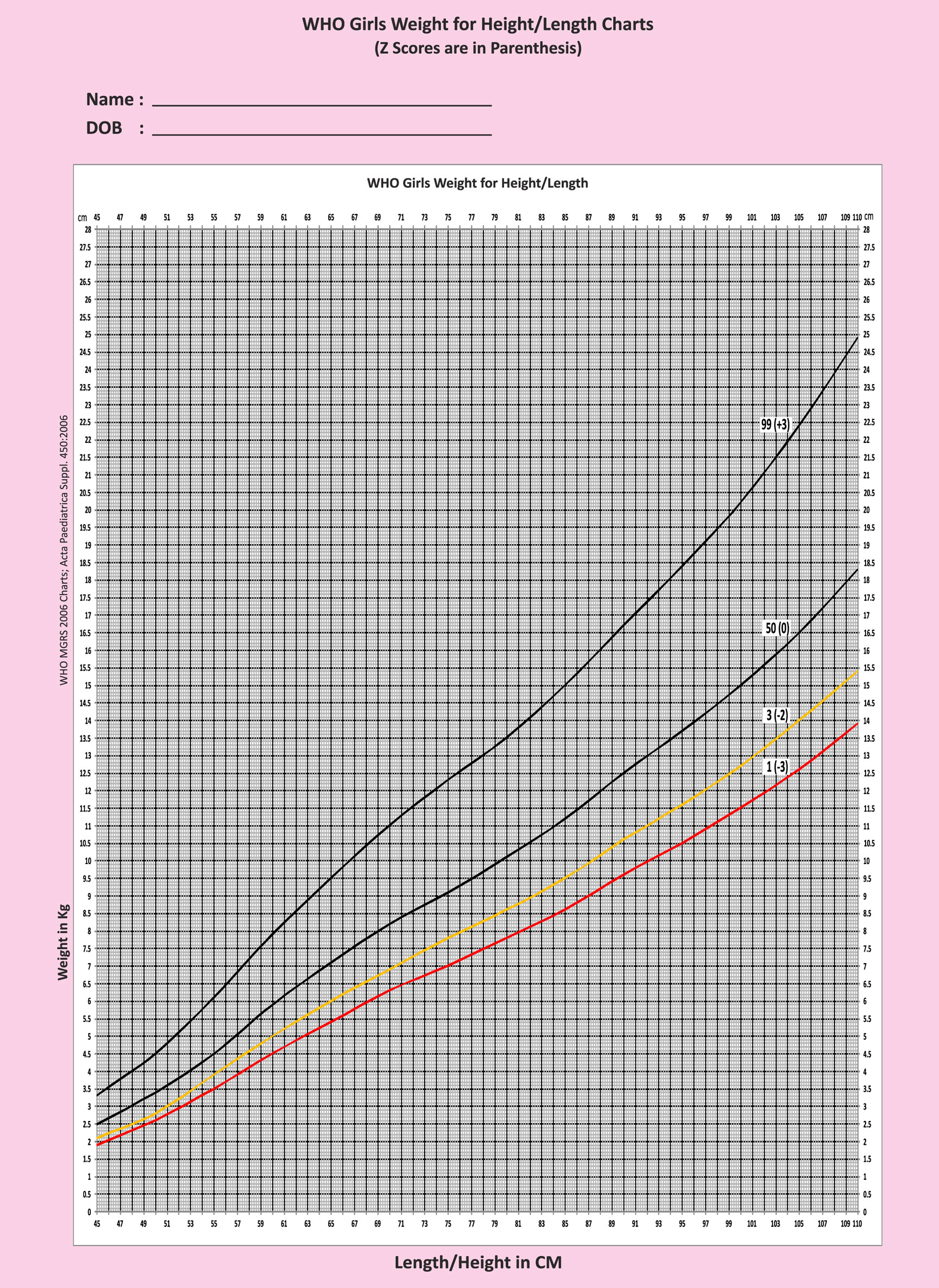
- Keep it Accessible: Print the chart and hang it somewhere visible, like on the fridge, to remind you to track regularly.
- Use Color Coding: Consider using different colors for each child if you have more than one. This can help you quickly compare growth patterns.
- Incorporate It into Routine: Make weighing your child part of your regular health check-ups. It can be fun to see how much they’ve grown over time.
By utilizing a 0 5 Years Weight Chart, you’re taking an active role in your child’s health. It can be a comforting and informative way to ensure that they are growing as expected. Remember, every child is unique, and a steady growth pattern is often more important than hitting specific numbers.
So, grab that chart and start tracking! It’s a simple yet effective way to engage in your child’s health journey. You’ll not only have a visual representation of their growth but also a sense of accomplishment as you witness their development.
