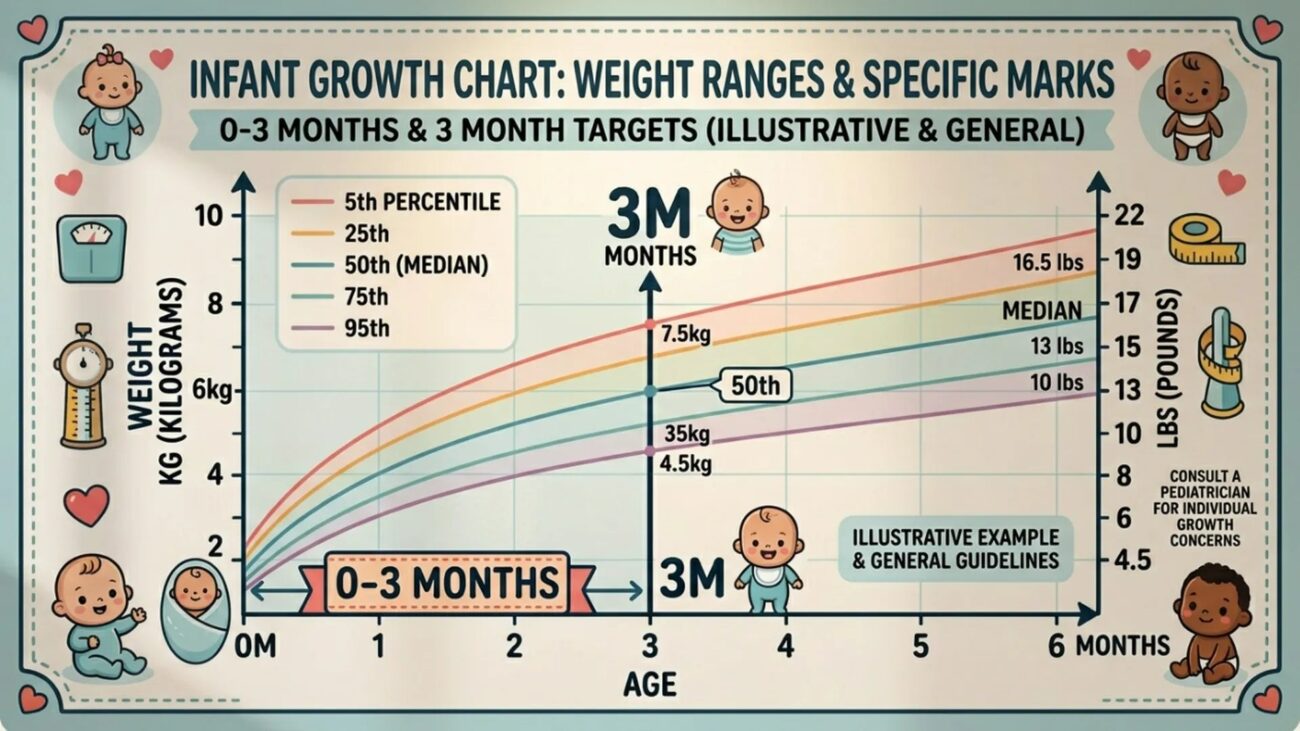
When you’re welcoming a new baby, every little milestone feels monumental, especially in those first few months. A 0 3 Months Weight Chart is an essential tool for parents looking to track their baby’s growth during this critical time. This printable resource helps you visually monitor your infant’s weight gain, ensuring they are developing healthily and giving you peace of mind.
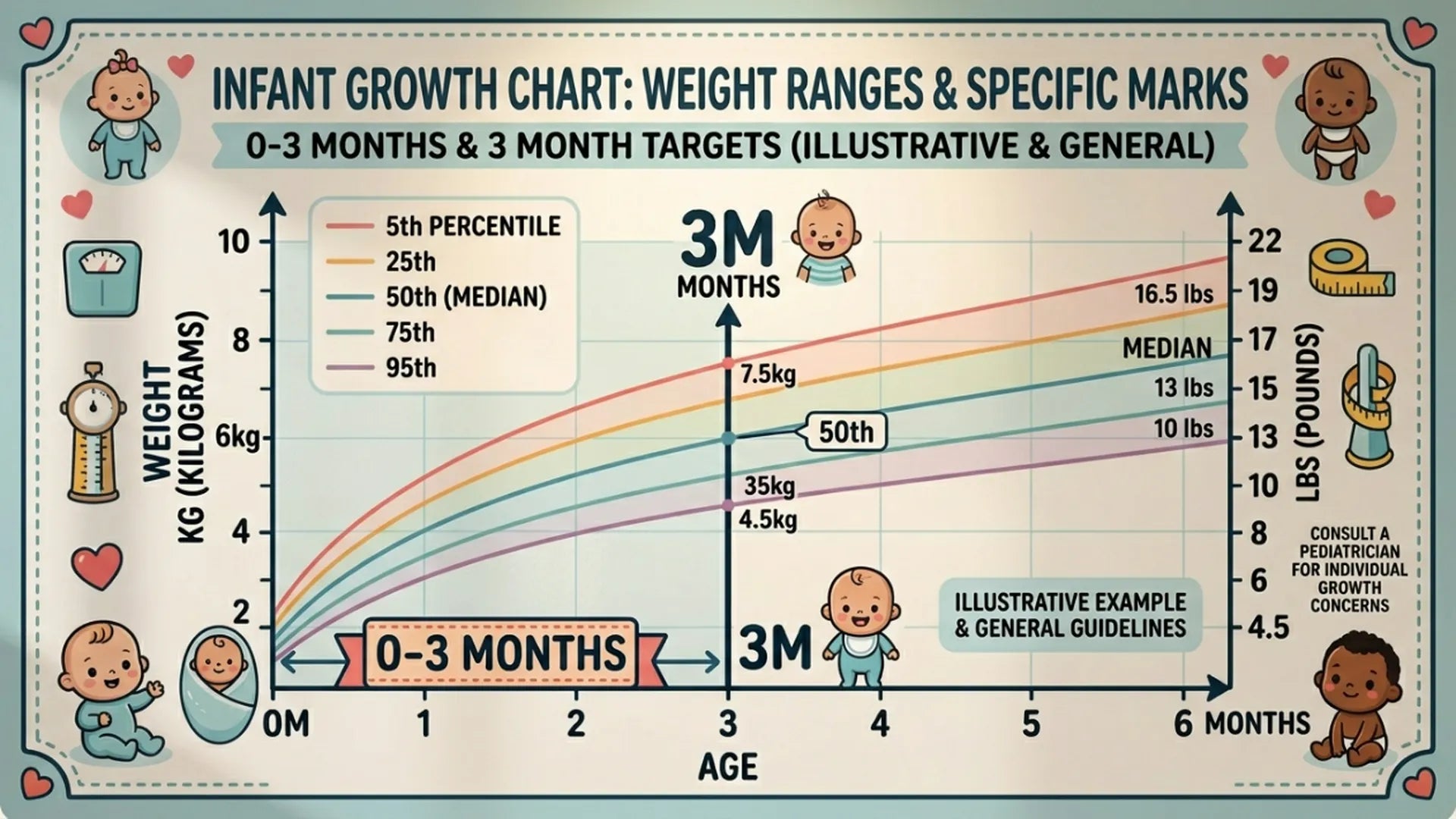
Understanding the Layout of the Weight Chart
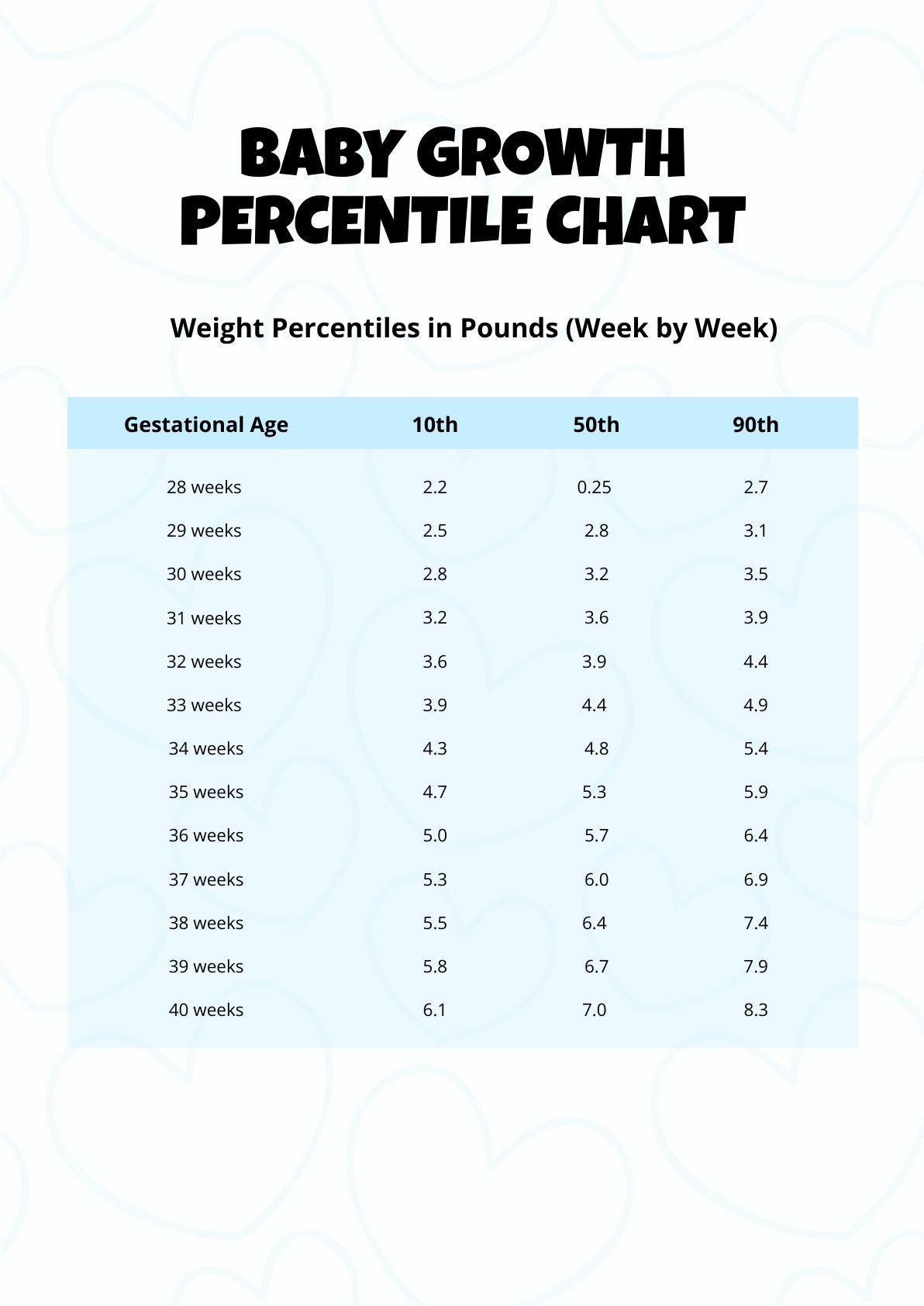
The 0 3 Months Weight Chart typically includes several sections designed to make recording and analyzing your baby’s weight straightforward. At the top, you’ll find a header where you can write your baby’s name and the date of birth. This personalization makes it easy to keep track of multiple charts if you have more than one child or wish to compare growth over time.
The chart itself is laid out in a grid format. Each row represents a specific date, while the columns are designated for the baby’s weight and any notes you might want to include. This design is beneficial because it allows you to see trends over time at a glance. You can easily identify whether your baby is gaining weight consistently, which is vital for their health.
How to Fill Out the Weight Chart
Filling out the 0 3 Months Weight Chart is simple and can become part of your routine. You’ll want to weigh your baby regularly—typically weekly or bi-weekly—to get an accurate picture of their growth. When you weigh your baby, ensure that the scale is calibrated correctly and that your baby is weighed at the same time of day for consistency.
Record the weight in the corresponding column next to the date. It’s also helpful to jot down any notes about feeding patterns, growth spurts, or health concerns. For example, if your baby had a particularly fussy day or a cold, noting that can provide context for any fluctuations in weight.
Where to Use the Weight Chart
This chart isn’t just a piece of paper; it’s a valuable tool that can be used in various settings. You can keep it in your baby’s health record book, use it during pediatric visits to share growth data with your doctor, or simply hang it on your fridge as a constant reminder of your little one’s progress.
When visiting a healthcare provider, having a detailed weight chart can facilitate discussions about your baby’s health. Pediatricians often look for consistent growth patterns, and having this information readily available can help them make informed recommendations regarding feeding and nutrition.
Common Mistakes to Avoid
While using the 0 3 Months Weight Chart, there are a few common pitfalls parents often encounter. One mistake is forgetting to update the chart regularly. Consistent tracking is vital for spotting trends, so try to establish a routine that works for you.
Another issue is the accuracy of the weight measurements. Make sure that your baby is weighed on a reliable scale and that they are undressed, or at least not wearing heavy clothing, for the most accurate reading. If you’re unsure of your scale’s accuracy, check it against a known weight for verification.
Making the Most of Your Weight Chart
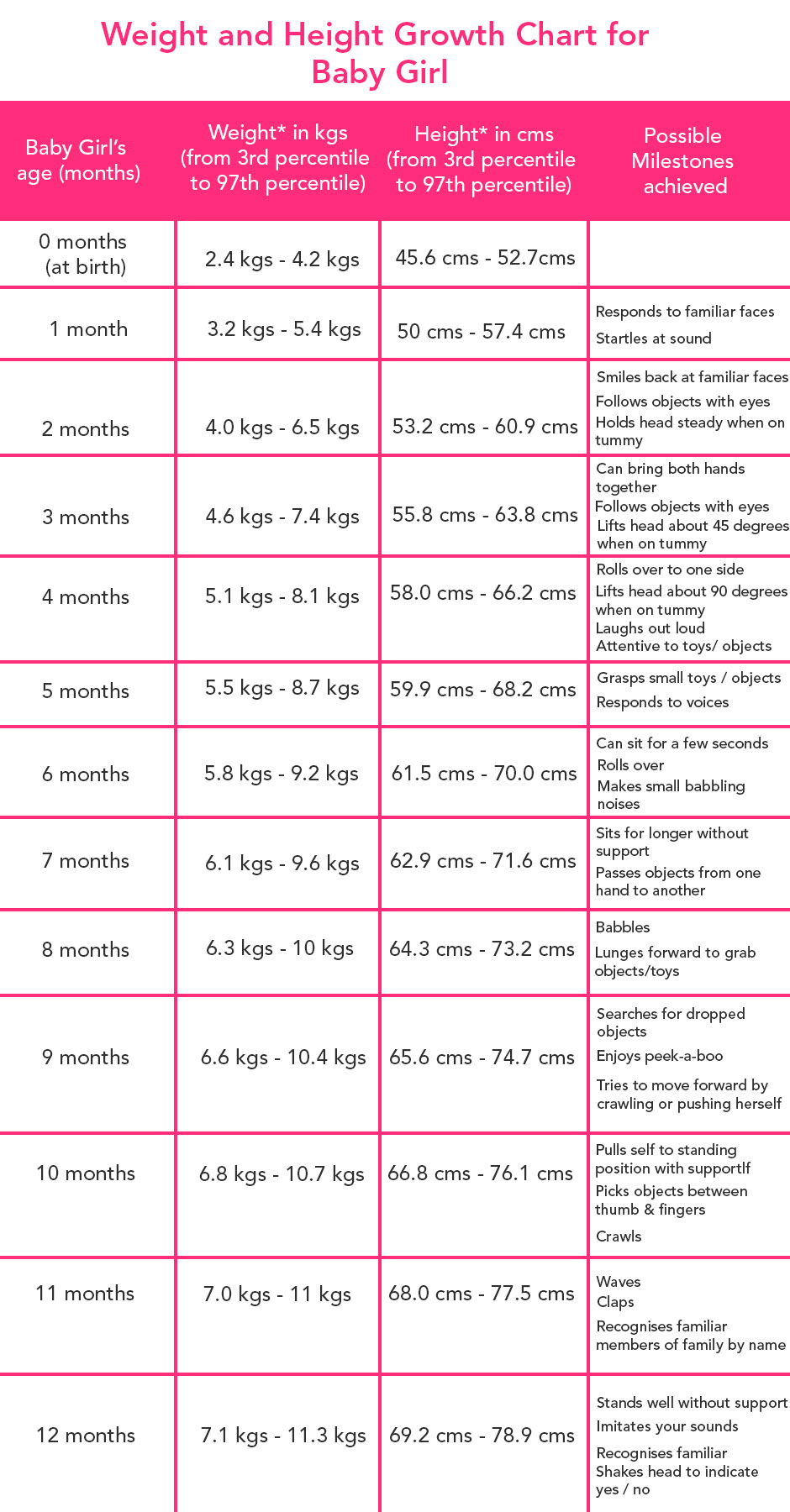
To truly benefit from the 0 3 Months Weight Chart, consider integrating it into a broader tracking system. Along with weight, you might also want to keep track of feeding times, diaper changes, and sleep patterns. This holistic approach can help you understand your baby’s needs better and can be particularly useful if you ever need to discuss their health with a professional.
You might also find it helpful to take note of milestones reached during this period, like rolling over or smiling. These achievements can be just as crucial as weight gain in assessing your baby’s overall development.
With your 0 3 Months Weight Chart, you have a powerful tool at your fingertips. Whether you’re a first-time parent or adding another little one to the family, keeping track of your baby’s growth is not just a task—it’s a way to celebrate their journey. Choose a format that suits your style, whether it’s a printable PDF or a hand-drawn chart, and watch your baby grow!
