Tracking your baby’s growth during the first six months is crucial for ensuring they are developing healthily. The 0 6 months baby weight chart serves as an essential tool for parents to monitor their little one’s weight against standard growth percentiles. Having this chart on hand can help you recognize any potential concerns early on and maintain a record of your baby’s development.
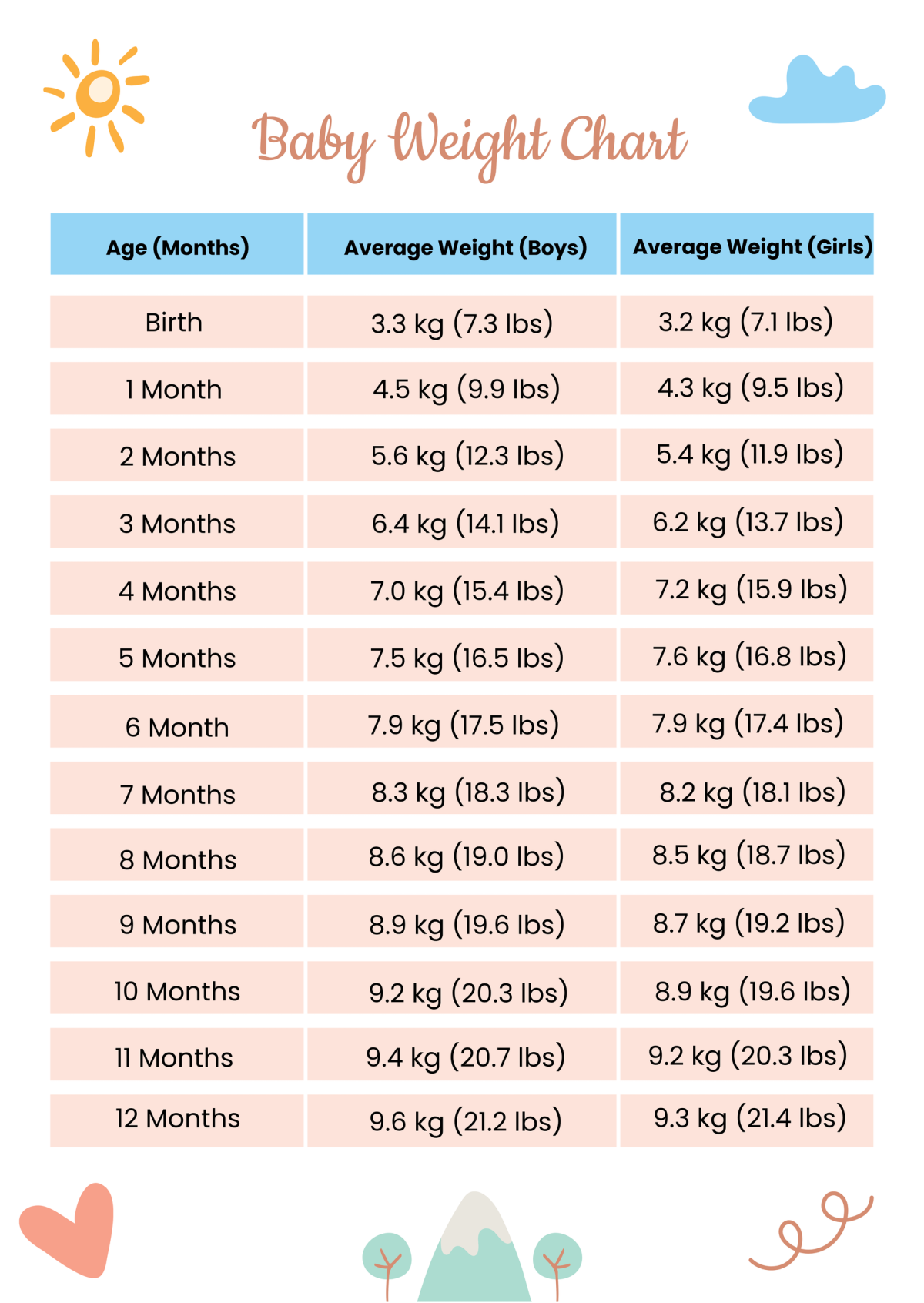
Understanding the 0 6 Months Baby Weight Chart
The 0 6 months baby weight chart is created based on data from pediatric health organizations. It typically displays weight percentiles for infants, which help you understand how your baby’s weight compares to other babies of the same age and sex.
Key Features of the Chart
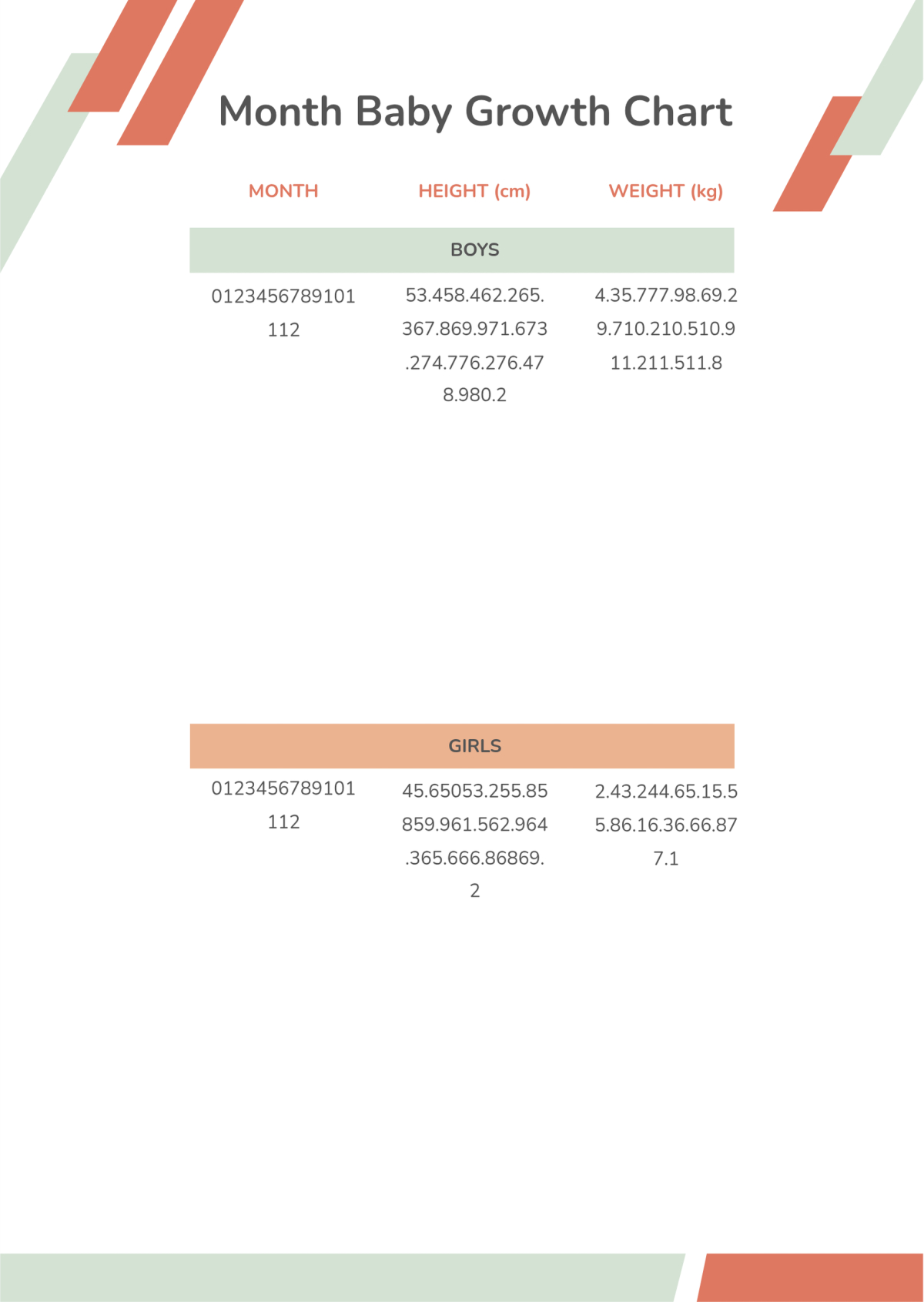
- Age Range: The chart covers infants from birth to 6 months.
- Weight Percentiles: It includes various percentiles (e.g., 5th, 50th, 95th) that indicate the range of weights for babies at different ages.
- Sex-Specific Data: Charts are generally separated by sex, as boys and girls have different growth patterns.
You can find this chart in printable formats, making it easy to hang on the fridge or keep in your baby’s health records.
How to Use the 0 6 Months Baby Weight Chart
Filling out the chart is straightforward, but being prepared will make the process smoother. Here’s how to effectively use the 0 6 months baby weight chart:
Gather Necessary Information
Before you begin, gather the following:
- Your Baby’s Current Weight: Use a reliable scale to determine your baby’s weight accurately. It’s best to weigh them at the same time each week for consistency.
- Date of Weighing: Note the date you recorded the weight. This helps in tracking growth over time.
- Age of Your Baby: Knowing your baby’s exact age in weeks or months is crucial for accurate percentile placement.
Filling in the Chart
- Locate the Correct Age: Find the row that corresponds to your baby’s age.
- Mark the Weight: Use your baby’s weight to find the appropriate column and mark where it falls on the percentile lines.
- Monitor Trends: Regularly update the chart as your baby grows. Look for trends in growth, which can indicate whether they are on track.
Why Tracking Weight is Important
Monitoring your baby’s weight during the first six months can help you spot potential issues early. Here are a few reasons why it’s essential:
- Nutritional Needs: Weight gain indicates that your baby is getting adequate nutrition, whether breastfed or formula-fed.
- Health Indicators: Sudden weight loss or failure to gain weight can be signs of underlying health issues that may require medical attention.
- Growth Patterns: Understanding your baby’s growth patterns can help you address any concerns with your pediatrician.
Where to Download the 0 6 Months Baby Weight Chart
You can find printable versions of the 0 6 months baby weight chart on various parenting and health resource websites. Here’s how to ensure you get a reliable version:
- Reputable Sources: Look for charts from trusted health organizations, such as the World Health Organization (WHO) or the Centers for Disease Control and Prevention (CDC).
- File Format: Ensure the chart is available in a PDF format for easy printing without quality loss. This format will help avoid any reformatting issues that can occur with image files.
- Accessibility: Check if the chart is easily downloadable and user-friendly to print.
Tips for Using the Chart Effectively
Incorporating the 0 6 months baby weight chart into your routine can be a simple yet effective way to keep track of your baby’s growth. Here are some practical tips:
- Regular Weigh-Ins: Weigh your baby weekly at the same time for consistency. This can help you notice any trends in weight changes.
- Consult Your Pediatrician: Share the chart with your pediatrician during check-ups to discuss your baby’s growth and any concerns.
- Use a Growth Tracker: You might also consider using a digital growth tracker app that allows you to log weight and automatically generate growth curves based on the percentiles.
By keeping the 0 6 months baby weight chart easily accessible and regularly updated, you’ll be taking an active role in your baby’s health and development. This proactive approach can provide peace of mind as you navigate the early months of parenthood.
To get started, download a printable version of the chart today and prepare to monitor your baby’s growth effectively!
