Using a weight chart can be an incredibly effective way to monitor and manage your weight as you age, especially for women over 60. The Women’s Weight Chart Over 60 is designed to help you visualize your weight in relation to recommended ranges based on height. This resource allows you to track your progress and set realistic goals for maintaining a healthy weight. Let’s explore how to make the most of this printable chart to support your health journey.
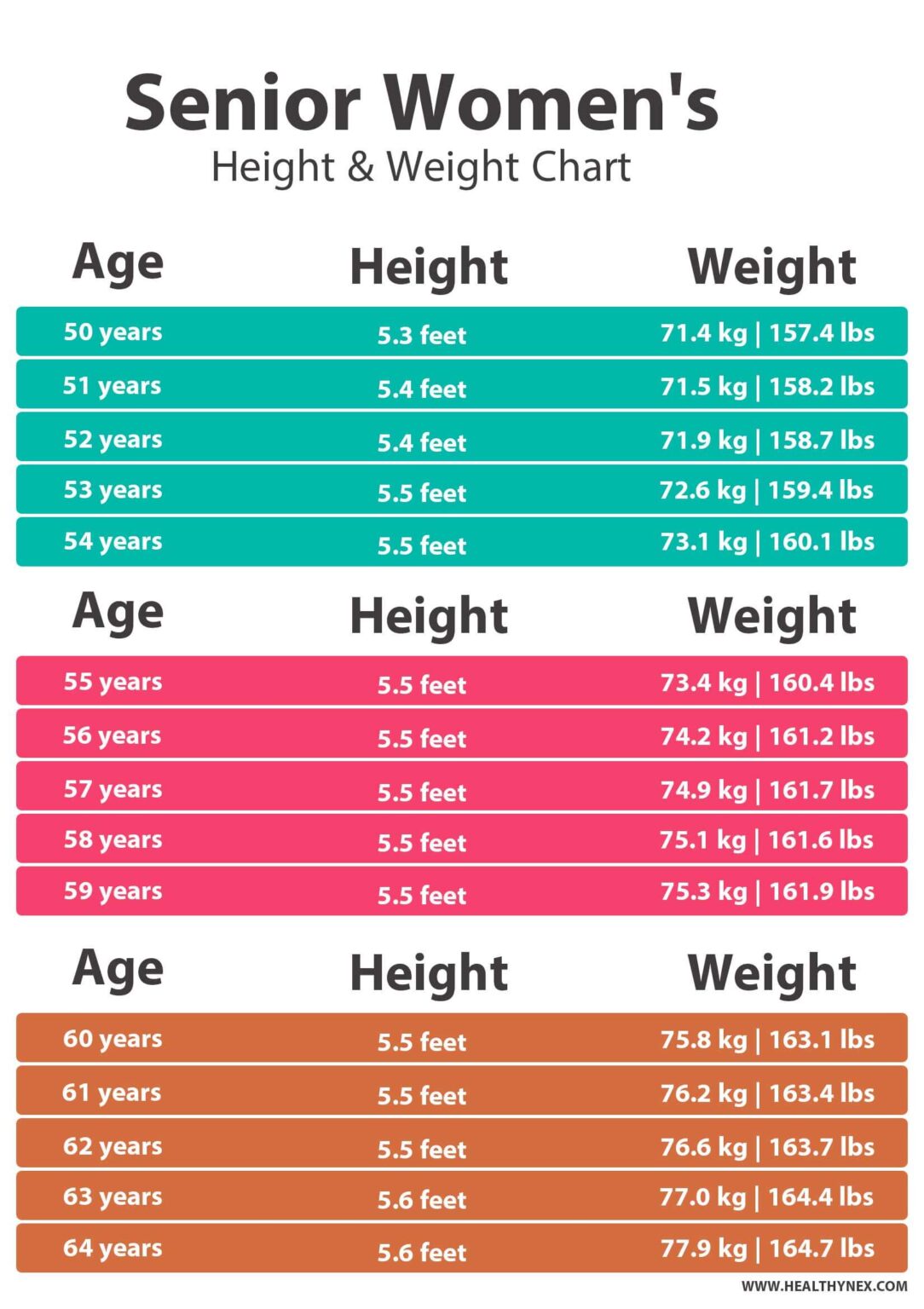
Understanding the Women’s Weight Chart Over 60
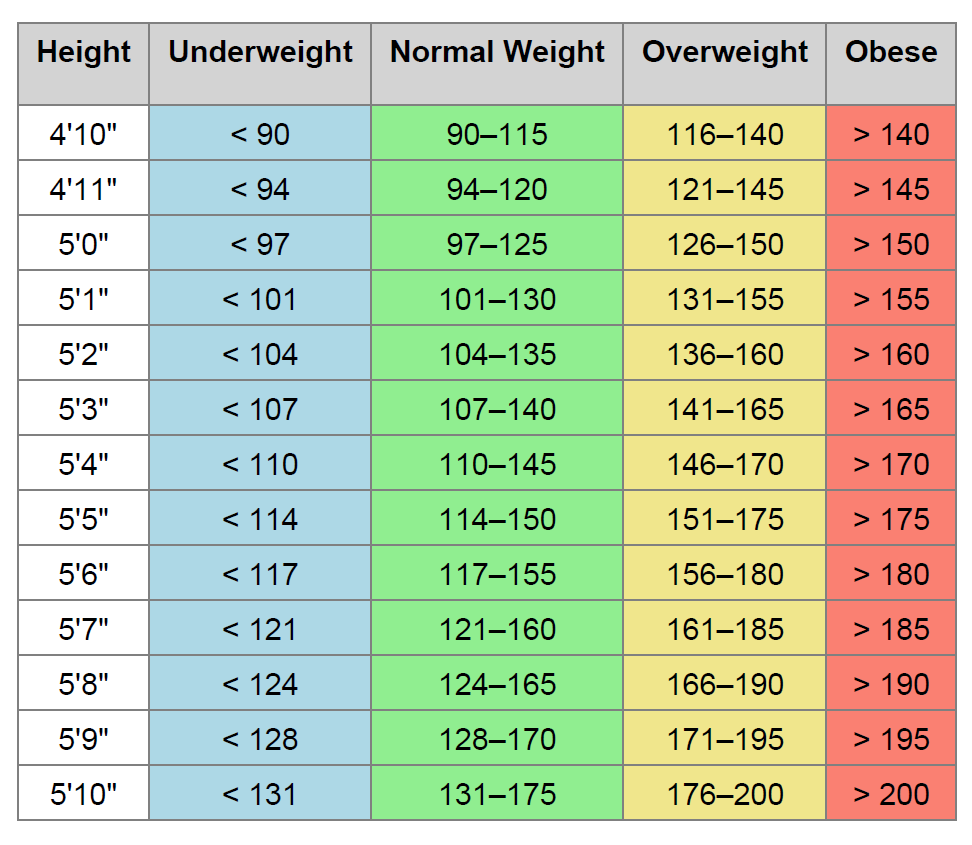
The Women’s Weight Chart Over 60 typically features a grid layout, where one axis lists height increments and the other lists weight increments. This makes it easy to find your ideal weight range based on your height. For example, if you are 5’4″, you will find the corresponding weight range highlighted in the chart.
This straightforward format is especially helpful because it allows you to quickly reference your target weight without needing to perform any calculations. To fill in the chart, you’ll need your current weight and height, which makes it a simple tool to incorporate into your regular health tracking routine.
How to Fill Out the Chart
Filling out the Women’s Weight Chart Over 60 is a straightforward process. Here’s how you can do it effectively:
- Gather Your Information: Before you start, have your height (in inches) and current weight (in pounds) ready.
- Locate Your Height: Find your height listed on the left side of the chart. This will guide you to the correct weight range for your height.
- Identify Your Weight Range: Once you locate your height, look across the row to find the weight range that corresponds to it. This will give you a clear idea of where you currently fit.
- Mark Your Progress: As you continue to track your weight over time, you can use a highlighter or pen to mark your current weight on the chart. This visual representation can be very motivating!
You might want to print several copies of the chart to track your weight weekly or monthly. This way, you can easily compare your progress over time.
Benefits of Using the Weight Chart
The Women’s Weight Chart Over 60 offers several benefits that can enhance your weight management journey:
- Visual Tracking: Seeing your progress visually can be more motivating than simply weighing yourself. It allows you to see trends over time.
- Setting Goals: By knowing your ideal weight range, you can set realistic goals for yourself. This can be particularly encouraging if you’re aiming for gradual weight loss or maintenance.
- Encouraging Accountability: Regularly updating your chart can create a sense of accountability. You’re more likely to stick with your weight management plan if you have a visual reminder of your goals.
Incorporating the Weight Chart Into Your Routine
To maximize the effectiveness of the Women’s Weight Chart Over 60, consider incorporating it into your regular health routine. Here are a few practical tips:
- Weekly Check-Ins: Set a specific day each week to weigh yourself and update your chart. This consistency can help you stay on track.
- Combine with Other Tracking Tools: Use the weight chart alongside other health tracking tools, such as a food diary or exercise log. This holistic approach can give you a clearer picture of your overall wellness.
- Share Your Journey: Consider sharing your chart with a friend or family member who can provide support and encouragement. Sometimes, having a weight-loss buddy can make a significant difference.
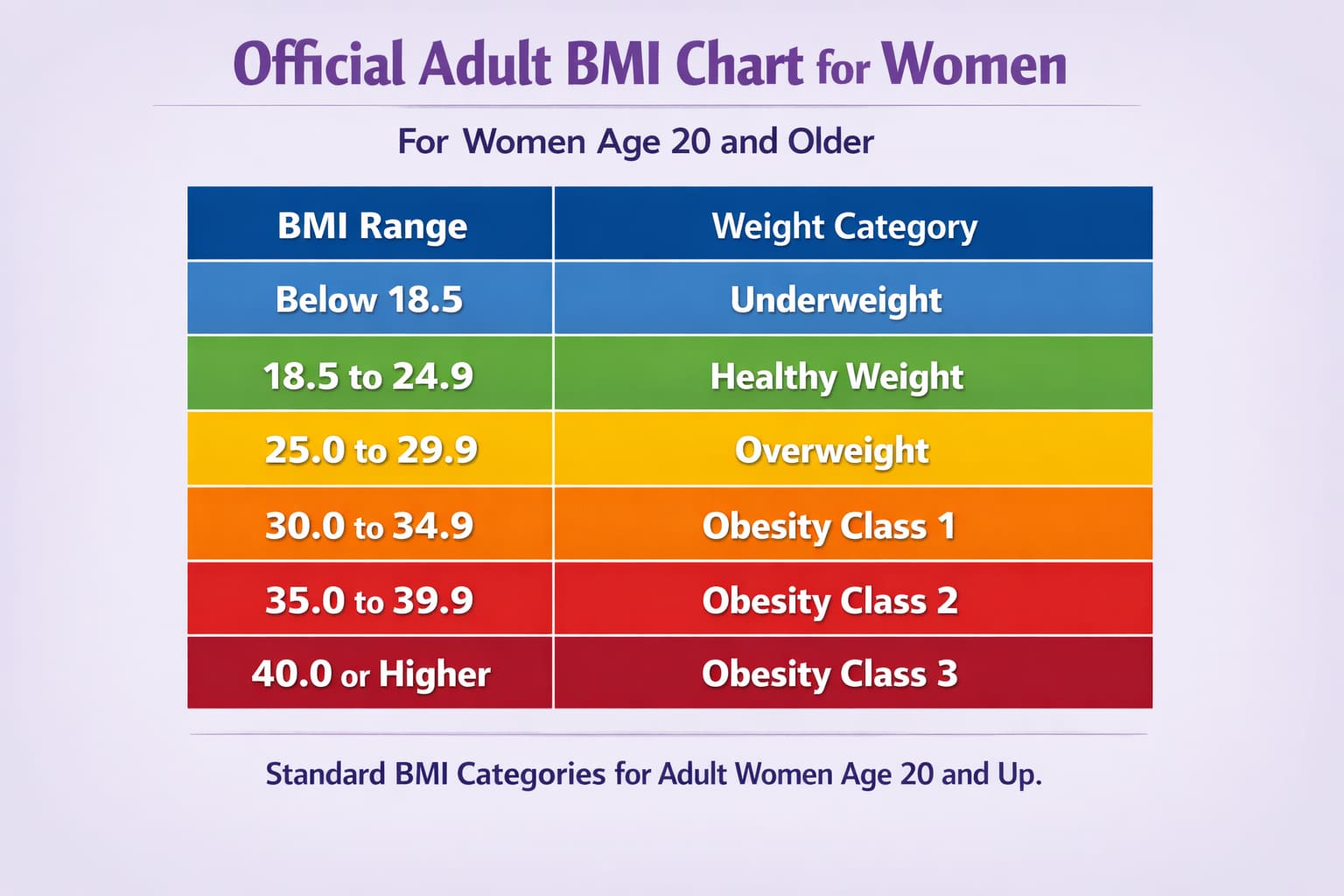
Printable Options and Customization
When looking for a Women’s Weight Chart Over 60, you may find different formats available for download. Here are some options to consider:
- PDF Format: This is often the best choice since it preserves the layout when printed. You won’t have to worry about resizing or misalignment.
- Customizable Templates: Some resources may offer editable templates, allowing you to input your own height and weight directly into the chart before printing it.
- Portrait vs. Landscape Layout: Depending on your printing setup, you may prefer one layout over the other. Portrait layout tends to work better for most home printers, while landscape can provide more space for notes.
Make sure to print your chart on quality paper, ideally cardstock if you plan to laminate it for durability. This will ensure it holds up well over time, especially if you’re using it frequently.
