Tracking the growth of your newborn is essential for ensuring they are healthy and developing as expected. The Weight Gain In Newborns Chart serves as a practical tool for parents to monitor their baby’s weight gain and overall growth patterns. Understanding how to read and use this chart can help you make informed decisions about your baby’s nutrition and health needs.
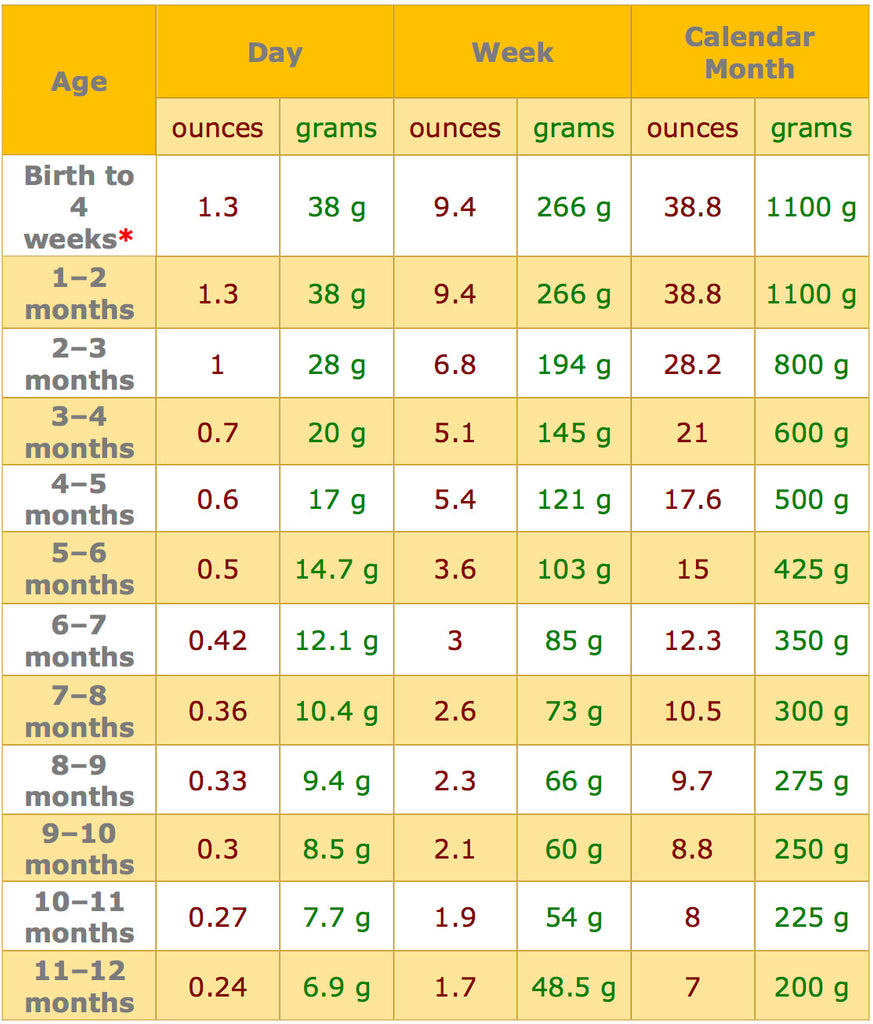
What is the Weight Gain In Newborns Chart?
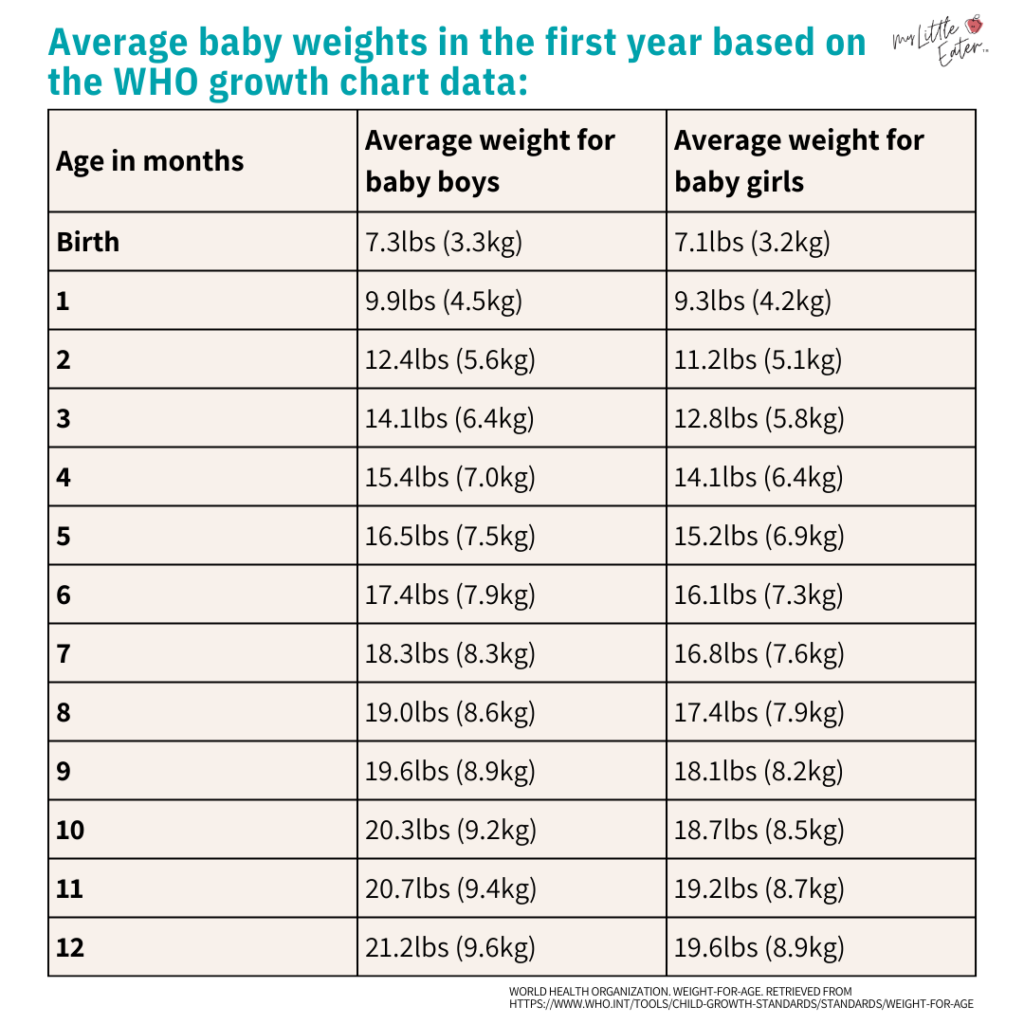
The Weight Gain In Newborns Chart is a graphical representation that outlines the expected weight gains for infants in their first year. This chart typically provides percentile curves that show how your baby’s weight compares to other babies of the same age and sex. For example, if your baby is in the 50th percentile, it means that they weigh more than 50% of their peers.
This chart is crucial for tracking growth patterns, identifying any potential health issues, and ensuring that your baby is on the right path to healthy development. It can be particularly useful during well-child visits, where pediatricians assess growth and development and offer guidance on feeding and nutrition.
How to Use the Weight Gain In Newborns Chart
Using the Weight Gain In Newborns Chart is straightforward, but here are some practical steps to help you make the most of it:
- Obtain the Chart: You can find printable versions of the Weight Gain In Newborns Chart through pediatric health websites or your pediatrician’s office. Make sure to use a chart that is up-to-date and appropriate for your baby’s age.
- Record Your Baby’s Weight: Weigh your baby regularly, ideally during well-child visits or at home using a baby scale. Ensure the scale is calibrated correctly for accurate readings.
- Locate Your Baby’s Age: Find the corresponding age on the chart. The chart will typically list age in weeks or months.
- Plot the Weight: Mark your baby’s weight on the chart. This will help visualize their growth over time and see how they compare to the percentiles.
- Analyze the Growth Pattern: Look for trends in your baby’s weight gain. Ideally, you want to see a steady upward trend, which indicates healthy growth. If your baby’s weight consistently falls below the 5th percentile or above the 95th percentile, it’s essential to consult your pediatrician.
Common Mistakes When Using the Chart
While using the Weight Gain In Newborns Chart is relatively simple, there are common pitfalls to avoid:
- Infrequent Weighing: Weighing your baby too infrequently can lead to missing important trends in growth. Aim to weigh your baby at least once a month, especially in the first year.
- Not Accounting for Growth Spurts: Babies often experience growth spurts, especially during the first few months. This can lead to fluctuations in weight gain that may seem alarming but are completely normal.
- Ignoring Other Growth Indicators: Weight is just one part of your baby’s growth. Be sure to consider other factors like length, head circumference, and developmental milestones.
- Using Outdated Charts: Make sure you’re using the latest version of the chart. Growth standards can change, and using outdated resources could give you inaccurate information.
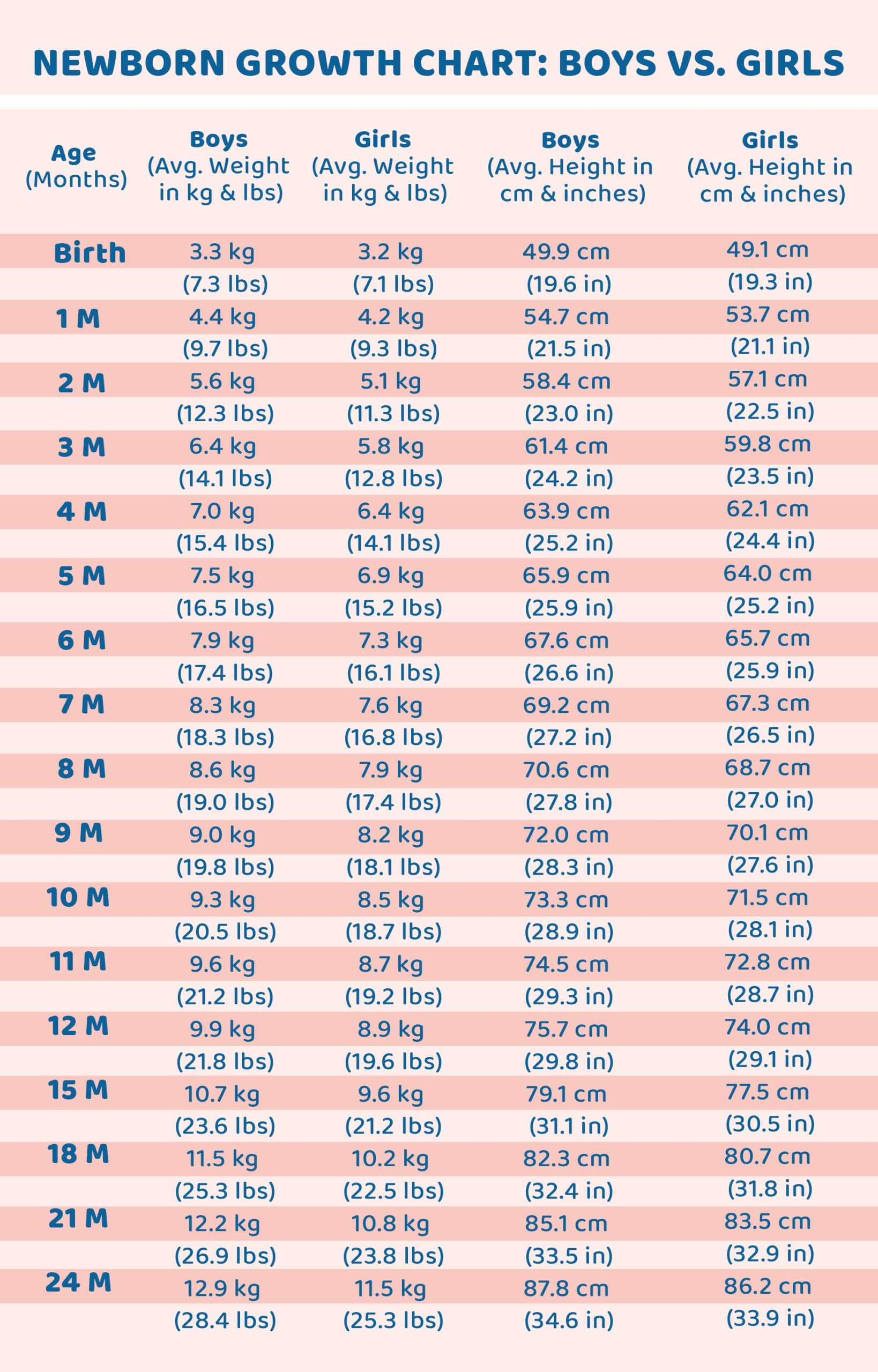
Where to Submit or Share the Chart
Once you’ve filled out the Weight Gain In Newborns Chart, you might wonder what to do with it. Here are a few practical uses:
- During Pediatric Visits: Bring the chart to your baby’s well-child appointments. Your pediatrician will appreciate the data and can provide insights based on your observations.
- Documentation for Health Records: Keep your filled chart in your baby’s health records at home. This can be helpful for future reference and tracking long-term growth.
- Sharing with Family: If you have concerned family members or caregivers, sharing the chart can help them understand your baby’s growth and reassure them about their health.
