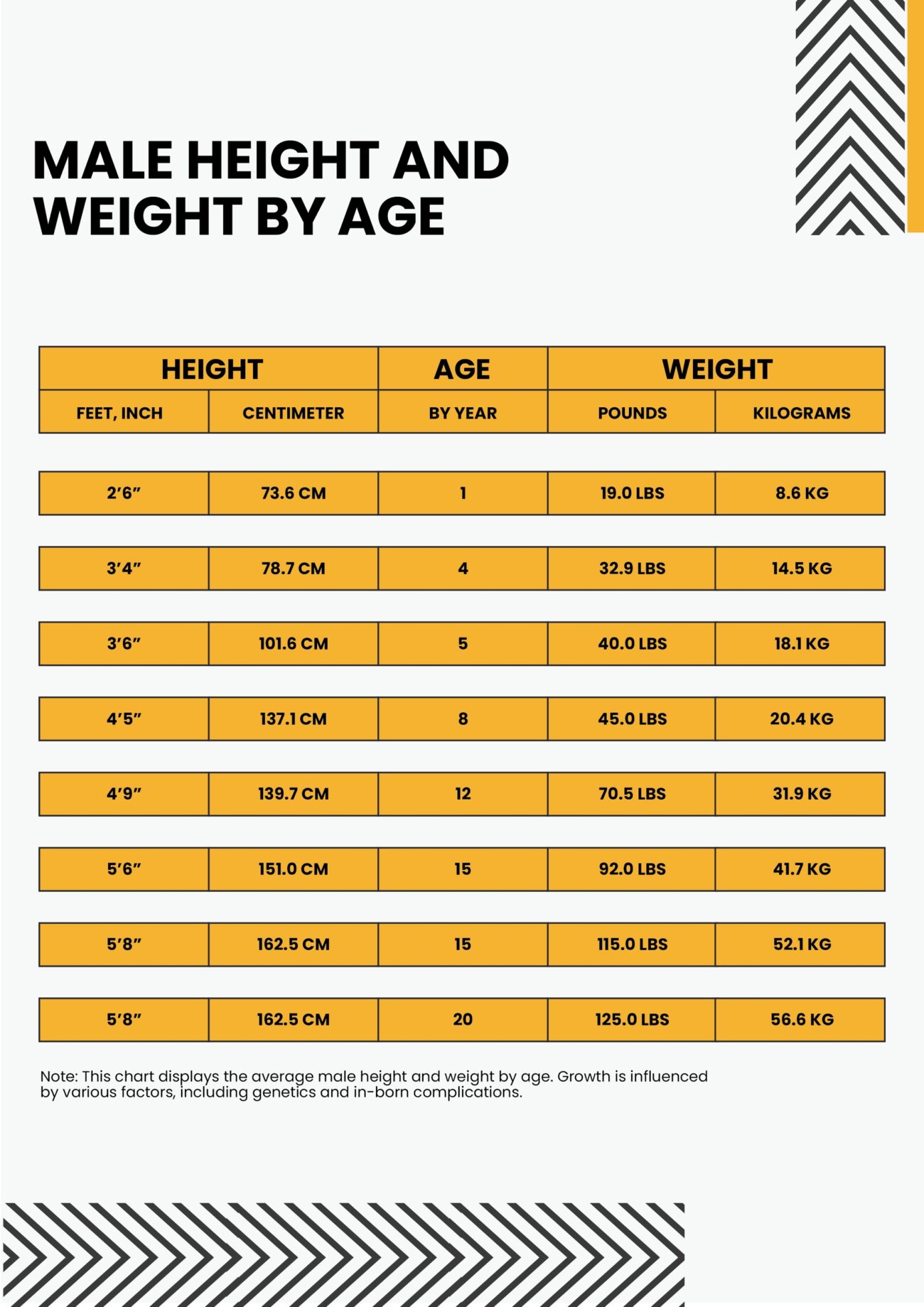
Understanding how your weight correlates with your height is crucial for maintaining a healthy lifestyle. A Weight To Height Chart Male is a valuable tool that helps you gauge whether your weight is within a healthy range relative to your height. This chart can assist you in setting fitness goals, tracking your progress, and making informed decisions about your nutrition and exercise routines.
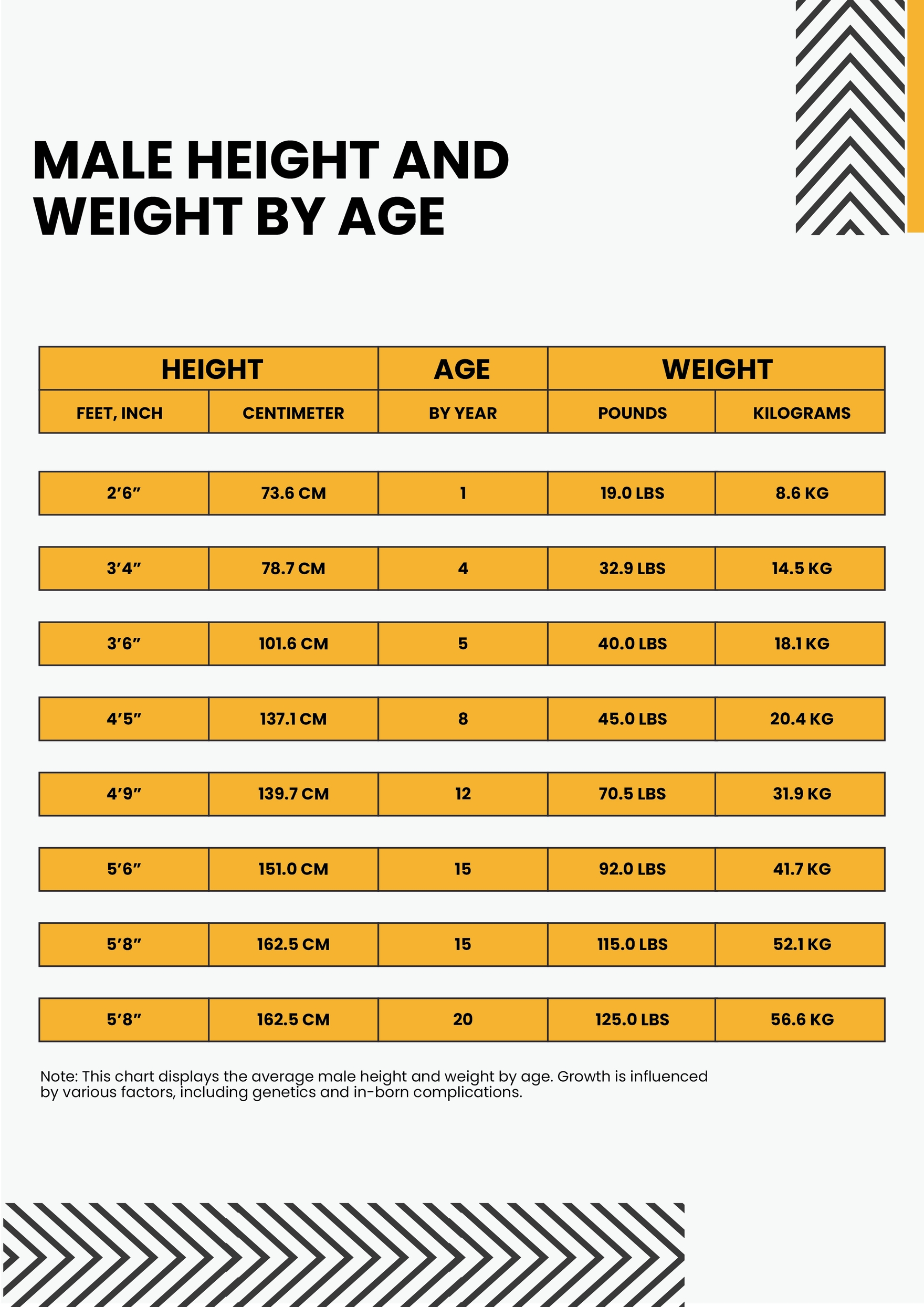
What is a Weight To Height Chart?
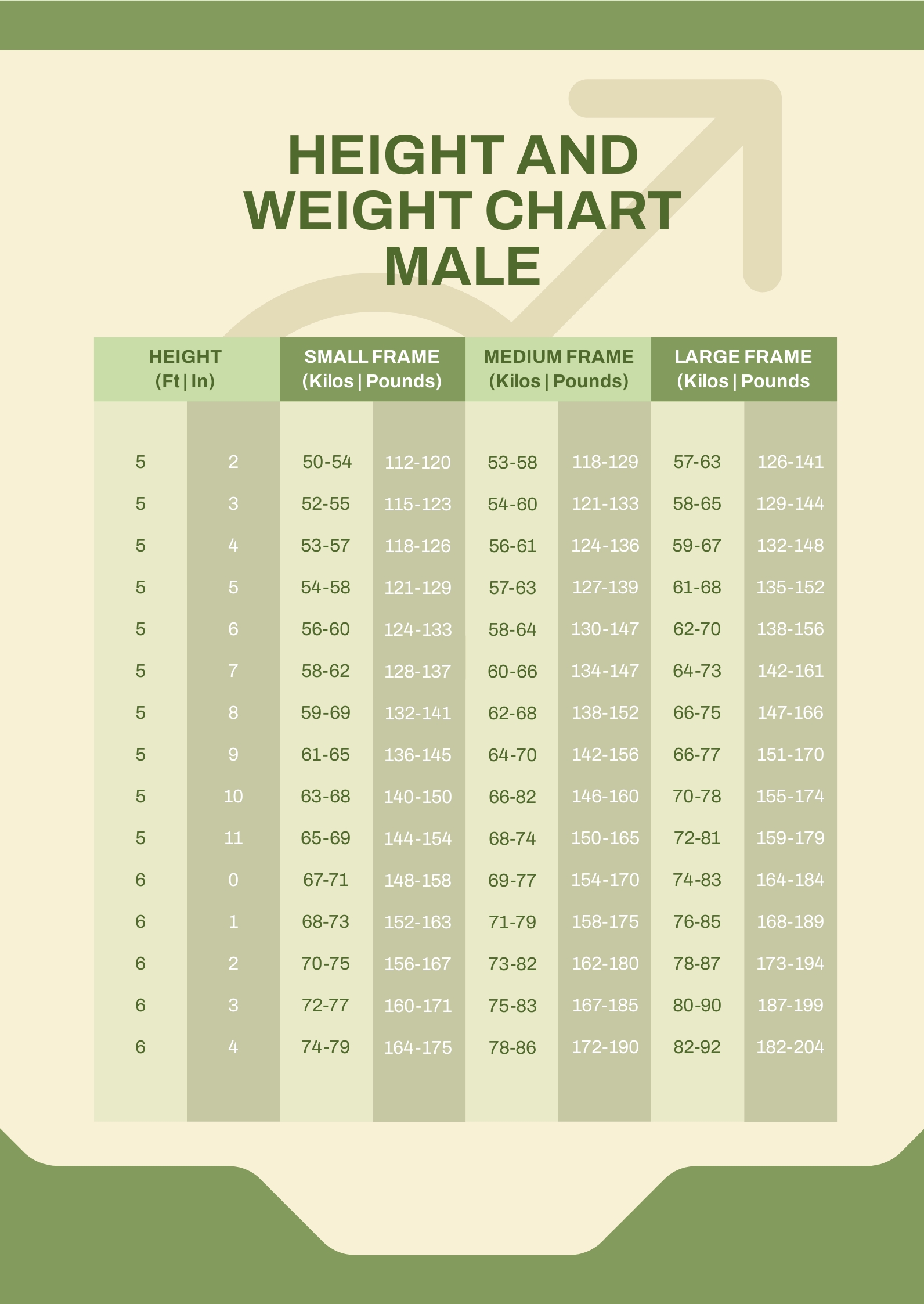
A Weight To Height Chart is a simple visual representation that outlines the ideal weight range for various heights. It typically lists heights in inches or centimeters on one axis and corresponding weight ranges in pounds or kilograms on the other. This chart provides a quick reference for determining whether your weight is considered healthy according to common standards.
Using the chart is straightforward. You find your height on the left side and trace across to see the recommended weight range. This can be particularly helpful for men looking to achieve or maintain a healthy weight.
When to Use a Weight To Height Chart Male
Incorporating a Weight To Height Chart Male into your routine can be beneficial in several scenarios:
- Setting Health Goals: If you’re aiming to lose weight, gain muscle, or simply maintain your current weight, knowing where you stand in relation to the ideal weight range can guide your journey.
- Monitoring Progress: Regularly checking your weight against the chart can help you track your progress over time. This can be particularly motivating and allow you to adjust your diet or exercise regimen as needed.
- Consulting Health Professionals: If you’re seeing a doctor or nutritionist, having this chart can help facilitate discussions about your weight and health goals.
How to Read and Fill In the Chart
Reading a Weight To Height Chart Male is quite simple, but filling it in with your personal data can enhance its effectiveness:
- Find Your Height: Measure your height accurately. Use a measuring tape or a stadiometer for the best results. Record your height in either inches or centimeters.
- Locate Your Weight: Weigh yourself using a reliable scale. Make sure to do this under similar conditions each time (e.g., same time of day, similar clothing).
- Cross-Reference: Once you have both your height and weight, find your height on the chart. From there, you can see where your weight falls within the recommended range.
- Record Your Information: If you’re using a printable version of the chart, consider writing your height and weight directly on it. This can help you keep track over time.
Presentation Quality for Best Use
When using a printable Weight To Height Chart Male, presentation quality can influence how effectively you use the resource:
- Paper Type: Using cardstock can enhance durability, especially if you plan to reference it frequently. It holds up better than standard printer paper.
- Printing Settings: Opt for high-quality print settings to ensure clarity. This is especially important if you’re printing detailed charts. Portrait layout tends to work better for most home printers.
- Size Considerations: Standard paper sizes like A4 or letter size are typically suitable for printing charts. Ensure that the entire chart fits well on the page without cutting off any important information.
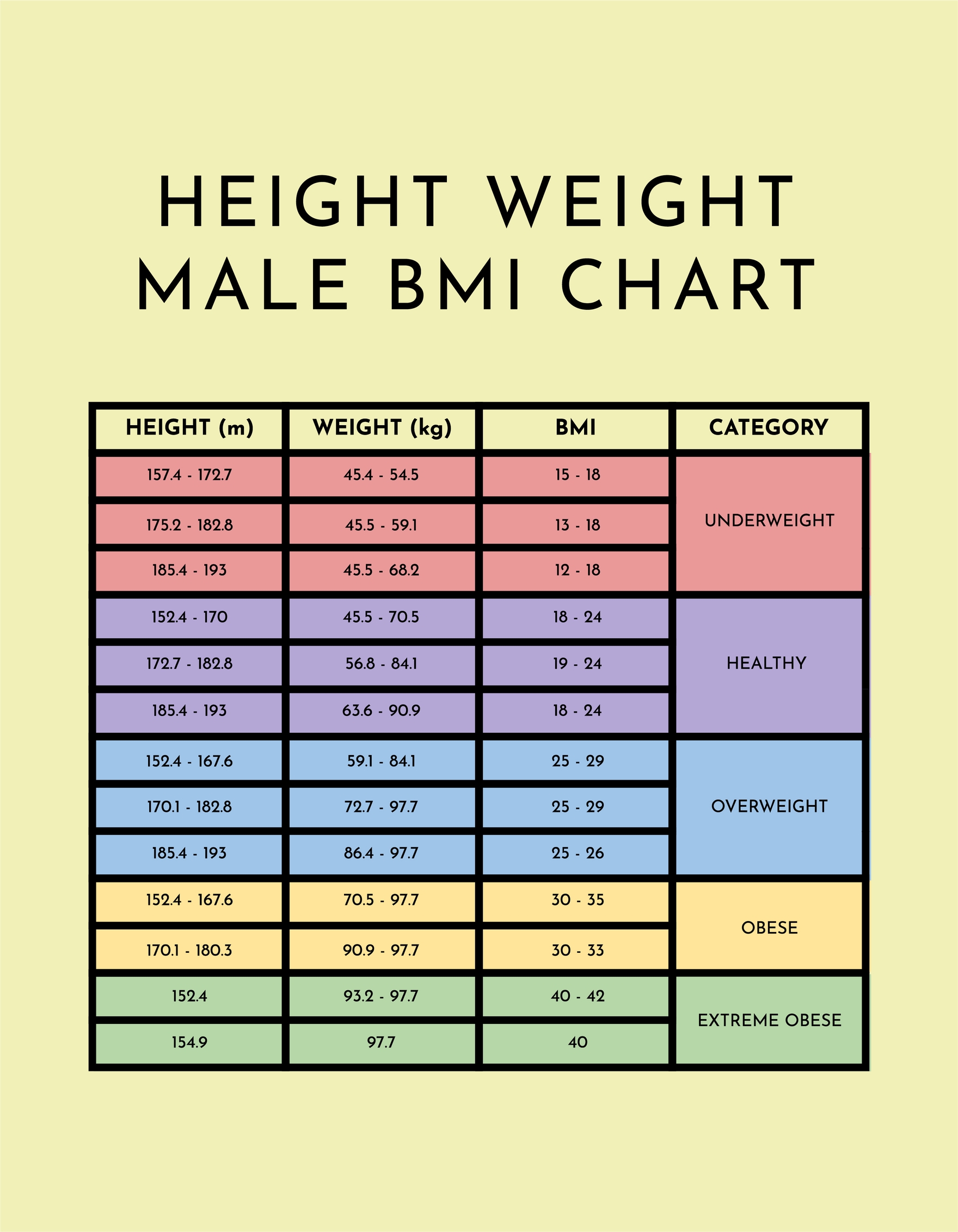
Incorporating the Chart Into Your Routine
Integrating the Weight To Height Chart Male into your daily routine can be a game-changer for your health management:
- Create a Schedule: Set a regular schedule to check your weight against the chart. This could be weekly or bi-weekly, depending on your goals.
- Combine with Other Resources: Use the chart alongside a food diary or fitness tracker. This comprehensive approach can help you better understand how your lifestyle impacts your weight.
- Adjust as Necessary: If you notice that you’re consistently outside the recommended weight range, consider adjusting your diet or exercise routine accordingly. It might also be beneficial to consult a healthcare provider for personalized advice.
As you use the chart, remember that it is a guideline rather than a strict rule. Individual health needs can vary widely, and factors like muscle mass and bone density can influence what is considered healthy for you.
In summary, the Weight To Height Chart Male is a practical tool that can help you manage your health effectively. By understanding how to read and utilize this chart, you can set clear health goals, monitor your progress, and make informed lifestyle choices. One important detail that many users overlook is that the ideal weight ranges can differ based on age and body composition, so be sure to consider these factors when interpreting your results.
