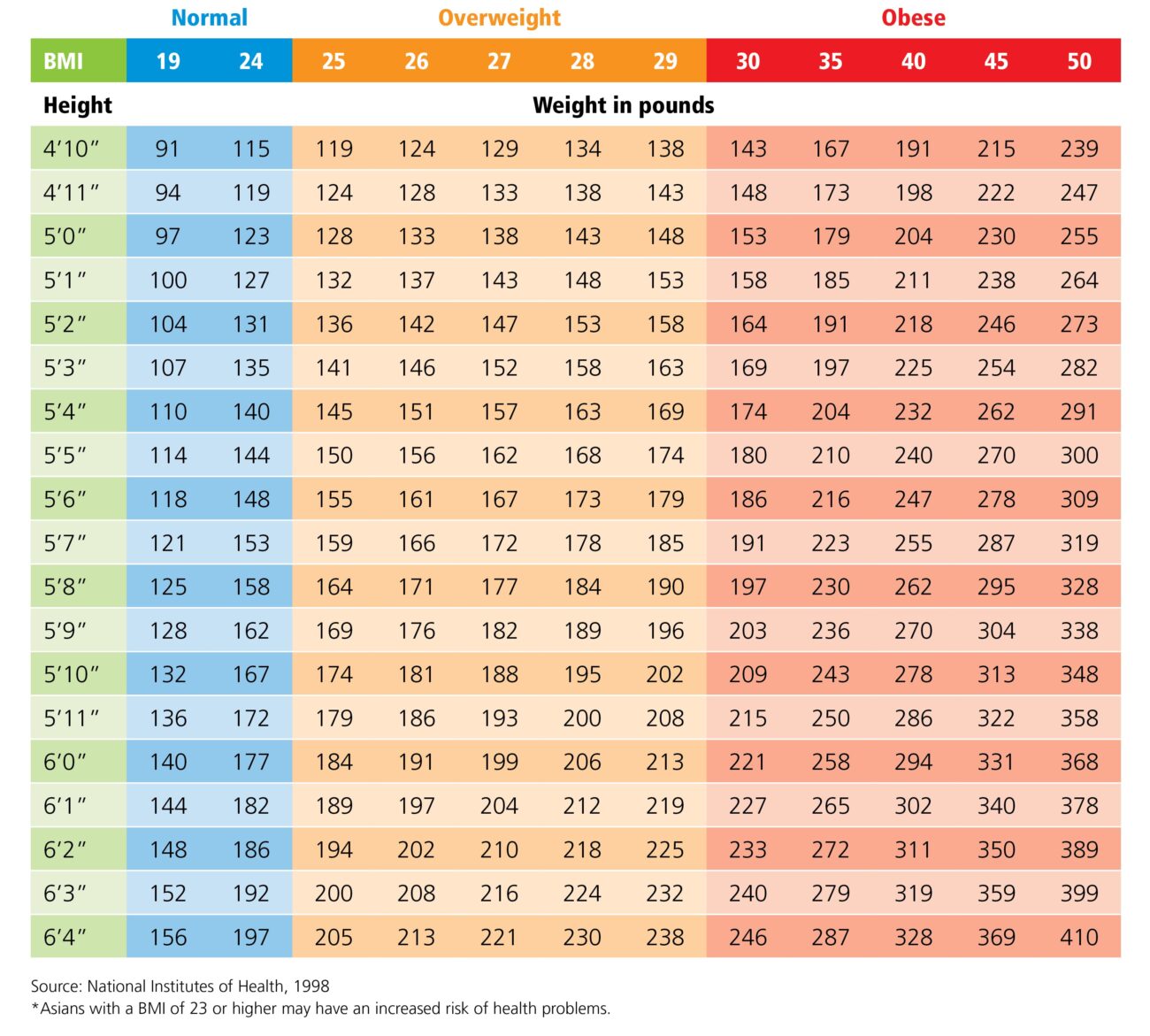
Understanding your child’s growth can be a significant part of parenting. The Weight Chart By Age For Male helps you track your son’s weight against standard benchmarks, ensuring he stays healthy and developing appropriately. This printable resource is not just a chart; it’s a vital tool for parents, teachers, and caregivers to monitor growth over time.
What is a Weight Chart and Why Use It?
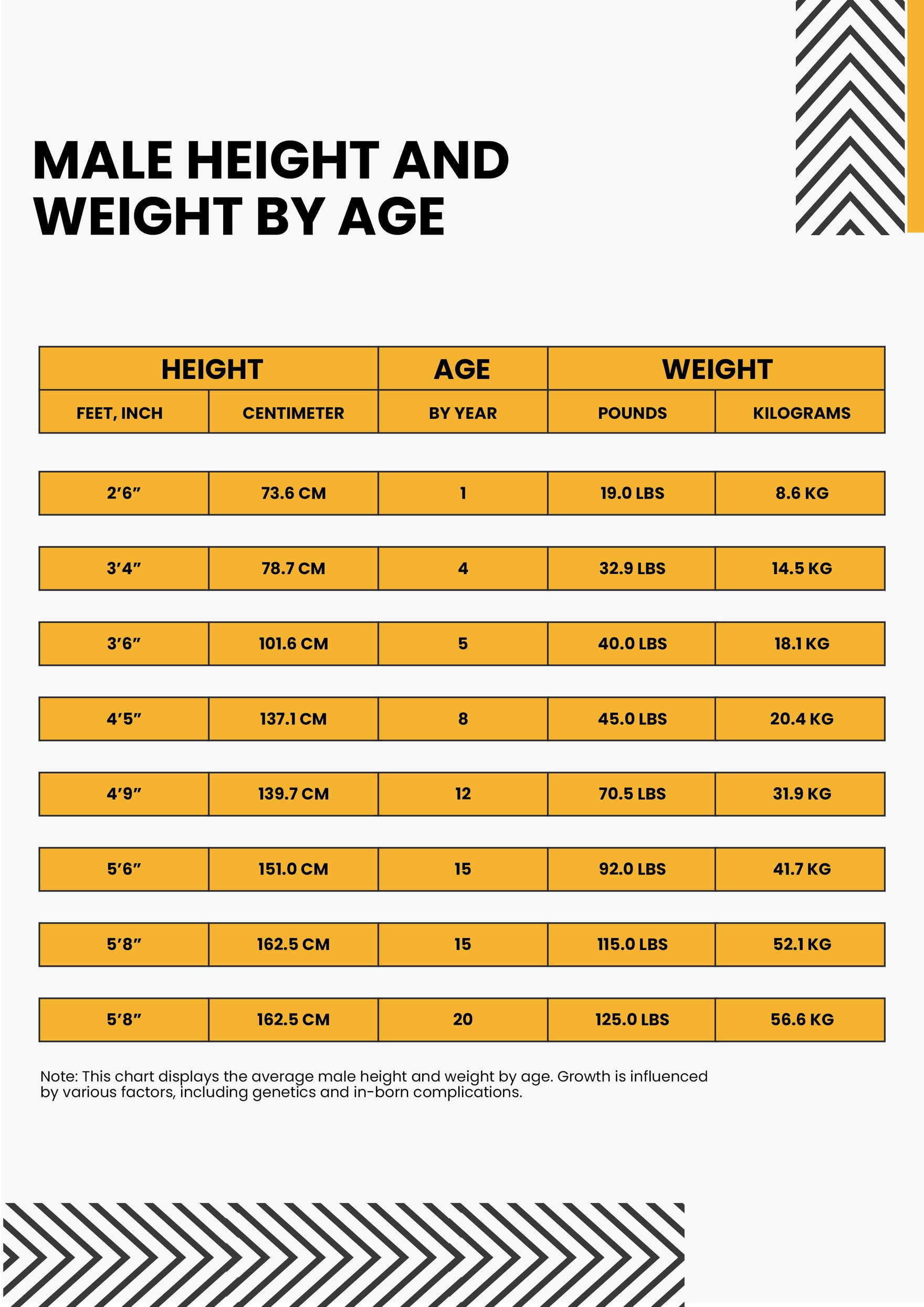
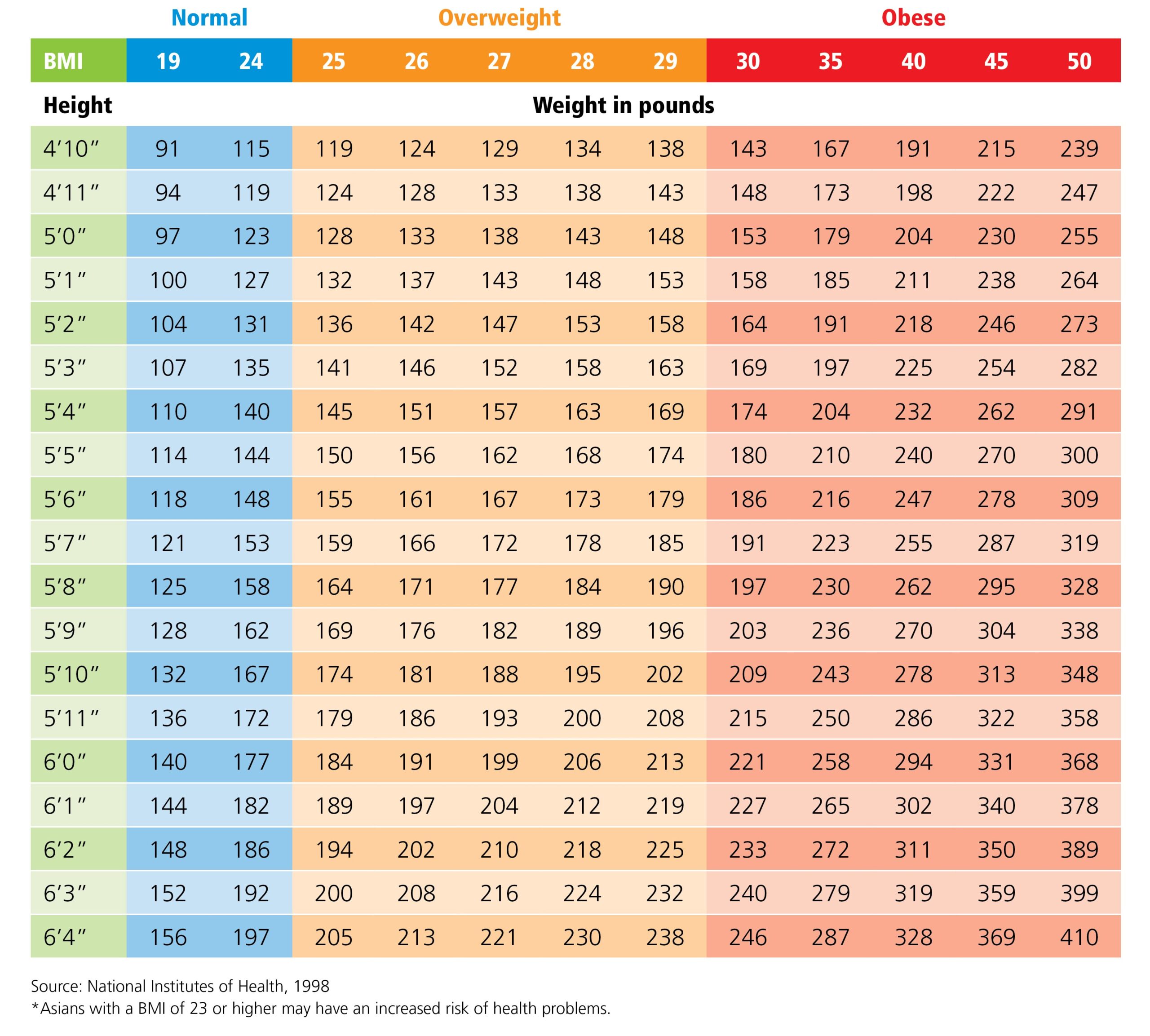
A weight chart is a visual representation that displays the average weight ranges for boys at various ages. By comparing your child’s weight to the chart, you can see where he stands relative to his peers. It can help identify potential weight-related health issues early, whether that’s being underweight or overweight.
Using a weight chart is straightforward. You’ll need to record your child’s weight regularly—ideally every few months. This way, you can spot trends over time rather than just relying on one-off measurements. A weight chart not only helps in monitoring growth but also provides a clear way to discuss health with pediatricians during check-ups.
How to Read the Weight Chart By Age For Male
Reading the Weight Chart By Age For Male is simple, but understanding how to interpret the data is crucial. The chart typically features age on the x-axis (horizontal) and weight on the y-axis (vertical).
- Locate the Age: Find your child’s age on the bottom axis.
- Find the Corresponding Weight Range: Move up to see the weight ranges that correspond to that age.
- Plot Your Child’s Weight: Mark your child’s weight on the chart. This will show you where he falls in relation to the average weight range.
For instance, if your son is 8 years old and weighs 60 pounds, you’d look across the 8-year mark and see if 60 pounds falls within the recommended range. If it’s above or below, it may be worth discussing with your pediatrician.
Best Practices for Using the Weight Chart
To make the best use of the Weight Chart By Age For Male, consider these practices:
- Regular Measurements: Weigh your child consistently, ideally under similar conditions (e.g., same time of day, similar clothing).
- Use Quality Tools: A digital scale can provide more accurate readings than older mechanical scales. Ensure it’s calibrated correctly.
- Document Other Health Factors: Weight is just one part of health. Keep notes on your child’s diet, activity levels, and any health concerns to provide context during check-ups.
Downloading and Printing Your Weight Chart
You can easily download the Weight Chart By Age For Male from various printable-resource websites, including ours. Here’s how to get started:
- Find the Download Link: Look for the PDF or image file of the weight chart on the website.
- Choose the Right Size: Most charts are available in standard sizes like A4 or letter size. A4 is often best for easy printing.
- Print Settings: Use good-quality paper for durability. If you plan to use the chart frequently, consider printing it on cardstock. This will make it easier to write on and less prone to tearing.
- Lamination: If you want to keep it in good condition, laminating the chart can help, especially if you plan on updating it regularly with your child’s weight.
Incorporating the Weight Chart Into Your Routine
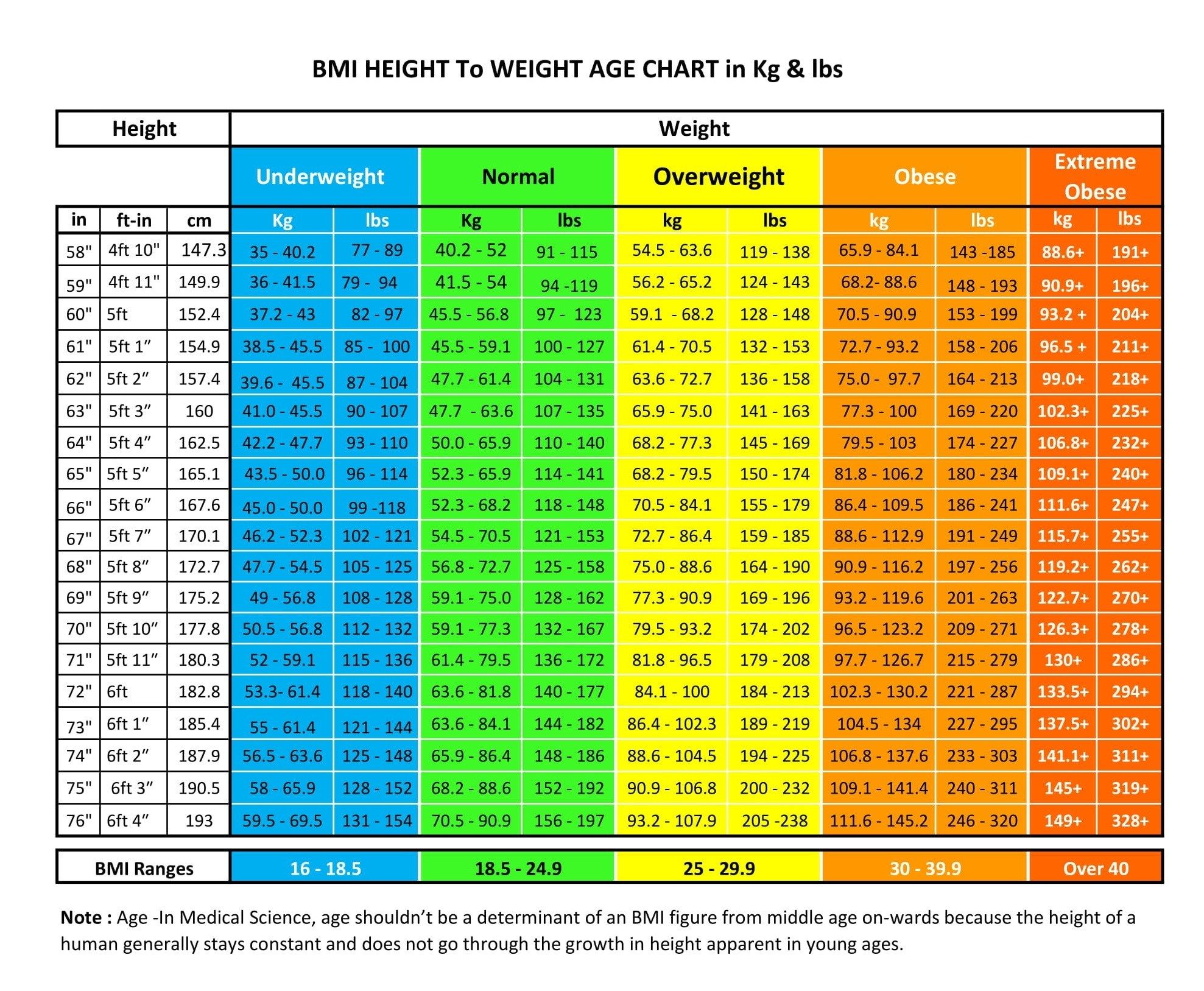
Integrating the Weight Chart By Age For Male into your regular health checks can be beneficial. Here’s how to incorporate it smoothly:
- Monthly Weigh-Ins: Make a routine of weighing your child once a month. This sets a timeline for when to update the chart.
- Discuss with Your Child: Encourage your child to be involved in tracking their growth. It can be a fun way to teach them about health and wellness.
- Plan Healthy Activities: Use the data from the chart to motivate healthy habits. For example, if you notice a trend toward being overweight, it could be a catalyst for family activities like biking or hiking.
Tracking your child’s growth can be a rewarding experience. By utilizing a Weight Chart By Age For Male, you not only monitor their physical development but also encourage healthy habits and discussions about health. So, download your chart today, and start your journey toward understanding your child’s growth better.
