Understanding your caloric needs can be a useful option when it comes to weight management. The Weight Loss Calorie Calculator Chart is designed specifically to help you track and calculate your daily calorie intake, making it easier to stay on target with your weight loss goals. This chart isn’t just another generic template; it’s tailored to provide you with practical insights that empower you to take control of your nutrition.
Why Use a Weight Loss Calorie Calculator Chart?
A calorie calculator chart is a user-friendly tool that takes the guesswork out of dieting. It helps you quantify how many calories you consume versus how many you need to burn for effective weight loss. The layout typically includes sections for daily caloric goals, food intake tracking, and even exercise logs, all formatted to be easy to fill out.
For instance, if you’re just starting your weight loss journey, this chart can help you see patterns in your eating habits. By recording your meals and snacks, you can identify areas for improvement. The simplicity of a chart encourages consistency, which is key in any weight loss endeavor.
Key Sections of the Chart
When you first look at the Weight Loss Calorie Calculator Chart, you’ll notice it has distinct sections designed to help you organize your information effectively.
Daily Caloric Goals
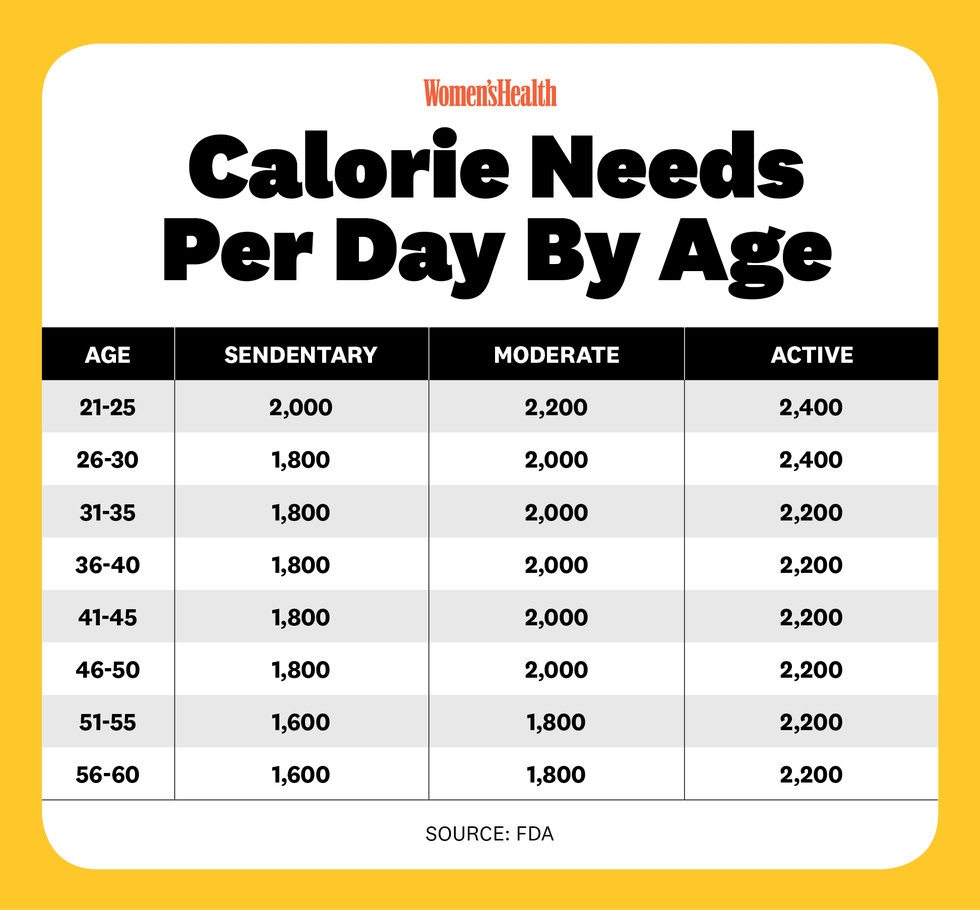
This section usually features a space to write down your target calories based on your age, weight, height, and activity level. Many charts provide a guideline or formula to help you calculate this number. It’s essential to set realistic goals; otherwise, you might feel discouraged.
A common formula to estimate your caloric needs is the Mifflin-St Jeor equation. It gives a solid starting point for determining how many calories you should consume to lose weight safely.
Food Intake Tracking
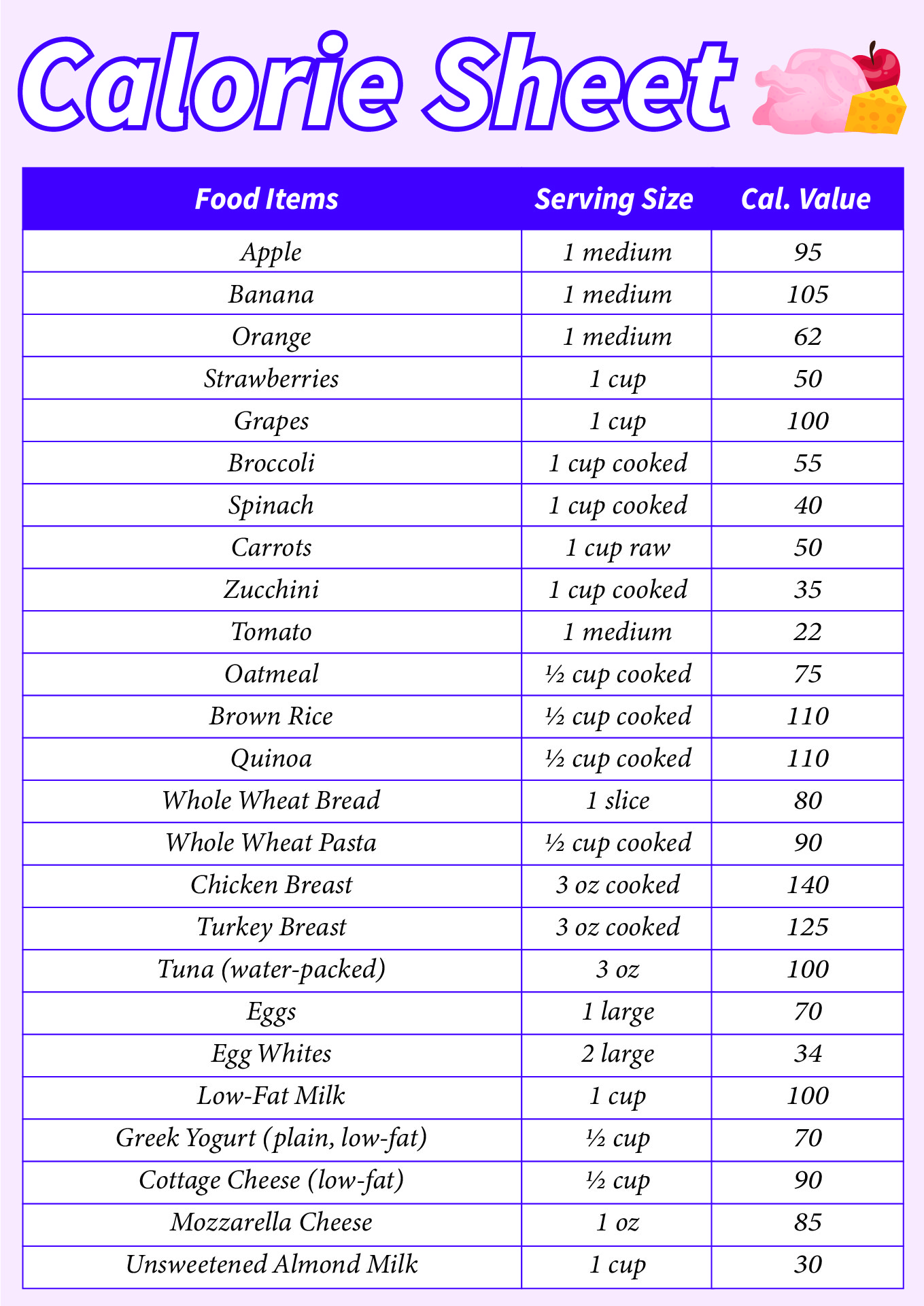
This is where the real magic happens. The food intake section allows you to log what you eat throughout the day, including portion sizes. Some charts might even have pre-printed food items with their calorie counts for quick reference.
You can choose to fill this out digitally or print it out for handwritten entries. If you’re using a fillable PDF, you can easily save your daily logs without cluttering your workspace. Handwriting might help some people remember their food choices better, but digital entries allow for easier adjustments.
Exercise Log
Incorporating physical activity into your weight loss plan is crucial. The exercise log section of the chart can help you record your workouts, including duration and intensity. This is particularly useful because exercise not only burns calories but also contributes to your overall well-being.
You may find it beneficial to write down how you felt during your workouts or any changes in your energy levels. This personal touch can motivate you to keep pushing through your routines.
Tips for Using the Chart Effectively
To get the most out of your Weight Loss Calorie Calculator Chart, consider these practical tips:
- Consistency is key: Make it a habit to fill out your chart every day. Even on days when you don’t stick to your plan, logging your intake can help you understand your habits better.
- Be honest: It’s easy to forget that extra snack or drink. Being honest with yourself will yield better results.
- Review regularly: Set aside time each week to review your entries. This can help you see trends over time and adjust your goals accordingly.
Printing and Completing Your Chart
When it comes to printing your Weight Loss Calorie Calculator Chart, consider using high-quality paper. Cardstock can be a good option if you plan to write on it frequently, as it holds up better than standard printer paper.
You’ll also want to ensure that your printer settings are adjusted for the best quality output. A portrait layout generally works better for most home printers and gives you ample space for writing. If you prefer a digital format, a fillable PDF allows you to enter data directly on your device, making it easy to adjust your entries without wasting paper.
Additional Resources
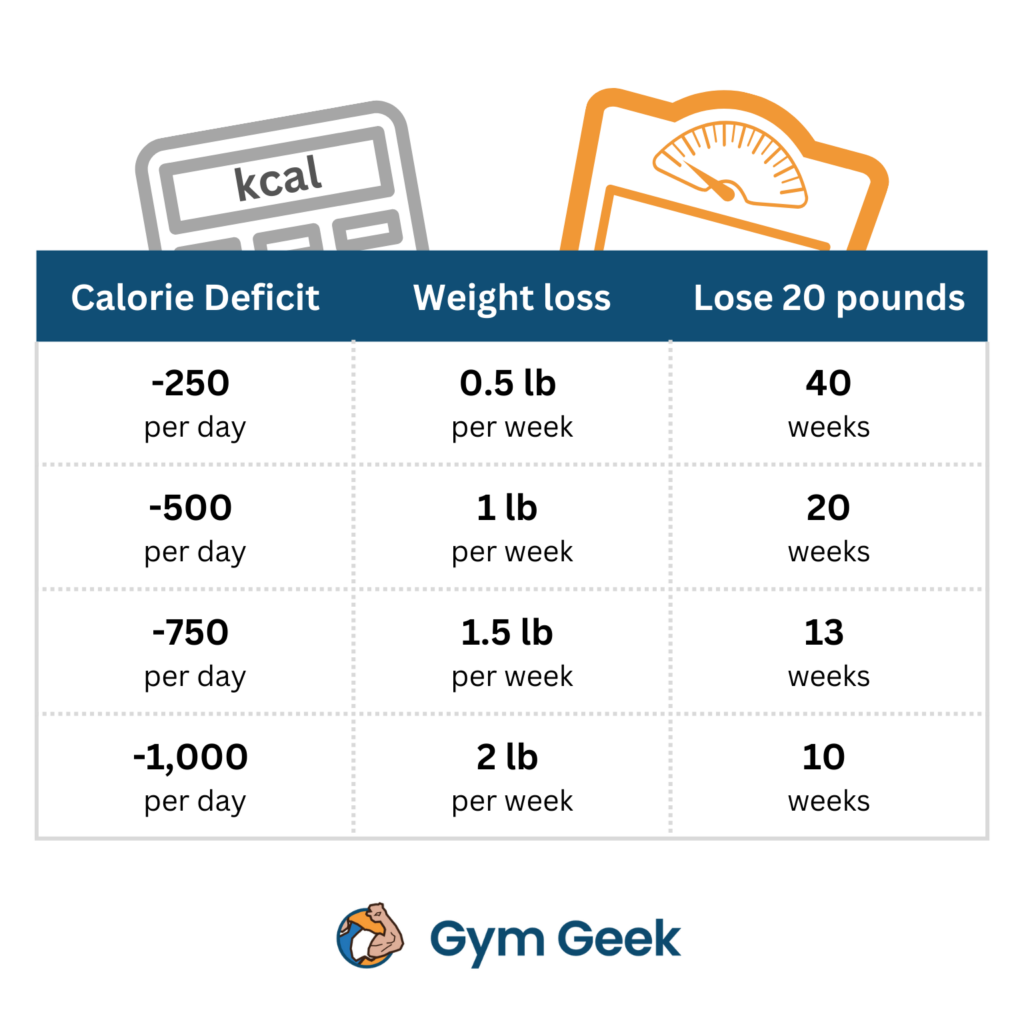
While the Weight Loss Calorie Calculator Chart itself is a wonderful tool, complementing it with additional resources can enhance your weight loss journey. Consider using meal planning templates or grocery lists to streamline your shopping and meal prep.
Printable worksheets that focus on meal ideas or healthy recipes can also be a great addition to your toolkit. These resources can help you make healthier choices while keeping your meals interesting and varied.
Tracking your progress is vital too. You might want a separate chart to record your weight loss achievements, which can serve as a motivational tool.
The ultimate goal is to create a system around the Weight Loss Calorie Calculator Chart that works for you. Personalizing your approach will make it more enjoyable and sustainable.
As you look at using your chart, remember that flexibility is important. Sometimes life gets in the way, and that’s okay. The most useful aspect of the Weight Loss Calorie Calculator Chart is its ability to adapt to your lifestyle and help you remain accountable.
