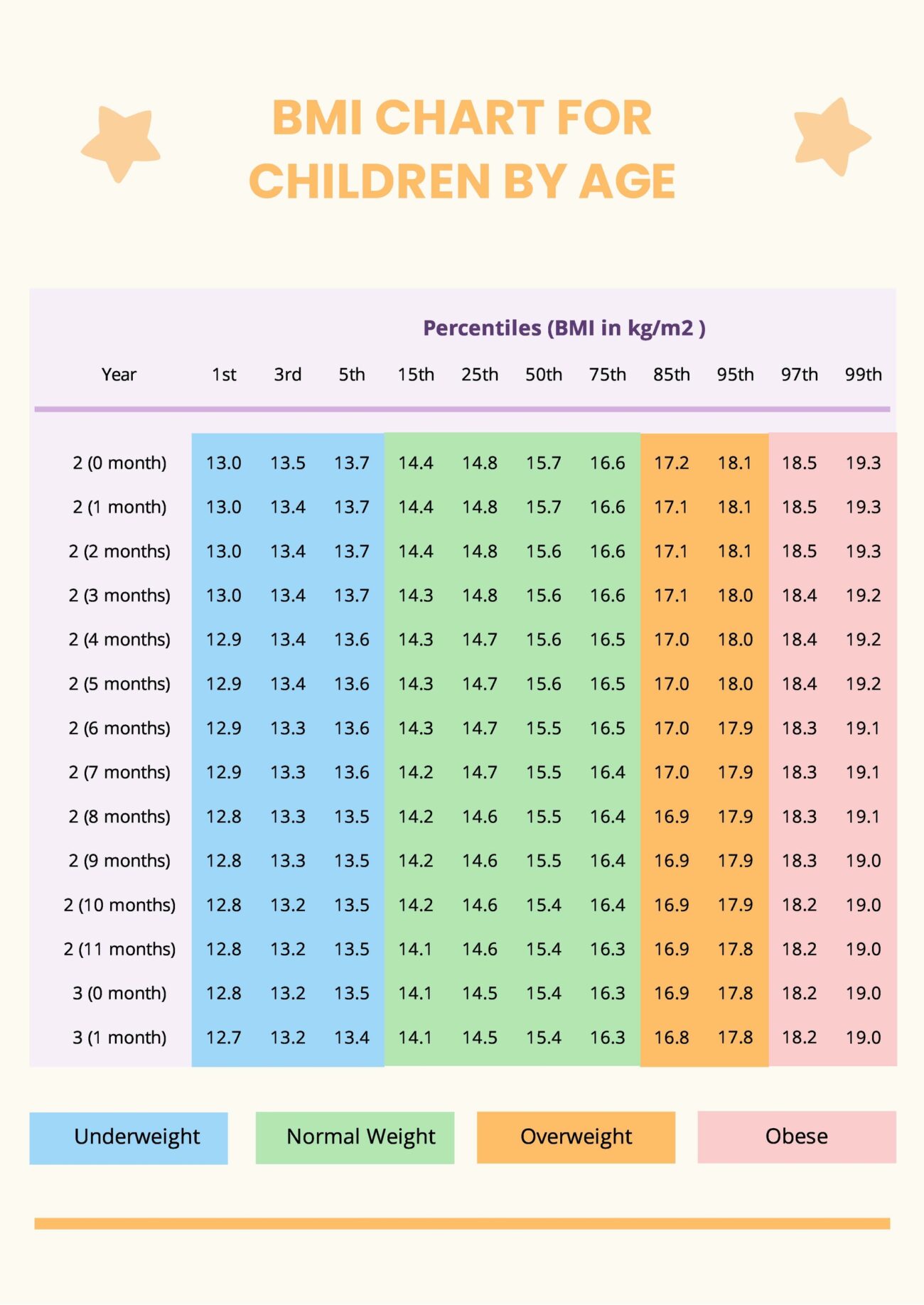
Understanding your child’s growth patterns is essential for their health and well-being. An Age Height Weight BMI Chart can help you easily monitor their development and ensure they are on the right track. This chart provides a visual representation of how your child’s height and weight compare to standard growth metrics based on their age. In this article, we’ll explore how to read and utilize this chart effectively, what information it includes, and how it can be integrated into your family’s routine.
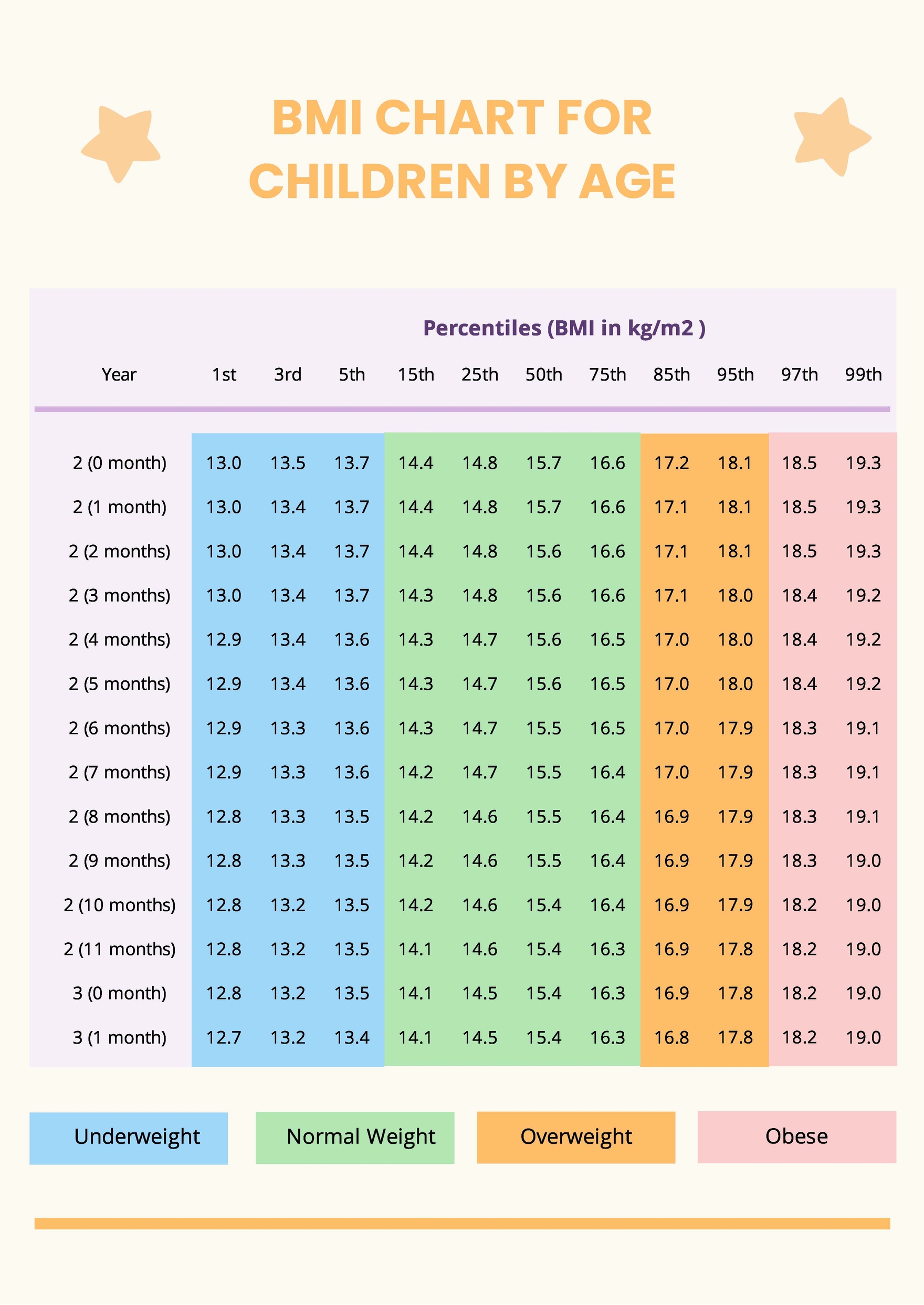
What is an Age Height Weight BMI Chart?
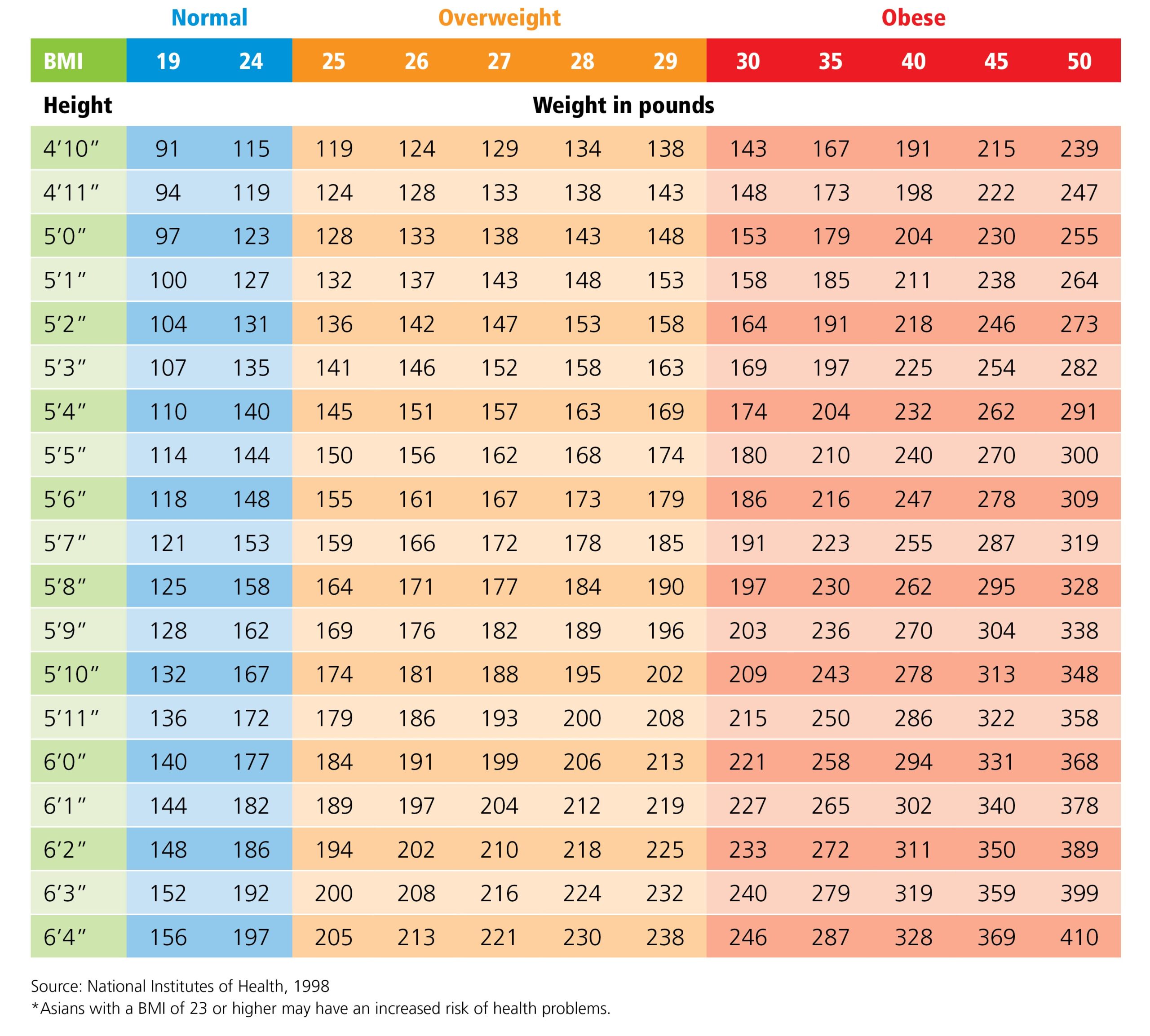
An Age Height Weight BMI Chart is a tool used to assess a child’s growth and development. It typically includes a grid where you can plot your child’s height and weight against their age to see how they measure up compared to others. The Body Mass Index (BMI) is calculated using height and weight to indicate whether a child falls within a healthy weight range. This chart is essential for parents and healthcare professionals to identify any potential growth issues early on.
To use this chart, you’ll need your child’s height (in inches or centimeters) and weight (in pounds or kilograms). The BMI is calculated using the formula: weight (kg) / (height (m))^2. You can find online calculators that will do this for you if math isn’t your strong suit.
How to Read the Chart
Reading an Age Height Weight BMI Chart is straightforward once you understand its layout. The chart typically has two axes: one for age (often in years) and the other for BMI, height, or weight. Here’s how to navigate it:
- Locate Your Child’s Age: Find the appropriate age on the horizontal axis.
- Plot Height and Weight: Move vertically to plot your child’s height and weight on the chart. Most charts have separate lines or curves for boys and girls since their growth patterns differ.
- Determine BMI: If you have calculated your child’s BMI, you can also locate this value on the chart to see where they fall.
The lines on the chart indicate percentiles. For instance, if your child falls in the 50th percentile for height, it means they are taller than 50% of their peers. Understanding these percentiles can help you gauge whether your child is growing at a healthy rate.
When to Use the Chart
Integrating the Age Height Weight BMI Chart into your routine can help ensure you’re keeping track of your child’s growth consistently. Here are some practical tips on when and how to use it:
- Annual Check-ups: During yearly pediatric visits, ask your doctor to plot your child’s measurements on the chart. This allows you to see trends over time.
- Monthly Monitoring: For younger children, consider monitoring height and weight monthly, especially during growth spurts. Keeping a personal record can help you spot any concerning developments early.
- Before Sports or Activities: If your child is involved in sports or physical activities, having this information handy can help you ensure they are within healthy ranges for their age group.
Tips for Filling Out the Chart
When filling out the Age Height Weight BMI Chart, preparation can make the process smoother. Here are some tips to ensure you have accurate and relevant information ready:
- Use a Consistent Measuring Method: Always measure your child’s height and weight at the same time of day and under the same conditions (e.g., no shoes, light clothing).
- Update Regularly: Keep the chart updated with your child’s latest measurements. This helps you notice trends and changes in growth patterns.
- Discuss with Your Pediatrician: If you’re concerned about your child’s growth or their position on the chart, discuss it with your pediatrician. They can provide insights and recommendations based on their experience.
Where to Find Printable Resources
You can easily find printable versions of the Age Height Weight BMI Chart online. These resources often come in PDF format, which is convenient for printing. Here are some places to look:
- Health Organization Websites: Websites like the Centers for Disease Control and Prevention (CDC) provide free downloadable charts.
- Educational Resources: Many educational institutions offer printable charts as part of their health and wellness resources for parents.
- Printable Resource Websites: Websites focused on printable resources often have a variety of formats, including charts tailored for different age groups.
When downloading, make sure to choose a format that works well with your printer. PDFs are usually the best choice for preserving layout and clarity.
Making the Most of Your Chart
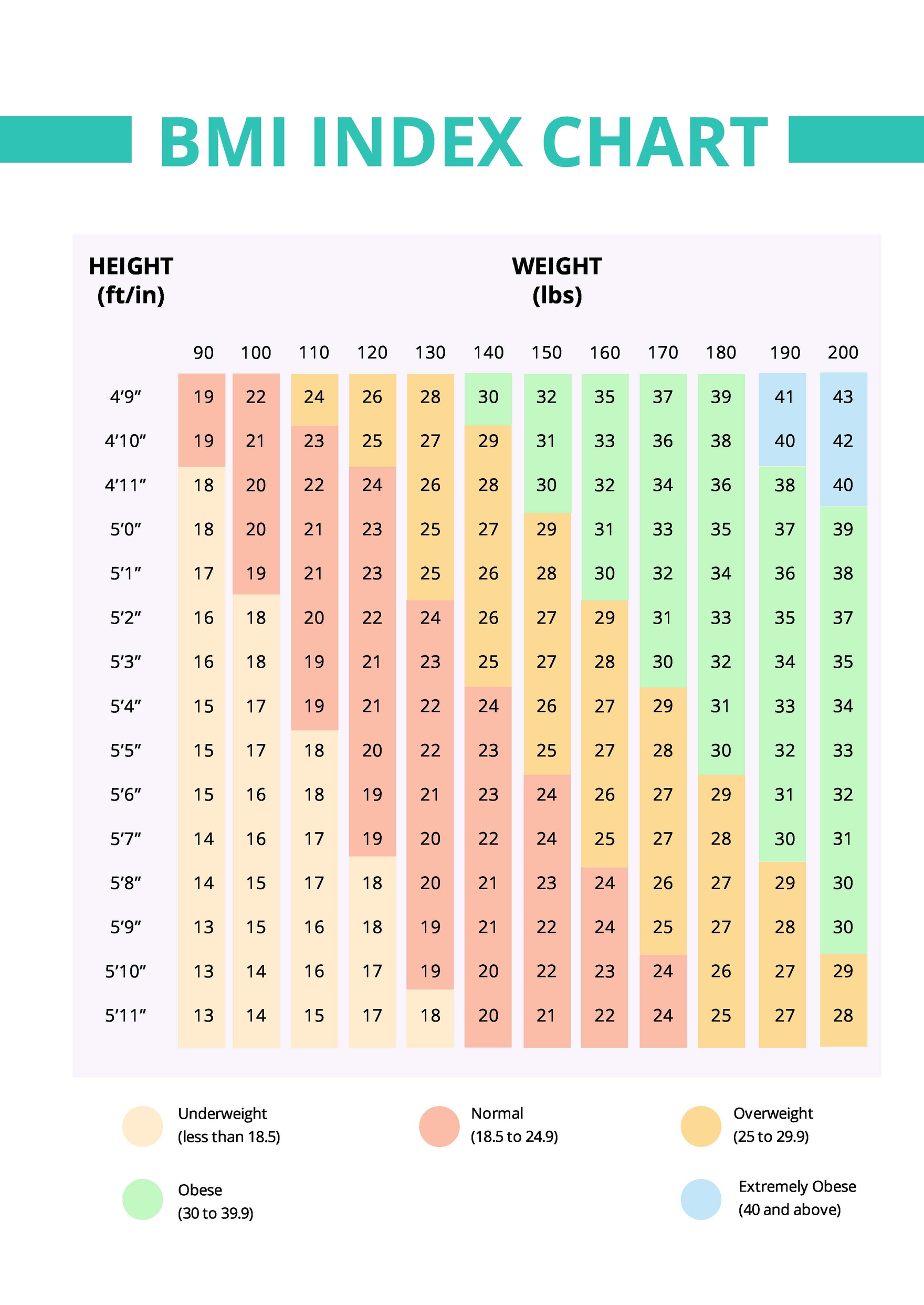
Once you have your Age Height Weight BMI Chart printed and filled out, consider how to incorporate it into your family’s health routine. Here are some practical steps:
- Create a Growth Journal: Keep your chart in a dedicated notebook or journal where you can also record other health-related information, such as vaccination dates and milestones.
- Discuss Growth as a Family: Use the information from the chart as a talking point during family discussions about health, nutrition, and physical activity.
- Set Goals Together: If your child is struggling with their growth or weight, set achievable goals together, whether it’s increasing physical activity or improving nutrition.
By engaging your child in the process, you not only track their growth but also instill healthy habits that can last a lifetime.
Using the Age Height Weight BMI Chart effectively can help you ensure your child is growing healthily. With the right tools and a proactive approach, you can confidently monitor their development and address any concerns that may arise. Download your chart today, and start tracking your child’s growth with ease!
