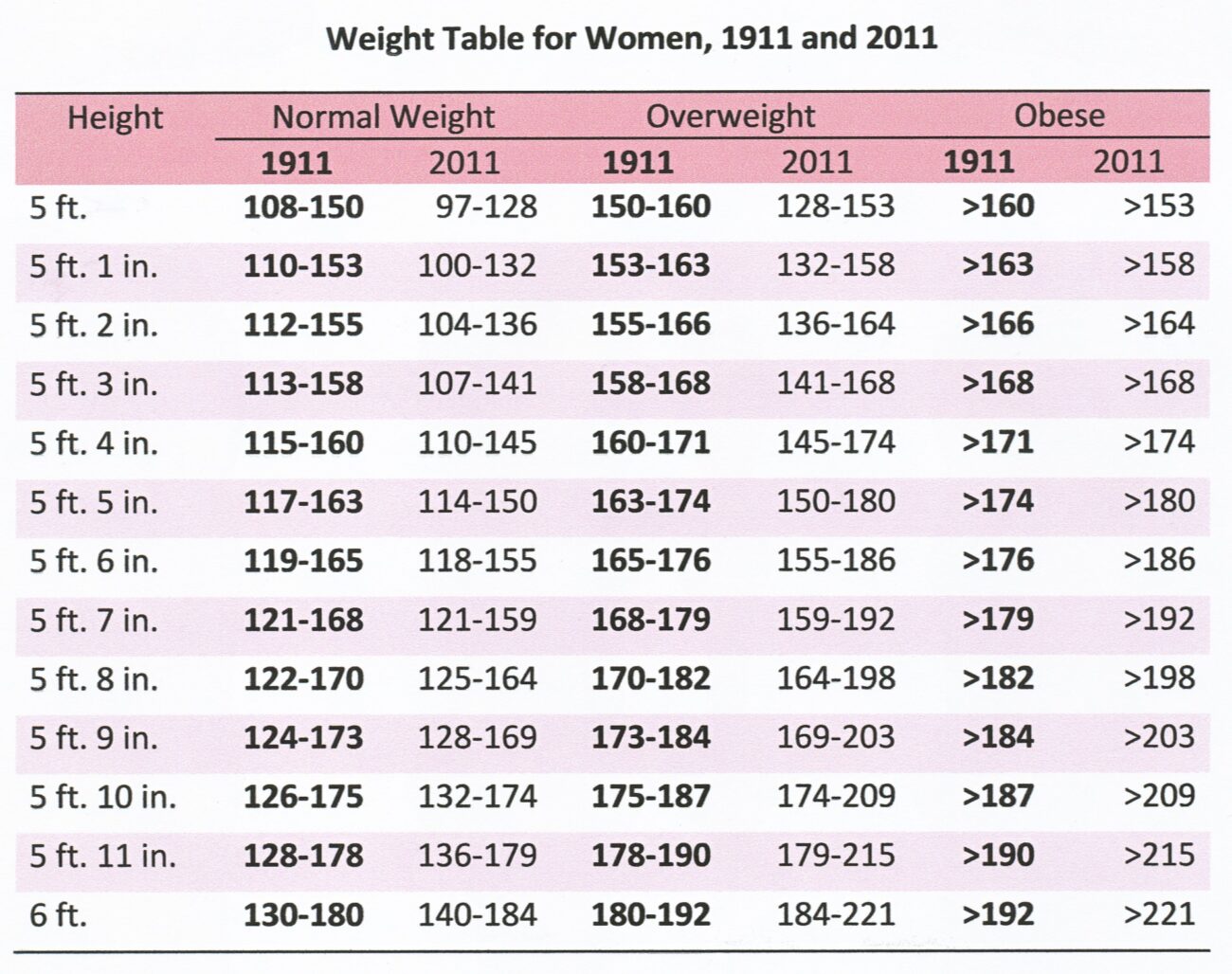
Tracking your growth and development can be a significant part of maintaining a healthy lifestyle. If you are a parent, teacher, or healthcare provider, having a reliable reference for weight and height can help you monitor health effectively. The Weight Height Chart For Females By Age serves as an essential tool that provides a clear visual representation of expected growth patterns. This resource is perfect for those who want to ensure that their weight and height are in line with age-specific standards.
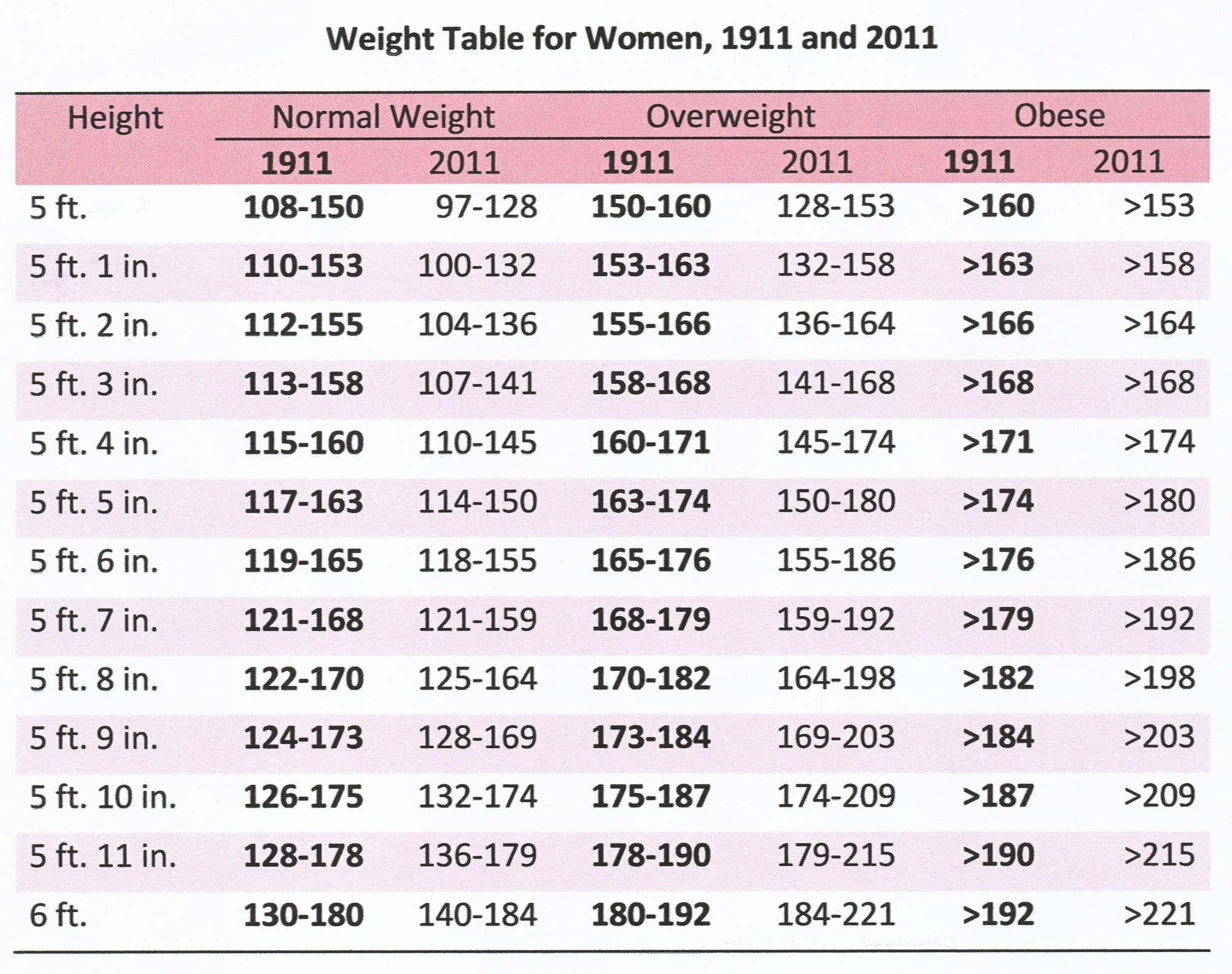
Understanding the Weight Height Chart
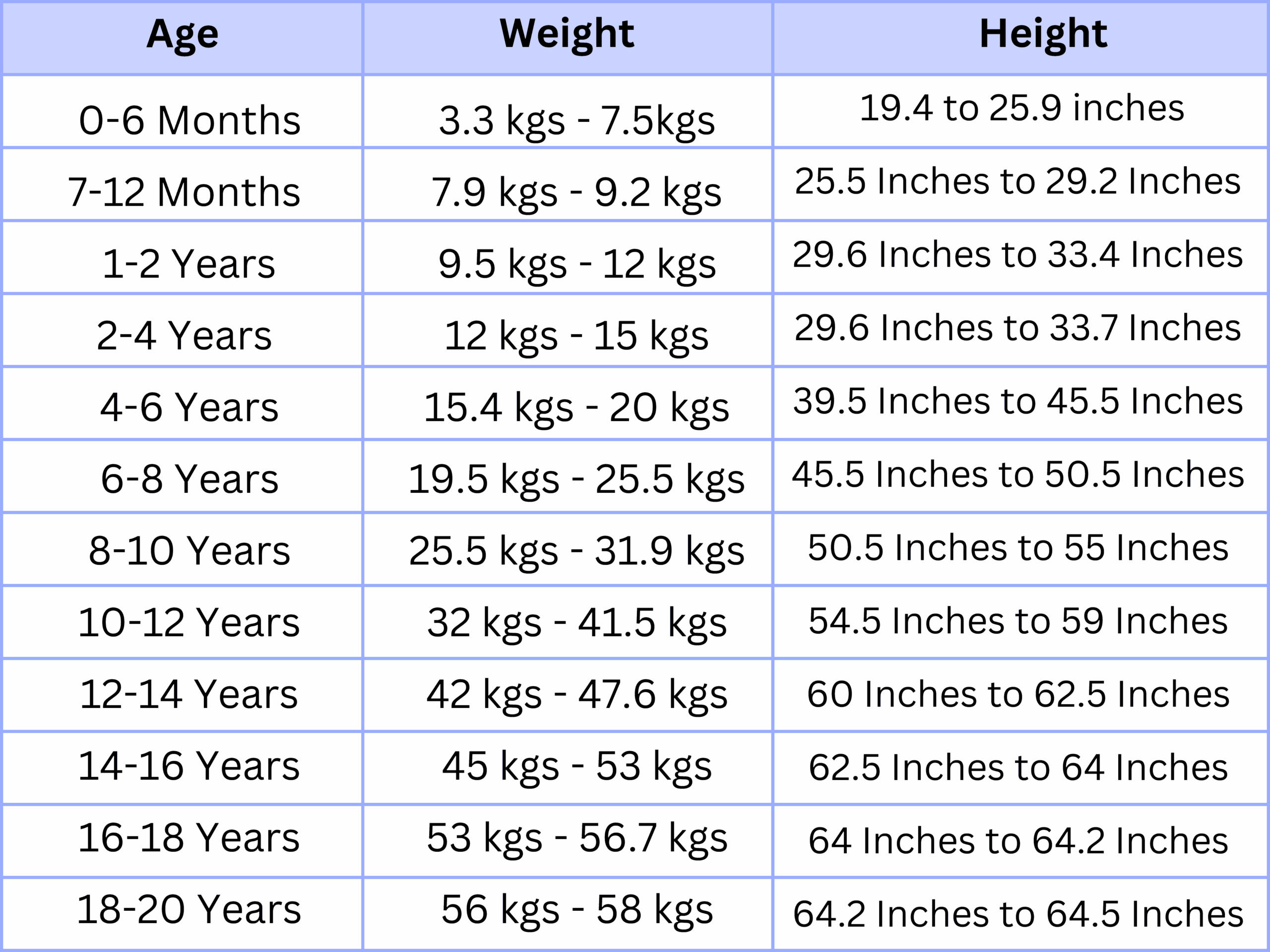
A Weight Height Chart For Females By Age is designed to display the relationship between weight and height across different age groups. It helps in assessing whether an individual falls within a healthy range for their age. Reading and interpreting this chart correctly can help you make informed decisions about nutrition and exercise.
To use the chart effectively, locate the age on the horizontal axis. Then, find the corresponding height on the vertical axis. The intersection of these two points will indicate the recommended weight range. This visual aid is particularly useful when tracking growth over time.
How to Use the Chart for Tracking Progress
To make the most of the Weight Height Chart For Females By Age, follow these steps:
- Download the Chart: Start by downloading the printable version of the chart. Ensure that you have the appropriate paper size ready for printing. Standard letter size (8.5 x 11 inches) is recommended for easy handling.
- Take Accurate Measurements: Use a reliable scale to measure weight and a stadiometer or measuring tape for height. It’s best to take these measurements at the same time each day for consistency.
- Record Your Data: Write down the measurements in a dedicated notebook or directly on the chart if it allows for that. This will help you visualize changes over time.
- Refer to the Chart Regularly: Check the chart periodically, perhaps every few months. This helps monitor growth trends and ensures that any significant deviations from the norm can be addressed promptly.
- Consult Professionals if Needed: If you notice that your measurements fall outside the recommended ranges, it might be time to consult a healthcare provider. They can provide tailored advice based on individual health needs.
Common Mistakes to Avoid
When using the Weight Height Chart For Females By Age, it’s important to avoid some common pitfalls:
- Inaccurate Measurements: Ensure that both weight and height are measured accurately. Wearing heavy clothing or shoes can skew results.
- Ignoring Growth Patterns: Growth isn’t linear. Some girls may experience growth spurts at different ages, so it’s essential to track progress over time rather than focusing on a single measurement.
- Neglecting Context: Remember that the chart provides general guidelines. Individual health factors, genetics, and body composition should also be considered.
Where to Use This Chart
The Weight Height Chart For Females By Age can be used in various settings:
- At Home: Parents can keep track of their daughters’ growth during regular health check-ups.
- Schools: Teachers and school nurses can utilize the chart to assess student health during annual screenings.
- Clinics: Healthcare providers can use this chart as a quick reference during consultations to discuss a patient’s growth and development.
Having this chart readily available can help facilitate discussions about health and wellness, making it an excellent tool for educational purposes.
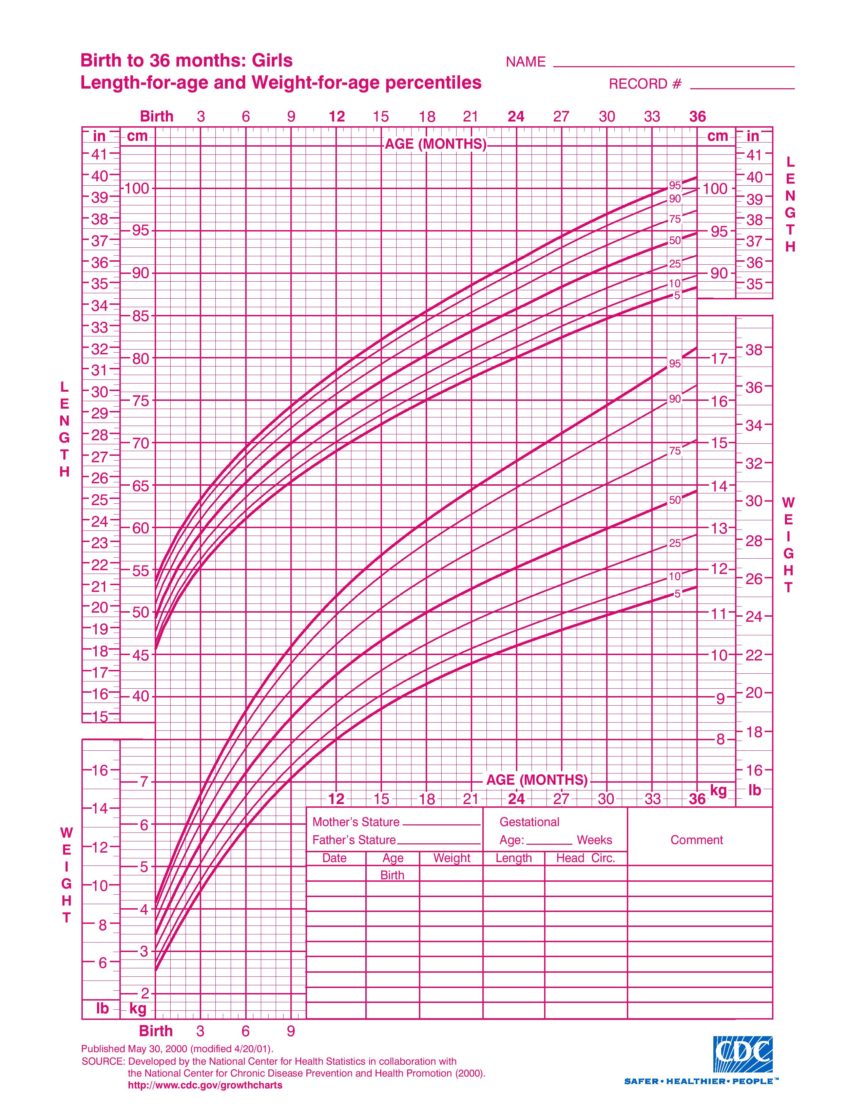
Additional Tips for Effective Use
- Regular Updates: Make it a habit to update the chart regularly. Keeping records can help identify trends and patterns in growth.
- Use Color-Coding: If you have multiple individuals to track, consider color-coding the measurements for quick reference.
- Combine with Other Health Metrics: Pair the weight and height data with other health metrics such as BMI, physical activity levels, and dietary habits for a more comprehensive view of health.
Using the Weight Height Chart For Females By Age can significantly aid in tracking and understanding growth patterns. By following these guidelines, you’ll be equipped to monitor health effectively while ensuring that any concerns are addressed promptly. Keep it handy, and don’t hesitate to revisit the chart as often as needed.
