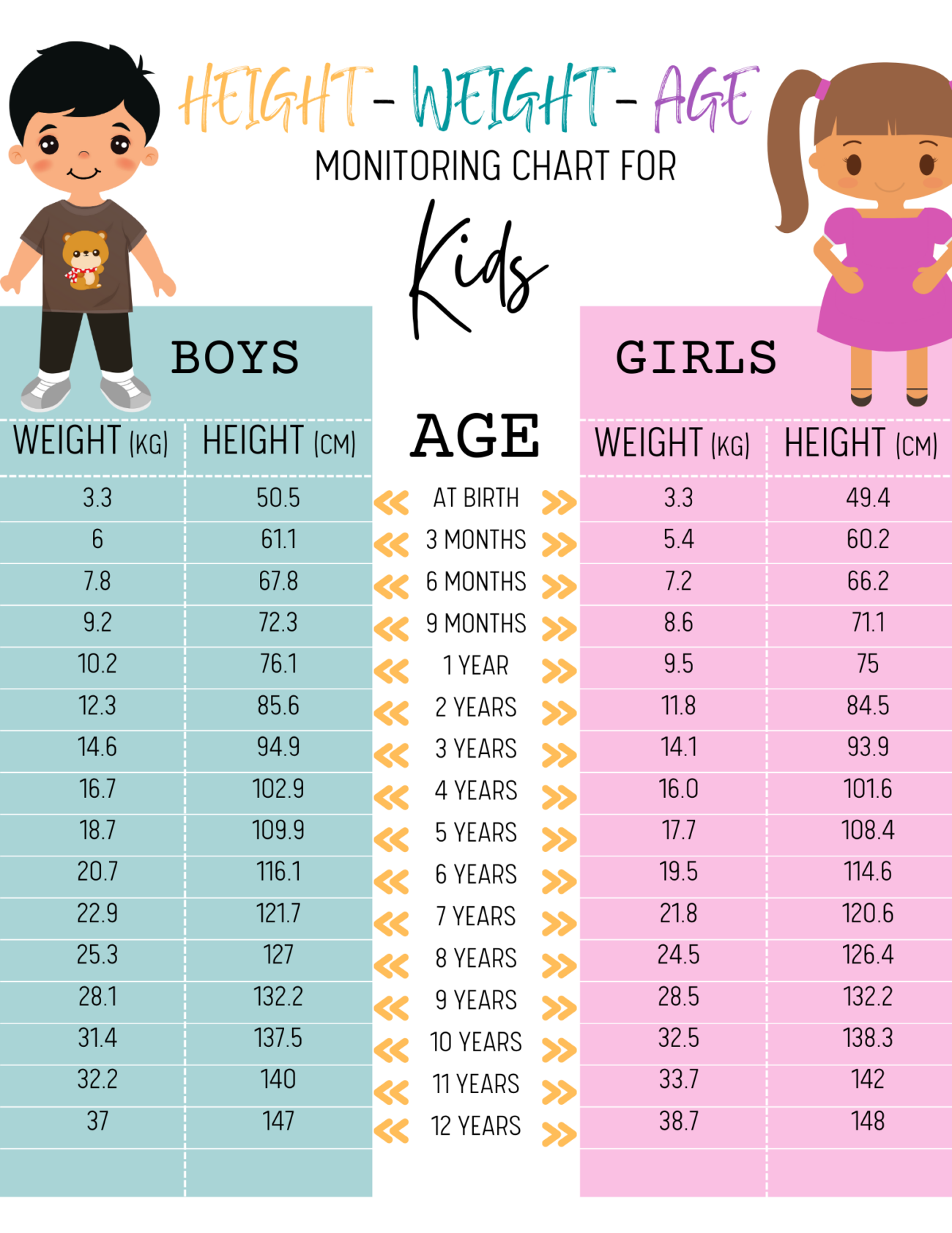
Tracking your child’s growth can sometimes feel overwhelming, especially when it comes to understanding if they’re on the right path. A Weight And Height Chart For Kids is an invaluable tool for parents wanting to monitor their child’s development over time. This chart allows you to easily visualize growth patterns and ensure your little ones are growing healthy and strong.
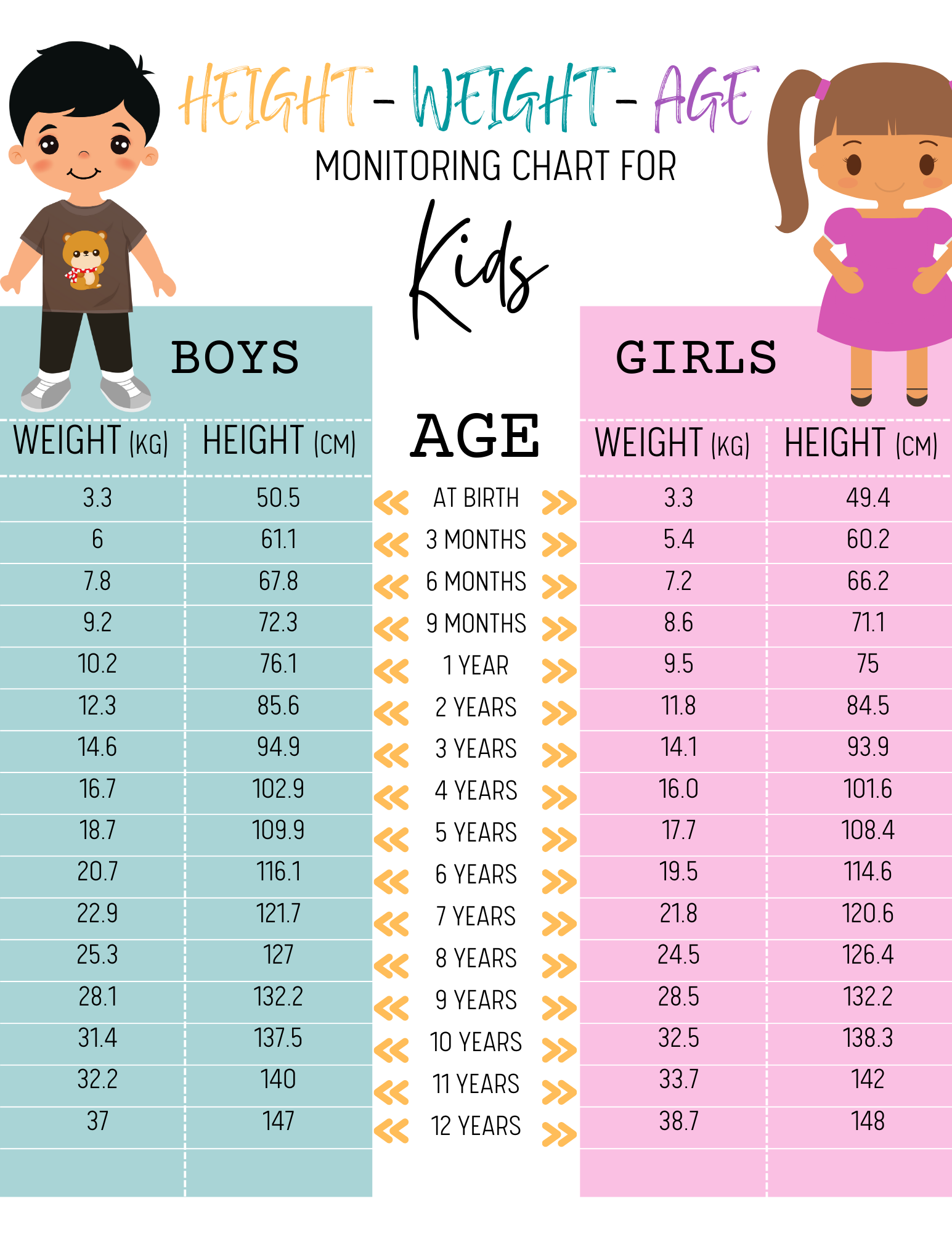
Understanding the Weight and Height Chart
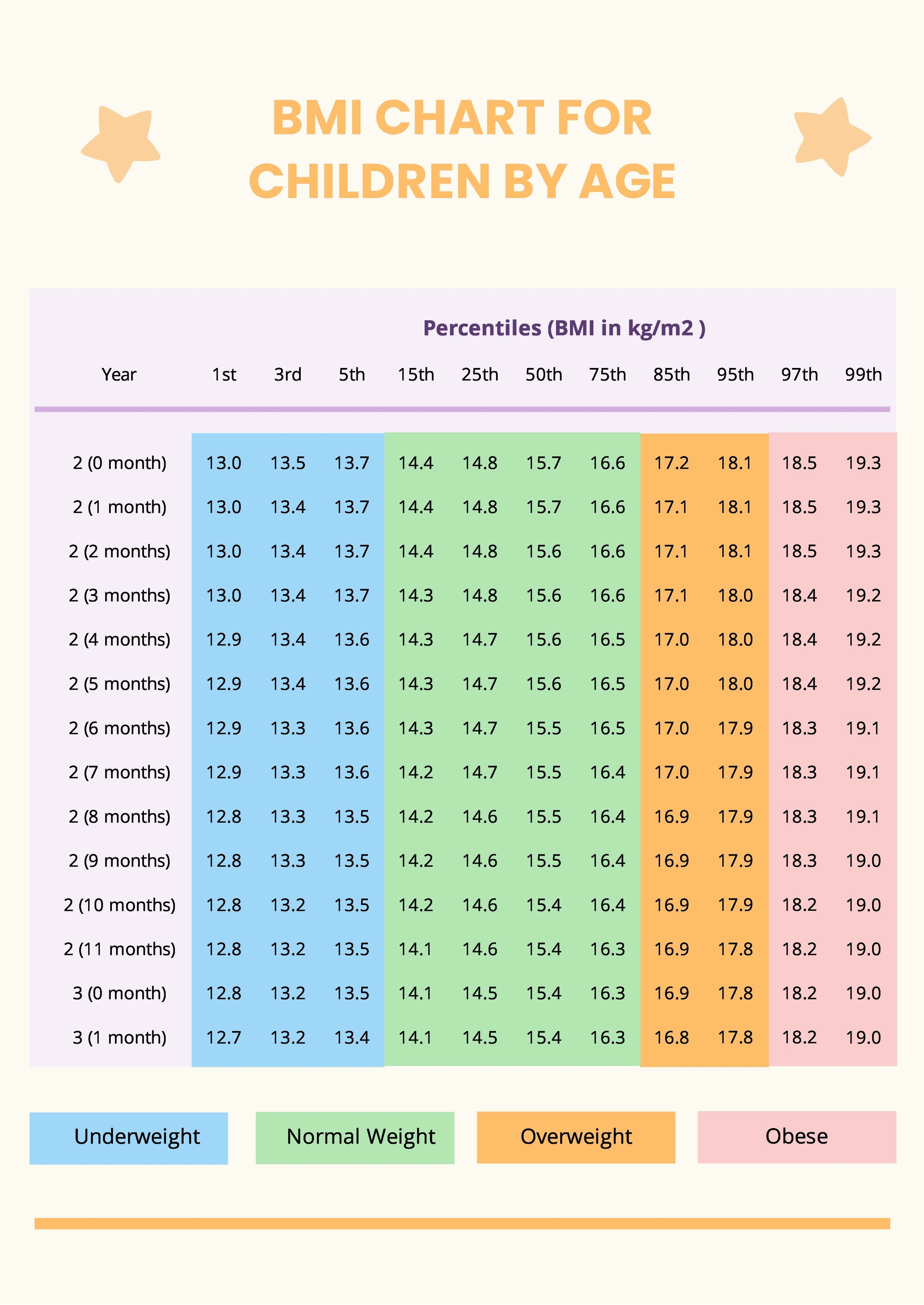
A Weight And Height Chart For Kids typically showcases a range of weights and heights appropriate for various ages. It’s designed to help you see where your child falls within the growth percentiles. This is crucial as it provides insights into their development compared to peers.
The chart usually includes:
- Age ranges (typically from birth to 18 years)
- Percentiles that indicate average weight and height for each age
- Guidelines for interpreting the data
When you fill it out, you’ll be entering your child’s age, weight, and height, allowing you to track changes over time. This is especially useful during regular pediatric visits, as doctors often refer to these charts to assess growth.
How to Use the Weight and Height Chart
Using the Weight And Height Chart For Kids is straightforward. Here’s a step-by-step guide to help you get started:
- Download and Print: Find a printable version of the chart that suits your needs. Opt for a PDF file to avoid formatting issues when printing.
- Collect Data: Measure your child’s height and weight accurately. Use a stadiometer for height and a scale for weight. Make sure to do this at the same time every month to maintain consistency.
- Fill in the Chart: Write down your child’s age, weight, and height. Plot these measurements on the chart in the appropriate percentile. It’s essential to record this information regularly.
- Review Regularly: Check the chart every few months to monitor trends. Are they consistently growing? Are they falling behind? This will help you notice any significant changes.
Where to Keep the Chart
Once you have filled out the Weight And Height Chart For Kids, it’s important to store it correctly. Here are some suggestions:
- Family Binder: Create a family binder dedicated to your child’s health records. This can include doctor visits, vaccination records, and growth charts. Keeping everything in one place makes it easy to refer to during appointments.
- Digital Format: If you prefer, scan the completed chart and save it on your computer or cloud storage. This way, you can access it anytime and share it with your child’s doctor if needed.
- Wall Display: Consider hanging the chart in a common area, like the kitchen or playroom. This not only serves as a reminder but also encourages conversations about health and growth with your child.
Common Mistakes to Avoid
When using a Weight And Height Chart For Kids, there are a few common pitfalls to watch out for:
- Inconsistent Measurements: It’s crucial to measure your child at the same time of day and under the same conditions (e.g., same clothing). Variations can lead to inaccurate tracking.
- Ignoring Percentiles: Just because your child falls below or above the average percentile doesn’t mean there’s a problem. Children grow at different rates, and many factors influence this. Discuss any concerns with your pediatrician.
- Failing to Update Regularly: Make it a habit to update the chart monthly. This way, you can catch any significant deviations in growth early.
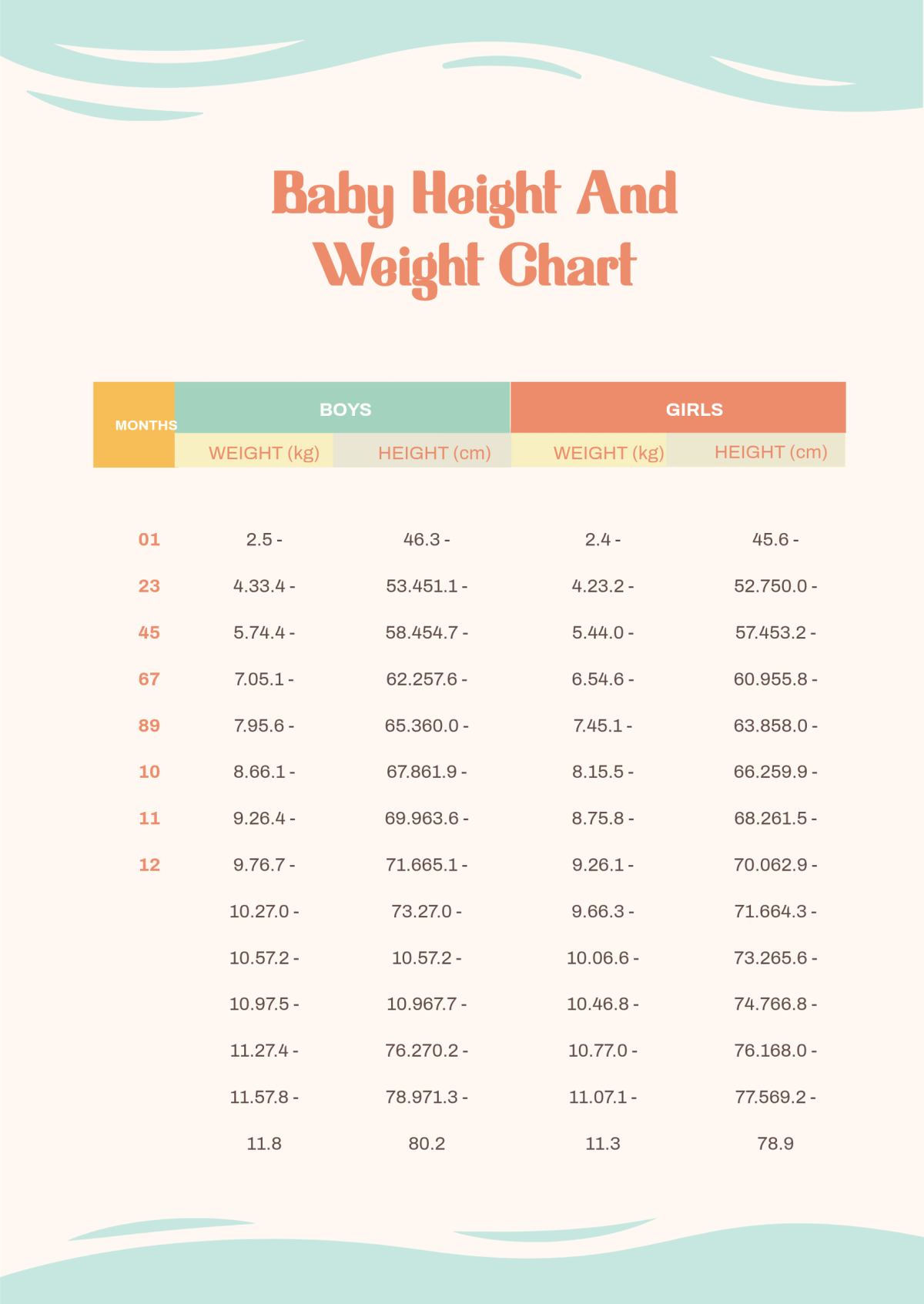
Additional Tips for Tracking Growth
To further enhance your tracking process, consider these additional tips:
- Combine with Nutrition Tracking: Pair the Weight And Height Chart For Kids with a food diary to monitor your child’s nutrition. This can help identify any dietary changes needed.
- Encourage Physical Activity: Regular exercise is vital for healthy growth. Use the chart as a motivational tool to encourage your child to stay active.
- Celebrate Milestones: When your child reaches new height or weight milestones, celebrate it! This can foster a positive attitude towards health and growth.
By actively engaging with the Weight And Height Chart For Kids, you’re not just tracking numbers; you’re participating in your child’s health journey. This resource can empower you to make informed decisions and ensure your child is developing as they should.
Remember, the goal is to create a supportive environment where your child feels encouraged about their health. Start today by downloading and printing your chart, and make growth tracking a fun part of your family routine!
