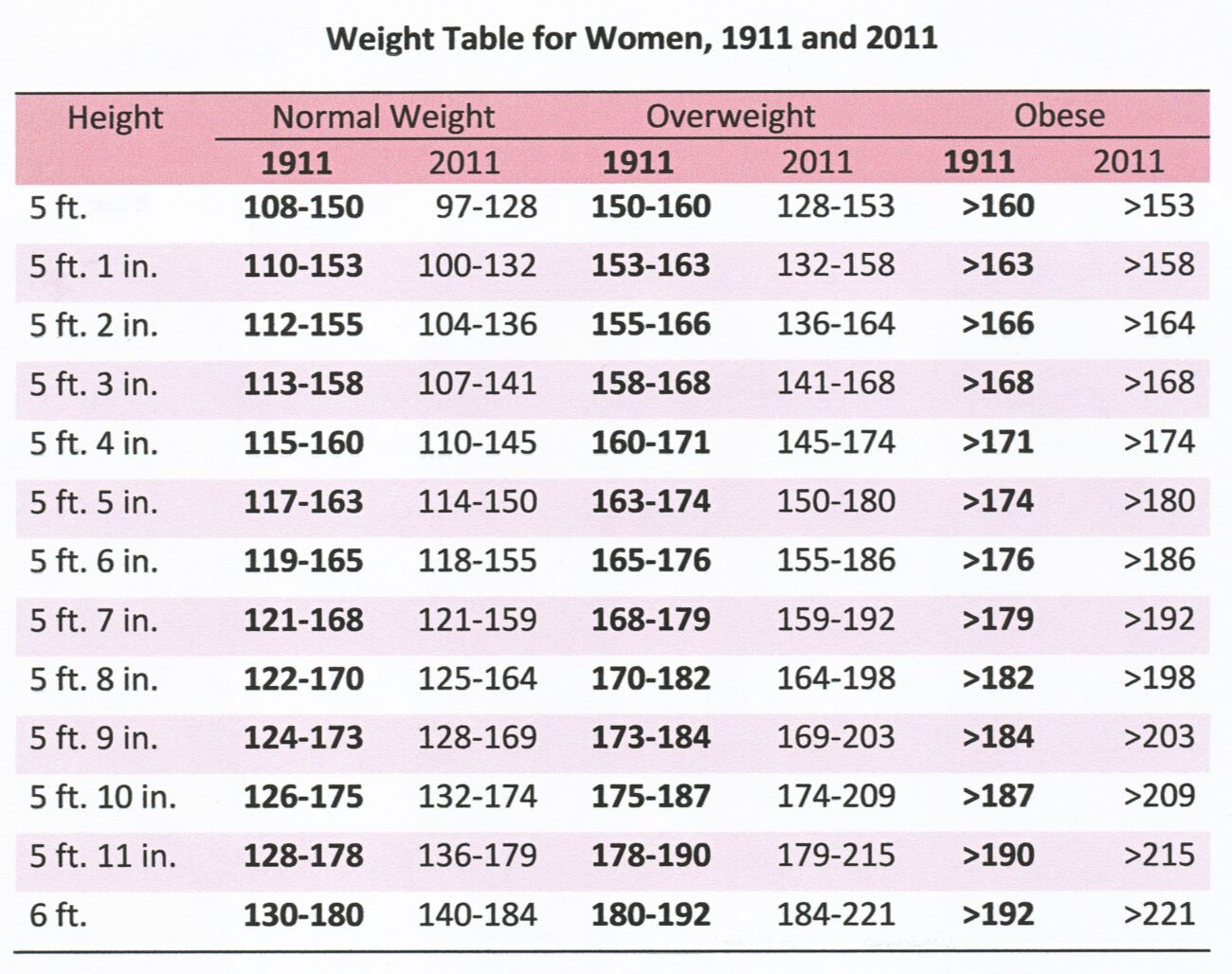
Tracking growth and health metrics can be essential for women, especially when it comes to understanding how weight, height, and age interact. The Weight Height Age Female Chart is a practical resource that allows you to monitor these vital statistics effectively. If you are a parent, teacher, or someone interested in maintaining a healthy lifestyle, this chart can be a valuable tool.
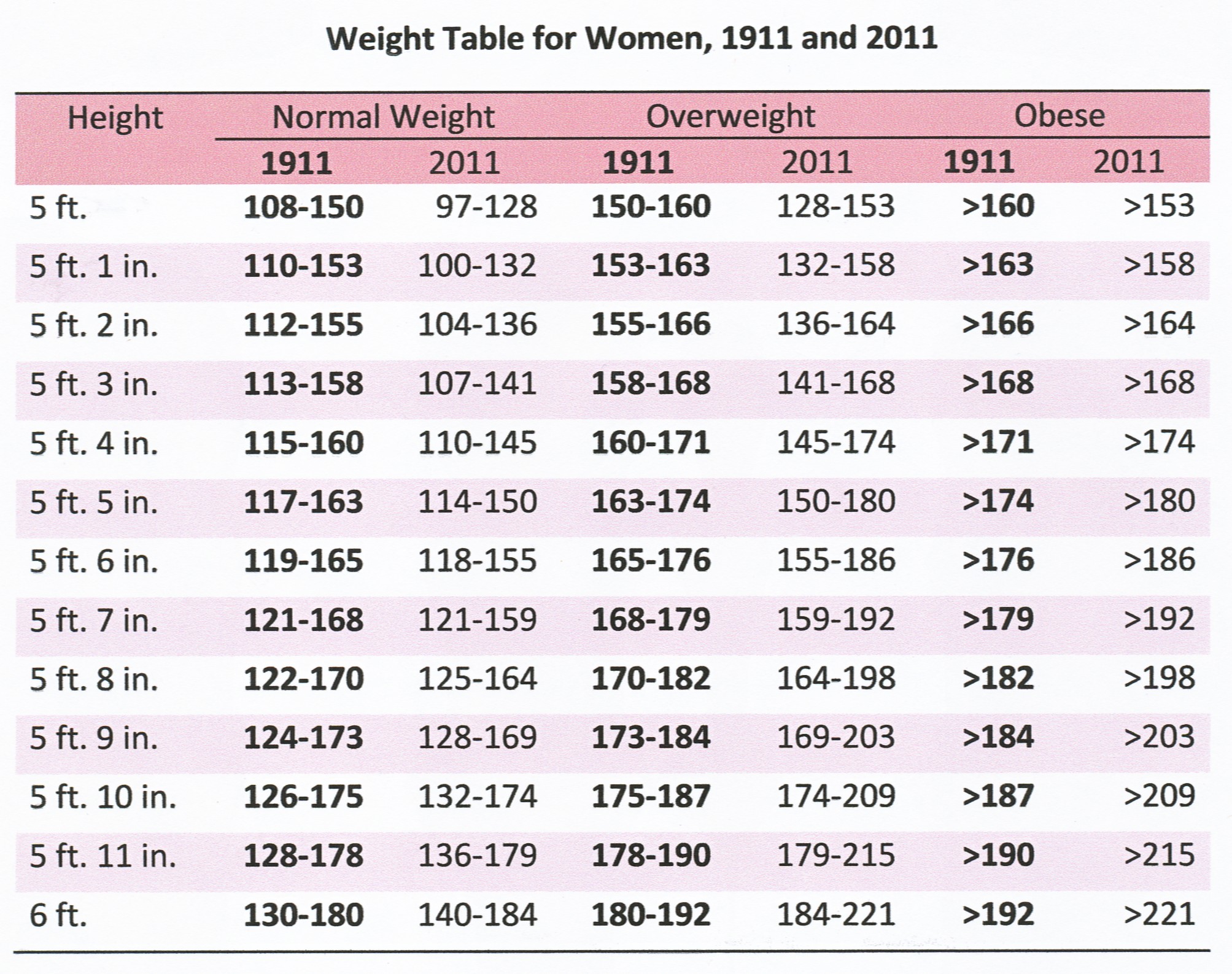
Understanding the Weight Height Age Female Chart
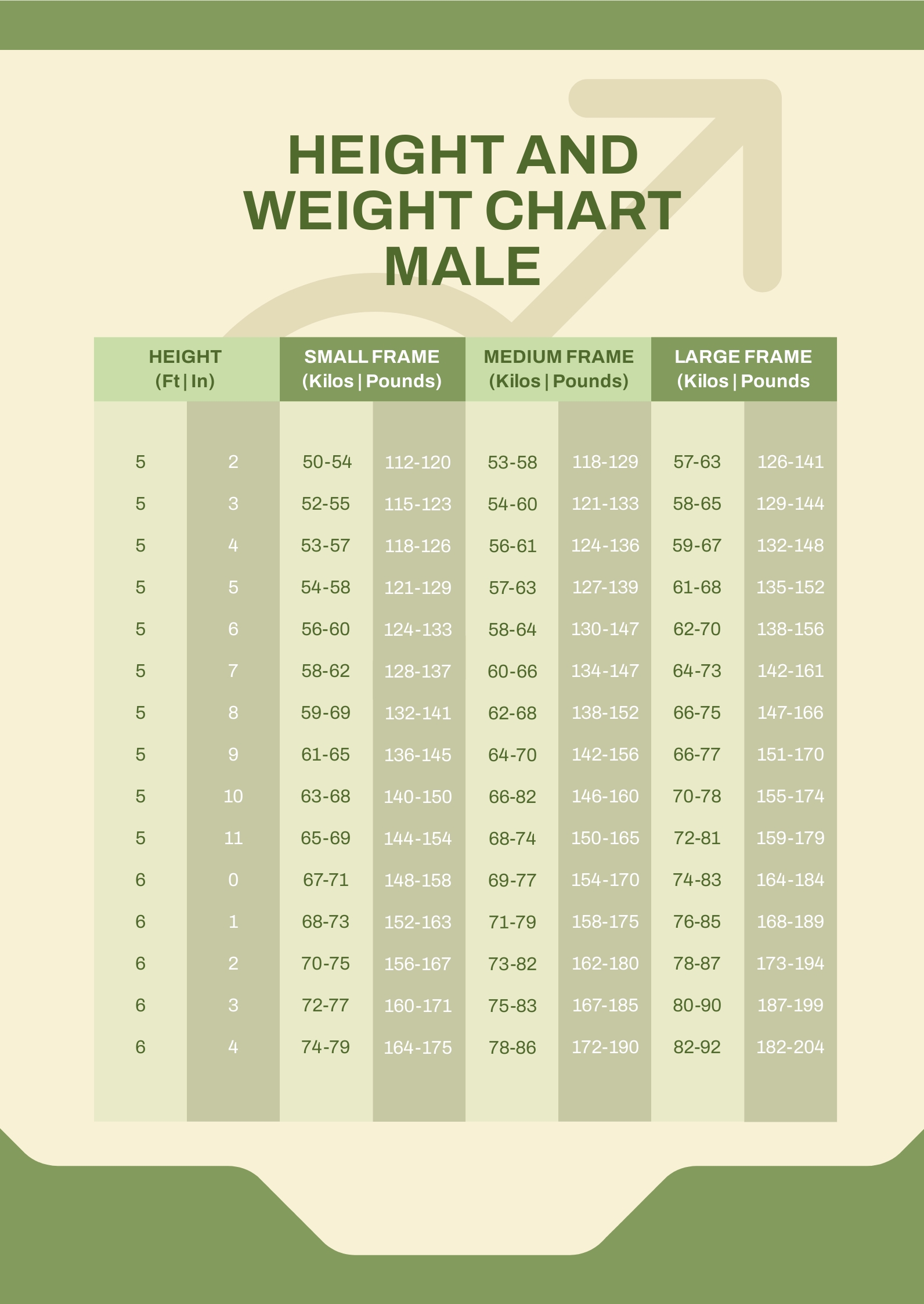
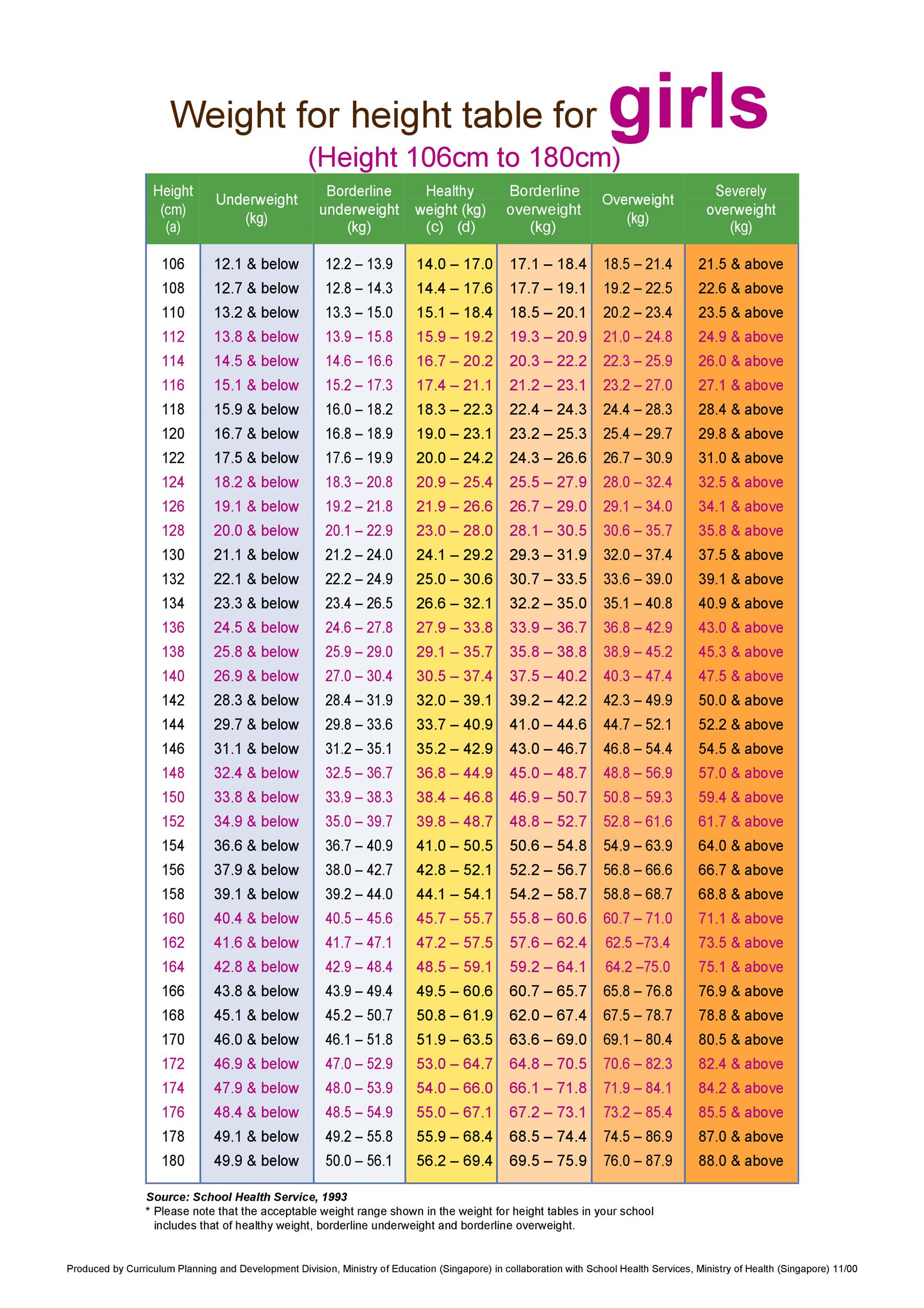
The Weight Height Age Female Chart provides a visual representation of how weight and height correlate with age for females. Typically, these charts are designed to help you assess whether an individual is within a healthy range for their age and height. They often include percentiles, which indicate how a person compares to others in the same age group.
When you look at the chart, you’ll see a grid with age on one axis and weight and height on the other. Each entry shows the corresponding weight for a given height and age. This layout helps organize the information clearly, making it easier to find the data you need quickly.
When to Use the Chart
You might find the Weight Height Age Female Chart particularly useful in several scenarios:
- Health Assessments: If you’re monitoring your health or that of someone else, this chart can help you determine if weight is appropriate for height as one ages.
- Growth Tracking: Parents can use it to track their children’s growth patterns against established norms.
- Fitness and Diet Planning: If you’re adjusting your diet or fitness routine, this chart can serve as a baseline to measure progress.
- Educational Settings: Teachers and school nurses can utilize this chart during health assessments to identify potential issues with student growth.
How to Fill in the Chart
Filling in the Weight Height Age Female Chart is straightforward. Here’s how you can do it effectively:
- Gather Necessary Information: Start with accurate measurements of height and weight. Use a reliable scale and a stadiometer for height.
- Select the Right Age Group: Make sure you’re referencing the correct age range for the individual. This is crucial for accurate assessments.
- Locate the Correct Entry: Find the height on one axis and trace it across to the age. You can then see the corresponding weight that falls within the healthy range.
- Record Data: If you’re tracking over time, make note of the measurements and any changes. This will help you see trends.
Best Practices for Printing
If you decide to print the Weight Height Age Female Chart, keep these tips in mind to ensure the best quality:
- Paper Type: Use a heavier paper like cardstock for durability, especially if you plan on using it frequently. This helps prevent wear and tear.
- Size: Standard A4 or letter-sized paper works best for most home printers. Ensure your settings are adjusted for the selected paper size.
- Orientation: Portrait layout generally suits these charts better, making it easier to read and fill in.
- Color Settings: If you have a color printer, printing in color can make the chart more visually appealing and easier to read.
Where to Find Printable Versions
You can find downloadable and printable versions of the Weight Height Age Female Chart on various websites that specialize in educational and health resources. Look for sites that offer high-quality PDFs to avoid formatting issues when printing. Many of these resources are free, allowing you to access them immediately without any cost.
When searching online, consider using specific keywords like “download Weight Height Age Female Chart PDF” to narrow down your options. This can lead you directly to sites that provide the format you need.
Monitoring Changes Over Time
Once you’ve started using the Weight Height Age Female Chart, it’s essential to regularly monitor and update the information. Here’s how to keep track effectively:
- Set a Schedule: Decide how often you’ll take measurements. Monthly or quarterly updates can be useful, depending on your goals.
- Use a Digital Tracker: Consider using digital health apps that allow you to input and track these metrics over time. This can complement the chart and provide additional insights.
- Consult Professionals: If you notice any concerning trends in the data, such as rapid weight gain or loss, consulting a healthcare professional is advisable. They can provide personalized assessments and recommendations.
With the Weight Height Age Female Chart, you have a practical tool at your disposal for managing health and growth metrics. By understanding how to use it and keeping it updated, you can make informed decisions that contribute to better health outcomes.
