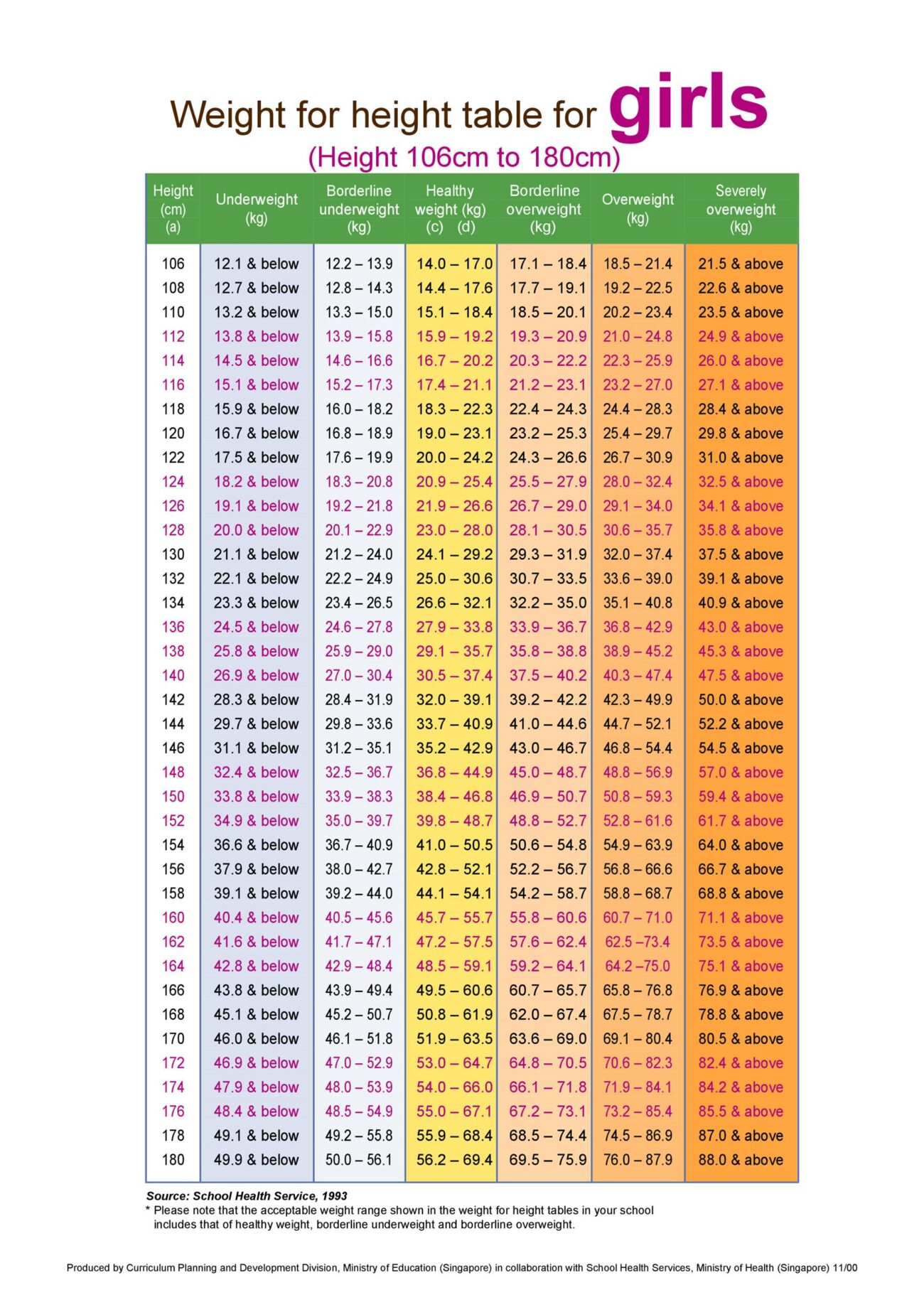
Understanding how to track your weight effectively is essential for maintaining a healthy lifestyle. A Weight Chart For Women Age provides a clear framework to assess weight in relation to age and helps you set realistic health goals. This printable resource allows you to monitor your progress over time, making it easier to visualize your journey towards better health. Let’s explore how to use this chart effectively, ensuring that you get the most out of it.
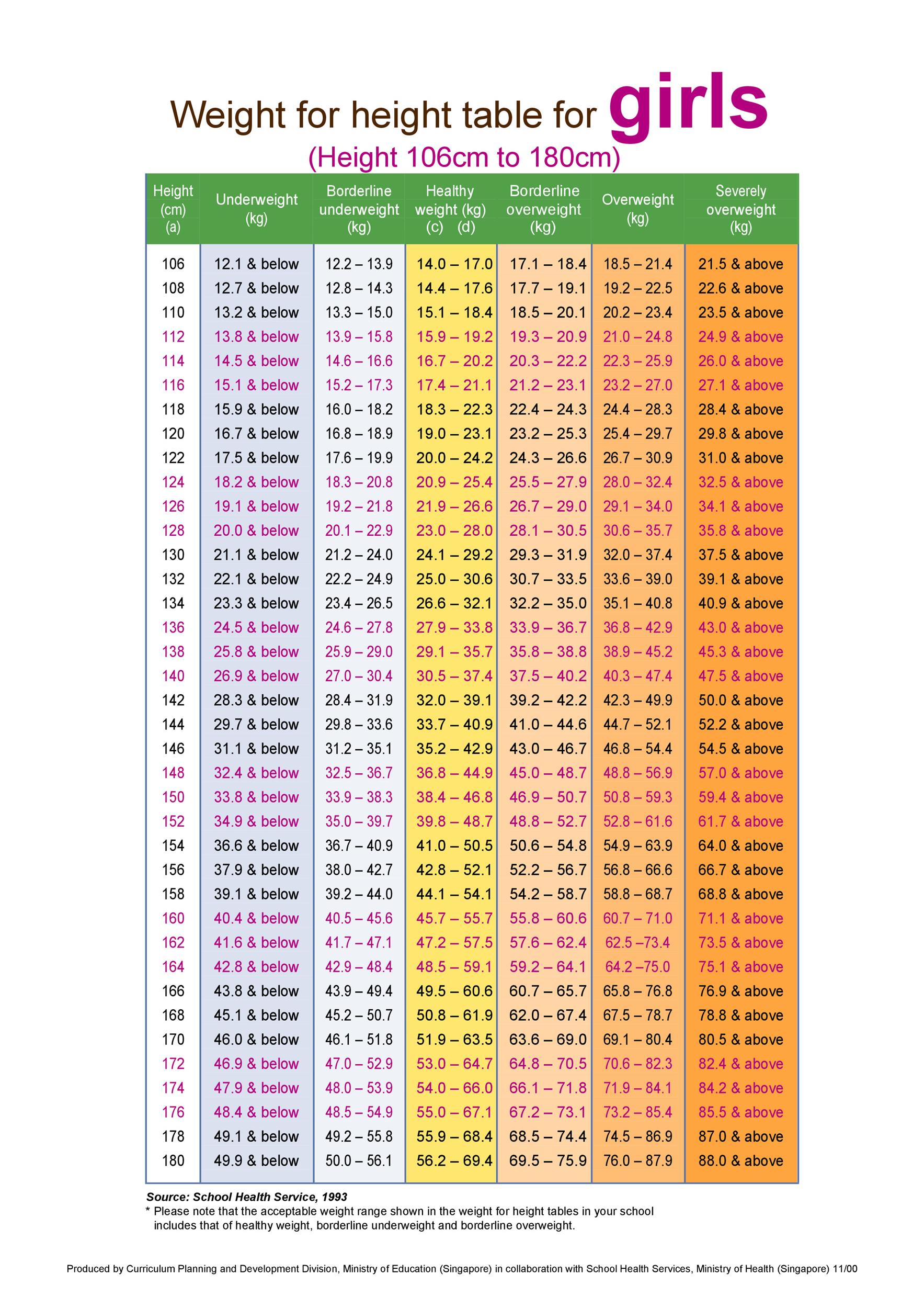
What is a Weight Chart For Women Age?
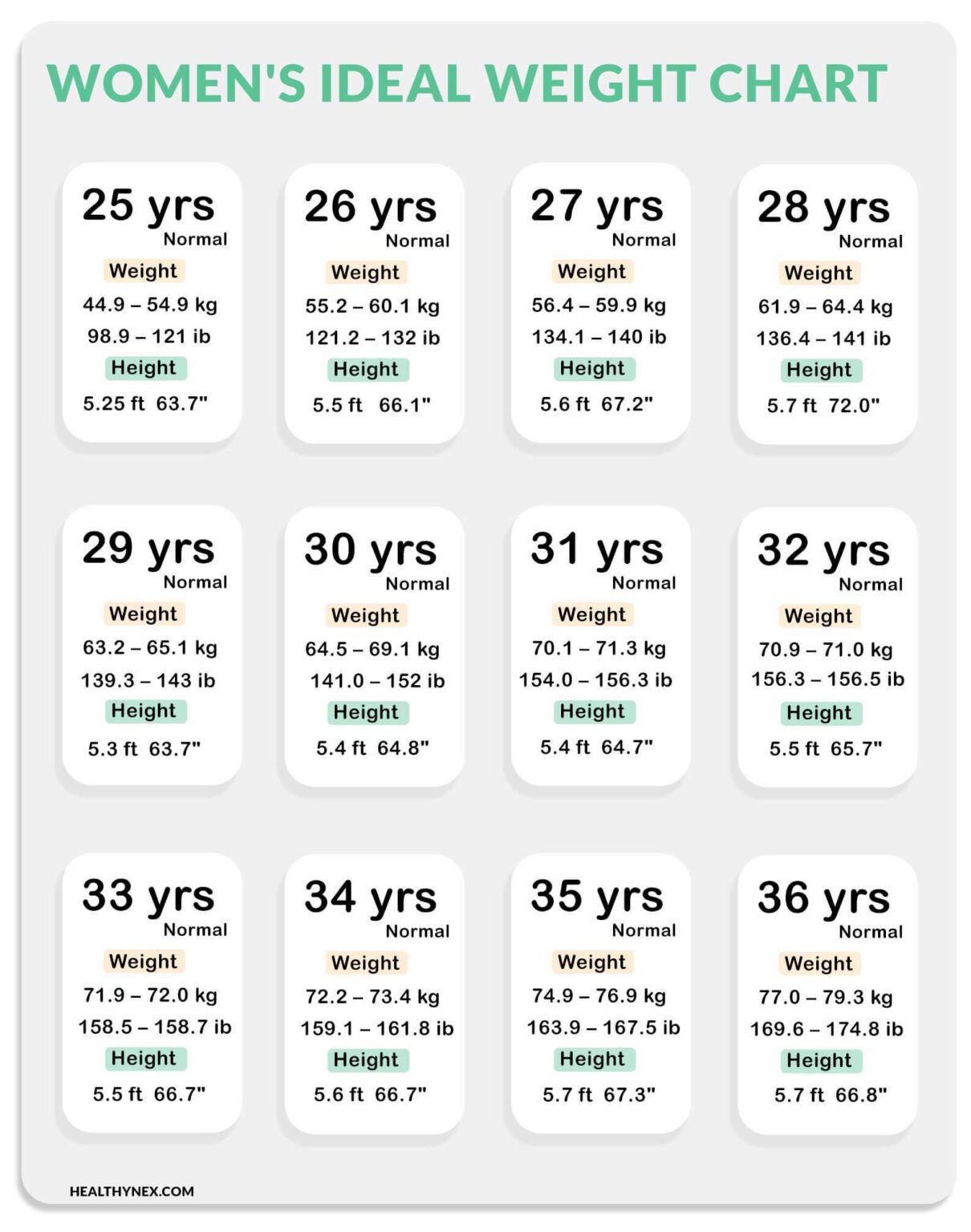
A Weight Chart For Women Age is a tool designed to help women track their weight across different age categories. These charts typically display a range of weights that are considered healthy for women based on their age group. You can find these charts in various formats, including PDF downloads that are easy to print at home.
When using a weight chart, it’s important to remember that it serves as a guideline rather than a strict rule. Each woman’s body is unique, and factors such as muscle mass, body composition, and overall health should be taken into account.
How to Use the Weight Chart
Step 1: Downloading and Printing
The first step is to download your Weight Chart For Women Age. Look for a version that suits your needs — often, you’ll find options in both A4 and letter sizes. Once downloaded, print it out using your home printer. Most home printers handle standard letter sizes well, but if you want a more durable version, consider printing on cardstock.
Step 2: Setting Up Your Chart
After printing, you’ll want to set up your chart for easy use. If you’re filling it out by hand, grab a pen or marker. If you prefer digital tracking, you can fill in a fillable PDF version on your computer or tablet. This method can help reduce clutter and allows for easy updates.
Step 3: Filling in Your Information
Start by noting your age and current weight on the chart. This will serve as your baseline. Make sure to check the healthy weight range for your age group on the chart. If you’re unsure about your current weight, a quick visit to the doctor or a local clinic can provide you with an accurate measurement.
Step 4: Regular Updates
To keep track of your progress, update your weight regularly — ideally every week or month. This will help you see trends over time and adjust your fitness and diet plans as needed. Consistency is key here; try to weigh yourself under the same conditions each time (for example, in the morning after using the restroom).
Step 5: Setting Goals
Use your Weight Chart as a motivational tool. If you’re looking to lose weight, set small, achievable goals based on the healthy range provided in the chart. Celebrate milestones, no matter how small, to keep your motivation high.
Understanding the Data
Age Groups and Weight Ranges
Weight charts typically categorize data into various age groups, such as:
- 18-24 years
- 25-34 years
- 35-44 years
- 45-54 years
- 55-64 years
- 65 years and above
Each age group has an associated healthy weight range based on average body composition and health data. Familiarizing yourself with these ranges can provide context for your individual health goals.
BMI and Its Relation to Weight
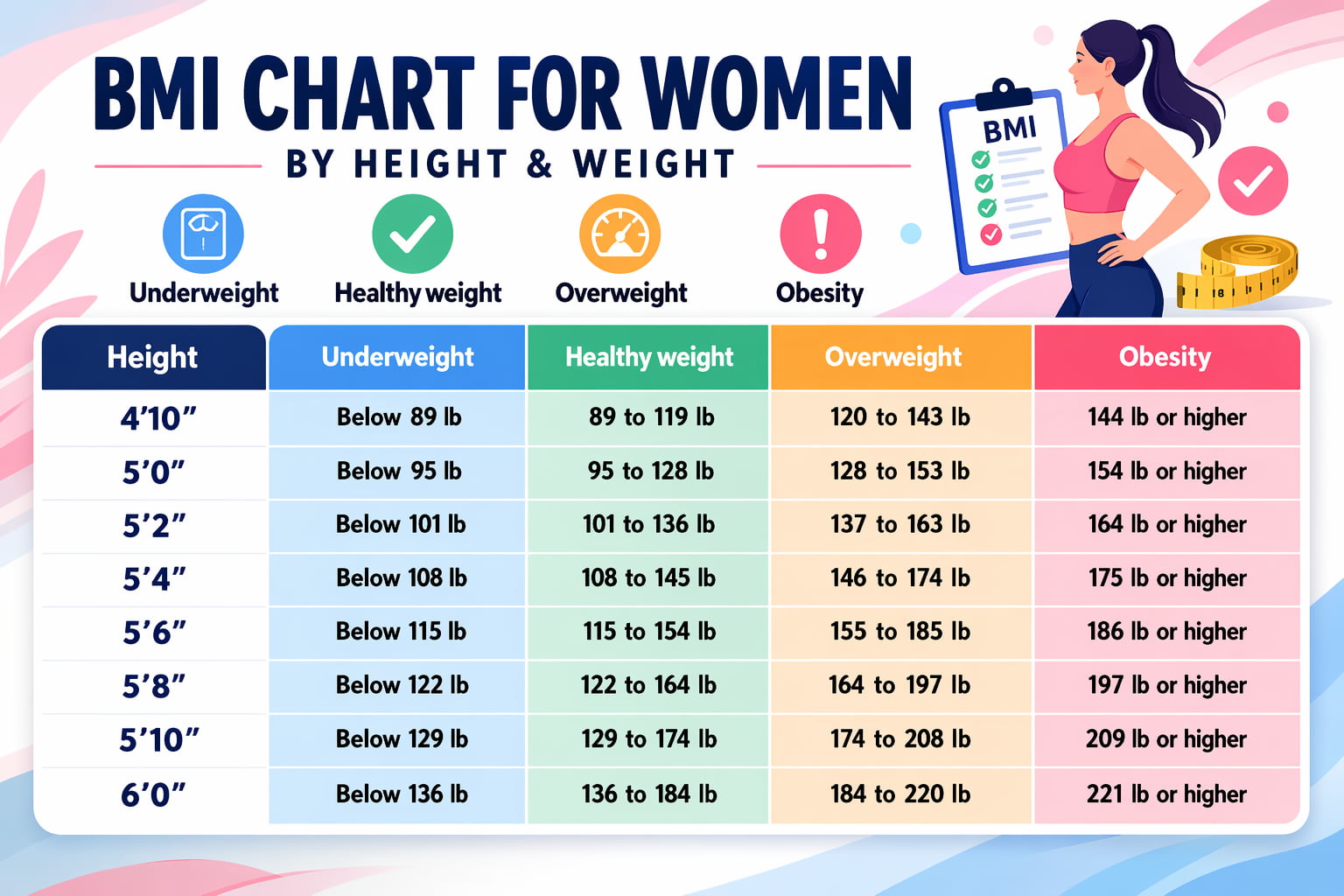
While the weight chart is a great tool, it’s also beneficial to understand Body Mass Index (BMI). BMI is a measure that uses height and weight to estimate body fat. You can calculate your BMI using your height and weight and compare it to BMI categories (underweight, normal, overweight, obese) to gain further insights into your health.
Additional Resources for Tracking Your Health
Having a weight chart is just one part of a holistic approach to health. Consider integrating other resources to track various aspects of your wellness:
- Fitness Planners: Keep a log of your workouts and physical activities.
- Nutrition Trackers: Monitor your daily food intake to ensure balanced nutrition.
- Health Journals: Record your thoughts, progress, and challenges to stay motivated.
